
Armenia and Azerbaijan Take a Historic Step Toward Peace at Washington Summit
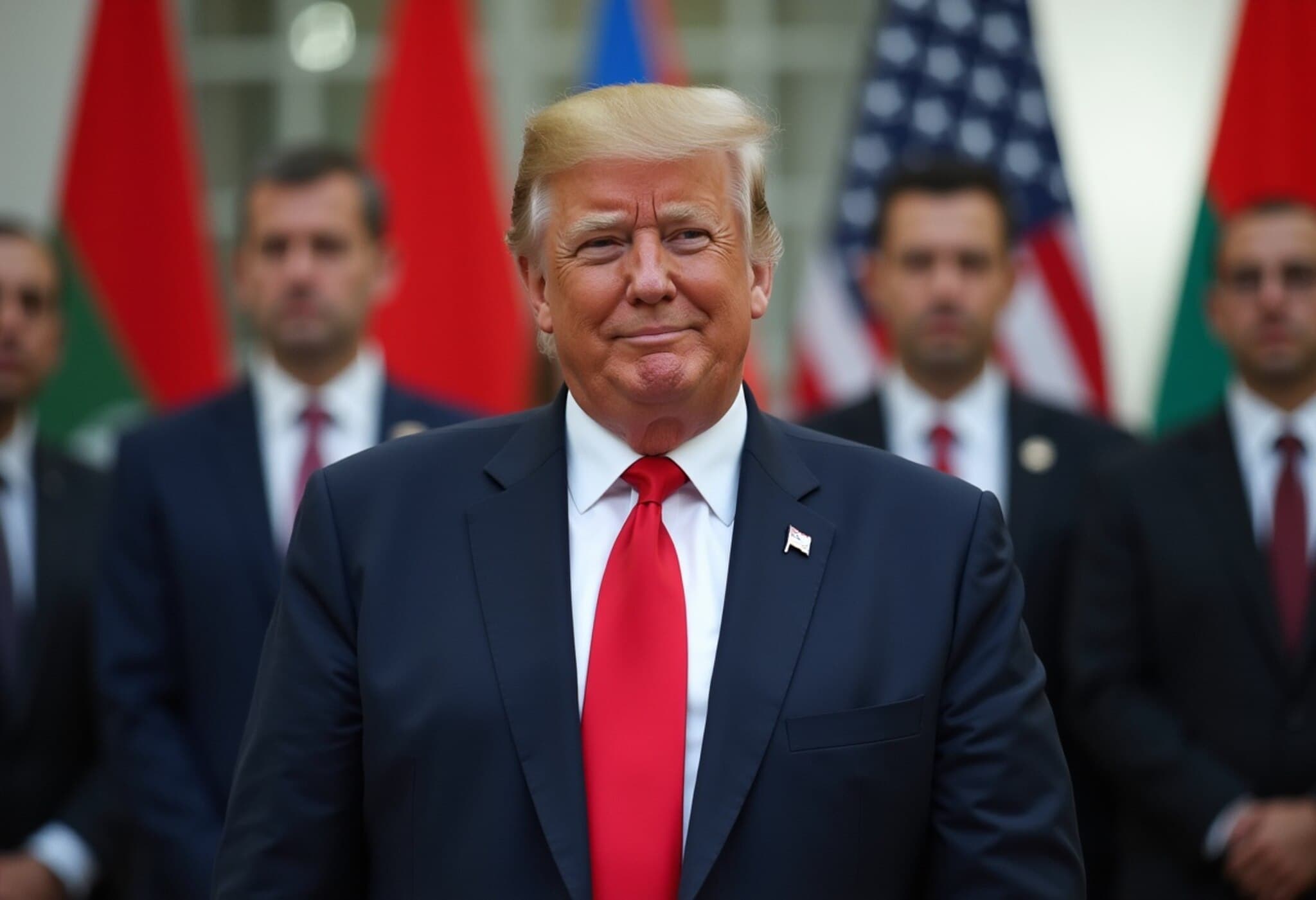
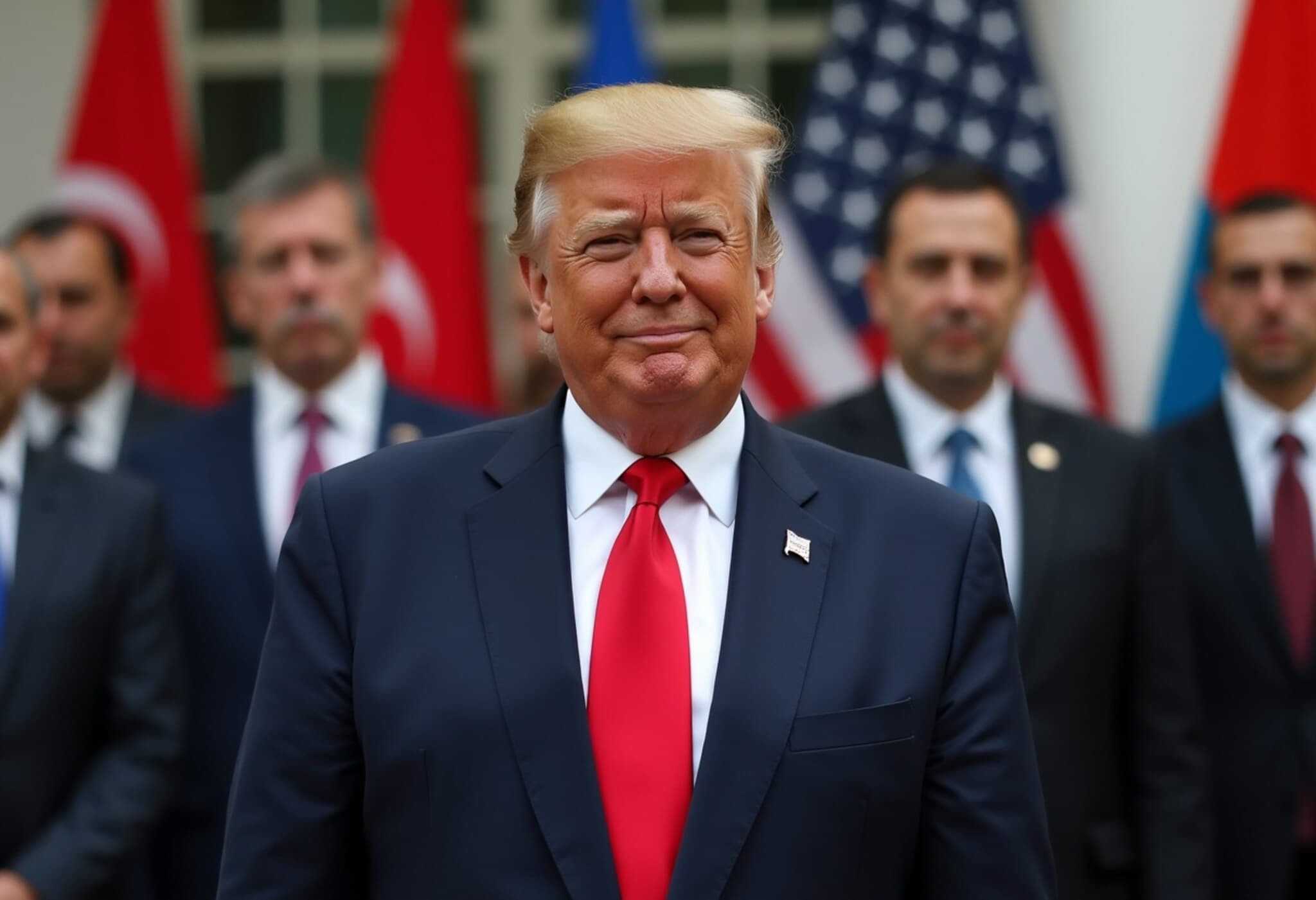
In a groundbreaking development for the South Caucasus region, Armenia and Azerbaijan have signed a joint declaration during a high-profile summit hosted by former U.S. President Donald Trump in Washington, D.C., on August 8, 2025. This pivotal agreement marks a major stride toward lasting peace after decades of intermittent conflict, particularly revolving around the disputed Nagorno-Karabakh region.
A New Chapter with the Trump Route for International Peace and Prosperity (TRIPP)
The summit introduced the ambitious Trump Route for International Peace and Prosperity (TRIPP), a transit corridor designed to bolster regional trade and energy linkages. The corridor is expected to serve as a vital conduit for Azerbaijan, connecting it through southern Armenia to its Nakhchivan exclave and further to Turkey. This strategic corridor is anticipated to unlock fresh economic opportunities and foster interdependence among historically estranged neighbors.
Leaders United at the White House
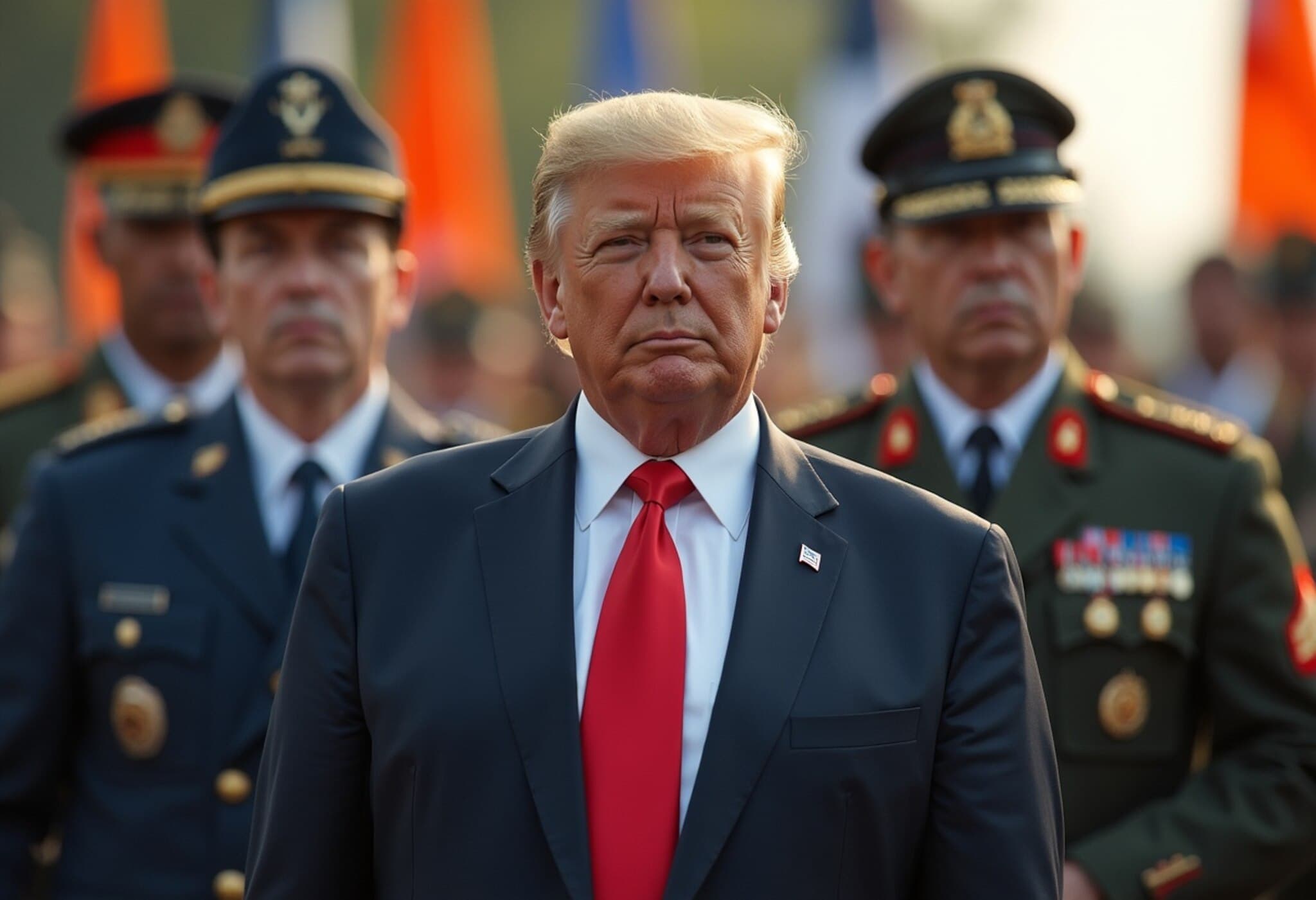
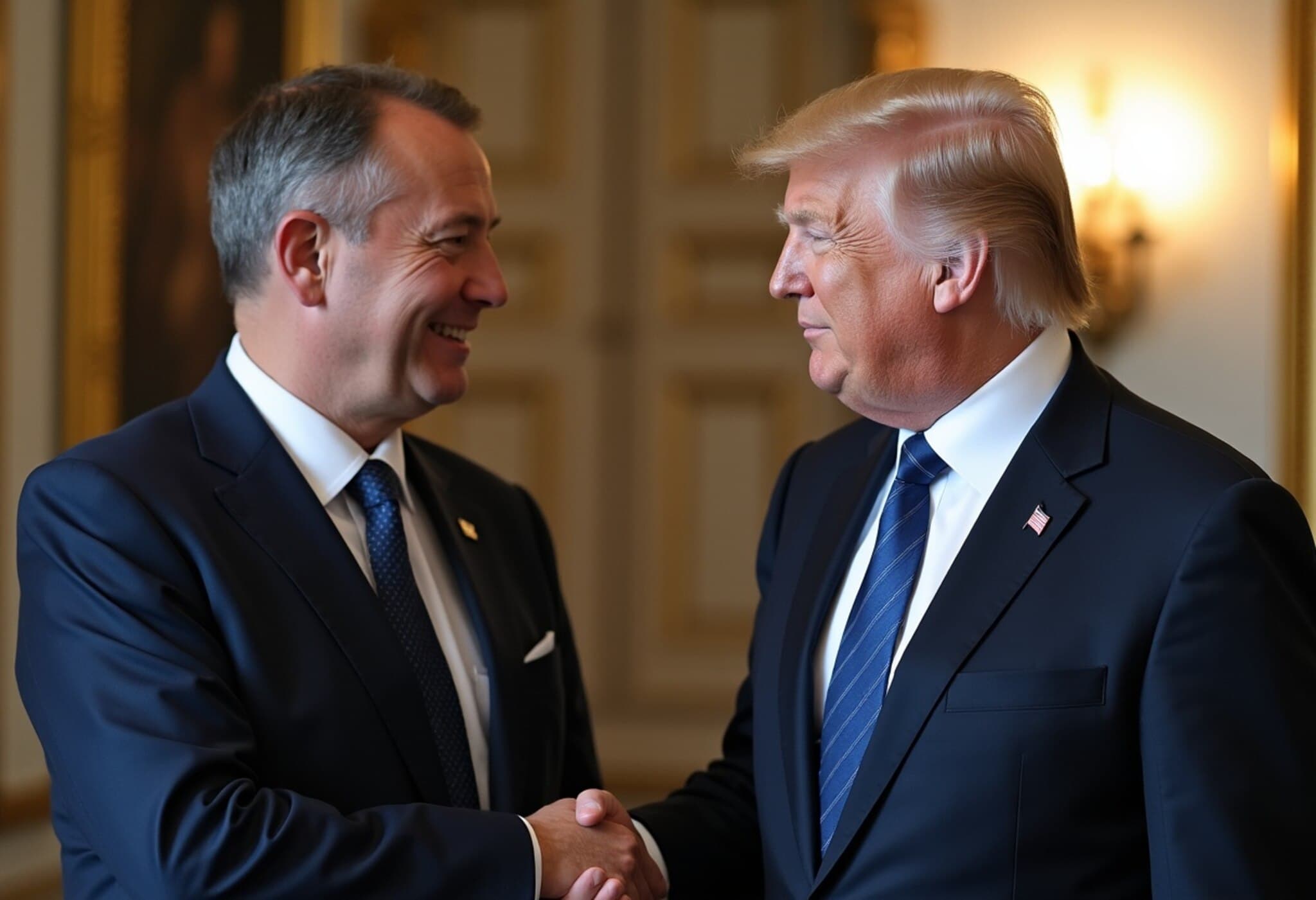
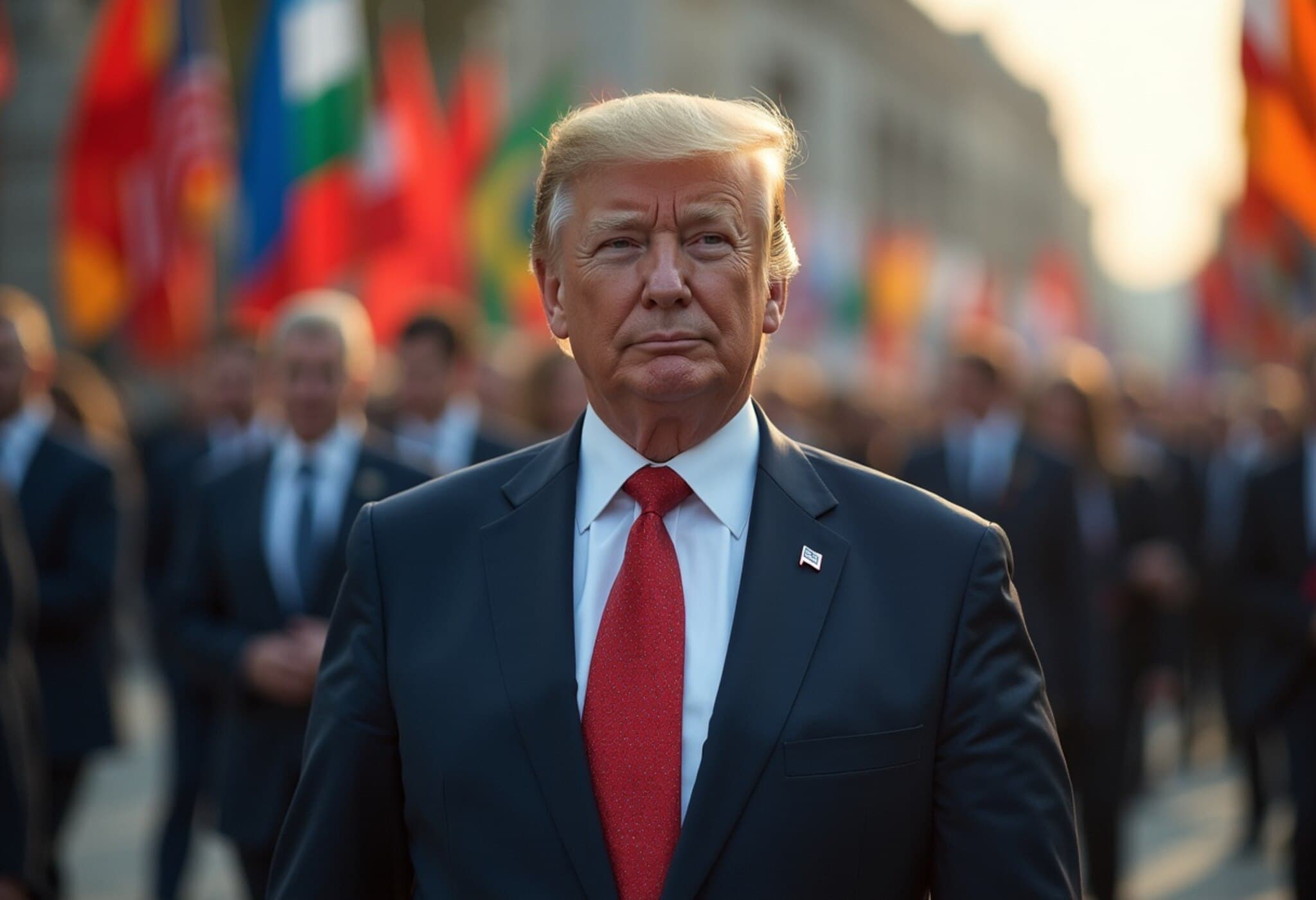
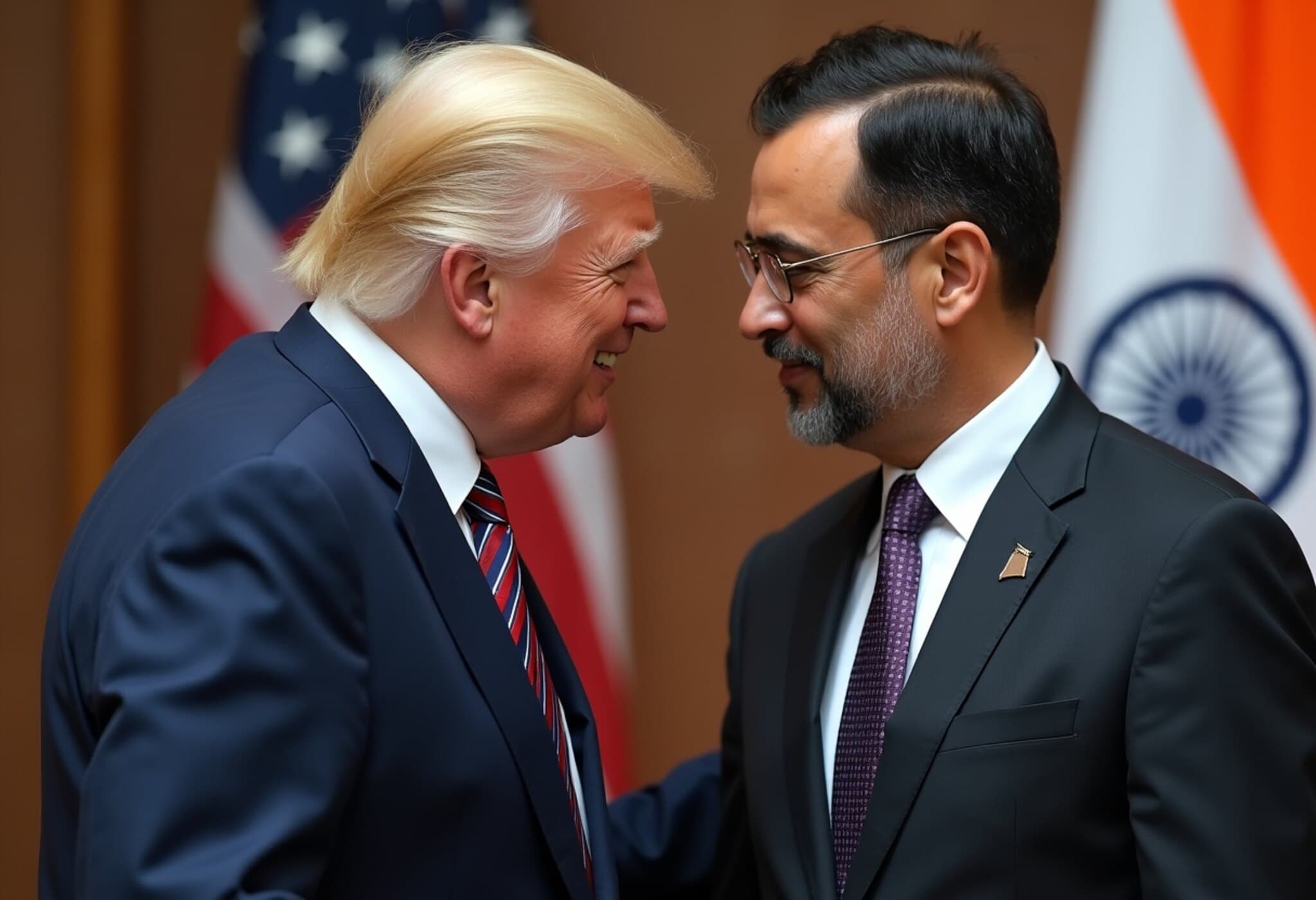
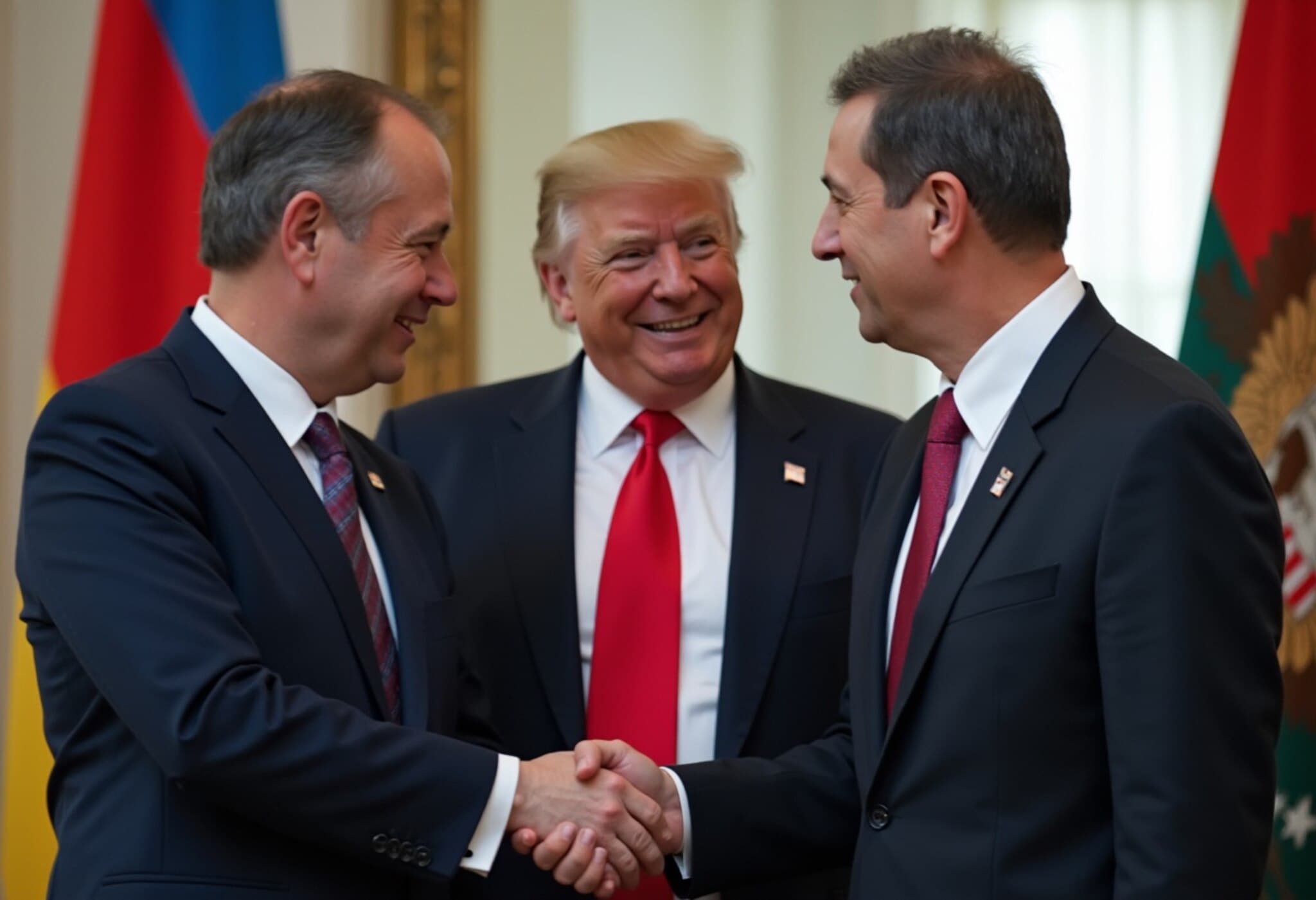
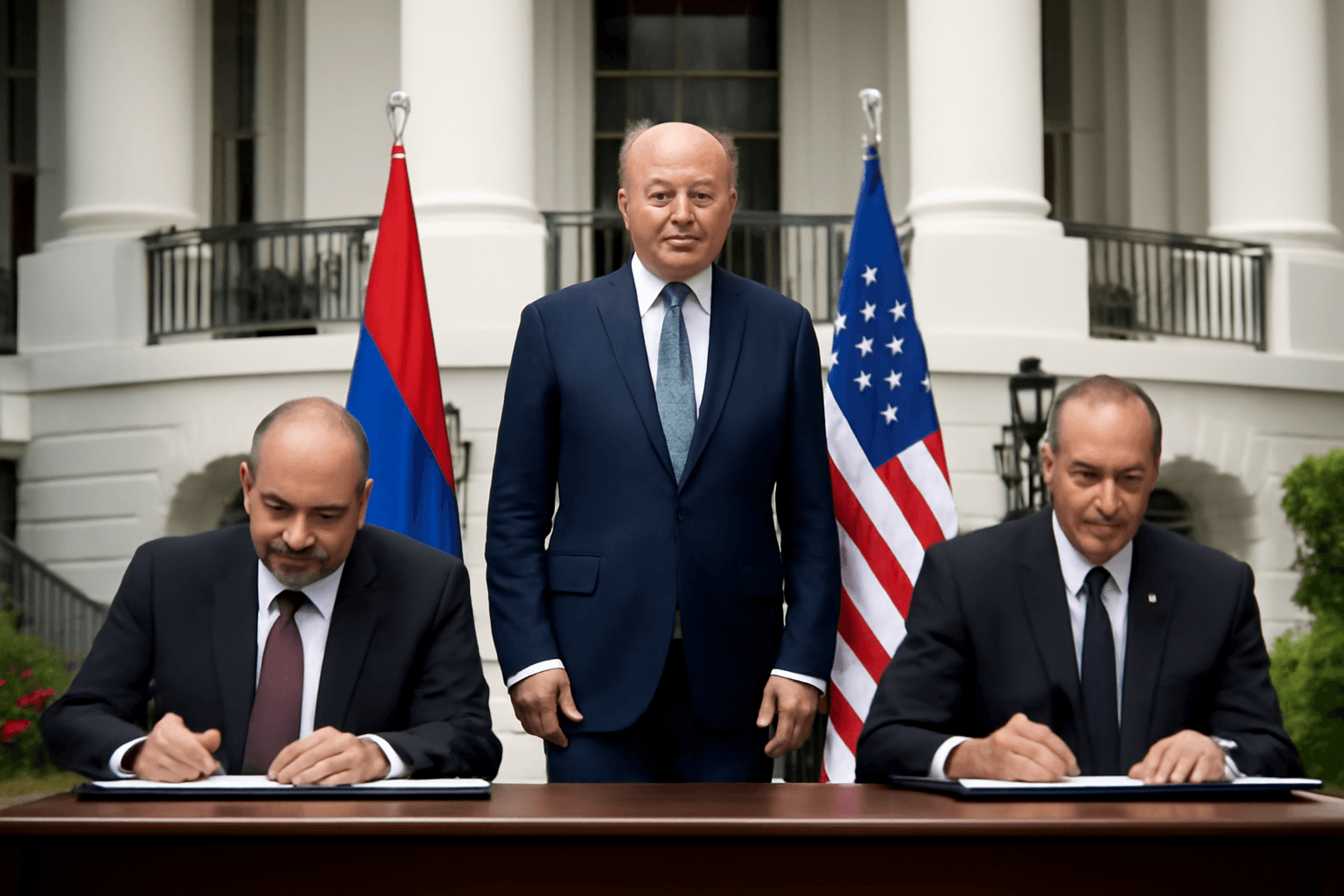
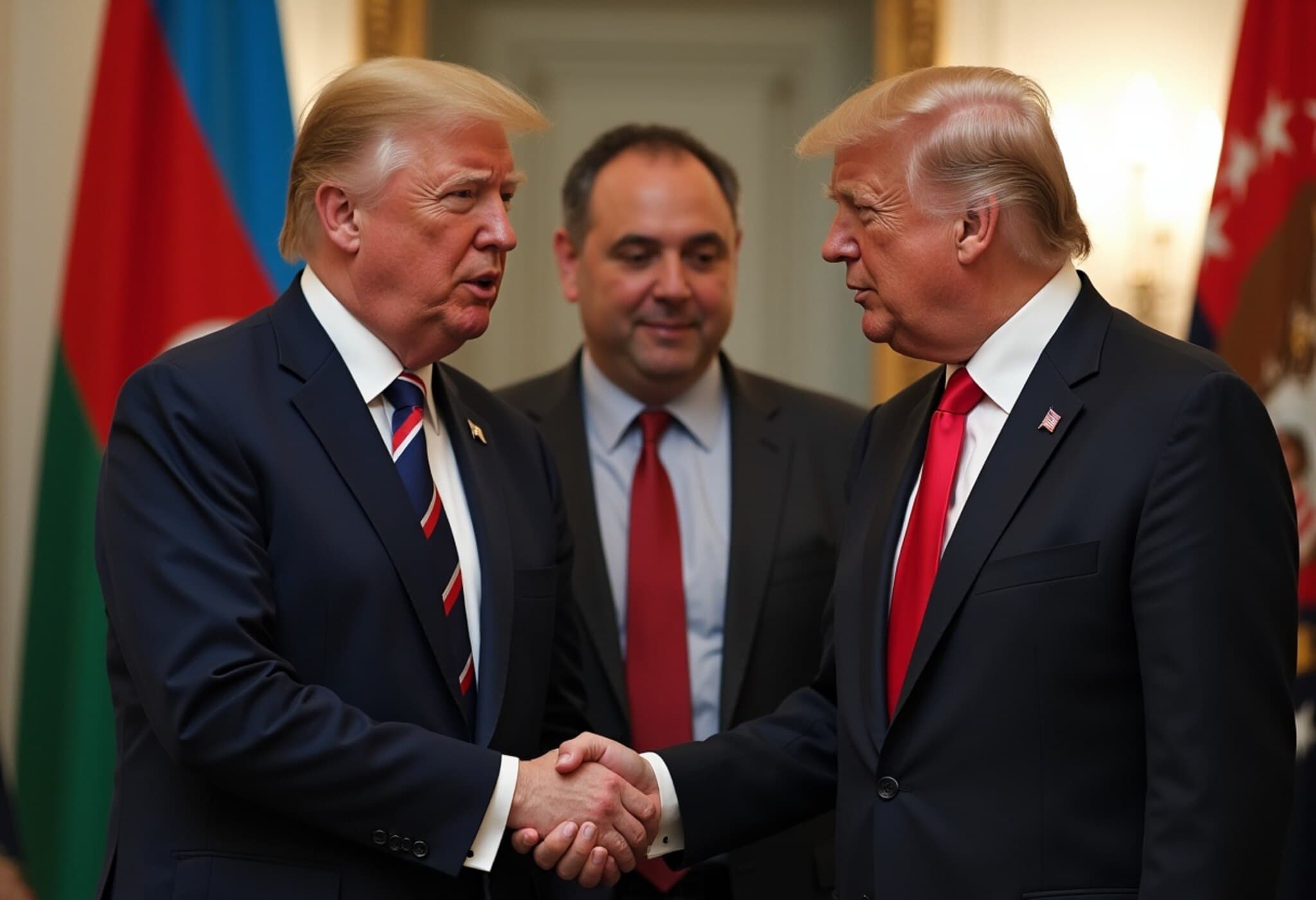
U.S. President Donald Trump welcomed Azerbaijani President Ilham Aliyev and Armenian Prime Minister Nikol Pashinyan to the White House, where the leaders jointly signed the declaration. The optics underscored a rare moment of diplomatic warmth and hope, with Trump emphasizing America’s role in facilitating peace in a geopolitically sensitive region crisscrossed by vital energy pipelines.
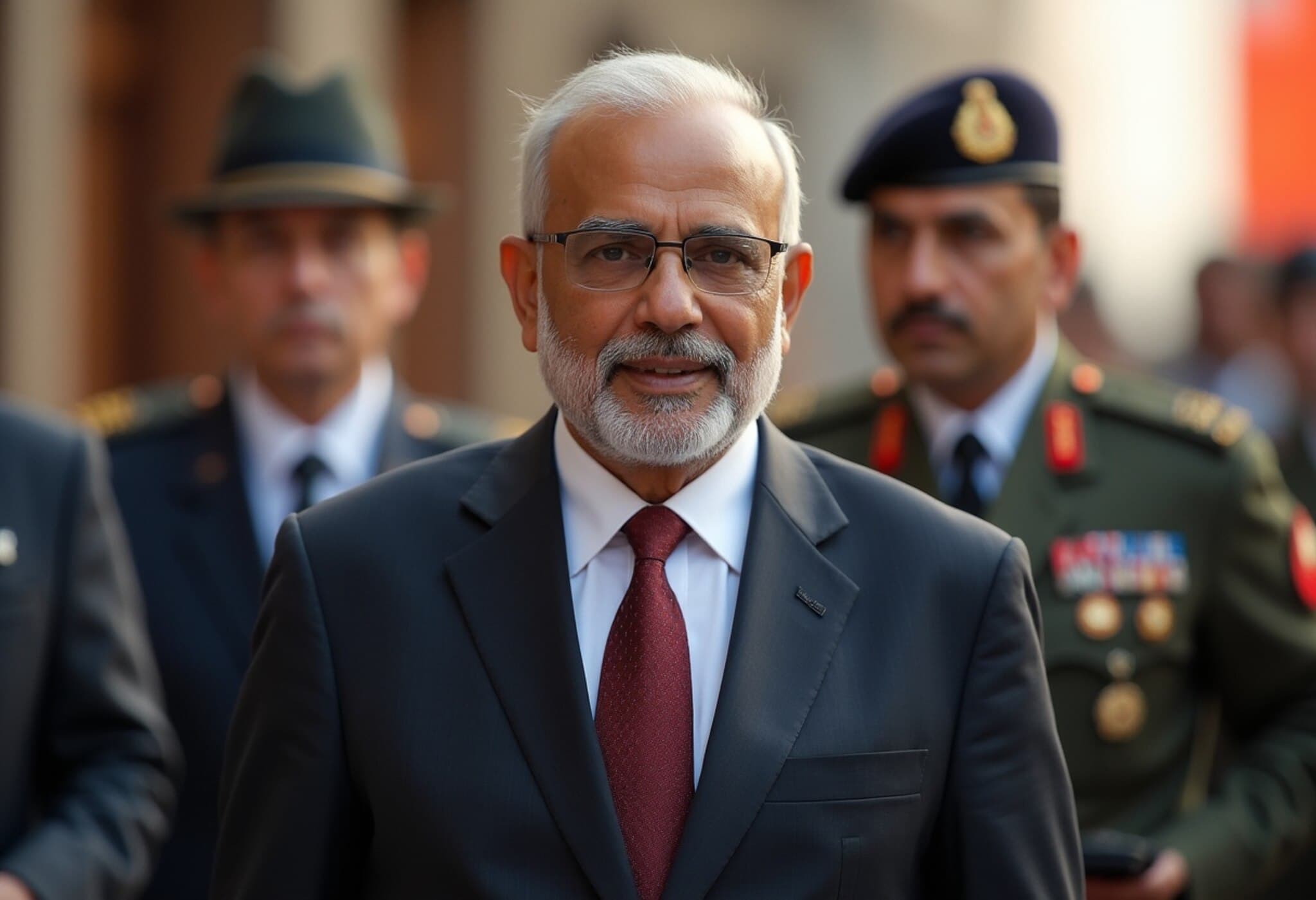
President Aliyev described the summit as a "paradigm shift" in the South Caucasus, highlighting the end of an era defined by hostility. Meanwhile, Prime Minister Pashinyan called the accord a path not only to peace but to enhanced regional connectivity capable of unlocking economic potential.
Complex Regional Dynamics and the Absence of Russia
Notably absent from the summit was Russia, traditionally a key broker and Armenia’s strategic ally, with Russian border guards still present along Armenia's southern frontier with Iran. Moscow expressed cautious support for the agreement but underscored the importance of regional actors—Russia, Iran, and Turkey—in shaping solutions themselves. Iran, aligned with Russia and wary of Western involvement near its borders, welcomed the deal but stressed sensitivity regarding foreign influence.
Turkey, a NATO member and close Azerbaijani ally, warmly endorsed the agreement, indicating broad regional support despite complex alliances. The summit thus reflects a significant realignment of interests and an openness to U.S.-led mediation that Russia traditionally contests.
Outstanding Challenges: Constitutional Amendments and Logistics
While the Washington declaration charts a hopeful path forward, several hurdles remain. Azerbaijan insists Armenia must amend its constitution to remove references to Nagorno-Karabakh, which Azerbaijan regards as an illegal territorial claim. Prime Minister Pashinyan has committed to holding a referendum for constitutional reform, potentially ahead of Armenia’s parliamentary elections scheduled for June 2026.
Joshua Kucera, Senior South Caucasus Analyst at the International Crisis Group, cautions that despite the symbolic significance of the summit, critical details on implementation remain unresolved. These include customs arrangements, security protocols, and the legal framework governing the transit corridor. Armenia’s reluctance to fully relinquish influence in the region and Azerbaijan's wariness of operating under Armenian law could complicate practical collaboration.
Expert Insights: What This Means for Regional Stability
- Economic Potential: Enhanced transport links through TRIPP could revitalize trade routes, expand energy export options, and foster economic interdependence that underpins peace.
- Geopolitical Rebalancing: The U.S.-facilitated peace process sidelines Russia’s traditional role, suggesting a shift in influence dynamics in the South Caucasus.
- Constitutional and Political Sensitivities: Armenia’s internal political process and constitutional reforms will be critical litmus tests for the durability of the peace agreement.
- Security Concerns: Uncertainty over border security and corridor management poses risks to the agreement’s implementation and regional stability.
Looking Ahead: A Fragile but Hopeful Peace
Elin Suleymanov, Azerbaijan’s Ambassador to the United Kingdom, expressed optimism that the era of enmity between the two nations is closing, signaling the prospect of enduring peace, accompanied by regional prosperity and improved transport links. He emphasized that Azerbaijan is poised to finalize a full peace agreement once Armenia fulfills its constitutional obligations.
While the joint declaration is an encouraging milestone, the coming months will demand persistent diplomatic engagement, political will, and regional cooperation to translate hope into reality. The international community and regional stakeholders alike will be watching closely to see whether this accord can withstand the complexities that have historically rendered peace elusive.
Editor’s Note:
The Armenia-Azerbaijan peace agreement signed in Washington represents a rare breakthrough in a conflict that has shaped South Caucasus geopolitics for decades. However, the path forward is precarious. Observers should watch Armenia’s constitutional reforms and the detailed frameworks of corridor management closely, as these will determine whether this diplomatic milestone leads to lasting peace or descends back into instability. Moreover, the sidelining of Russia and emergence of U.S.-led mediation signals shifting power balances with implications for U.S.-Russia relations in the region.
As analysts and policymakers assess this development, the underlying question remains: Can commerce and cooperation truly overcome entrenched ethnic and territorial grievances? This agreement offers a rare, tangible chance to find out.