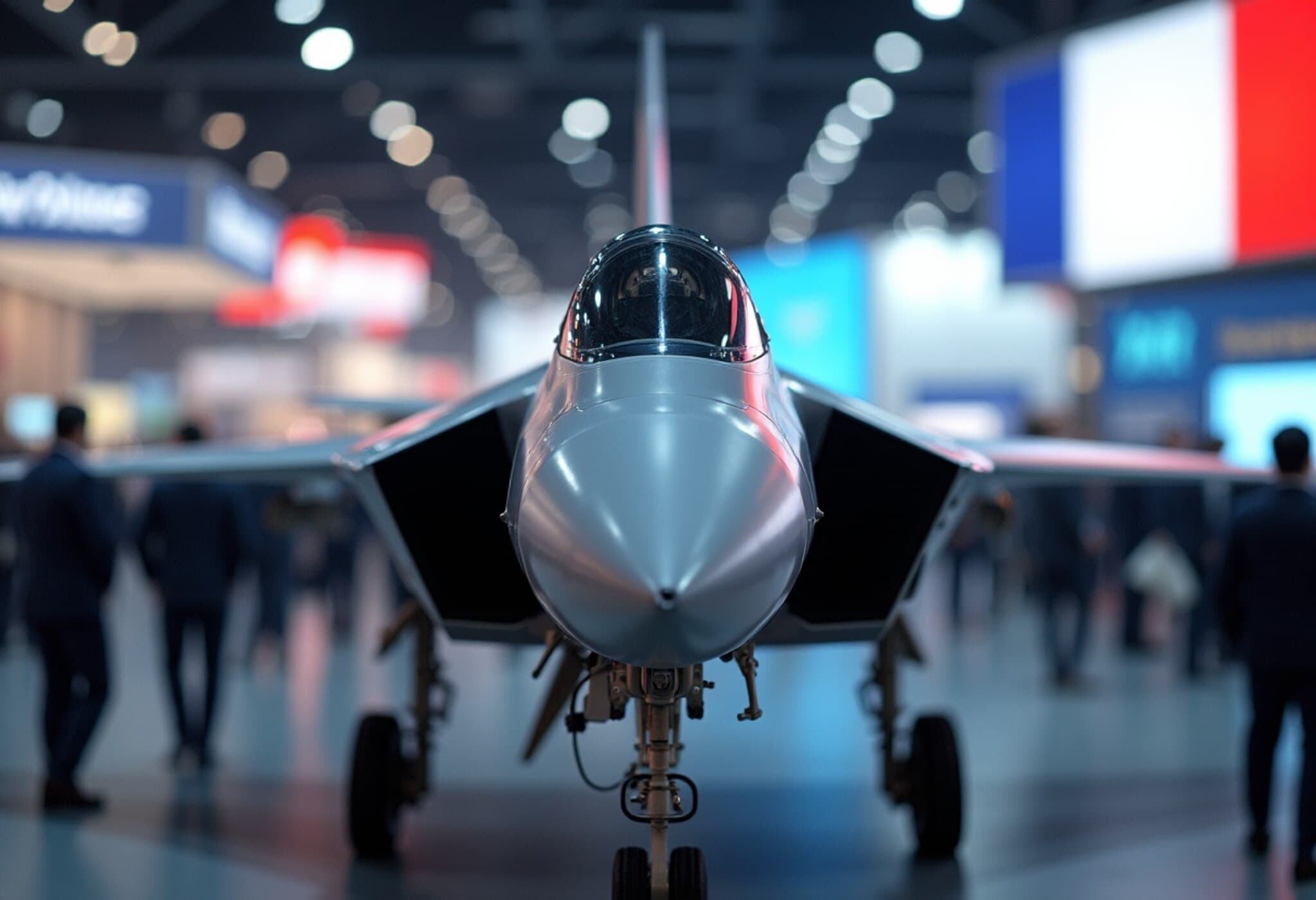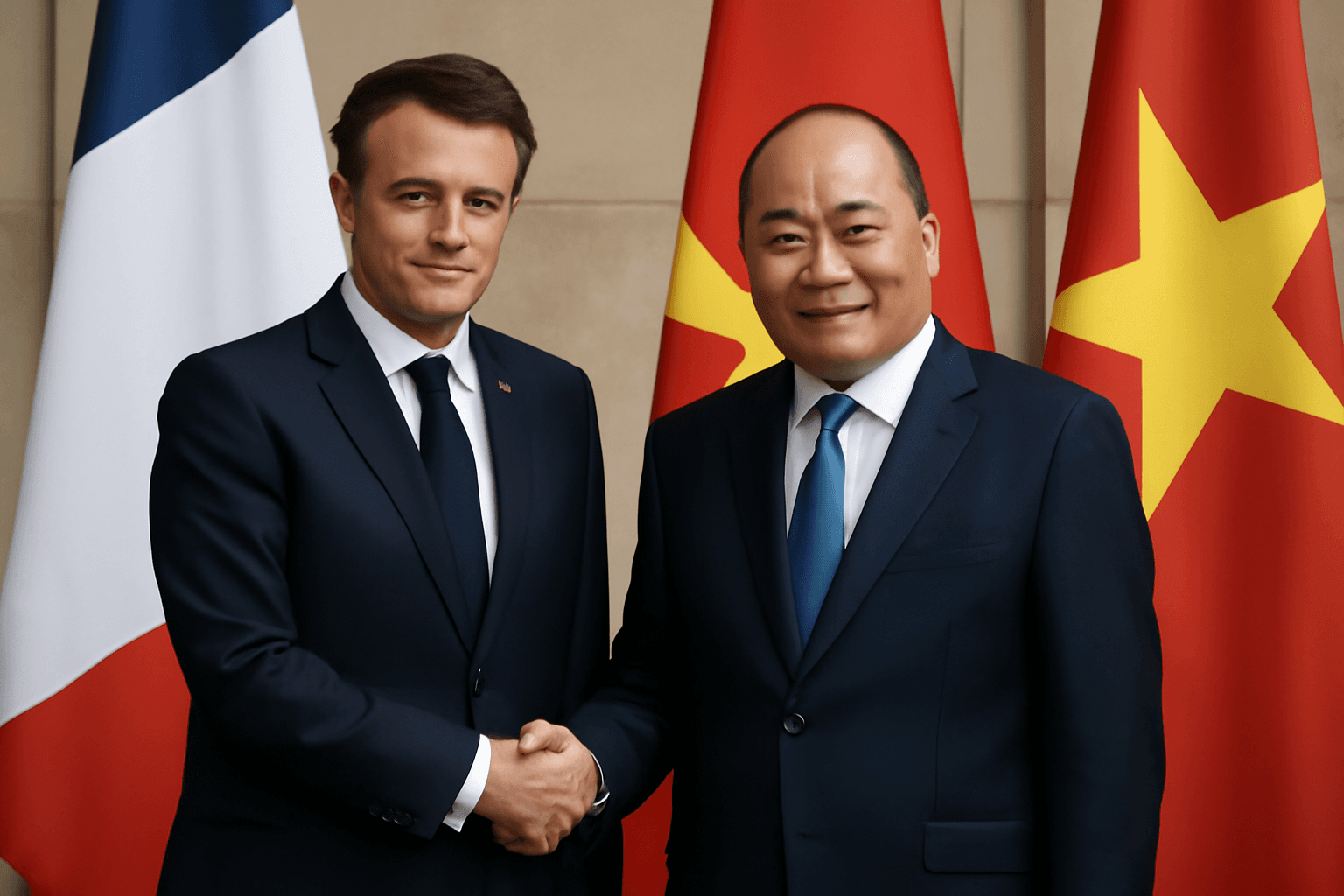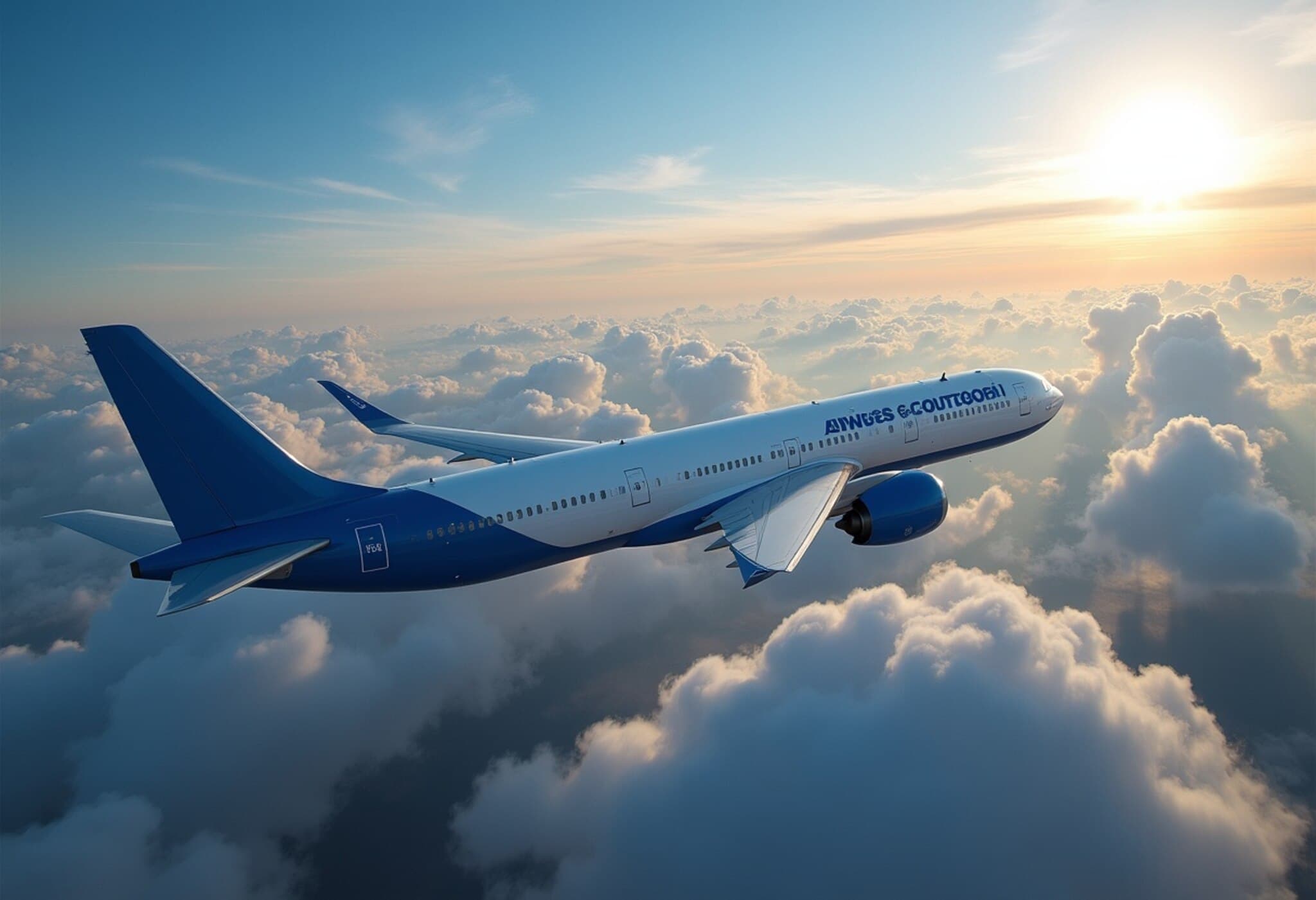
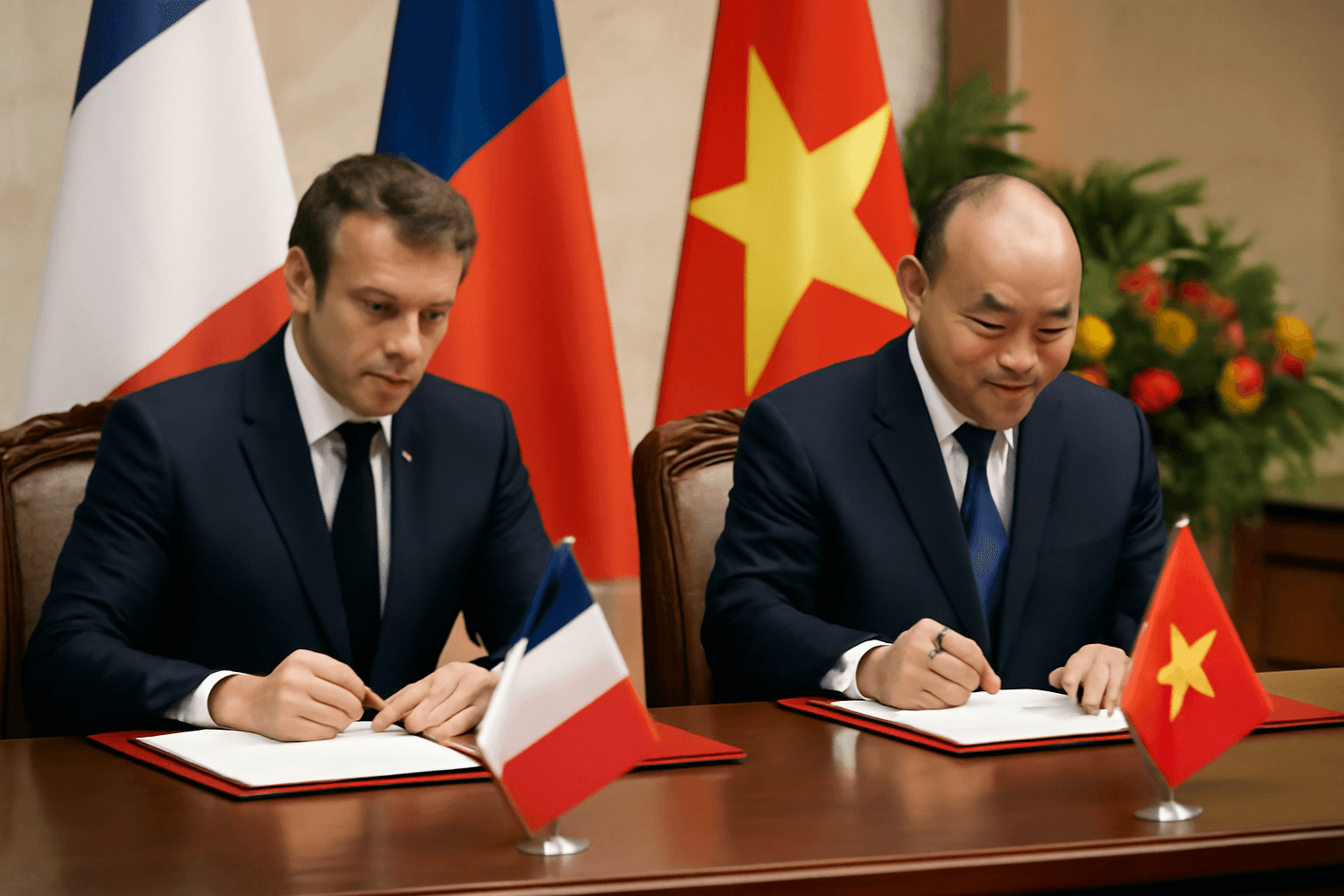
On May 26, 2025, France and Vietnam solidified their bilateral relations with the signing of a significant agreement for 20 Airbus aircraft during President Emmanuel Macron's official visit to Hanoi. This visit was marked by multiple agreements encompassing nuclear energy, railway systems, satellite collaborations, and vaccine distribution.
Macron’s trip, his first formal visit to Vietnam since taking office, comes at a time of heightened tension between the European Union and the United States. President Trump’s recent threats of imposing 50% tariffs on EU products have prompted Vietnam to recalibrate its trading strategy, focusing on American goods to stave off potential economic repercussions.
The agreements established during Macron's visit included not only the aircraft purchase but also collaborative projects in nuclear energy, transportation infrastructure, satellite technology via Airbus, and healthcare partnerships with the pharmaceutical firm Sanofi. In a press conference, Macron reiterated France’s commitment to maintaining freedom of navigation, a significant issue for Vietnam amid its ongoing territorial disputes with China in the South China Sea.
Macron emphasized a robust defense partnership, highlighting joint initiatives aimed at enhancing cooperation in defense, cybersecurity, and counter-terrorism efforts. Vietnam's President Luong Cuong noted that this collaboration would involve sharing strategic information and bolstering the defense manufacturing sector.
The historical context of the Franco-Vietnamese relationship dates back to 1954, when France's colonial rule in Vietnam ended. Despite past conflicts, relations have progressively improved over the years, achieving an upgraded status last year.
During this Southeast Asian tour, which also includes stops in Indonesia and Singapore, Macron is scheduled to visit a university in Hanoi before proceeding to Jakarta. The Airbus agreement is particularly notable as it reinforces Airbus's position as the primary jet supplier for Vietnam, constituting 86% of the nation's aircraft fleet, according to Cirium aviation analytics.
Additionally, a separate accord was reached for cooperation on earth-observing satellites, replacing Vietnam’s existing satellite, which was launched in 2013. Amid ongoing economic strategies, Vietnam has hinted at acquiring around 250 Boeing planes to balance its trade relationship with the United States while seeking to maintain its strong ties with the EU and avoid compromising those interests during negotiations with Washington.