
Germany's Chancellor Friedrich Merz Makes His Debut Visit to London Amid Renewed Post-Brexit Relations
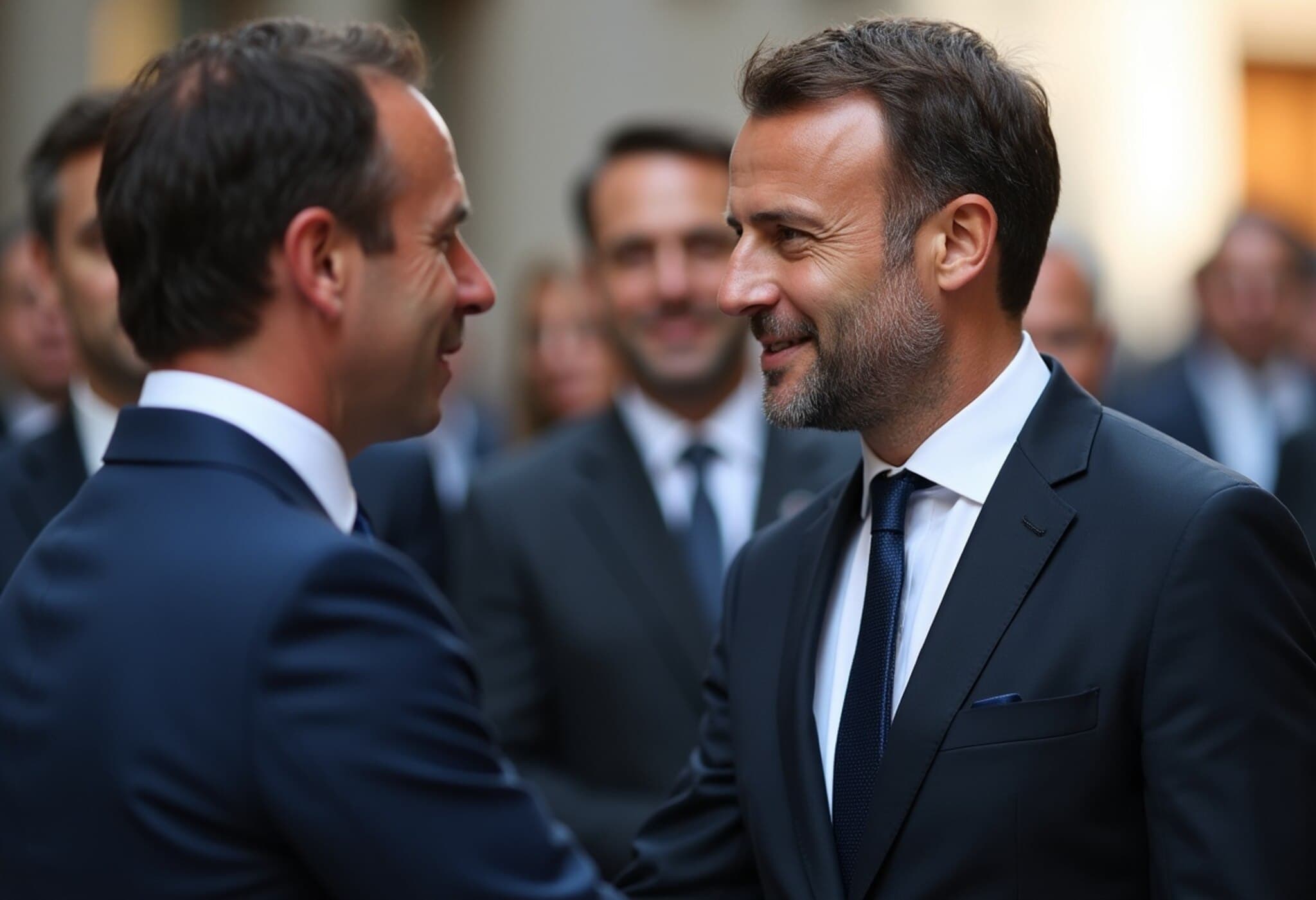
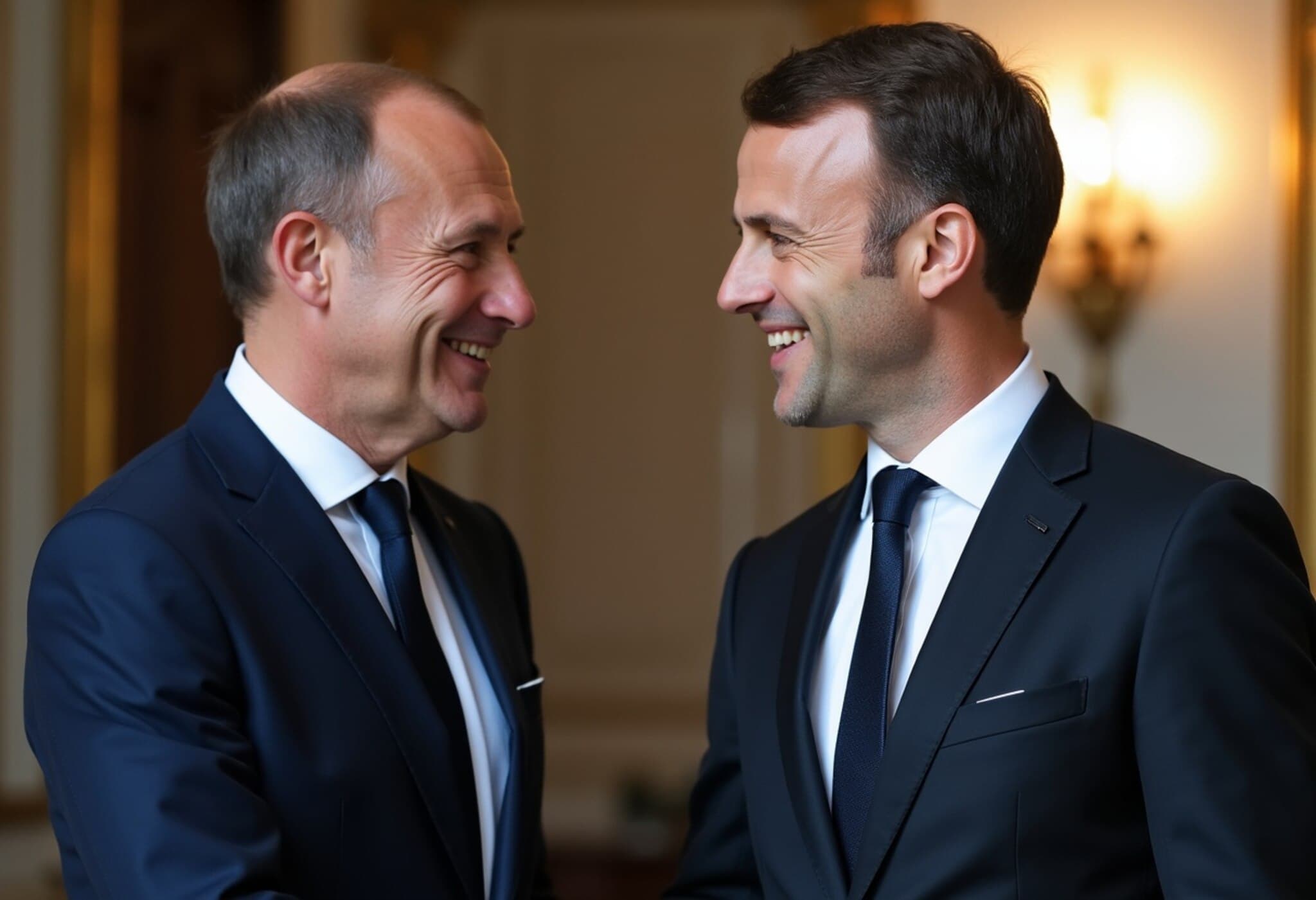
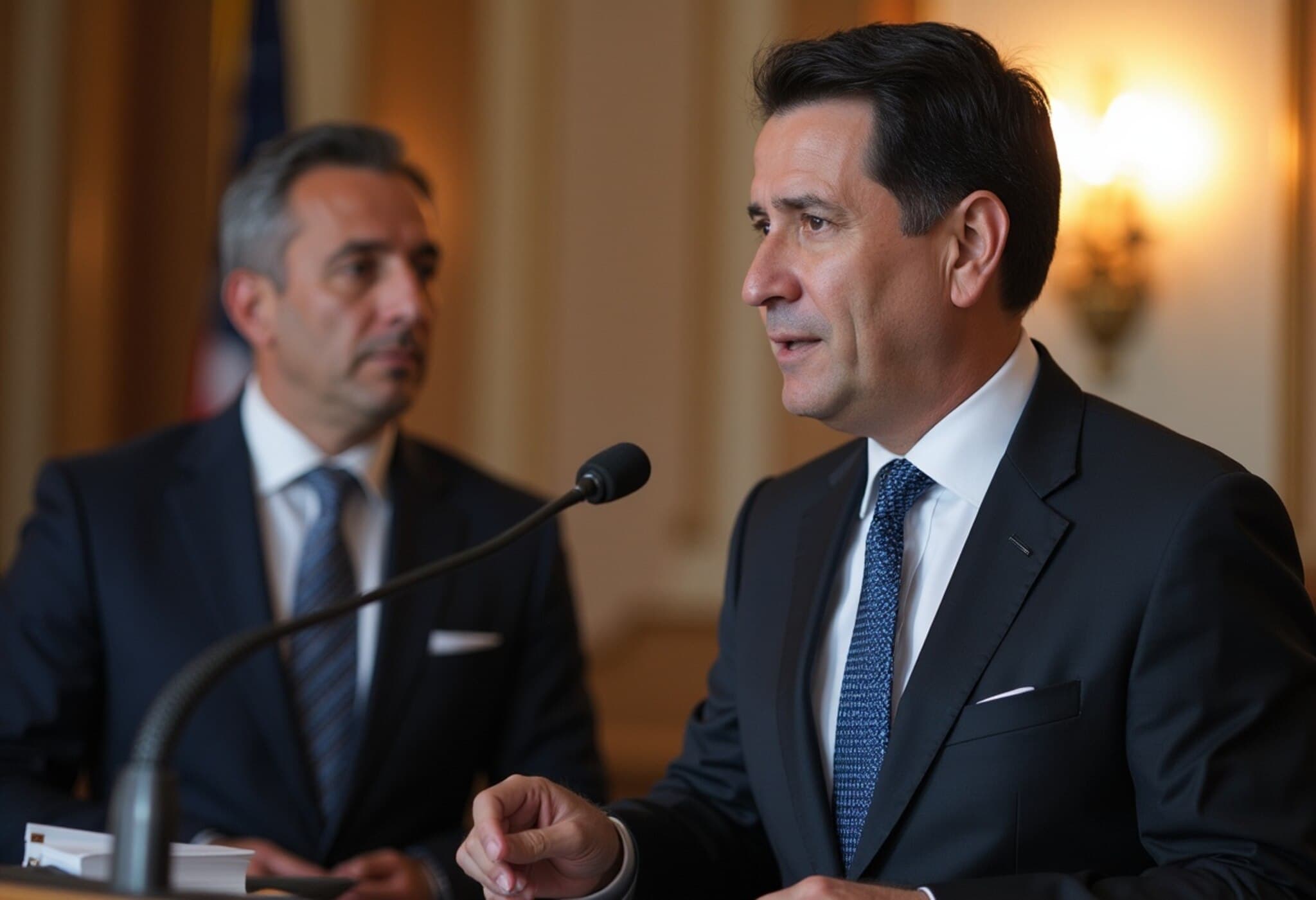
In a significant diplomatic gesture marking a fresh chapter in UK-German relations post-Brexit, German Chancellor Friedrich Merz arrived in London on July 17, 2025, to sign a landmark “friendship treaty” with UK Prime Minister Keir Starmer. This marks Merz's first official trip to the UK since taking office in early May, although the two leaders had previously met during a joint visit to Ukraine.
A Renewed Partnership Rooted in Shared Challenges
The new bilateral treaty is crafted to deepen cooperation across multiple spheres, most notably defence and security, at a time when geopolitical tensions are reshaping Europe’s strategic landscape. The pact underscores a shared understanding that “there is no strategic threat to one which would not be a strategic threat to the other,” committing both nations to mutual assistance including military support in case of armed aggression.
While both countries have been longstanding NATO allies, this treaty aims to enhance defence collaboration beyond existing frameworks. It envisions joint development of advanced weaponry, including strike missile systems with ranges surpassing 2,000 kilometres, slated for deployment within the next decade. The agreement also details plans to increase UK defence exports to Germany, featuring equipment like Boxer armoured vehicles and Typhoon fighter jets.
Contextualizing the Visit: Post-Brexit Mending and European Security
This visit follows a recent state trip from French President Emmanuel Macron, the first by an EU leader to the UK since Brexit, signaling a broader European effort to normalize and invigorate relations that were strained by the UK’s EU departure five years ago.
German Foreign Minister Johann Wadephul, accompanying Chancellor Merz, is set to meet UK Foreign Secretary David Lammy, aiming to build on the renewed spirit of cooperation.
A German government official described the current trajectory as a significant improvement from the “traumatic” Brexit period, emphasizing that administrative and cultural ties are being actively strengthened. For instance, the treaty includes provisions for simplifying border protocols for school exchanges, promoting people-to-people contact.
Tackling Migration and Expanding Scientific Collaboration
One of the critical domestic challenges addressed in the agreement pertains to irregular migration. Both governments have prioritized measures to thwart illegal crossings and human smuggling, particularly in the English Channel. Germany is expected to amend legislation by year-end criminalizing facilitation of illegal migration, targeting facilities used by smugglers to conceal small boats. This focus complements UK efforts to tighten border controls and reflects a shared commitment to border security.
Beyond security, the treaty also pledges enhanced cooperation in cutting-edge fields such as artificial intelligence and other strategic technologies, positioning UK-Germany scientific collaborations as a critical axis for innovation in Europe.
Economic and Infrastructure Initiatives Signal Deeper Integration
The establishment of a UK-Germany Business Forum will serve as a platform for fostering bilateral trade and investment, with several German corporations preparing to announce significant new investments in the UK concurrent with the treaty signing.
On infrastructure, the two nations have committed to improving rail connectivity. Plans shared by Eurostar for a future direct London-Frankfurt route, expected to launch in the early 2030s, exemplify efforts to physically bridge the post-Brexit divide.
Expert Analysis: What This Means for the Future of UK-German Relations
From a policy analyst perspective, Merz’s visit and the treaty symbolize a pragmatic pivot toward partnership over division. After years of uncertainty induced by Brexit, economic and security challenges—along with shared concerns about Russian aggression and migration—have underscored the necessity of closer UK-EU collaboration, especially with key players like Germany and France.
Furthermore, the treaty may encourage similar bilateral agreements within Europe, as nations seek to bolster their defence autonomy and innovation capacities amid fluctuating geopolitical alliances. The UK’s engagement here signals a strategic effort to maintain influence on the continent despite EU exit, carving out new roles in defence and technology sectors.
Editor’s Note
This milestone visit by Chancellor Merz highlights how geopolitical and economic imperatives can transcend historical ruptures like Brexit. As UK-German relations evolve, critical questions arise: Will this treaty pave the way for a broader realignment within Europe? How will it influence the UK’s role in NATO's eastern defence strategy? And, importantly, can cooperation on migration provide a blueprint for managing complex humanitarian and security challenges? As these developments unfold, stakeholders in politics, business, and civil society will be watching closely for signs of deeper integration or potential friction. This new chapter, marked by warmth and pragmatism, offers a beacon for what post-Brexit collaboration can look like in practice.