
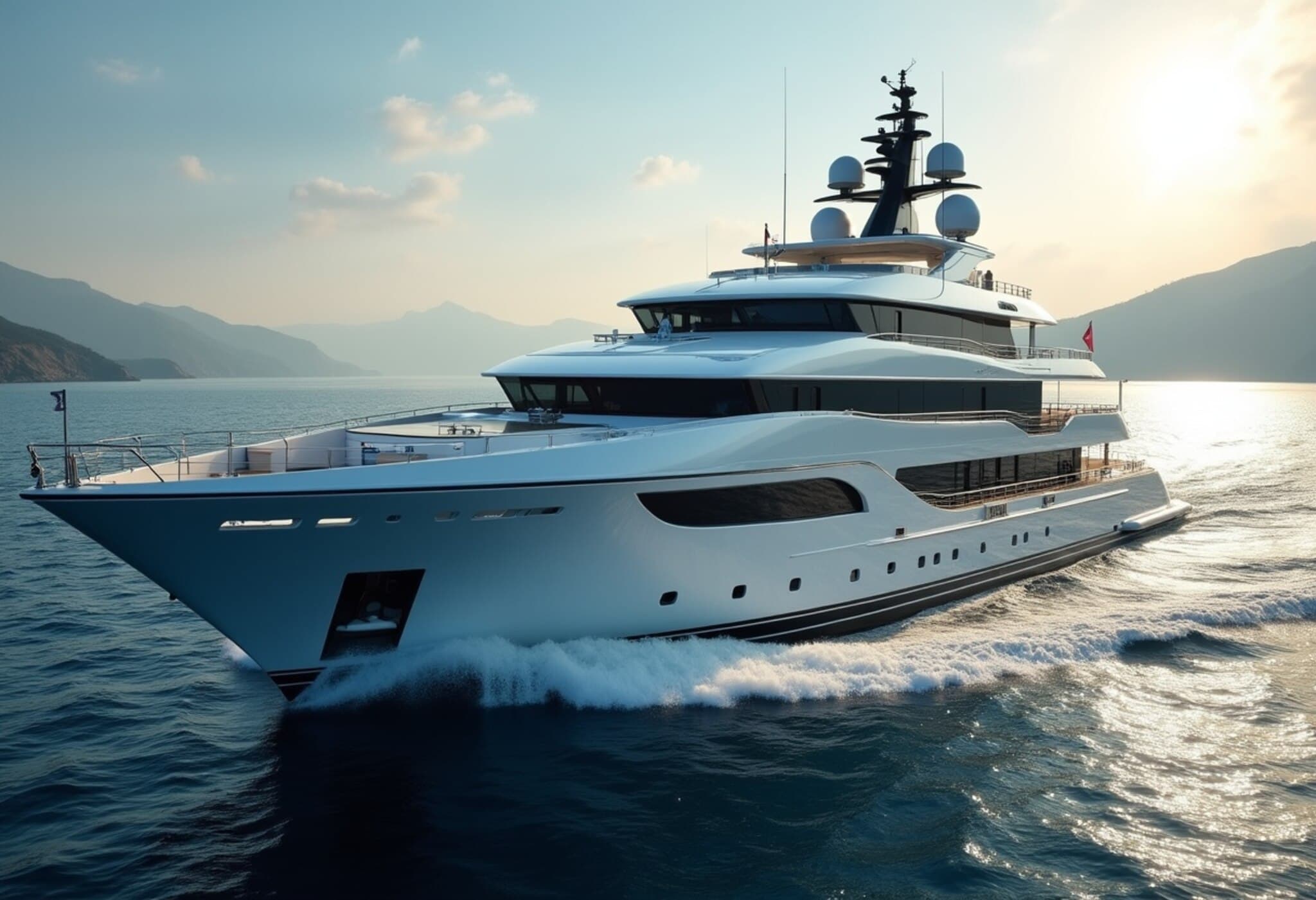
Introduction: The New 15% European Tariffs Shake Up the Yacht Market
In a recent development set to reverberate through the luxury boating sector, President Donald Trump announced new trade measures imposing a 15% tariff on European-made yachts. Given that Europe is home to the world’s premier recreational boat builders and the United States houses many of the top buyers, market insiders are closely watching the unfolding impact.
What the Tariffs Mean for the Transatlantic Yacht Trade
The European Boating Industry, which counts the U.S. as its most significant export market, expressed immediate concern. Their official statement highlighted the serious challenges that these tariffs pose to European shipyards, signaling potential shifts in trade flows and pricing models.
On the American side, while high-net-worth individuals who can purchase yachts priced between $10 million and $100 million might absorb the sticker shock, brokers and attorneys alike suggest this new 15% cost could influence purchasing decisions and negotiation dynamics.
Industry Voices: Smart Buyers and Strategic Moves
Kevin Merrigan, Chairman of yacht brokerage Northrop & Johnson, emphasized a practical truth: “I don’t know any stupid rich people. What matters to them matters. If they hear they’re going to have to spend another 15%, it has an impact.” This underscores the nuanced cost-benefit calculations even ultra-wealthy buyers weigh.
The process for yacht sales is complex—most contracts stipulate builders pay duties, but legal experts warn the new tariffs probably won’t be covered by existing duty agreements. Thus, buyers may bear a significant share of the added costs.
Finding Loopholes: How Yacht Owners Plan to Circumvent Tariffs
Wealthy yacht buyers are already strategizing to sidestep these costs. The primary workaround involves registering yachts under foreign flags — a practice known as “foreign flagging.” By registering a yacht in jurisdictions like the Cayman Islands, the Marshall Islands, Malta, or Jamaica, owners can effectively consider their vessels as visiting rather than imported, thereby potentially avoiding the tariff.
- Registering abroad typically costs between $5,000 and $20,000.
- Foreign flagging requires navigating safety, cruising permits, and legal compliance.
- Maritime attorney Michael Moore explains: “If it’s never technically imported and never crosses customs, the tariff doesn’t apply.”
This strategy is most financially sensible for the larger yachts, often over 45 feet. Smaller boats may still face the tariffs, suggesting a growing divide within the luxury boating community between “have-yachts” and “have-superyachts” with more flexibility.
Domestic Yacht Industry Poised for Potential Gains
Interestingly, the tariff landscape may prove a boon for American yacht builders like Westport, Trinity, and Burger Boat Company. With European yachts facing higher costs in the U.S. market, demand could shift toward homegrown brands.
Moreover, preowned yacht sales—currently experiencing a lull after a post-pandemic boom—might see revitalization as buyers seek more cost-efficient, tariff-free options.
Kevin Merrigan encapsulates this hope: “That’s what we’re all hoping—that this turbulence could create new opportunities for U.S. manufacturers and preowned yacht sellers.”
Broader Implications and Policy Context
This tariff move illustrates the intricacies of global trade politics where high-net-worth consumers navigate new tax landscapes with agility. It raises broader questions about:
- How trade policies shape luxury goods markets and consumer behavior.
- The effectiveness and enforcement challenges of tariffs on intangible luxury consumption.
- Potential ripple effects on related industries like marine services, tourism, and yacht maintenance.
From a U.S. policy perspective, the tariffs reflect an emphasis on protecting domestic manufacturing but also spotlight the delicate balance between economic nationalism and the globalized nature of luxury markets.
Editor’s Note
The imposition of a 15% tariff on European yachts offers a compelling case study in how wealthy consumers and industries respond to trade policy shifts. While some American buyers absorb the cost or seek pragmatic workarounds like foreign flagging, others may pivot towards domestic builders, reshaping market dynamics. This evolving scenario invites closer scrutiny of trade impacts on luxury sectors and raises a timely question: In an era of globalization, how sustainable are protectionist tariffs in curbing cross-border consumption of high-value goods?