PM Modi's Diplomatic Outreach in Maldives Highlights Renewed Bilateral Ties
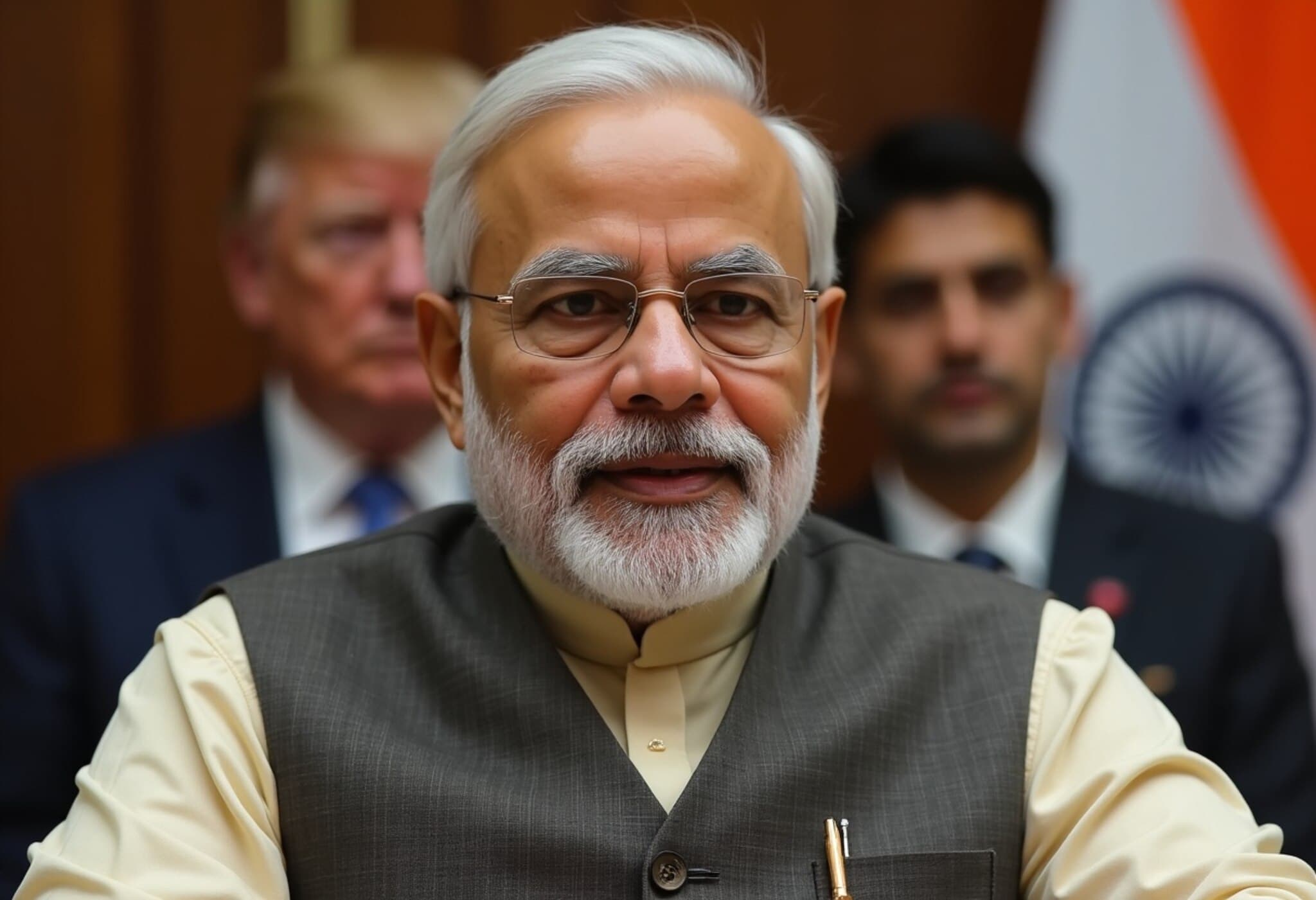
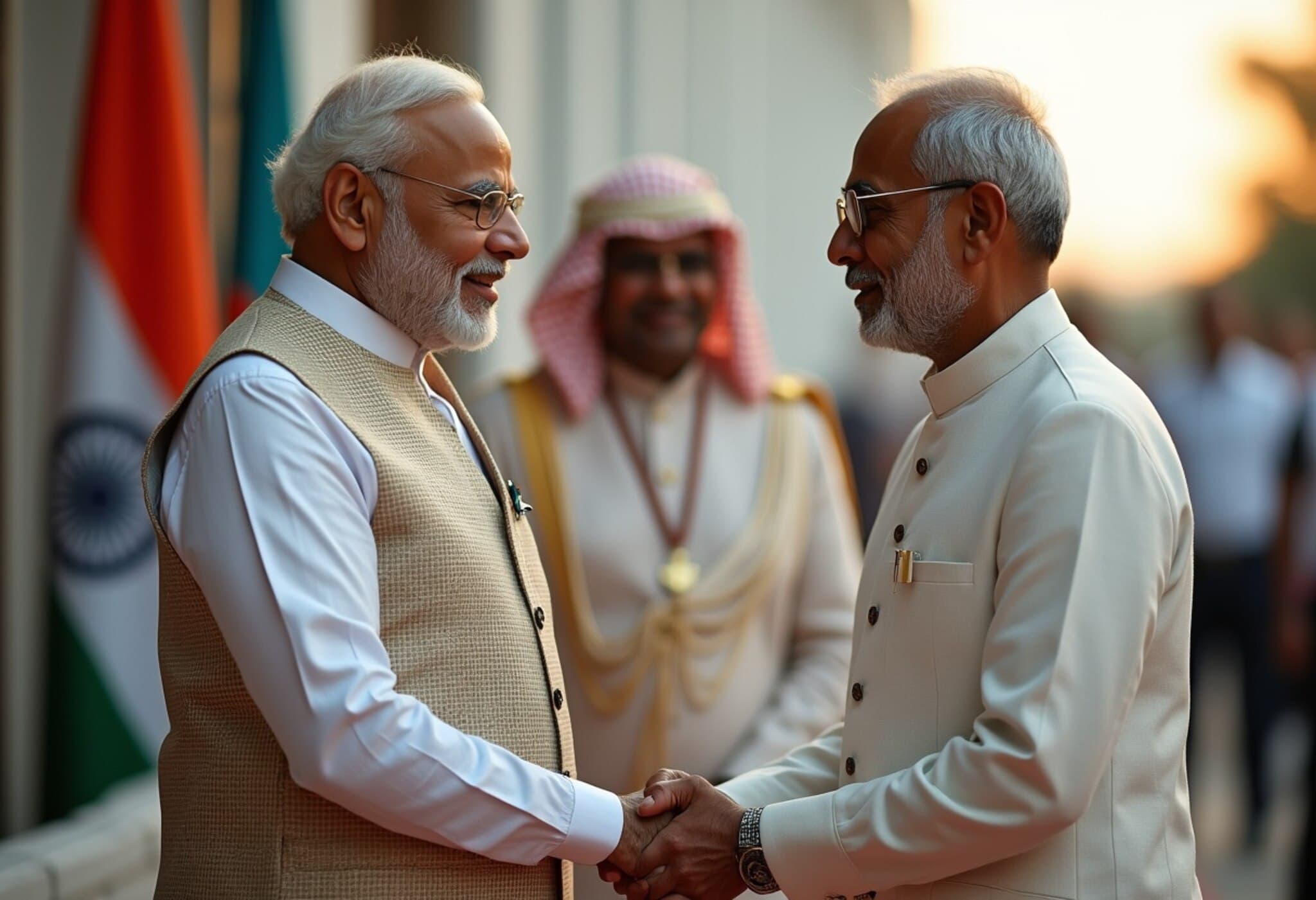
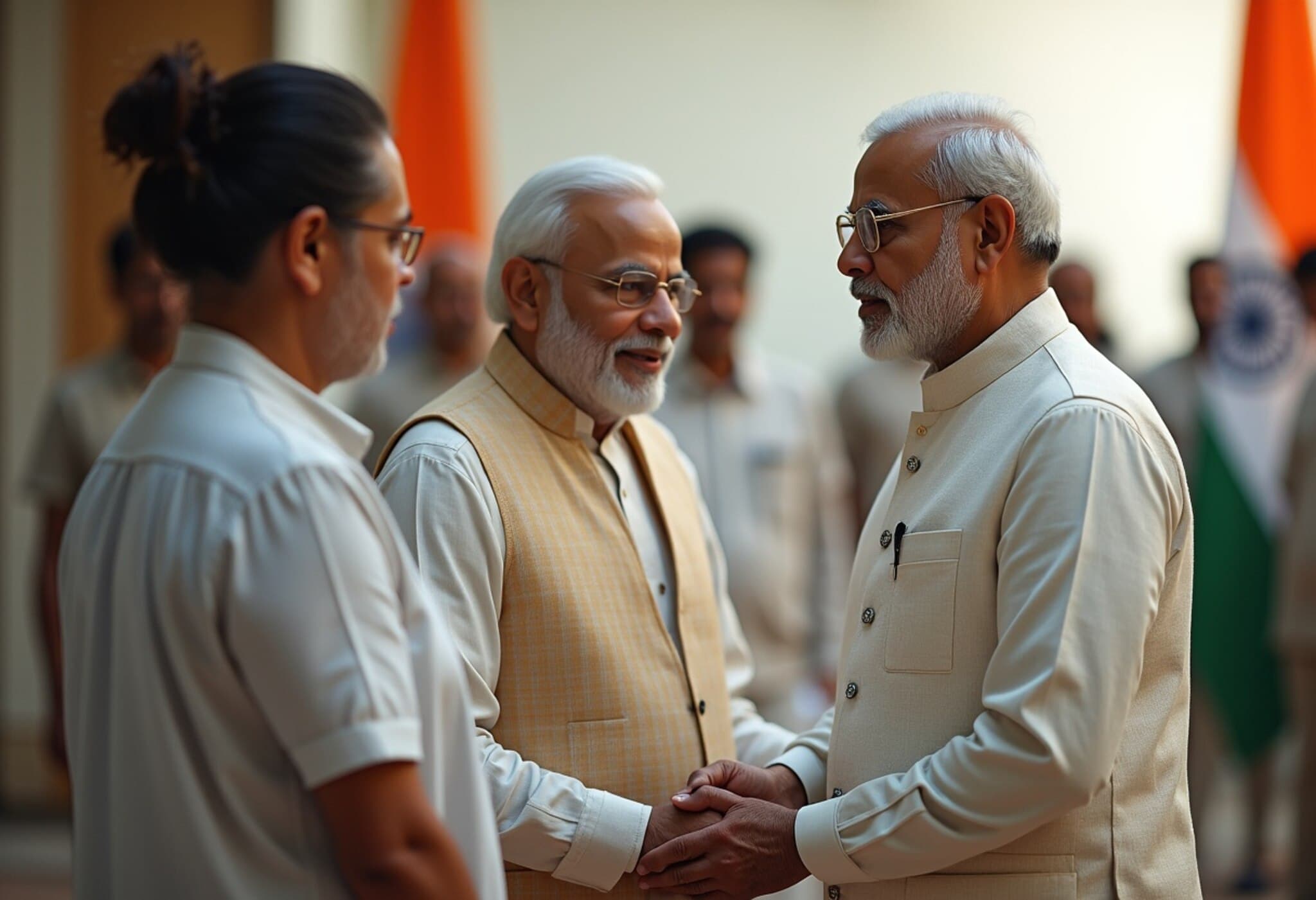
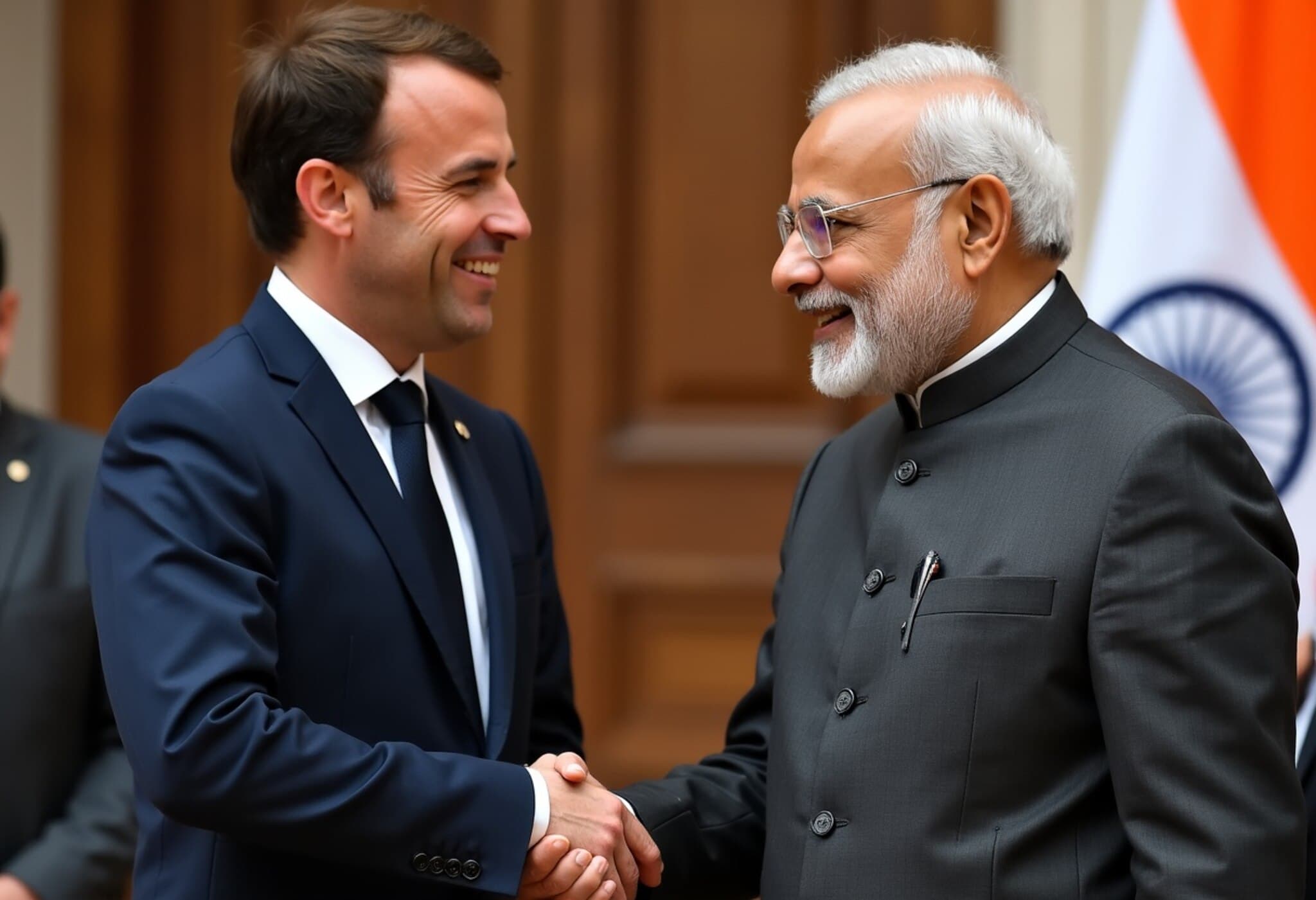
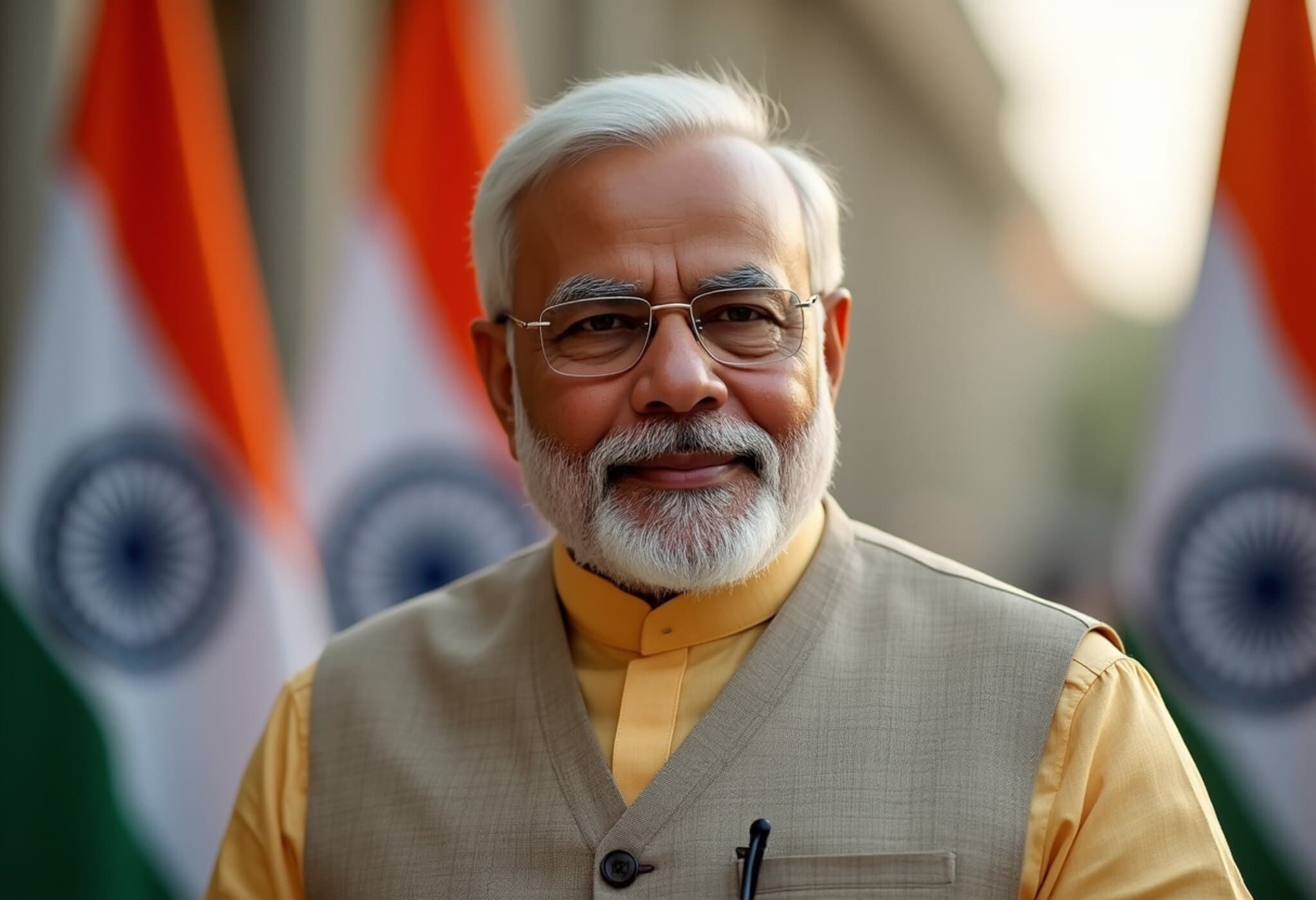
On July 26, 2025, Indian Prime Minister Narendra Modi deepened diplomatic engagement in the Maldives, meeting prominent Maldivian leaders, including former President Mohamed Nasheed, Vice President Uz. Hussain Mohamed Latheef, and Speaker of the People’s Majlis Abdul Raheem Abdulla. This initiative comes amid a strategic effort to reinforce India’s 'Neighbourhood First' policy and the Mahasagar vision, aiming to foster connectivity and cooperation across the Indian Ocean region.
Building Bridges With Former President Nasheed
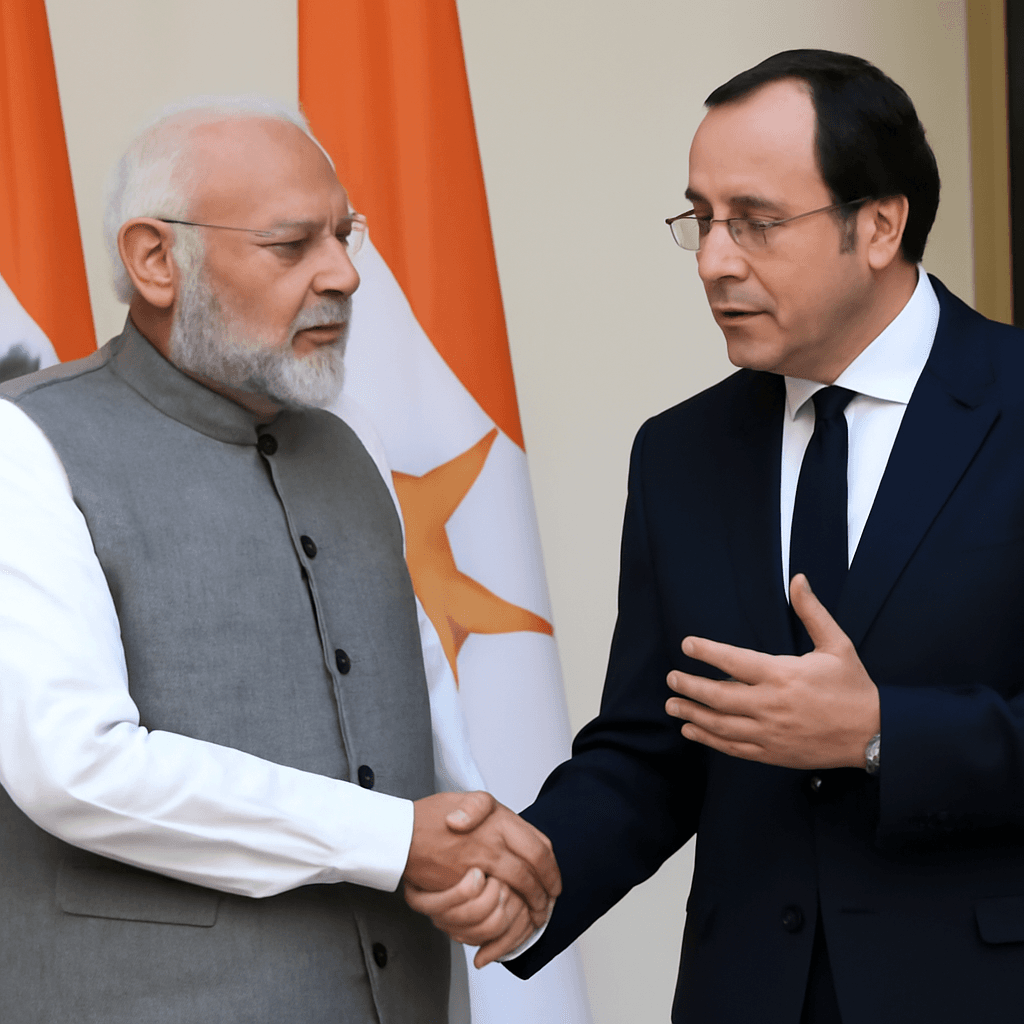
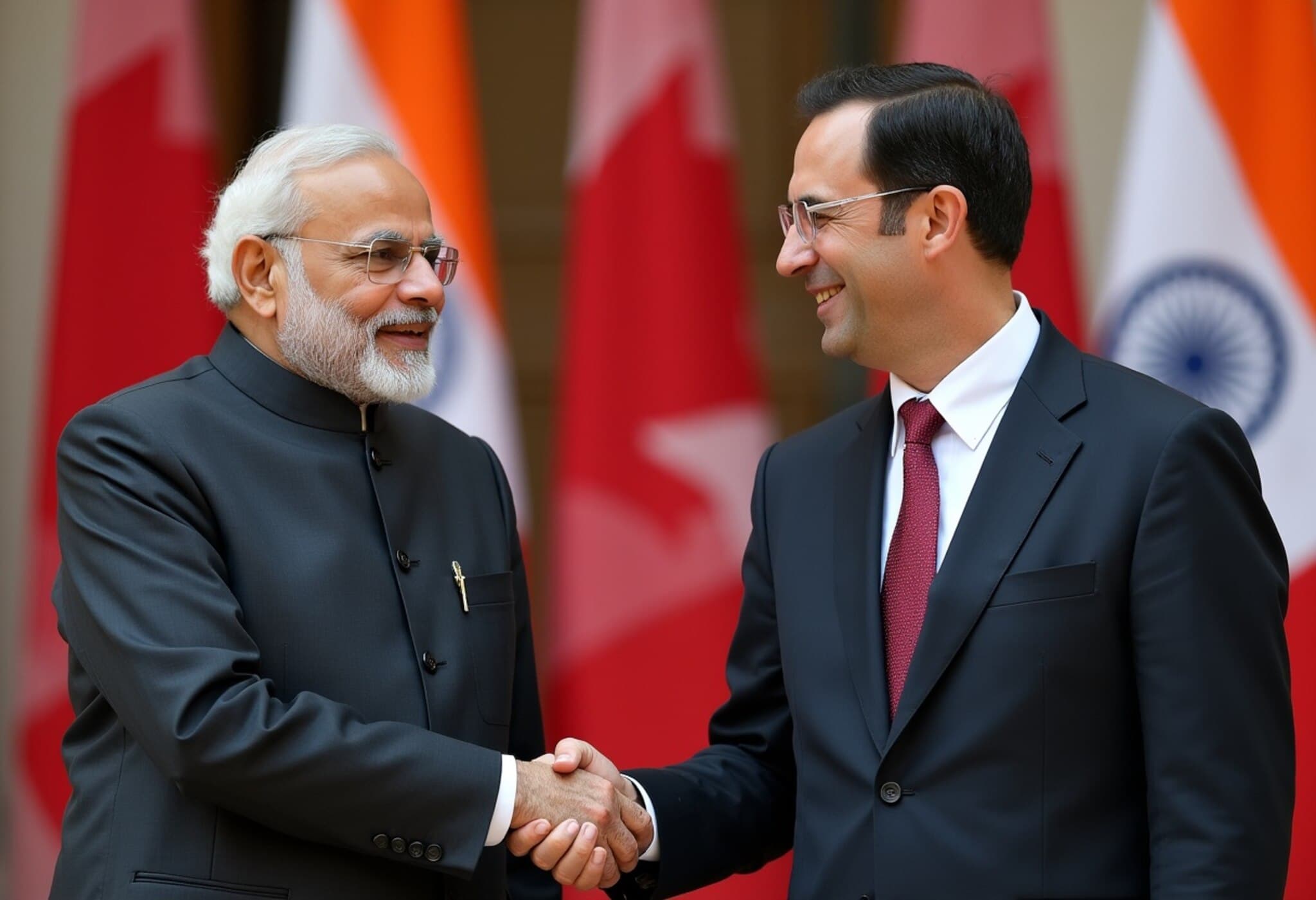
During the dialogue with Mohamed Nasheed, a noted critic of the current Maldivian administration yet respected as a staunch advocate for India-Maldives friendship, PM Modi reaffirmed India’s commitment to the Maldives' developmental and capacity-building needs. Modi emphasized that the Maldives remains a cornerstone of India’s regional vision, underlining how their historical ties run “older than history and as deep as the ocean.” This meeting, highlighting diplomacy beyond electoral politics, signals India's openness to constructive engagements across political divides for the sake of enduring bilateral cooperation.
Engagement With Vice President and Parliamentary Leadership
The Prime Minister’s interactions with Vice President Latheef and Speaker Abdulla further cemented government-level collaboration. These high-level meetings follow a series of bilateral discussions held the previous day with President Mohamed Muizzu, reflecting a concerted approach to reset bilateral relations after a period marked by strain linked to geopolitical shifts and regional tensions.
Strategic and Economic Cooperation: Key Agreements Signed
In a tangible display of progress, India announced a new $565 million line of credit to the Maldives and together, they inked six key agreements covering pivotal areas such as fisheries, aquaculture, meteorology, digital public infrastructure, India’s Unified Payments Interface (UPI), and pharmaceutical standards aligned with the Indian Pharmacopoeia. Notably, both countries agreed to ease Maldives’ debt repayment burden by reducing it by 40%, an important economic gesture aimed at strengthening financial stability.
- Line of Credit: $565 million fresh credit from India
- Debt Reduction: 40% relief on Maldives’ annual debt repayments
- Key Pact Areas: Fisheries, meteorology, digital infrastructure, payments, pharmacopoeia
Symbolic Participation in Maldives Independence Day
Highlighting the cordial relations, PM Modi accepted the invitation to be the chief guest at the Maldives’ 60th Independence Day celebrations in Malé. India’s External Affairs Minister Dr. S. Jaishankar also marked the occasion, celebrating six decades of diplomatic relations between the two nations — a testament to their enduring partnership in a strategically crucial maritime corridor.
Contextualizing the India-Maldives Relationship Shift
Following the November 2023 ascent of President Muizzu, who gained office on a platform skeptical of India’s regional presence, tensions had somewhat disrupted tourism and economic ties. However, the recent round of meetings and agreements signal a pragmatic approach from both ends to mend fences and advance mutual interests. For India, the Maldives' geographic location is critical for maritime security and influence in the Indian Ocean, especially amid increasing presence of other external powers in South Asia.
Expert Insight: Regional Security and Economic Outlook
Experts suggest that India’s proactive engagement reflects its acknowledgment of the Maldives' pivotal role in Indian Ocean geopolitics. The new financial assistance and cooperation frameworks are aimed not just to bolster economic ties but to anchor Maldives closer to India’s sphere of influence, serving as a counterbalance in a region witnessing heightened great power competition.
Furthermore, the focus on digital infrastructure and payment systems like UPI reveals an effort to modernize and connect the Maldivian economy with India’s burgeoning digital ecosystem — a move that could yield long-term economic integration and resilience.
Looking Forward: Challenges and Opportunities
While the rekindling of India-Maldives ties is promising, sustained progress hinges on navigating domestic political shifts and addressing local sensitivities surrounding sovereignty and foreign influence. Transparency and inclusive dialogue with multiple stakeholders in the Maldives will be essential to ensure that these bilateral initiatives translate into tangible benefits for the Maldivian populace, beyond strategic and diplomatic rhetoric.
Questions for Consideration:
- How will the Maldives balance its relationship with India against rising interests from other regional powers?
- What measures will be implemented to ensure the new debt relief and credit lines foster sustainable development rather than deepen dependency?
- Can digital cooperation become a new cornerstone of India-Maldives relations, and how will it impact the Maldivian economy and society?
Editor’s Note
This visit marks a pivotal moment in reviving India-Maldives relations after a turbulent phase. Beyond diplomacy, the engagements emphasize economic partnership and regional security in the Indian Ocean — a theater increasingly significant for global geopolitics. For American policy analysts and economic strategists, the India-Maldives dynamic offers a case study of how regional powers manage influence, strategic interests, and development cooperation in a contested space. Observing how these ties evolve will shed light on South Asia's broader geopolitical currents and the future shape of Indo-Pacific partnerships.