
Widespread Abuse in Pakistani Madrasas Raises Concern
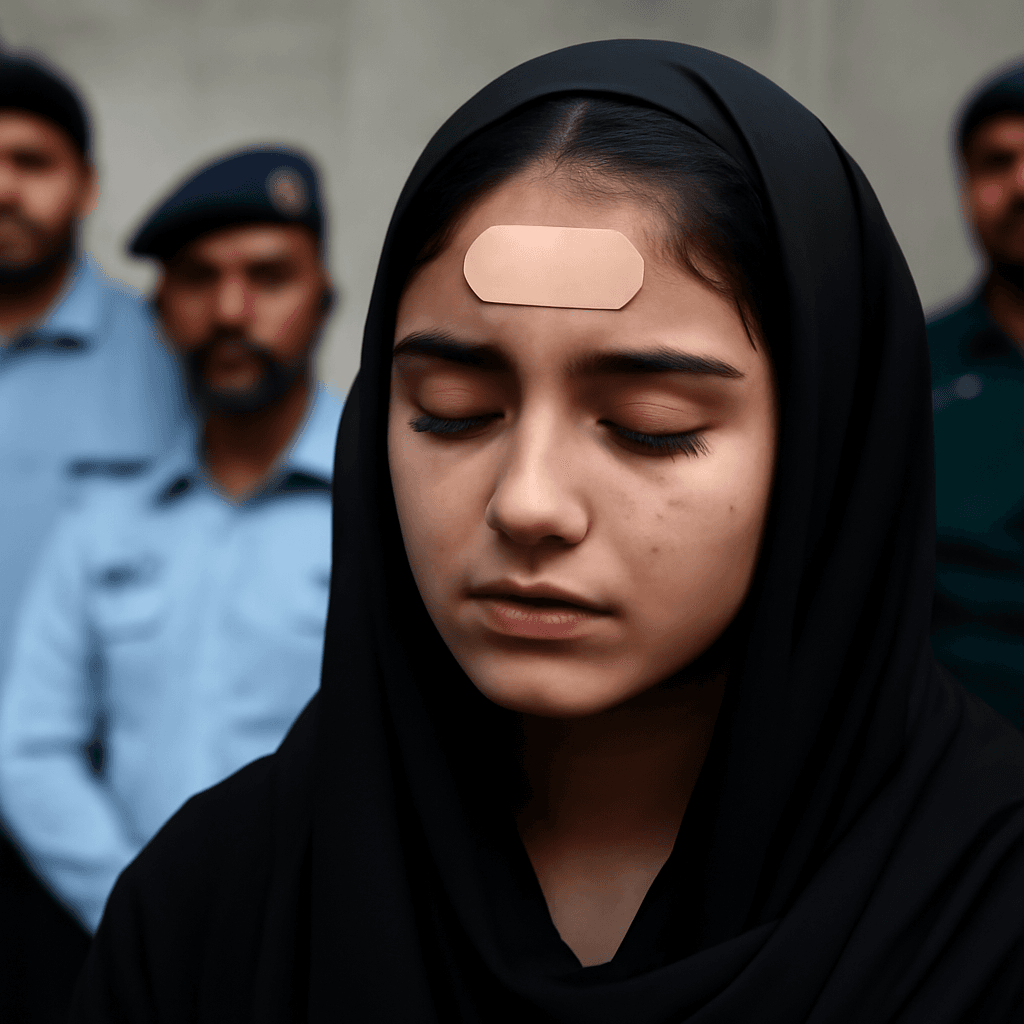
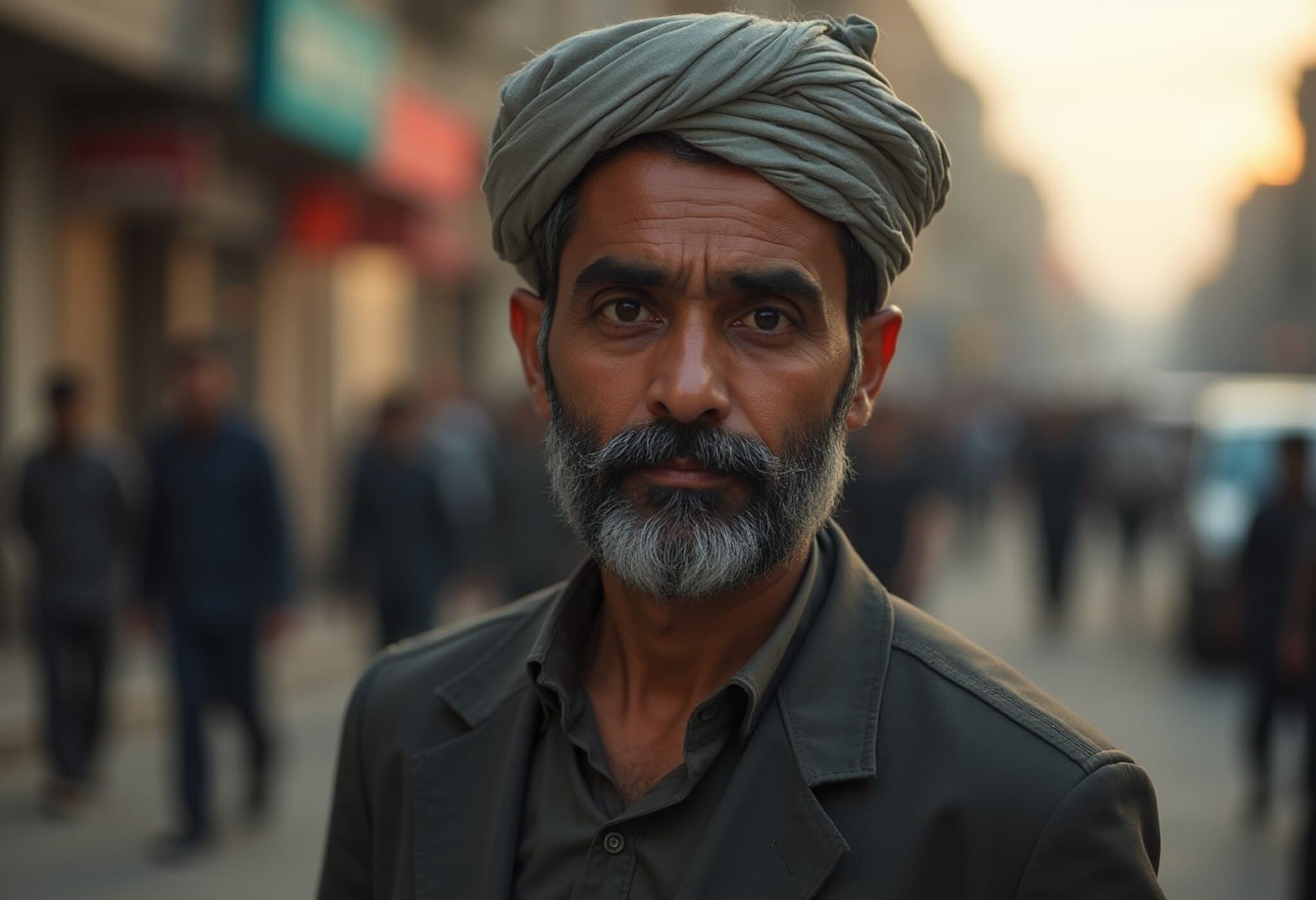
Recent investigations expose alarming reports of sexual violence within Pakistani madrasas, religious schools that provide free Islamic education to millions of children. These institutions, traditionally regarded as centers for moral and spiritual guidance, have come under scrutiny following multiple survivor testimonies revealing systematic abuse.
Survivor Testimonies Reveal Gruesome Acts
Several minors have courageously shared their experiences of sexual assault perpetrated by mullahs—teachers and clerics responsible for their religious education. One 14-year-old survivor recounted how he was taken to a teacher’s home under false pretenses and subjected to rape and assault. Such stories have surfaced repeatedly, suggesting a pervasive culture of abuse hidden behind closed doors.
Scale and Impact of Abuse
Official data indicates that approximately 17,738 registered madrasas operate in Pakistan, educating around 2.2 million children. However, the true number of illicit religious schools may be higher, many functioning without regulatory oversight. This lack of supervision compounds vulnerability among students, making it difficult to detect or prevent criminal acts.
Lack of Regulation and Accountability
Pakistan currently possesses no centralized authority dedicated to monitoring these religious institutions, posing significant challenges to addressing abuse allegations effectively. The absence of robust governance mechanisms permits ongoing exploitation with little fear of repercussions for perpetrators.
Historical Investigations Highlight Persistent Issues
Previous major investigations have underscored the gravity of sexual abuse within madrasas. For instance, a comprehensive inquiry in 2017 analyzed police records alongside interviews with victims, families, and officials, indicating that many cases remain unreported due to stigma and fear.
Calls for Reform and Protection
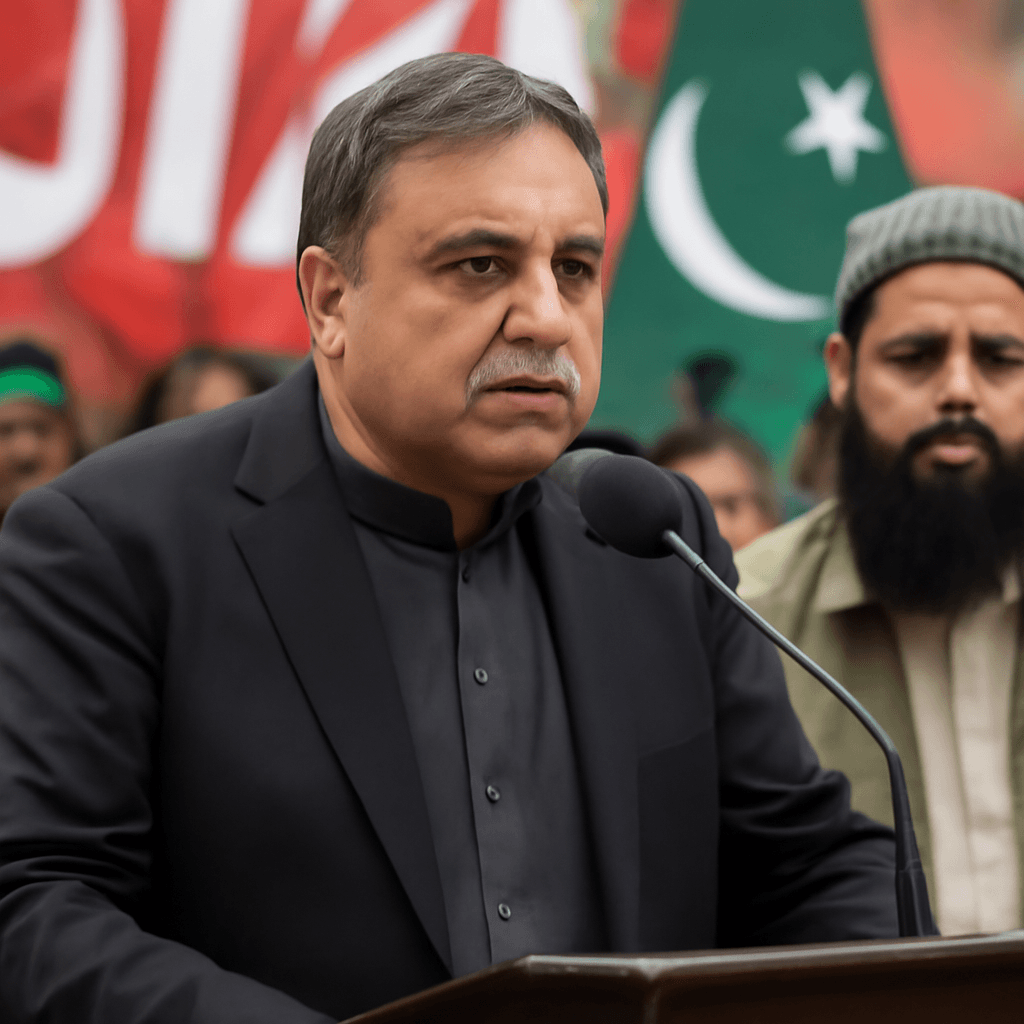
Human rights advocates and education experts stress urgent reforms ensuring protective frameworks within madrasas to safeguard children. They urge the government to establish strict regulatory standards, implement monitoring bodies, and provide survivor support services to stem abuse and restore trust in these institutions.
Summary
- 17,738 registered madrasas in Pakistan educate about 2.2 million children.
- Multiple survivors testify to sexual abuse by clergy within madrasas.
- Lack of centralized oversight exacerbates vulnerability and impunity.
- Previous investigations reveal systemic underreporting and abuse.
- Calls intensify for regulatory reforms and child protection measures.
The revelations have ignited public discourse surrounding child safety and institutional accountability in Pakistan’s religious education system. Stakeholders emphasize that addressing such abuse is imperative to ensure children’s welfare and the credibility of religious institutions.