
International Outcry Over U.S. Incursion in Venezuela
In a dramatic turn of events on January 5, 2026, the United States launched a military operation in Venezuela that culminated in the capture of President Nicolás Maduro. This unprecedented action provoked swift condemnation from the global community, including some of America's closest allies, at an emergency session of the United Nations Security Council.
Allies Join Condemnation: A Blow to International Norms
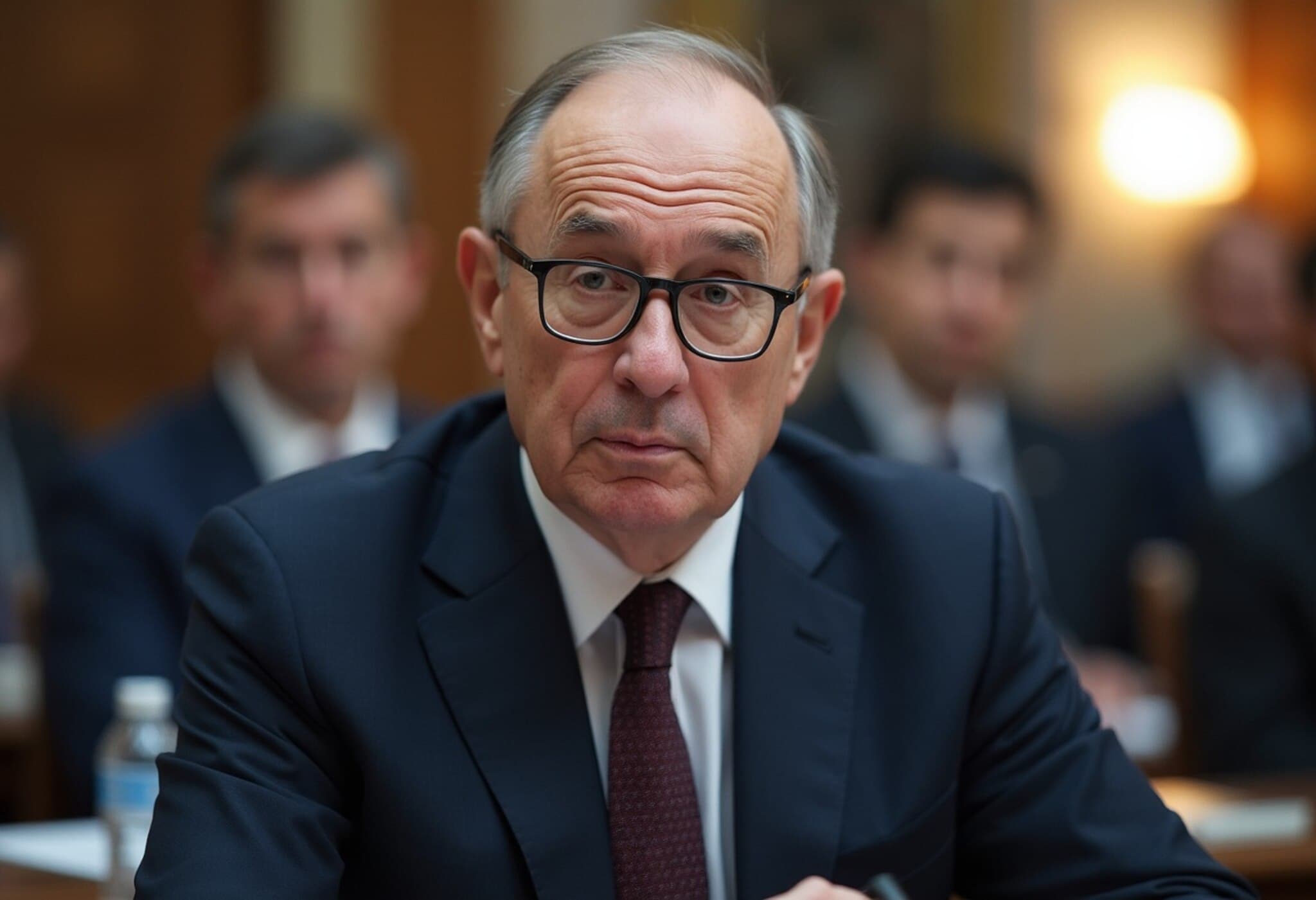
During the Security Council meeting, the deputy French ambassador harshly criticized the U.S. operation, asserting it "chips away at the very foundation of international order." France's stance underscores a growing unease among allies regarding military interventions that bypass diplomatic channels and international law.
United Nations Secretary-General António Guterres echoed these concerns, declaring that the Trump administration's unilateral action violated the U.N. Charter, which is designed to preserve sovereignty and prevent aggression among nations.
Regional Repercussions: Latin America Reacts Strongly
Colombia’s ambassador added a historical perspective, pointing to echoes of previous decades marked by U.S. interference in Latin American affairs. He warned that such operations threaten "international peace and security" across the region, potentially destabilizing an already volatile geopolitical landscape.
Calls from Russia and China: Demanding Maduro’s Release
Russia and China, two permanent members of the Security Council and key global powers, joined together in demanding the immediate release of Maduro and his wife. Both nations called for the cessation of further U.S. military activities on Venezuelan soil, highlighting the operation’s potential to inflame international tensions.
Expert Analysis: What This Means for Global Diplomacy and U.S. Foreign Policy
Experts suggest that the incident marks a dangerous precedent for unilateral military actions under the guise of combating alleged authoritarianism or instability. The international backlash illustrates the risks the U.S. faces when it sidesteps multilateral institutions and disregards diplomatic norms.
Politically, this operation may complicate U.S. relations not just with countries directly opposing the move but also with allies wary of aggressive foreign policy maneuvers. Economically, heightened instability in Venezuela could exacerbate regional crises affecting markets and migration patterns, with ripple effects felt in the United States.
Underreported Narratives: Voices of Venezuelan Citizens
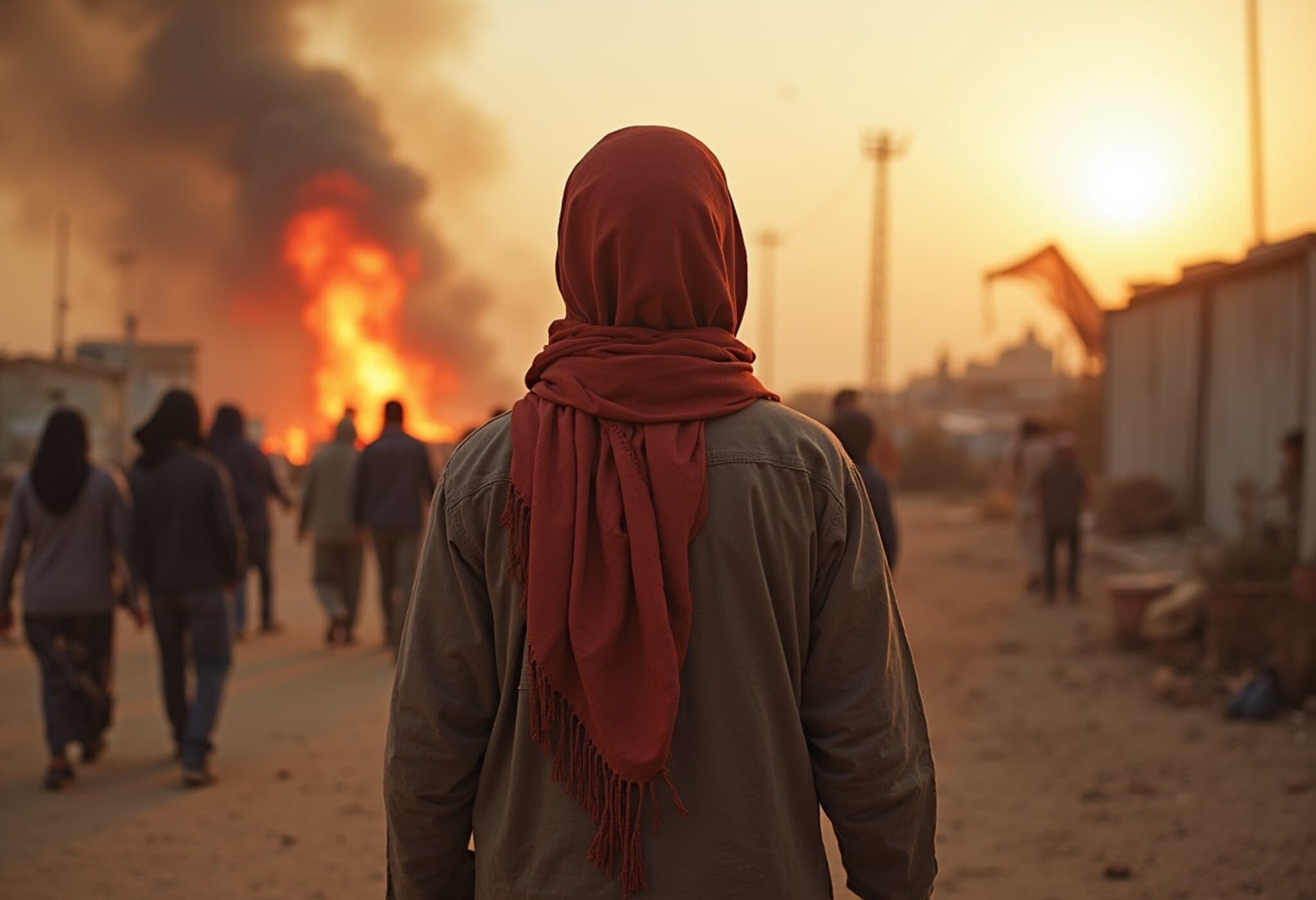
While international leaders debate legality and strategy, the impact on ordinary Venezuelans remains a critical concern. Years of political and economic turmoil have already strained the population; this military action risks further upheaval, which humanitarian organizations caution could lead to increased displacement and a deepening humanitarian crisis.
Looking Ahead: Diplomatic Dialogue and International Norms
Secretary-General Guterres urged all involved parties to return to diplomatic channels and respect established international frameworks. His statement underscored the importance of dialogue in resolving conflicts, emphasizing the dangers posed by military escalations in an interconnected world.
- Potential for regional instability: Neighboring countries may experience political and economic fallout.
- Legal ramifications: Raises critical questions about sovereignty and unilateral military interventions under international law.
- Future U.S. foreign policy: Signals possible tensions between assertive actions and global diplomatic commitments.
Editor’s Note
This unfolding situation in Venezuela confronts us with complex dilemmas about power, sovereignty, and legal norms in international relations. As the world watches how diplomatic and strategic responses evolve, we must ask: Can unilateral military interventions ever align with international law, or do they irrevocably undermine the global order? Moreover, what are the human costs beneath these geopolitical maneuvers? Our continued coverage will seek to unpack these questions, going beyond headlines to explore the cascading effects on both geopolitics and everyday lives.