White House Removes CDC Director Susan Monarez
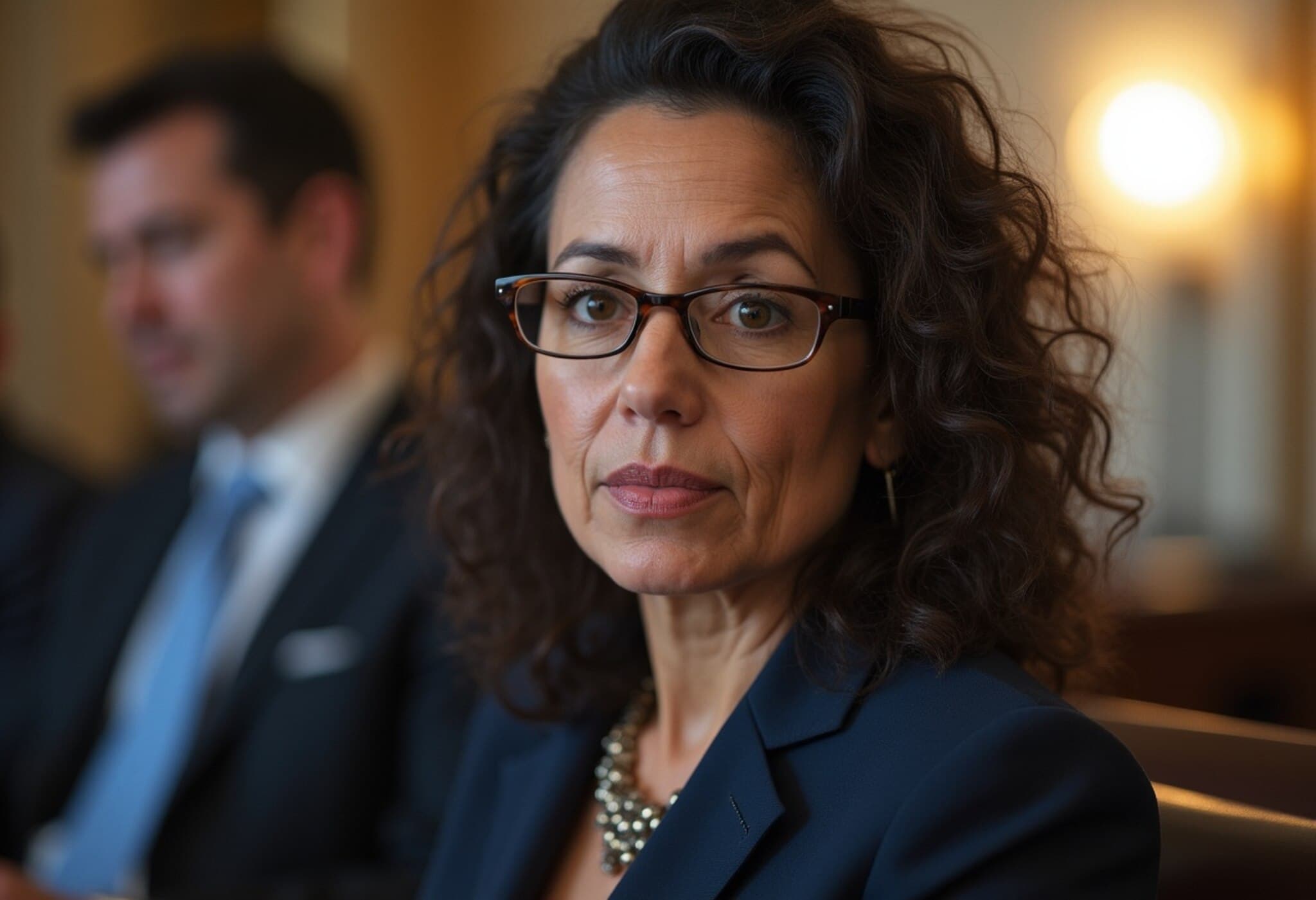
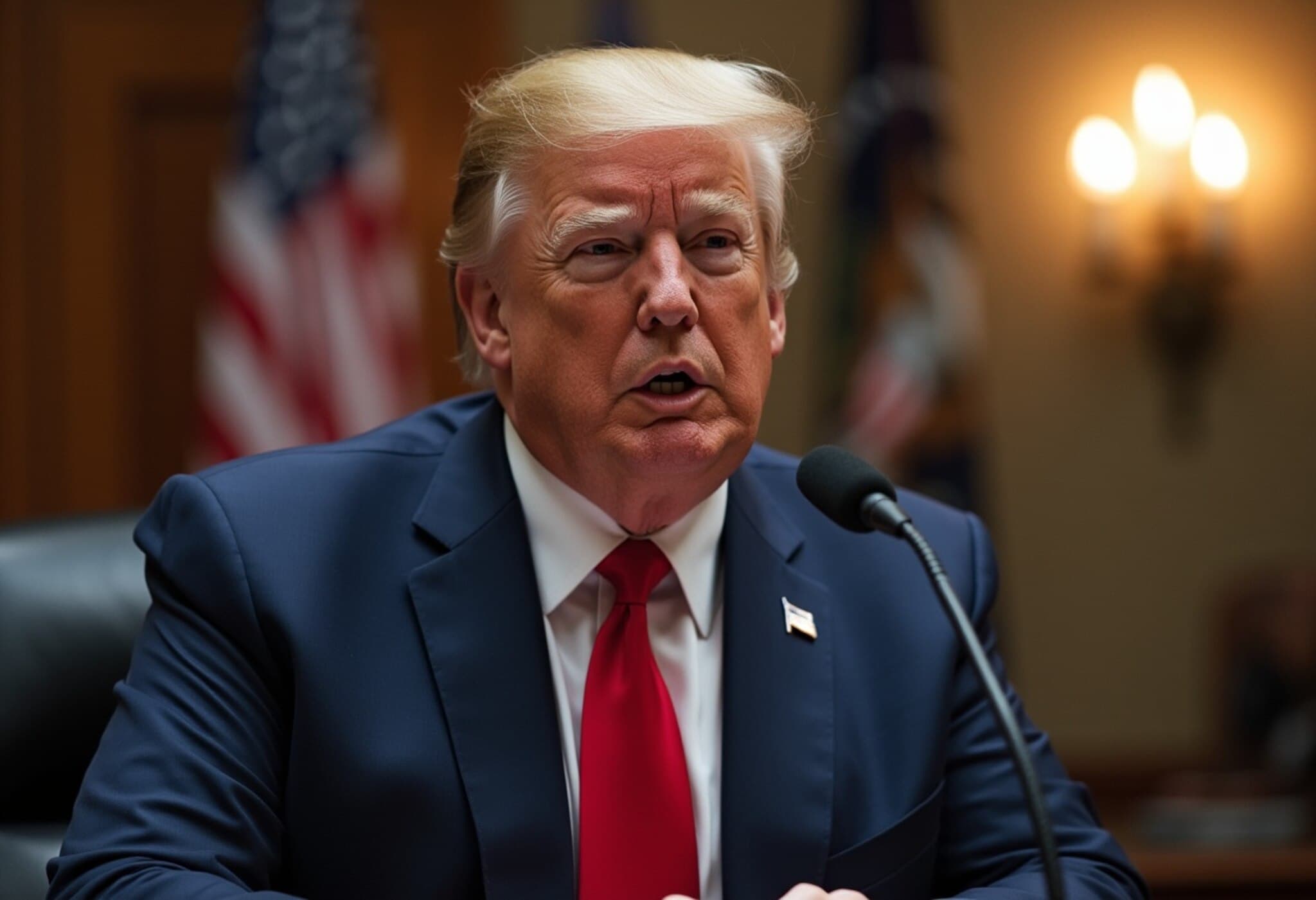
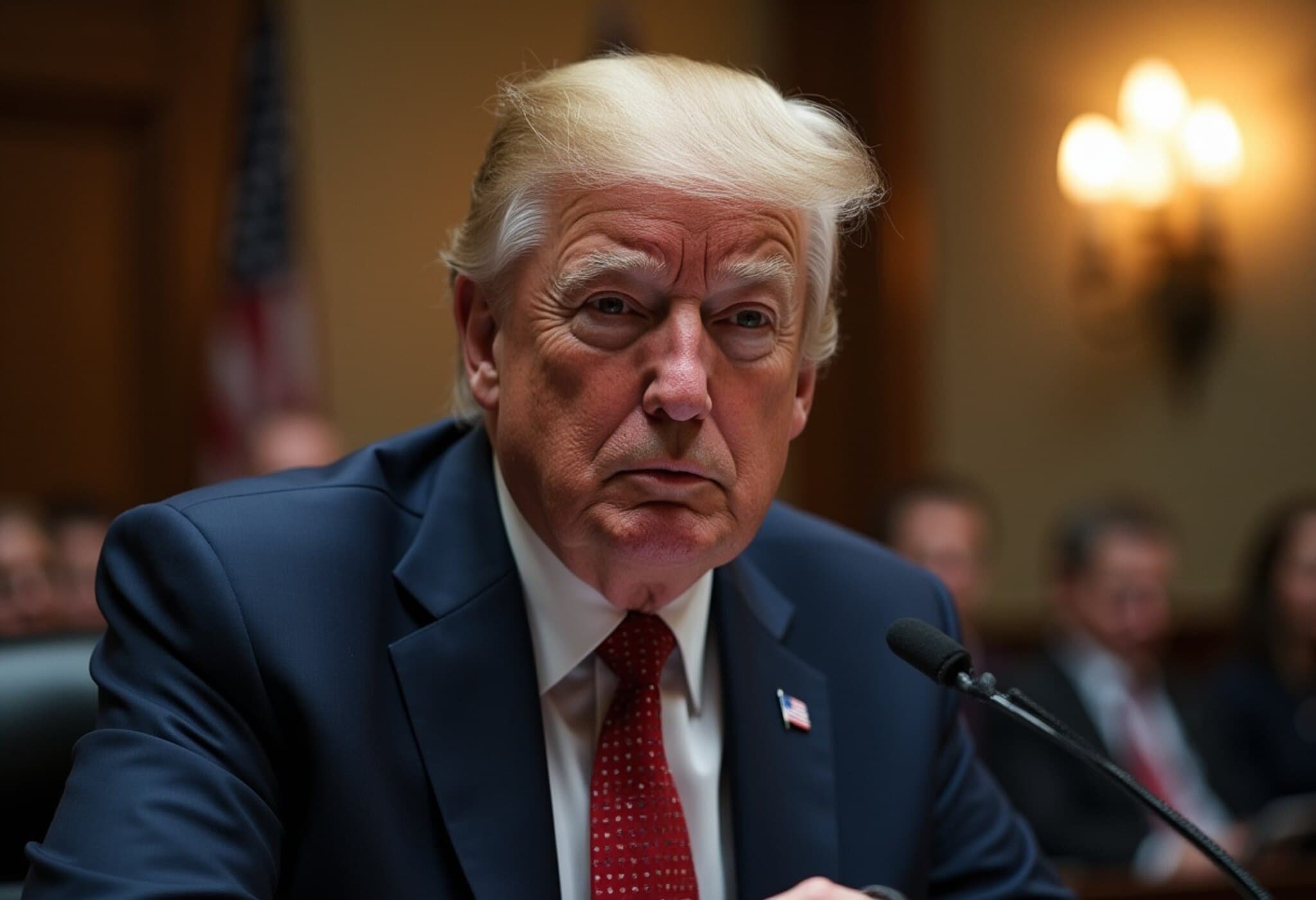
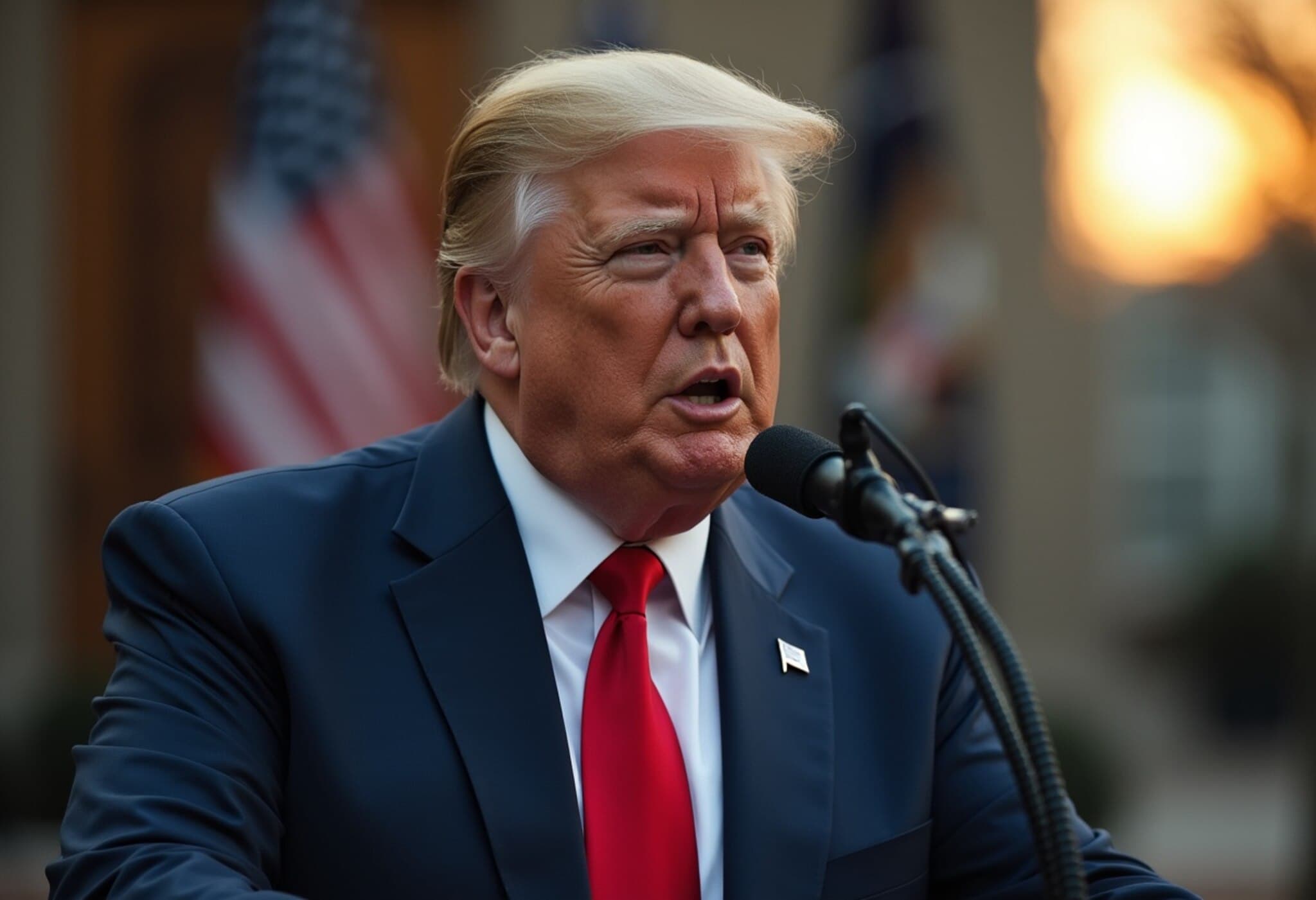
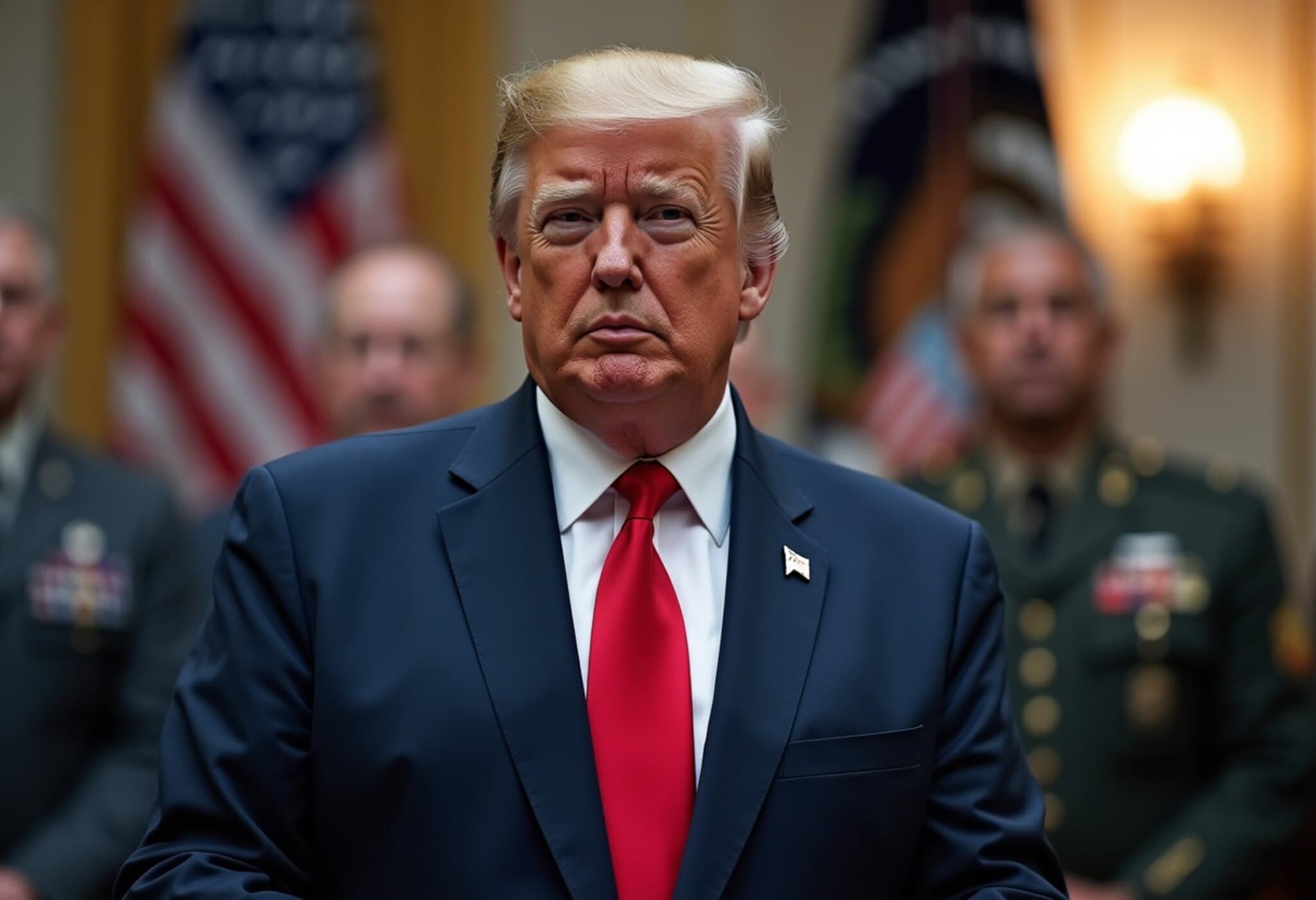
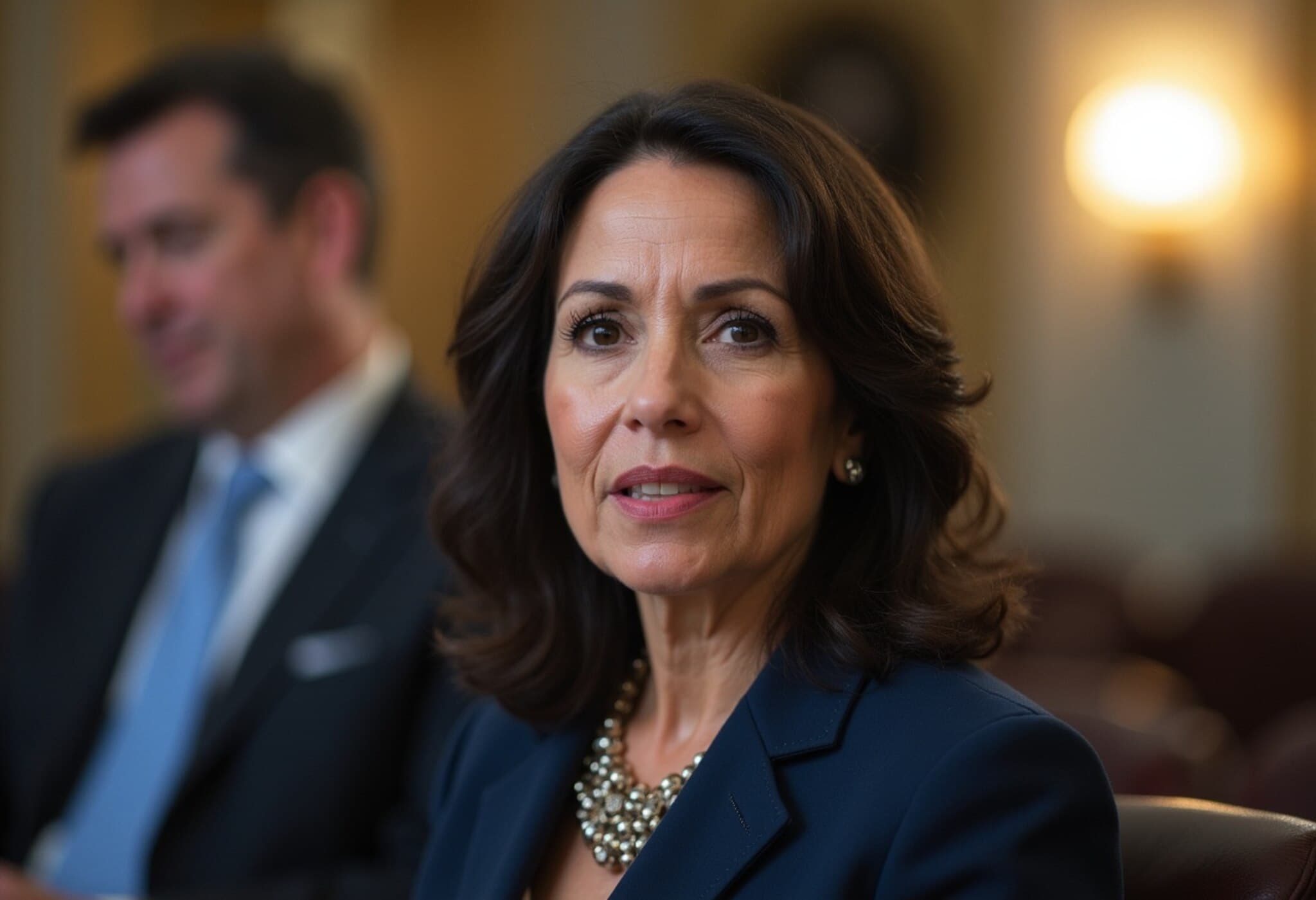
In a significant upheaval within the nation's premier public health agency, the White House announced on Thursday that President Donald Trump has fired Susan Monarez, the Director of the Centers for Disease Control and Prevention (CDC). This decision follows Monarez’s refusal to resign amid ongoing disputes with senior administration officials.
The White House swiftly moved to install a temporary replacement, naming Melinda O'Neill, the recently sworn-in deputy secretary of the Department of Health and Human Services (HHS), as acting CDC director. O’Neill’s appointment signals a strategic shift, potentially paving the way for new directions in U.S. immunization policies under the leadership of HHS Secretary Robert F. Kennedy Jr.
Legal and Political Backdrop
Monarez’s legal counsel contested the firing's validity, emphasizing that as a presidential appointee confirmed by the Senate, her removal requires direct presidential action and formal procedures. Attorney Mark Zaid highlighted that an email notification from a human resources staffer does not constitute lawful termination.
"She refused to rubber-stamp unscientific, reckless directives and fire dedicated health experts," Zaid said, portraying Monarez as putting public health integrity above political pressures.
Clash Over Vaccine Policy and Agency Direction
The tension between Monarez and Kennedy has been attributed largely to divergent views on vaccine policy and broader public health strategies. Kennedy, known for his skepticism towards vaccines, has taken notable steps to reshape U.S. immunization frameworks, a move reportedly resisted by Monarez.
This leadership turmoil comes amid a broader wave of CDC resignations. Earlier in the week, at least four senior health officials abruptly left the agency, compounding instability during a critical period for public health governance.
A Broader Crisis at CDC
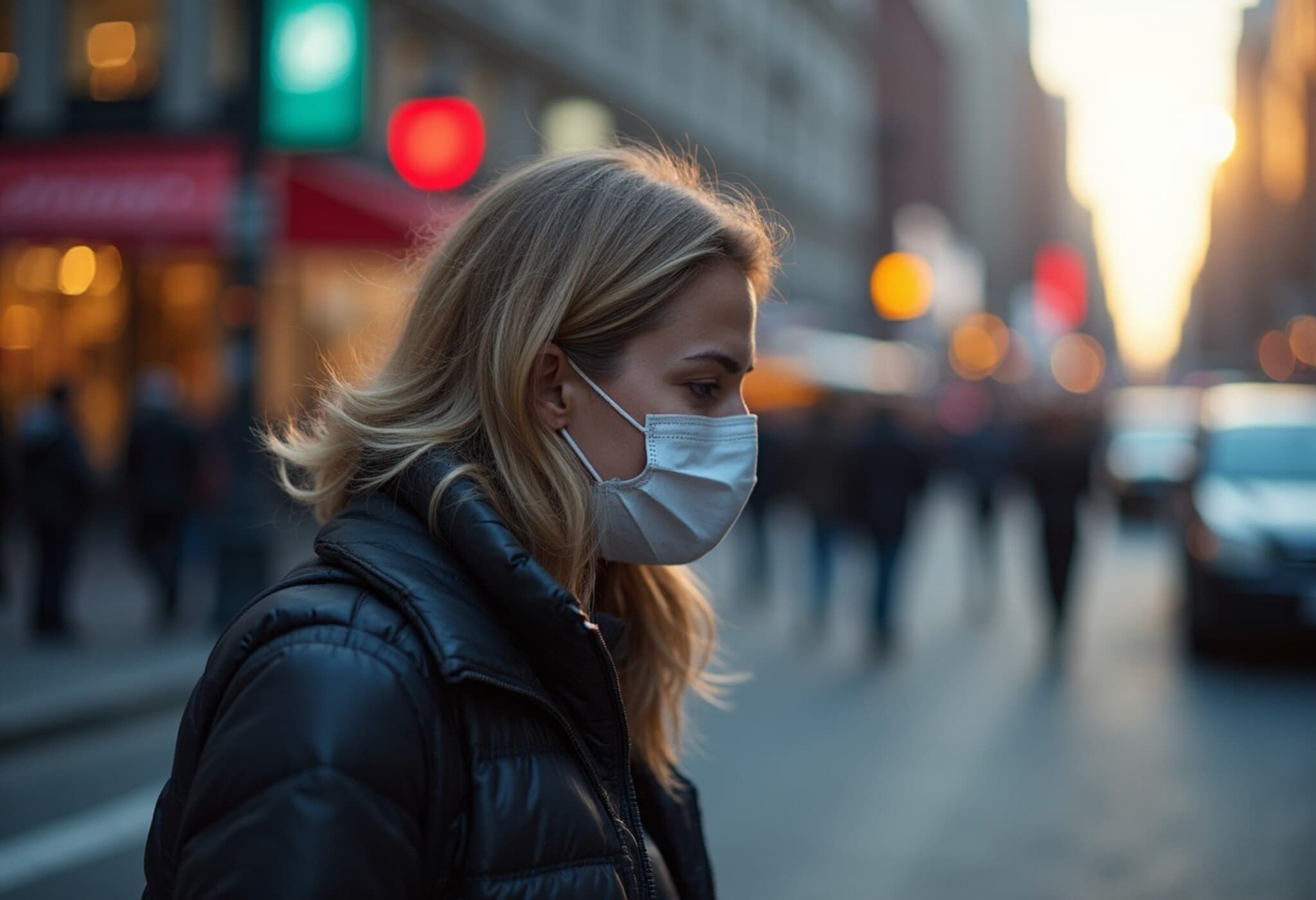
Secretary Kennedy, while declining to discuss specific personnel matters publicly, acknowledged the agency’s struggles and emphasized the need for radical reforms to restore the CDC's historic prestige. Referring to pandemic-era decisions on social distancing, masking, and school closures, he remarked that the agency had taken a misguided approach.
"We need strong leadership to execute President Trump’s ambitious vision for the CDC and return it to its position as a world-leading health authority," Kennedy asserted.
Contextual Insight: What This Means for American Public Health
The ousting of a Senate-confirmed CDC director marks an unprecedented political intervention in a key scientific institution. Experts warn that such disruptions may undermine public trust in health agencies, especially during ongoing health challenges.
Moreover, Kennedy's vaccine skepticism and policy changes risk fueling misinformation and hesitancy, potentially affecting immunization rates and disease control nationally.
Looking Ahead
- Senate Confirmation: The permanent CDC director will require Senate approval, a process that could become a battleground reflecting broader political divides on public health.
- Agency Morale and Function: Multiple leadership exits raise concerns about internal instability and the CDC’s ability to respond effectively to emerging health threats.
- Public Trust: Continued politicization of health agencies might impede effective communication between government officials and the public, risking diminished adherence to health recommendations.
Editor’s Note
The firing of Dr. Susan Monarez underscores the growing tension between science and politics in America’s public health landscape. As the CDC navigates this unprecedented leadership crisis, crucial questions arise: How will these changes affect the agency’s scientific integrity and its mission to protect public health? And what does this signal about the future of health policy in a politically charged environment? Readers should watch closely as the Senate deliberates the next steps and consider how governmental actions shape public confidence in health institutions.