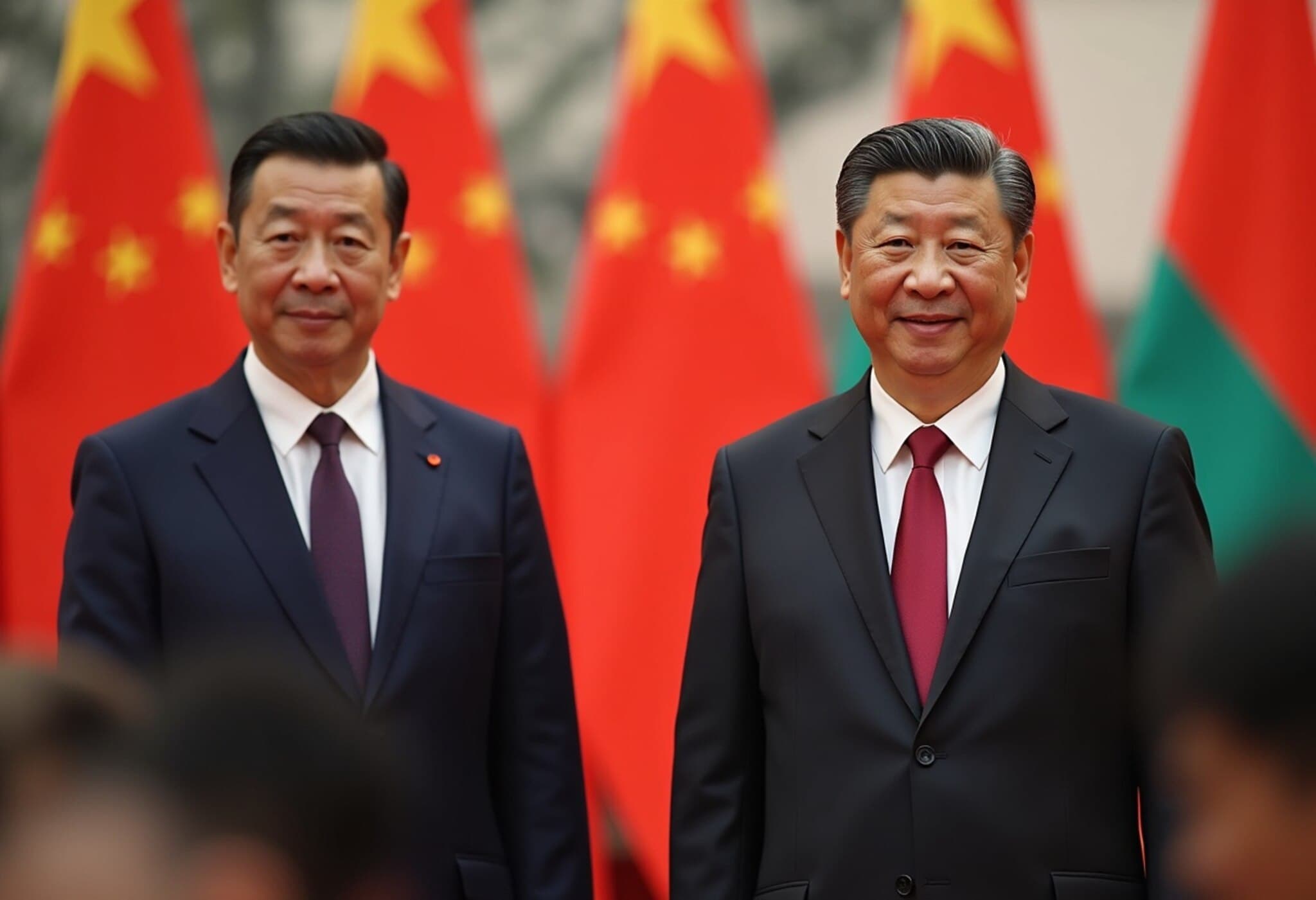
Xi Jinping Reinforces China’s Engagement in Central Asia
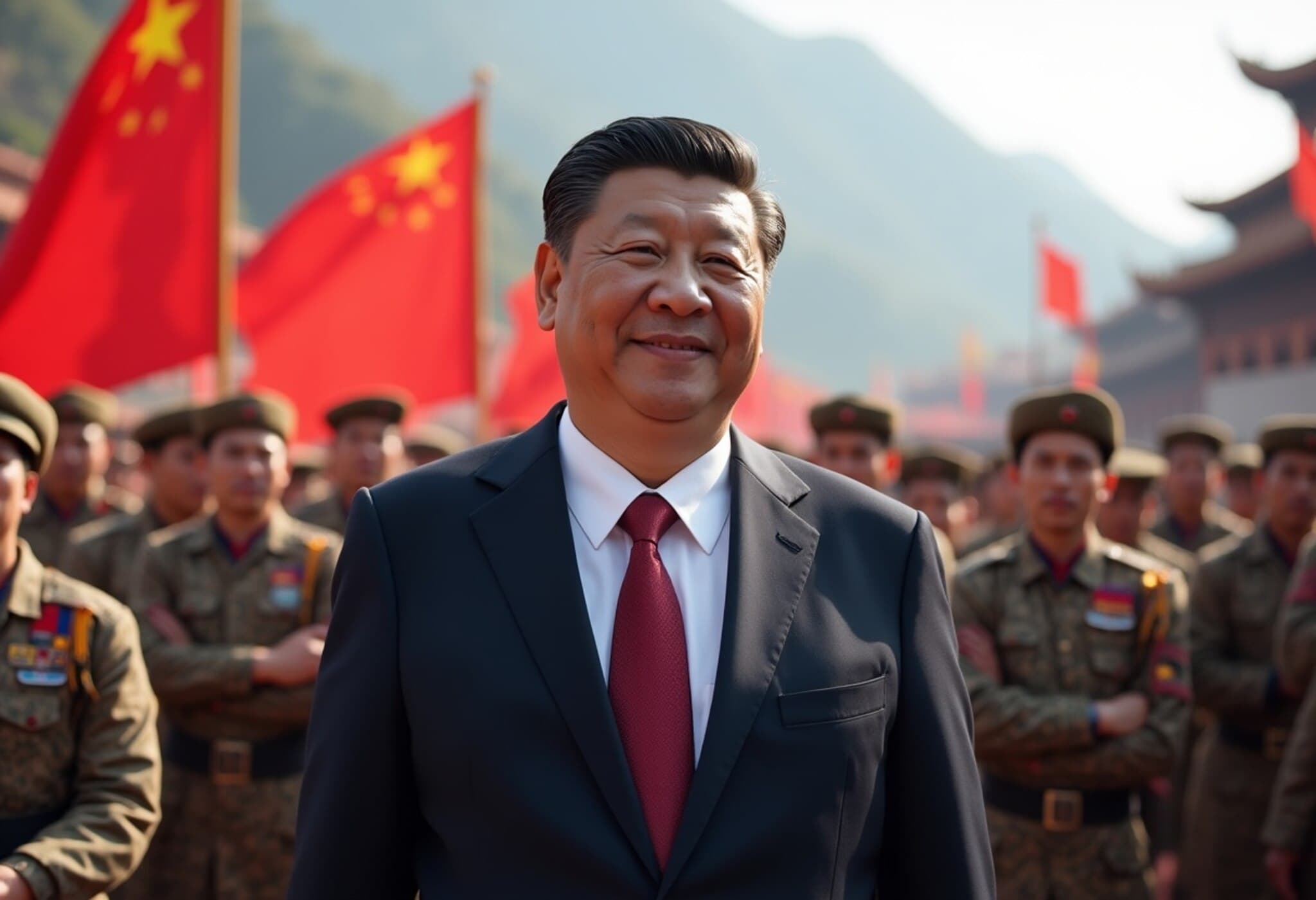
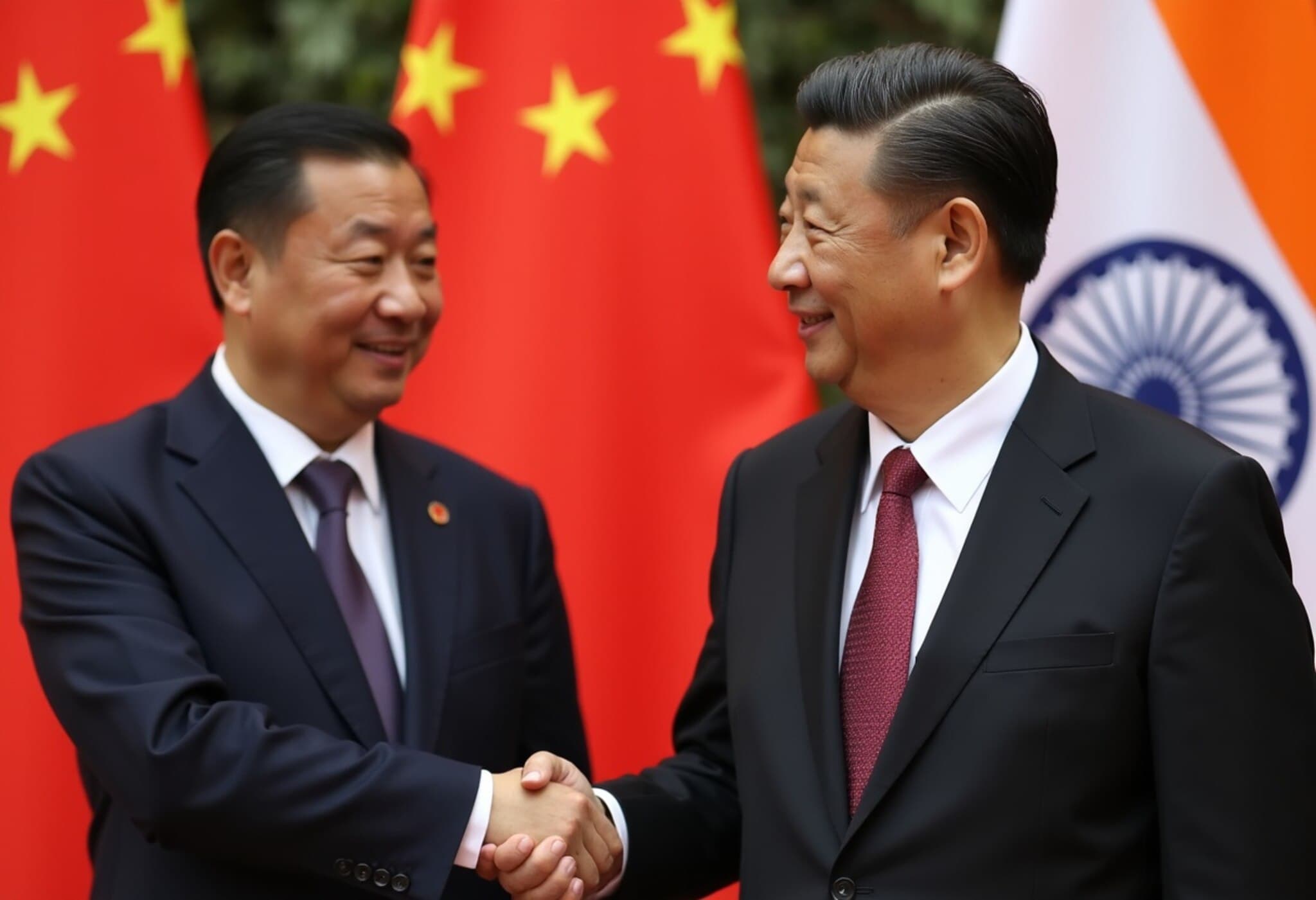
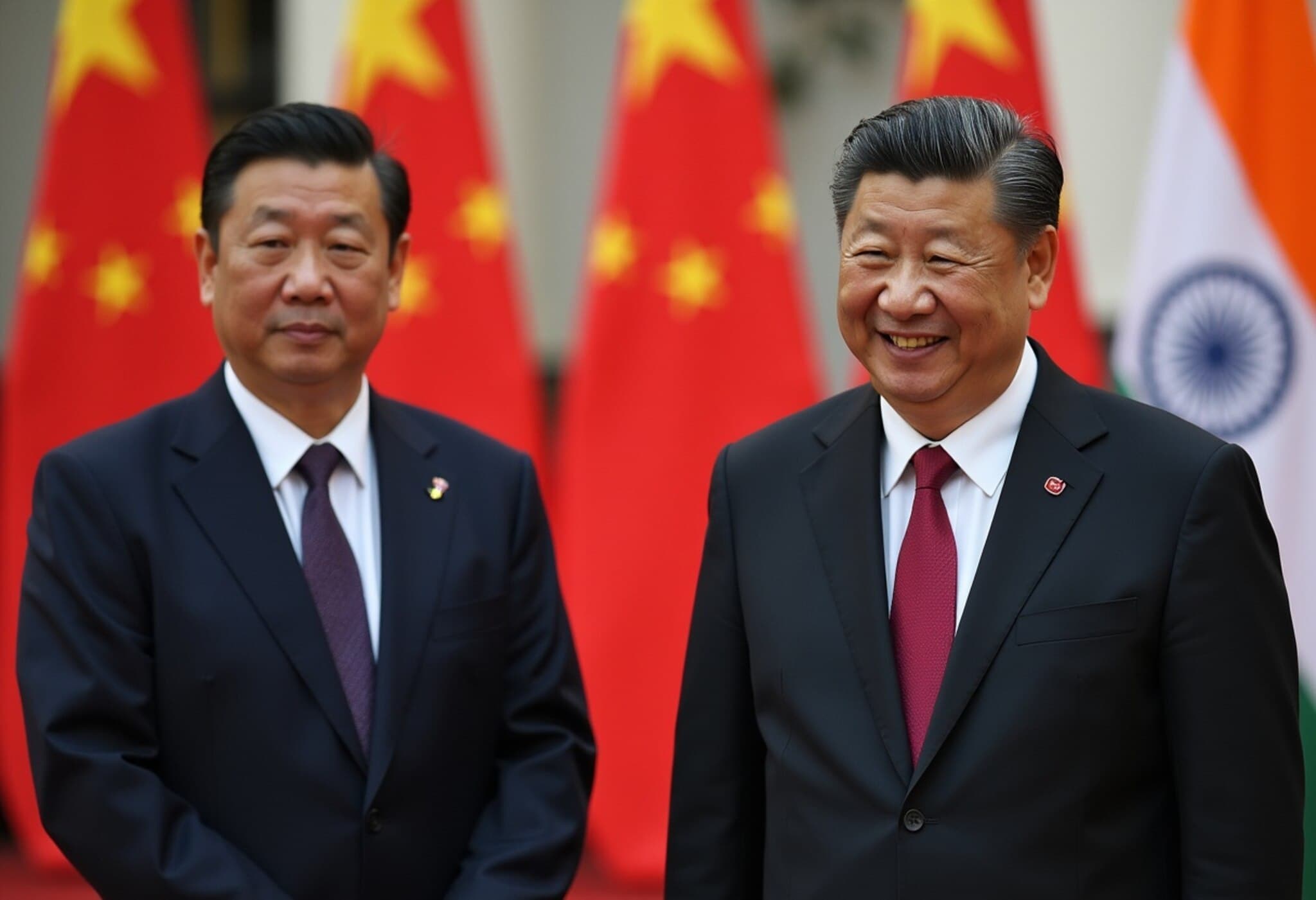
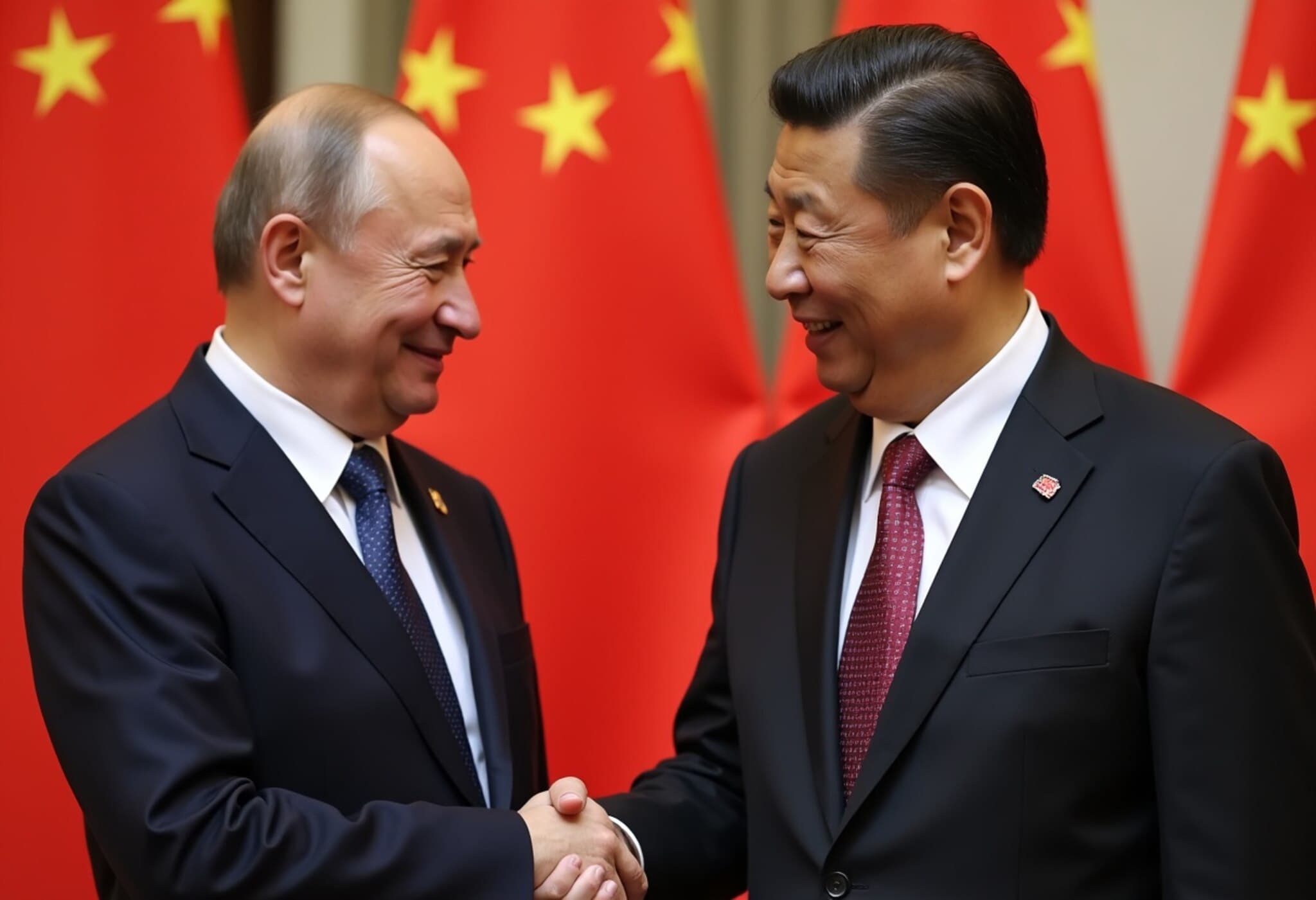
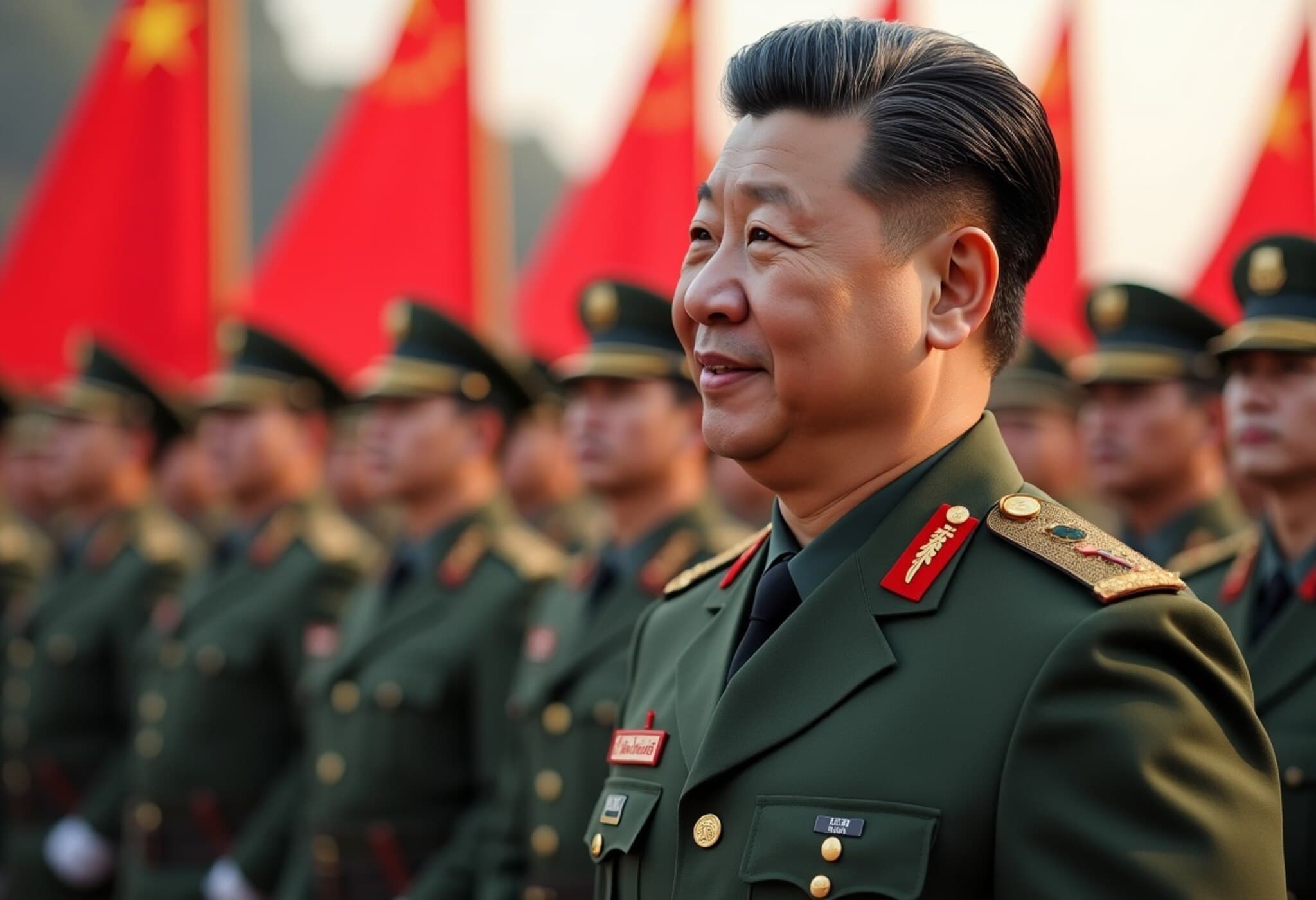
During a pivotal summit held in Kazakhstan’s capital, Xi Jinping underscored China’s enduring partnership with Central Asian nations, aiming to deepen diplomatic and economic bonds in a region historically influenced by Russia. The gathering convened the leaders of Kazakhstan, Kyrgyzstan, Uzbekistan, Tajikistan, and Turkmenistan, spotlighting China’s intensified outreach across the area.
Summit Highlights and Strategic Partnerships
The leaders inked an agreement symbolizing “eternal friendship,” with Xi urging for heightened cooperation through bold initiatives and tangible actions. His remarks emphasized mutual progress and stability, reflecting China’s ambitions to expand influence in a resource-rich and strategically located region.
Central Asia’s geographic position, bridging China, Russia, the Middle East, and Europe, makes it a crucial logistics hub, offering significant opportunities for trade and infrastructure development.
Trade and Economic Development Amid Global Tensions
Amid global trade discussions, Xi criticized tariff conflicts, highlighting his stance against trade wars, which he described as yielding “no winners.” This message resonated as Western leaders assembled at a nearby G7 summit, highlighting contrasting approaches to international commerce.
While Russia remains a key strategic partner for Central Asian countries, their ties with Moscow have somewhat loosened following recent geopolitical tensions, paving the way for China to fill the investment and development space.
China’s Belt and Road Initiative plays a central role, with ambitious projects like the China-Kyrgyzstan-Uzbekistan railway and infrastructure investments in clean energy, green minerals, and advanced technologies that promise to drive regional growth.
Regional Collaboration and Diplomatic Balancing
The Central Asian states are actively navigating among major global powers to safeguard their sovereignty and maximize benefits from competing interests. They regularly engage in summits with China, Russia, and Western nations to project a united front aimed at securing economic aid and investment.
This balancing act reflects a desire to avoid overdependence on any single partner, a strategy highlighted by regional experts analyzing the shifting dynamics.
China’s Economic Dominance and Infrastructure Investments
In recent years, China has firmly established itself as Central Asia’s largest trading partner, outpacing both Russia and the European Union. It has invested heavily in key infrastructure, including the expansive rail and highway corridors linking China to Uzbekistan, Kyrgyzstan, and Tajikistan through challenging terrains such as the Pamir Mountains.
Trade facilitation centers like Khorgos in Kazakhstan have become major global logistics hubs, illustrating China’s growing footprint. Notably, China’s capacity to quickly mobilize substantial investments often exceeds that of Russia or Western institutions, accelerating infrastructure development in the region.
Complementing these efforts, Kazakhstan announced plans for its first nuclear power plant to be led by Russia, while openly expressing interest in Chinese participation for a second facility, highlighting the nuanced cooperation with both countries.
Resources and Security Concerns
Central Asia is abundant in natural resources like oil, gas, uranium, gold, and other minerals critical to China’s rapidly growing economy. Ensuring steady access to these materials while circumventing volatile maritime routes remains a strategic objective for Beijing.
China also prioritizes regional stability, viewing the existing political order in Central Asia as vital to securing its western borders, particularly its sensitive Xinjiang region.
Political Dimensions and Human Rights Perspectives
China positions itself as a defender of the current Central Asian authoritarian regimes, opposing external interference aimed at sparking political upheavals or “color revolutions.” This strategy aligns with Beijing’s broader goal of maintaining a stable, friendly neighborhood.
However, the connection to Xinjiang remains a complex and contentious issue, with international voices accusing China of human rights violations against Uyghurs and other Muslim minorities in the area.
Looking Ahead
As China continues to invest heavily in Central Asia’s infrastructure and governance, it is clearly aiming to cement its leadership role in the region. This evolving relationship will shape the economic and geopolitical landscape of Central Asia, offering new opportunities and challenges for all parties involved.