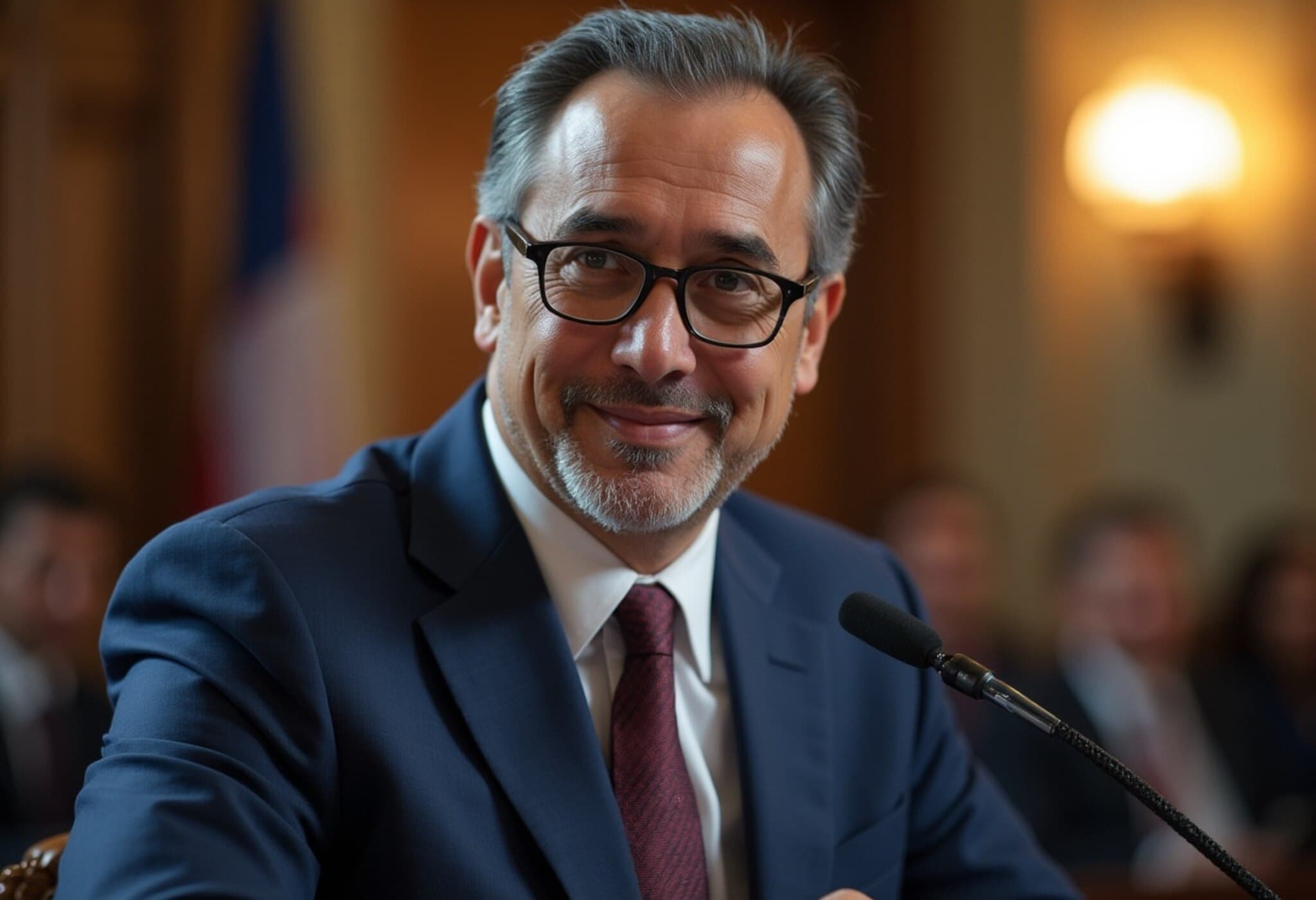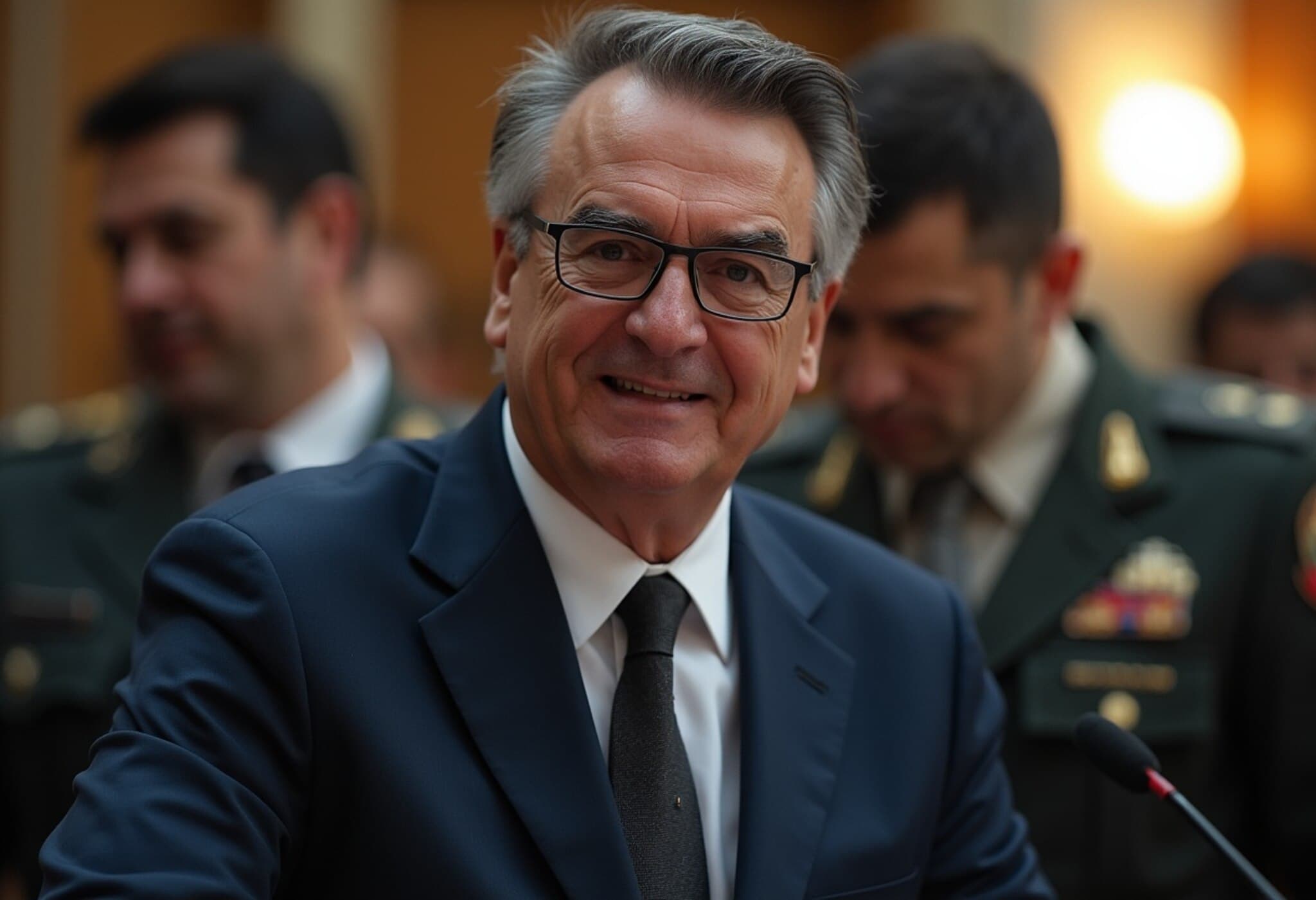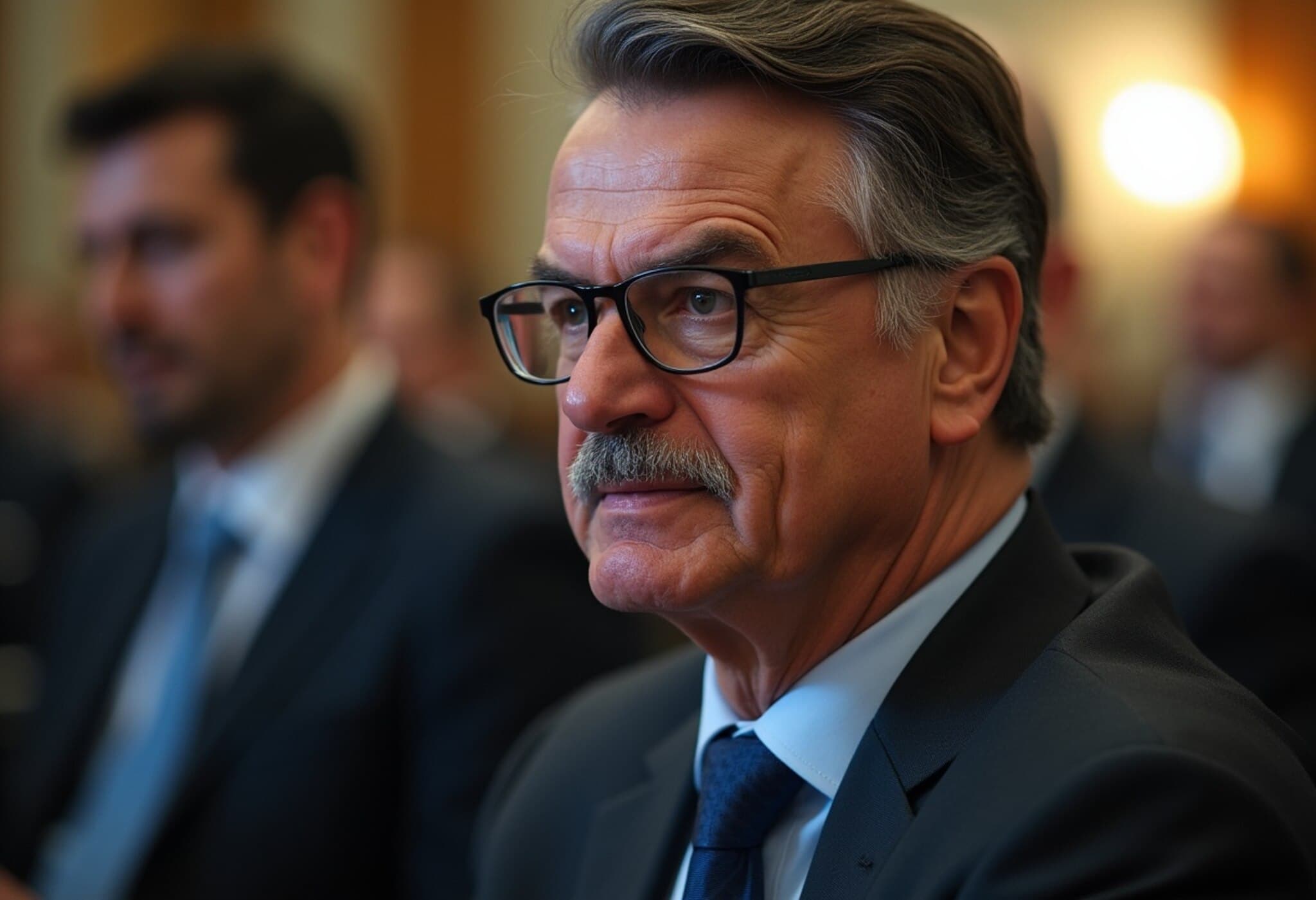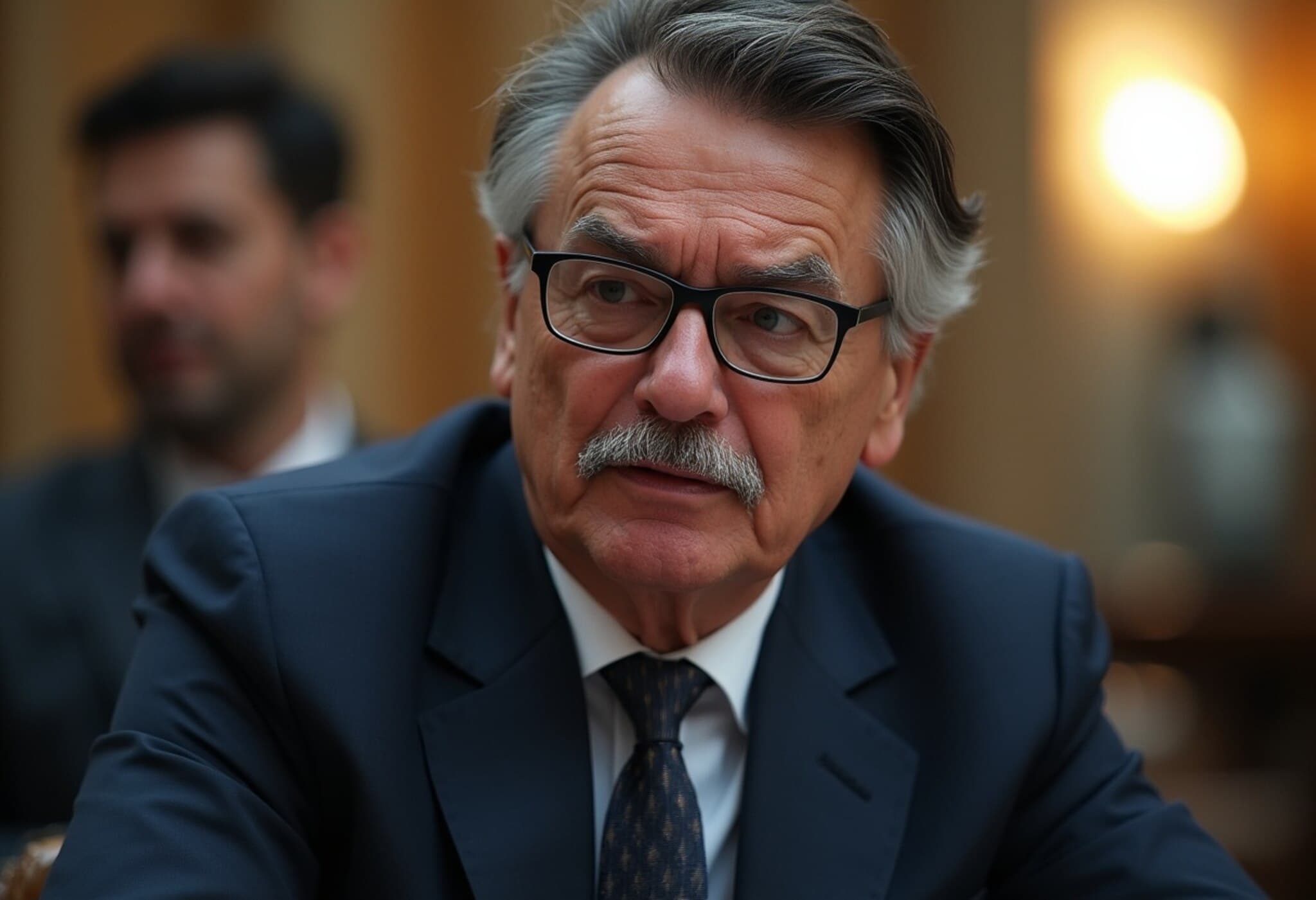

Dutch Foreign Minister Caspar Veldkamp Steps Down Over Israel Sanctions Stalemate
In a striking development reflecting the complexities of international diplomacy and domestic politics, Dutch Foreign Minister Caspar Veldkamp tendered his resignation on Friday, citing an inability to forge consensus within the cabinet on whether to impose sanctions against Israel.
Reported by the Dutch news agency ANP, Veldkamp’s departure underscores deep divisions within Prime Minister Mark Rutte’s coalition government over the Netherlands’ stance amid mounting global scrutiny of Israel’s ongoing military operations and settlement activities.
Unraveling of Cabinet Consensus
Following a tense meeting, Veldkamp expressed frustration in a statement, acknowledging the deadlock constrained his capacity to advocate for stronger diplomatic measures. “I see that I am insufficiently able to take meaningful additional measures to increase pressure on Israel,” he stated, highlighting the cabinet's fractured position.
Despite considerable international and domestic calls for accountability, the Dutch government remains split on the appropriate course. Veldkamp, known for his assertive foreign policy approach, pushed for sanctions and other punitive actions, but his proposals repeatedly encountered resistance among coalition partners reluctant to escalate tensions further.
Political Context and Broader Implications
This resignation reverberates beyond Dutch borders, revealing the difficulties Western democracies face in balancing alliance commitments, human rights concerns, and internal political dynamics. The Netherlands, a key member of the European Union and NATO, has historically championed international law and human rights, but this incident spotlights how coalition politics can impede decisive action on contentious foreign policy issues.
The deadlock also raises critical questions about the effectiveness of multilateral responses to the Israeli-Palestinian conflict, especially as other EU countries contemplate their positions. Last month, Veldkamp notably declared far-right Israeli ministers Itamar Ben-Gvir and Bezalel Smotrich persona non grata in the Netherlands, amplifying tensions with Israel.
Recent Developments and International Reactions
- On Thursday, the Netherlands was among 21 countries endorsing a joint condemnation of Israel’s recent West Bank settlement expansion, branding it "unacceptable and contrary to international law."
- Despite his intention to spearhead further actions, Veldkamp acknowledged during cabinet discussions that he lacked sufficient support to effectively implement sanctions in the near term.
- The resignation exacerbates strain within Prime Minister Rutte’s coalition, already grappling with divergent views on Middle East policy and other pressing domestic issues.
Expert Perspective: Navigating Diplomacy in Divided Governments
Policy analysts note that Veldkamp’s resignation illustrates a common predicament in parliamentary systems, where coalition governments must balance heterogeneous party agendas. Professor Laura Jensen, an expert in European foreign policy at Leiden University, explains:
"When a government coalition is ideologically diverse, foreign policy initiatives—especially on polarizing international conflicts—often become battlegrounds for domestic political interests, sometimes hindering decisive action despite clear international legal frameworks."
This event spotlights how democratic governance involves a complex interplay between ethical foreign policy commitments and pragmatic political realities.
What’s Next for Dutch Foreign Policy?
The departure of Veldkamp leaves a vacuum at a critical moment. It remains to be seen who will succeed him and whether the new foreign minister can bridge coalition divides to adopt a more unified stance.
The episode should also resonate with U.S. and EU policymakers, reminding them that internal political cohesion is vital for launching effective sanctions regimes or diplomatic interventions.
Editor’s Note
The resignation of a sitting foreign minister over Israel sanctions deadlock underscores the challenging balance between national coalition politics and international ethical imperatives. It raises essential questions: How can democratic governments maintain credible foreign policies amid internal disagreements? What role should moral leadership play when coalition compromise stalls action on international law violations?
For the Netherlands, a nation with robust human rights traditions, this moment could mark a turning point in its Middle East diplomacy, reminding observers to watch closely how domestic politics shape global policy responses.