Trump Asserts Mediation Role in India-Pakistan Tensions During Peace Deal Signing
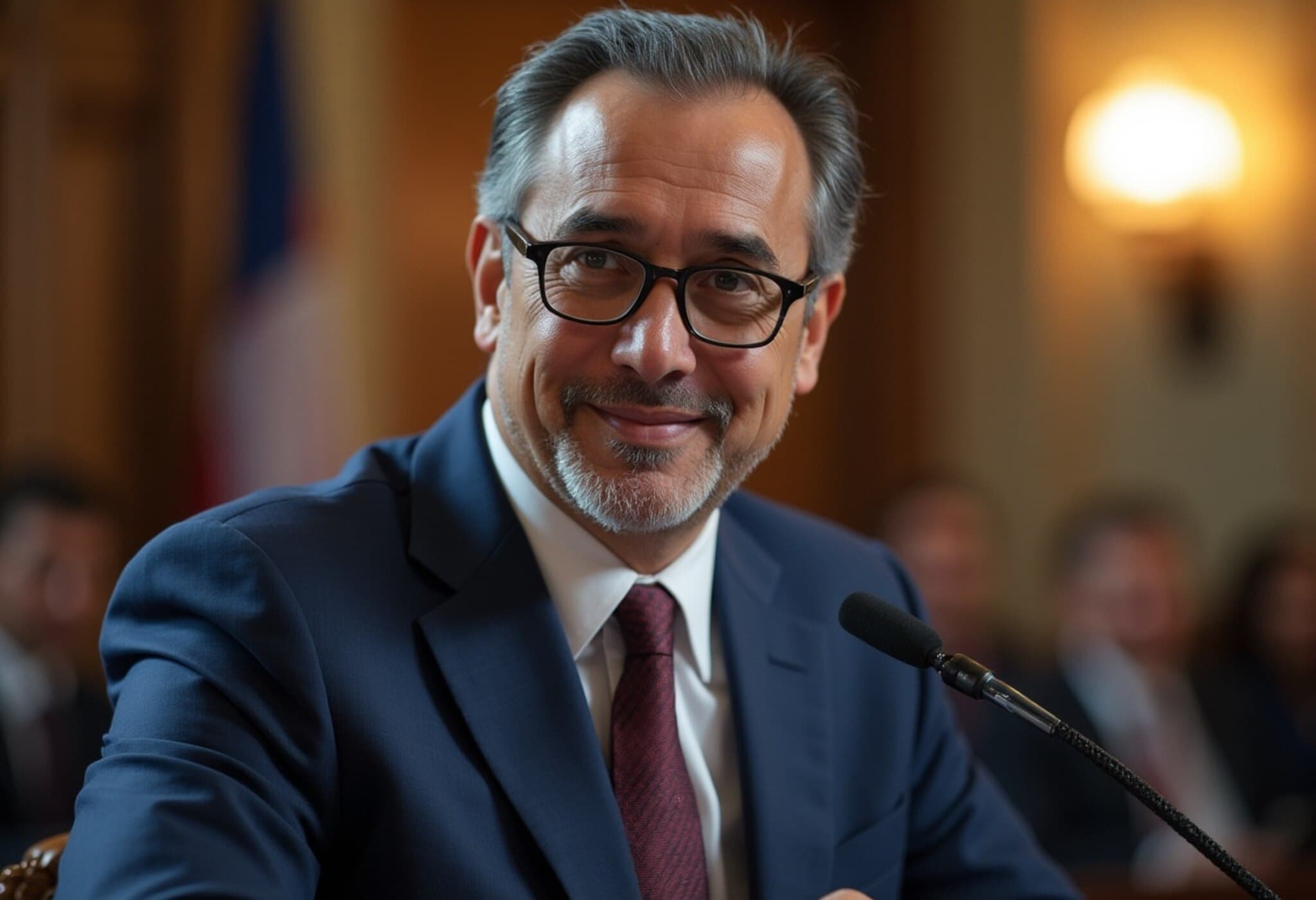
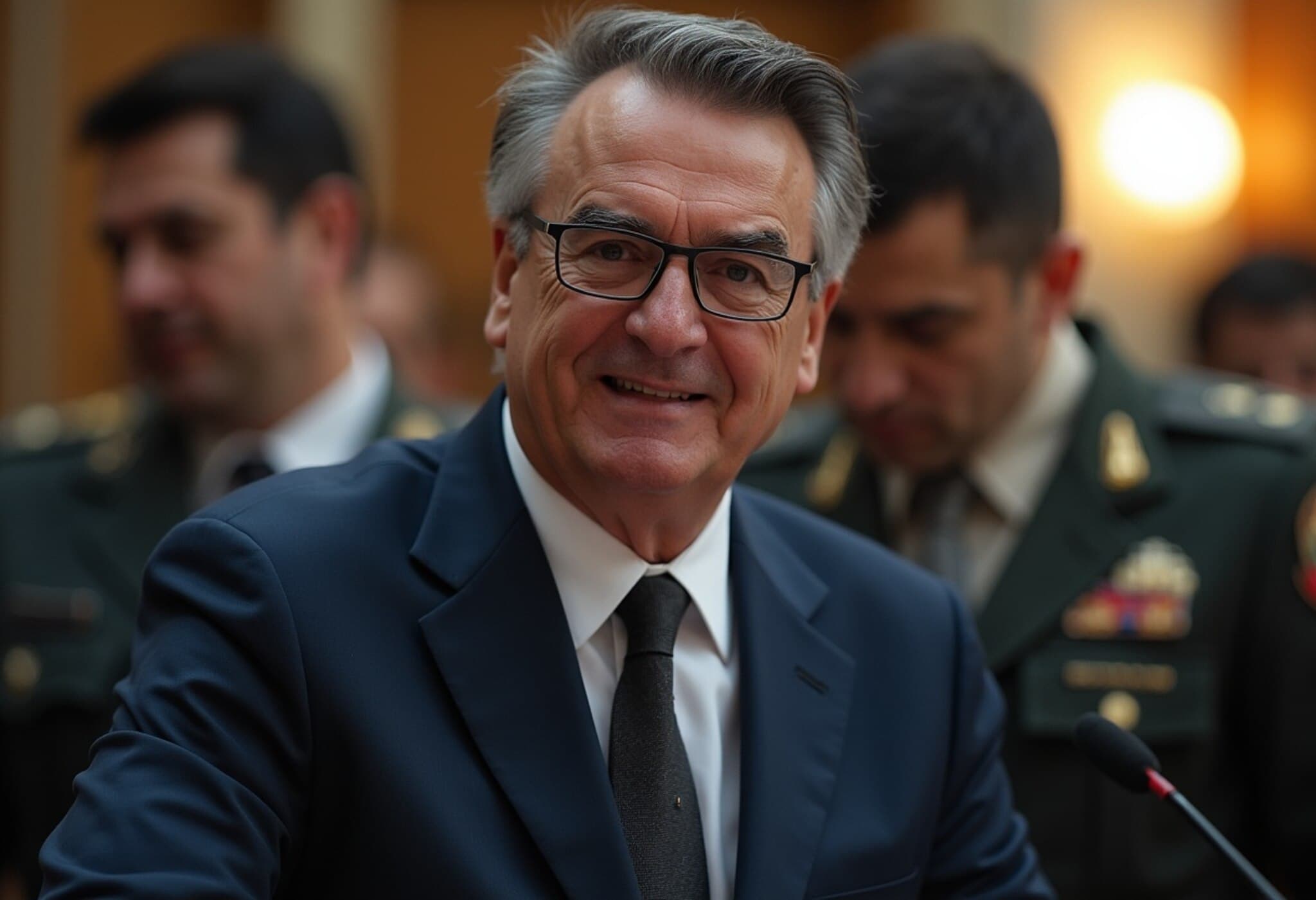
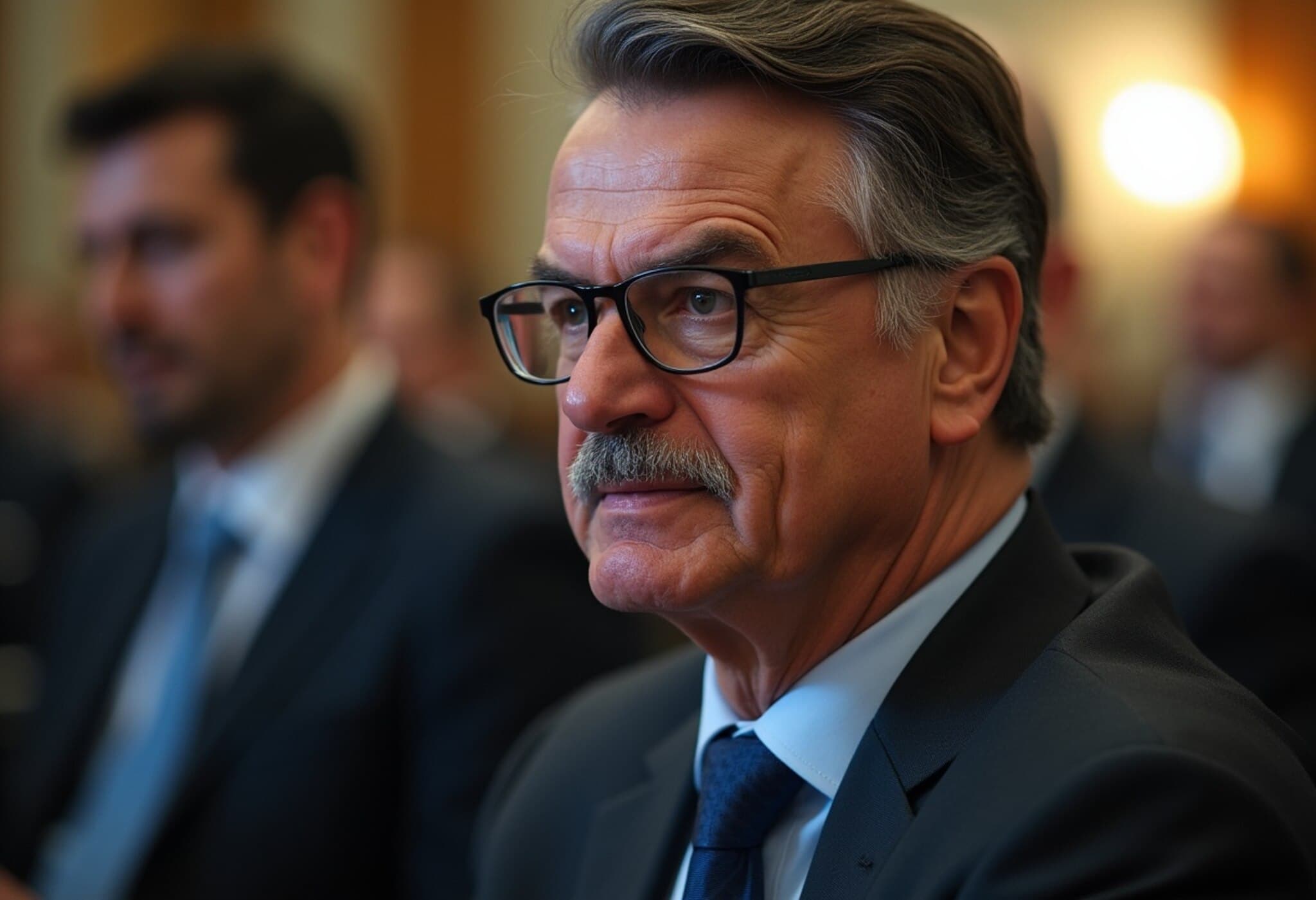
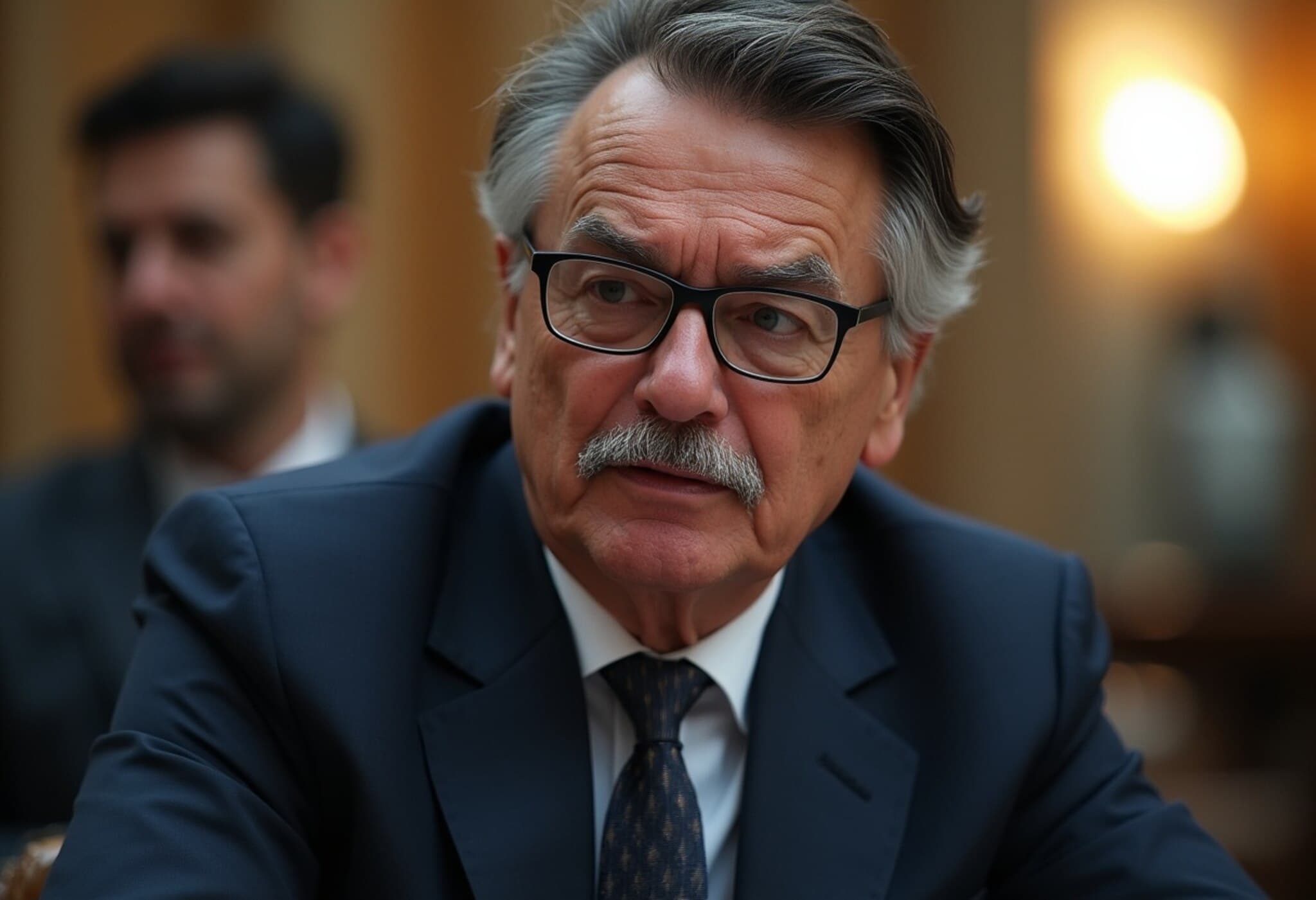
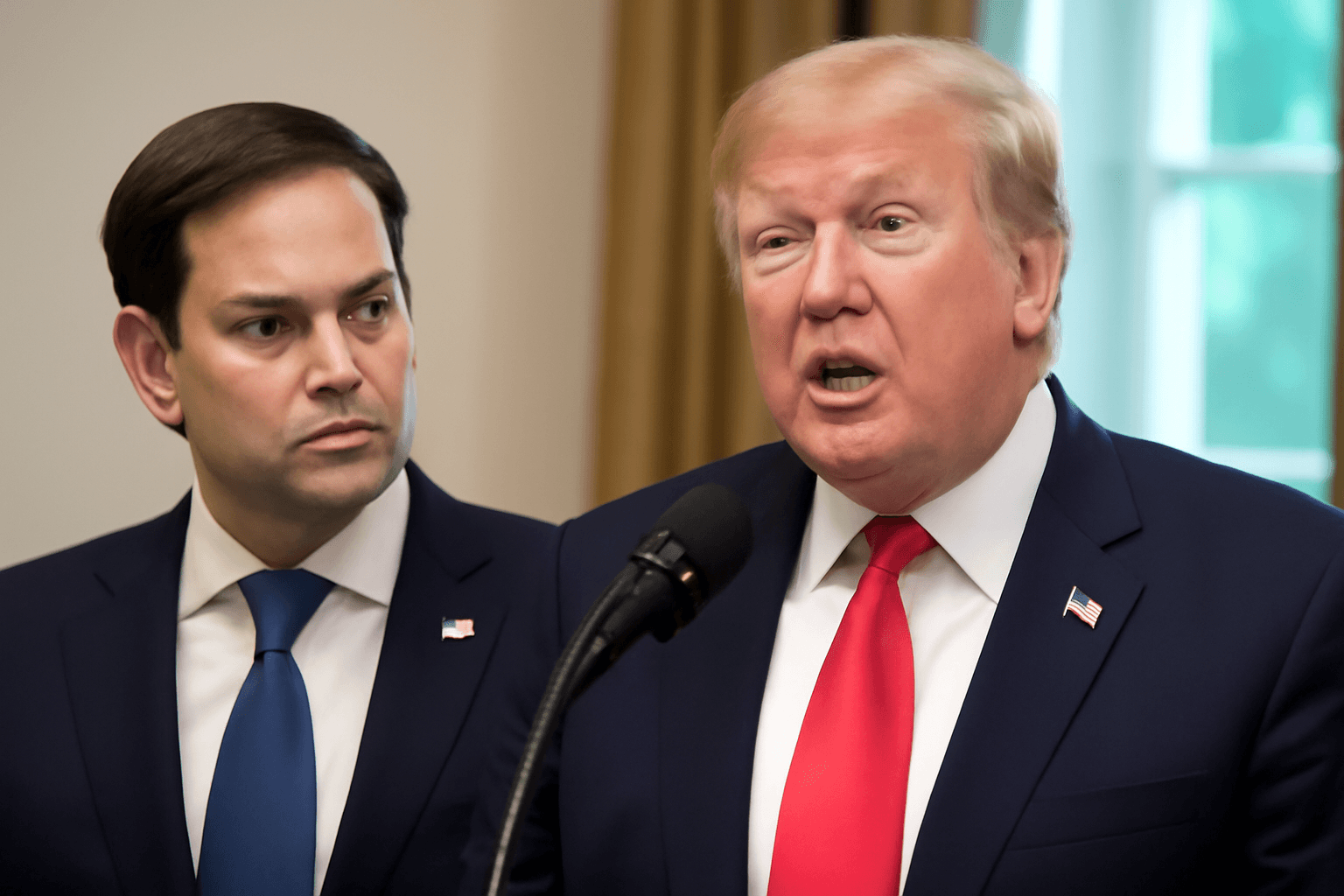
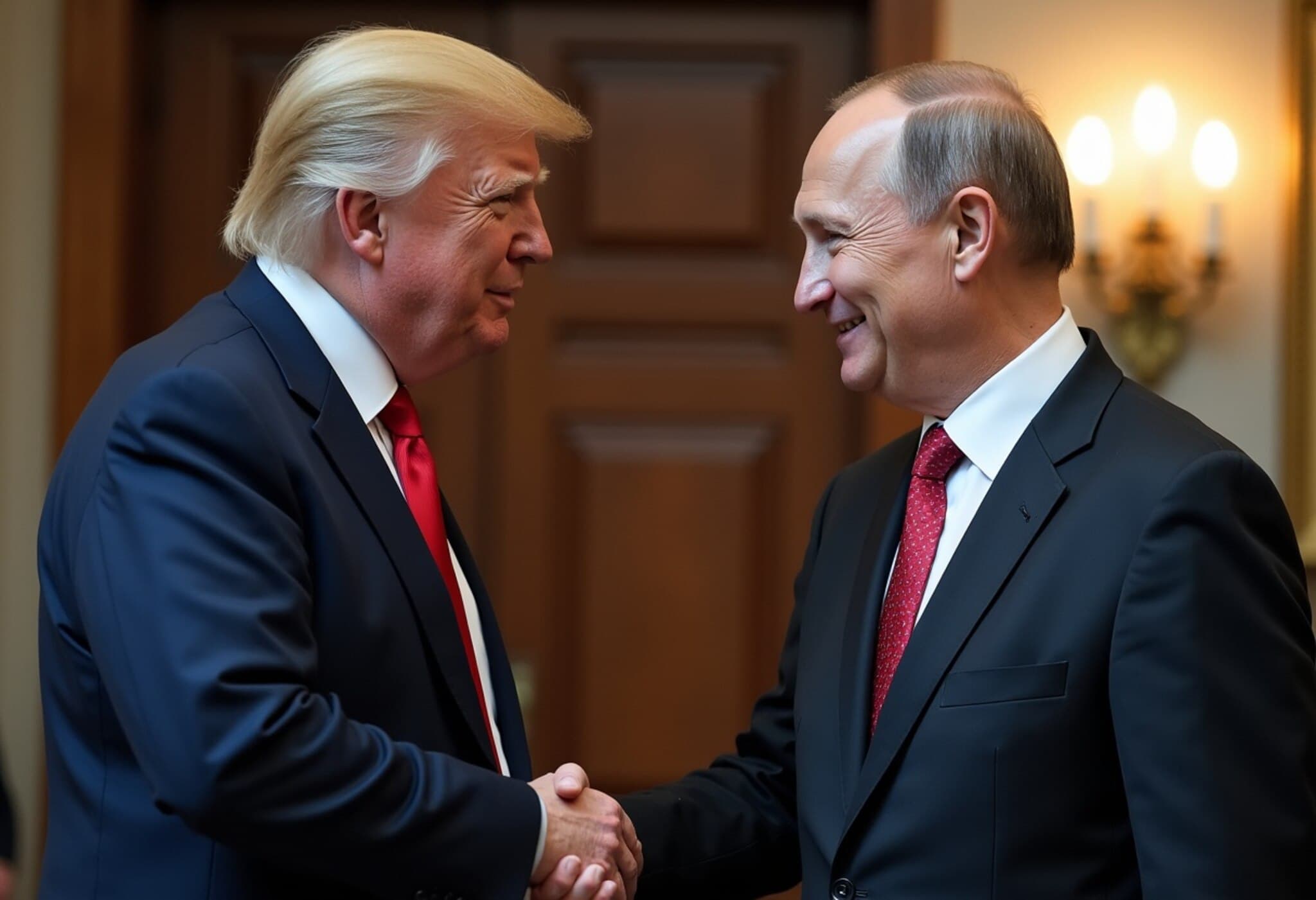
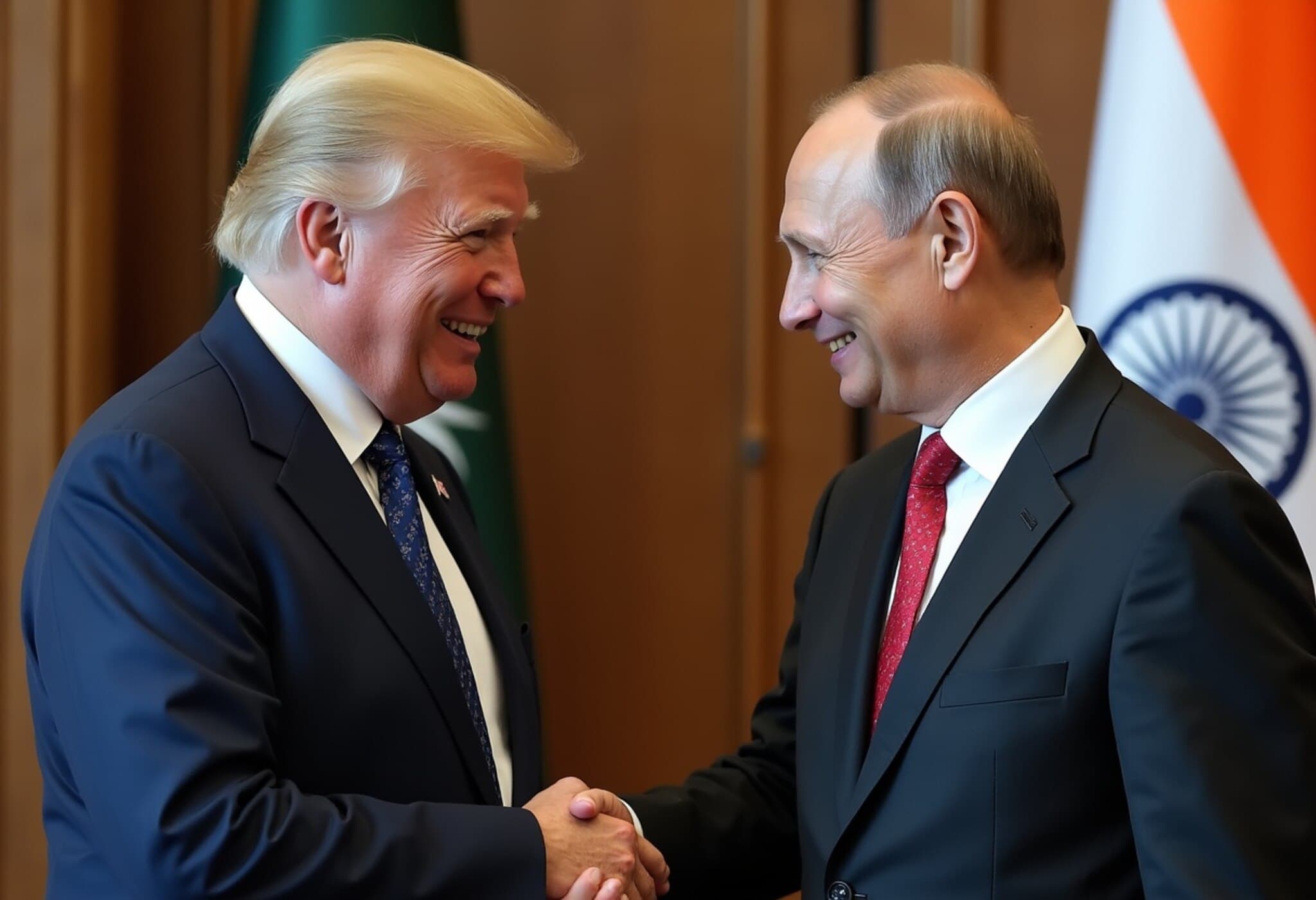
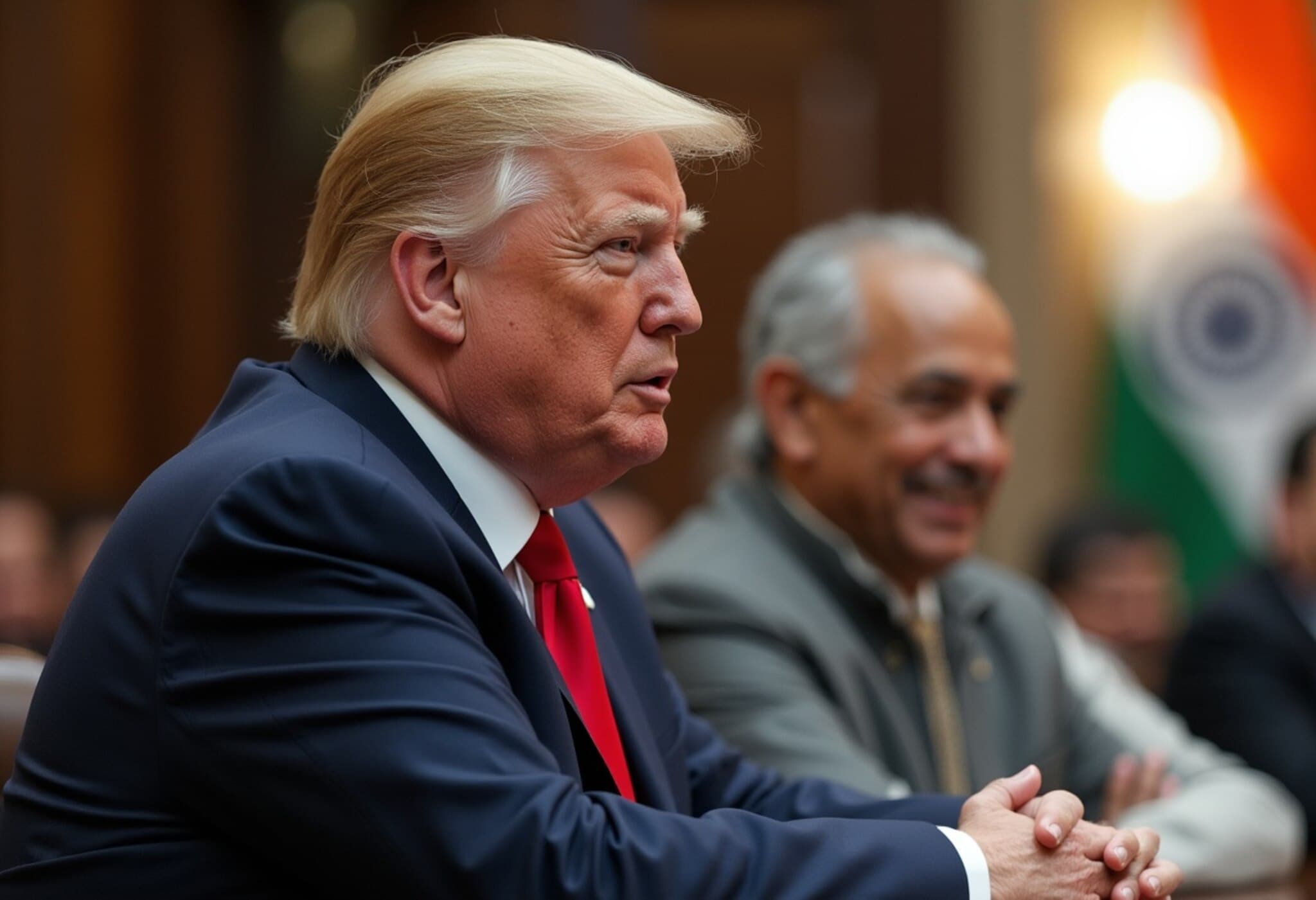
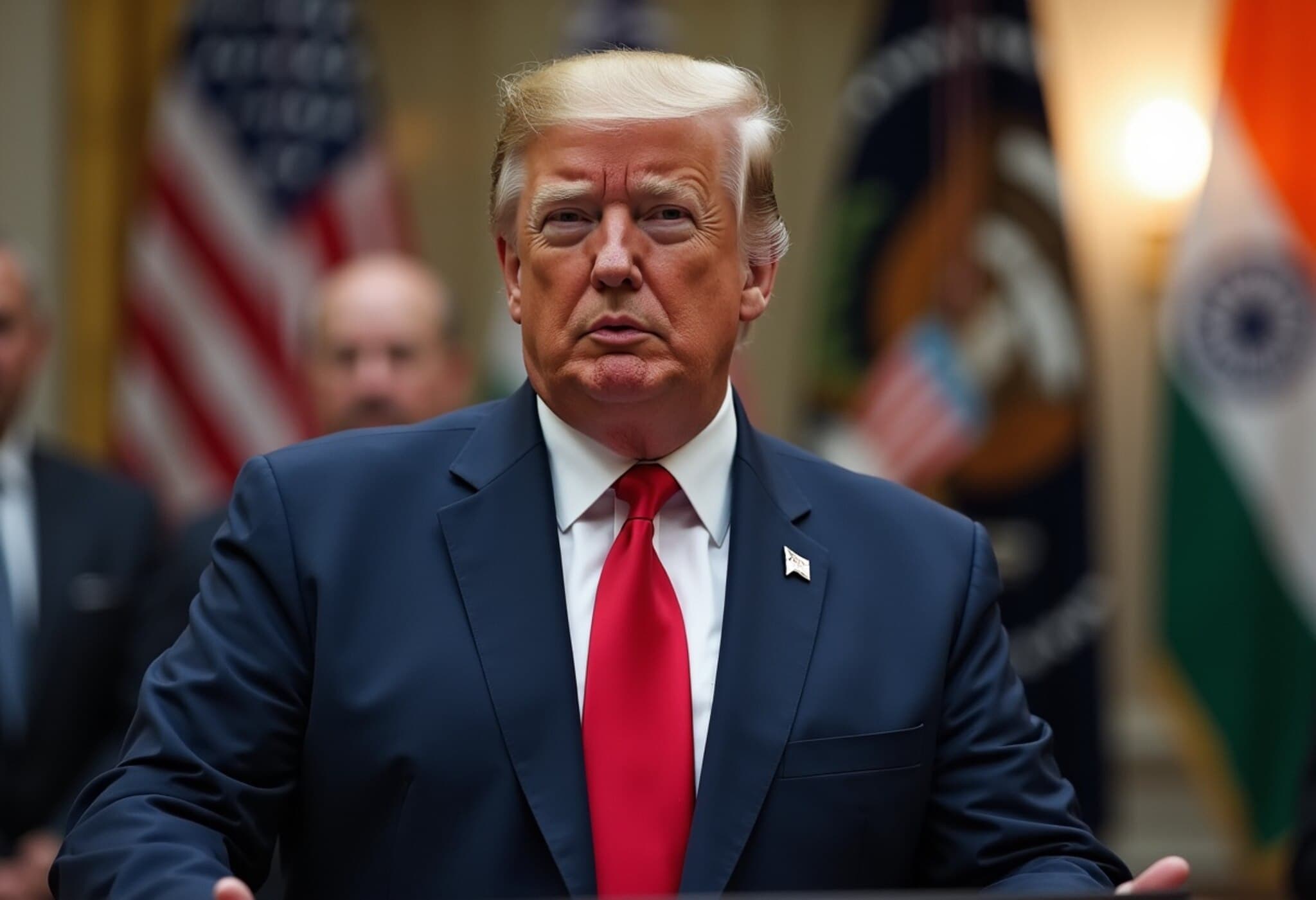
At a recent high-profile trilateral ceremony at the White House, former US President Donald Trump reiterated his claims of having played a pivotal role in calming the volatile tensions between India and Pakistan. The announcement came as Trump stood alongside Azerbaijan's President Ilham Aliyev and Armenia's Prime Minister Nikol Pashinyan, marking the signing of a US-brokered peace agreement that ended decades of conflict between the two Caucasus neighbors.
Revisiting South Asia’s Narrow Escape from Escalation
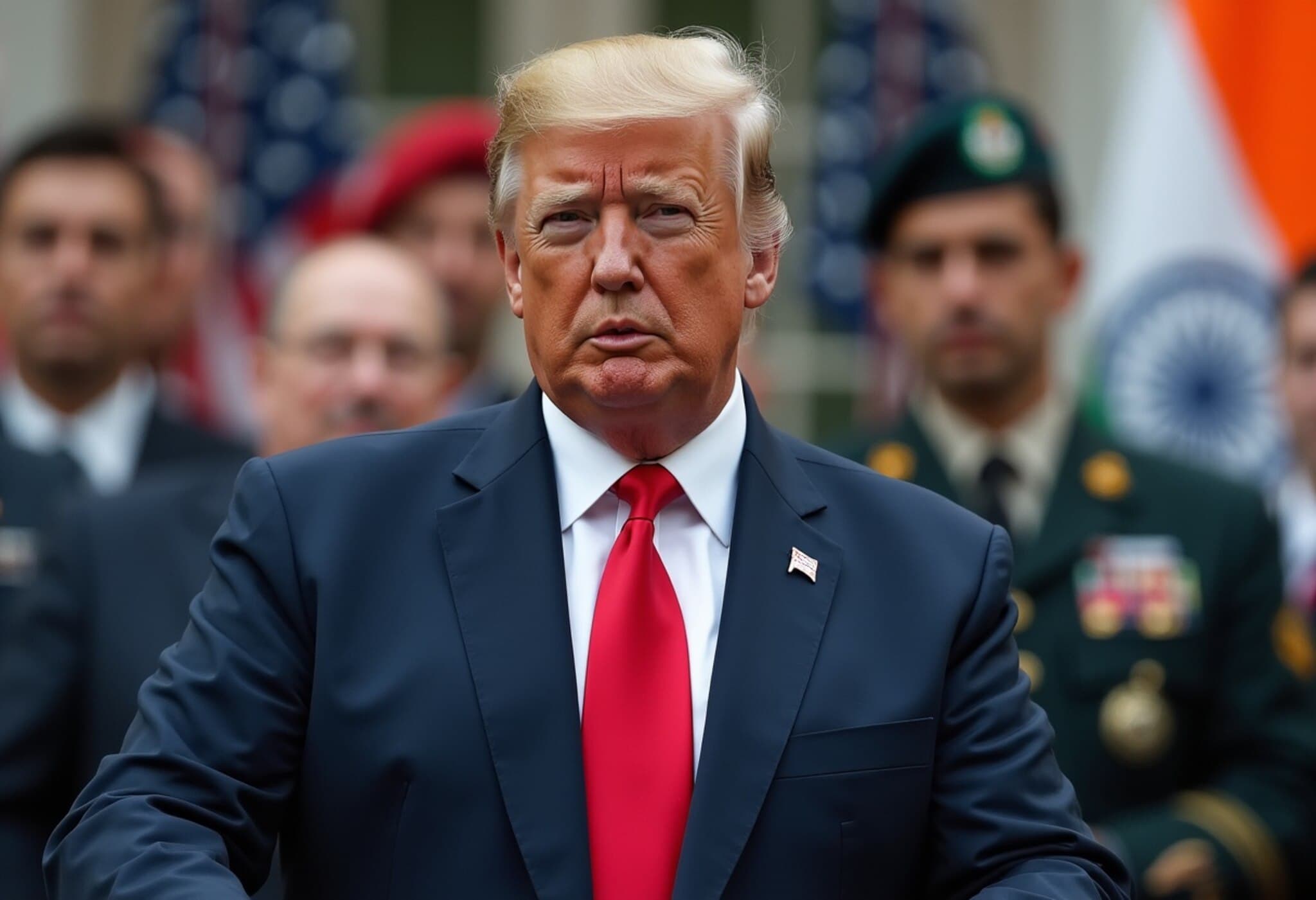
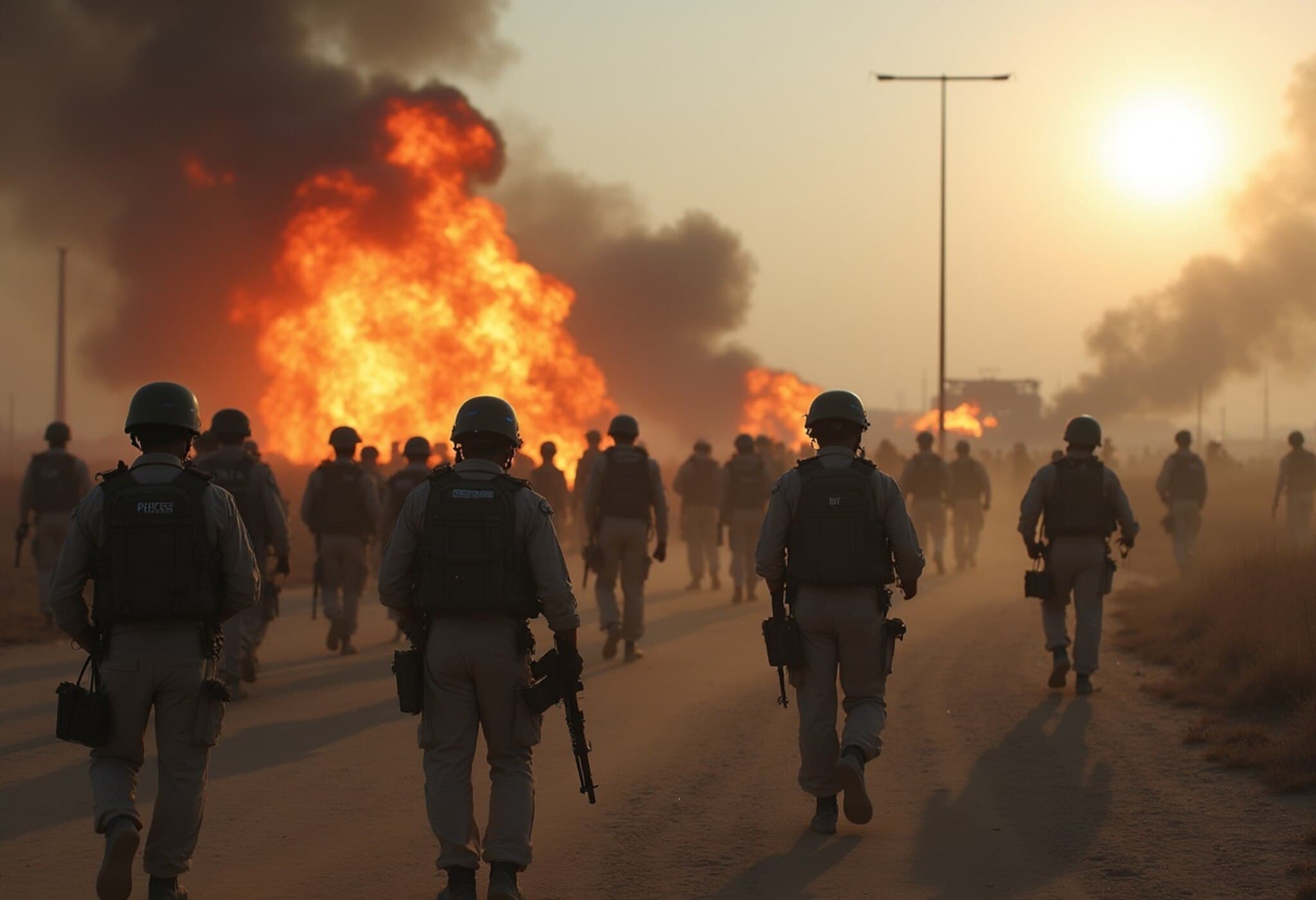
Trump recalled the dangerous brinkmanship during the four-day military skirmish between India and Pakistan, suggesting that their confrontation barely skirted the possibility of a nuclear conflict. "They were going at it big," Trump said during the August 8, 2025 event, emphasizing that "five or six planes got shot down" in the clash, though he did not clarify which side suffered the losses.
While no US official mediation has been acknowledged by India or Pakistan, both countries attribute the cessation of hostilities to direct military dialogue facilitated between their Directors General of Military Operations (DGMO). Independent experts highlight that the de-escalation stemmed mainly from bilateral negotiations rather than external intervention.
Trump’s Broader Peace Narrative: Trade as a Diplomatic Tool
Trump framed his involvement as a byproduct of trade influences rather than conventional diplomacy, underscoring his administration's focus on economic ties as a pathway to stability. "I got things settled with India, Pakistan. I think it was trade more than any other reason," he stated. This perspective echoes Trump’s oft-repeated rhetoric on leveraging commerce to avoid conflicts, a technique that supporters argue can deliver long-term peace through shared interests.
Alongside South Asia, Trump also claimed credit for improving relations in various global hotspots including the longstanding Armenia-Azerbaijan dispute, the tensions between Congo and Rwanda, as well as border conflicts between Thailand and Cambodia. However, analysts caution that attributing complex peace processes to any single actor overlooks the multifaceted diplomacy usually required to resolve entrenched hostilities.
Contextualizing US Involvement and Regional Implications
The US has historically maintained a strategic interest in both South Asia and the Caucasus regions due to their geopolitical significance. Any claimed US role in defusing India-Pakistan tensions feeds into broader narratives about American global peacemaking influence. Yet the lack of official confirmation from the governments most directly involved tempers the narrative of unilateral mediation.
Moreover, Trump's comments come amid ongoing debates within American policy circles about the effectiveness of top-down diplomatic posture versus grassroots, multilateral peace-building efforts. His remarks prompt critical reflection on how peace is conceptualized and credited between nations with longstanding conflicts.
Trump on Ukraine, Nobel Peace Prize, and Global Stability
In his remarks, Trump also addressed the war in Ukraine, hinting at progress towards resolution and emphasizing NATO's role in increasing military expenditures to support the conflict’s end. Additionally, Trump dismissed speculation about seeking the Nobel Peace Prize, emphasizing that his motivation remains rooted in saving lives above political recognition.
Expert Analysis: Understanding the Limits of Presidential Claims in Conflict Resolution
International relations scholars note that while political leaders often highlight their peace achievements, durable conflict resolution typically results from complex negotiations involving multiple stakeholders. The India-Pakistan ceasefire, widely reported as stemming from direct military dialogue, exemplifies how bilateral engagement remains vital even amid global powers' outreach.
Furthermore, the conflation of trade and peace, as advocated by Trump, requires cautious appraisal. Economic interdependence may reduce incentives for war, but it does not inherently resolve deep-rooted political disputes or historical grievances. Peace processes often necessitate layered approaches blending diplomacy, economic cooperation, and confidence-building measures.
Looking Ahead: Questions for Policy Makers and Observers
- How can US diplomacy better support verifiable peace initiatives without overshadowing regional actors’ agency?
- What role should economic strategies play alongside diplomatic negotiations in minimizing cross-border conflicts?
- Can high-profile declarations of mediation advance or undermine trust between longtime adversaries?
- In what ways might lessons from Armenia-Azerbaijan’s peace process inform South Asian conflict management?
Editor’s Note
Donald Trump’s assertions of mediating peace between India and Pakistan add a compelling chapter to the narrative of US global diplomacy but also raise important questions about the framing and recognition of peace efforts. This episode invites a deeper examination into how national and international actors credit conflict resolution, the balance between economic and military dialogue in diplomacy, and the complexities underlying claims of ‘settling’ fraught disputes. For readers and policymakers alike, understanding these dynamics is crucial as the global community grapples with preventing the escalation of conflicts in geopolitically sensitive zones.