María Corina Machado Absents Herself from Nobel Peace Prize Ceremony
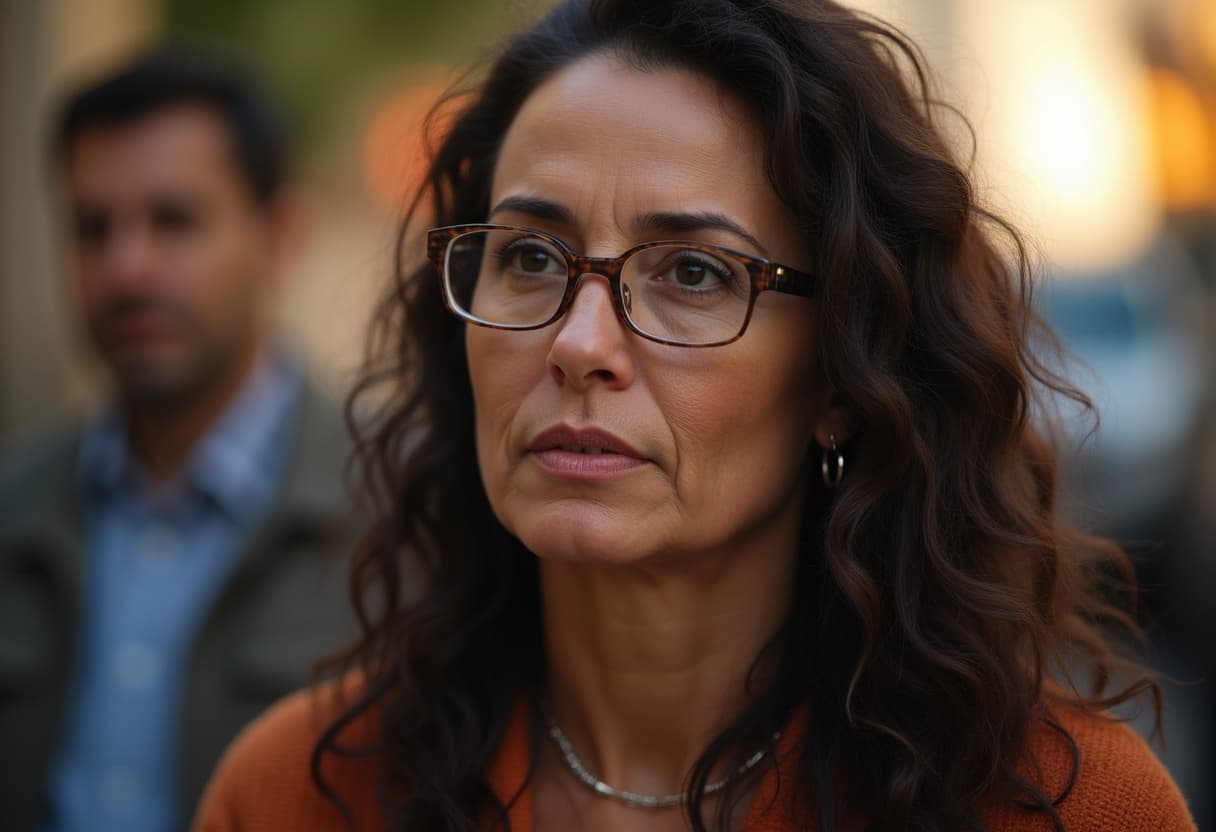
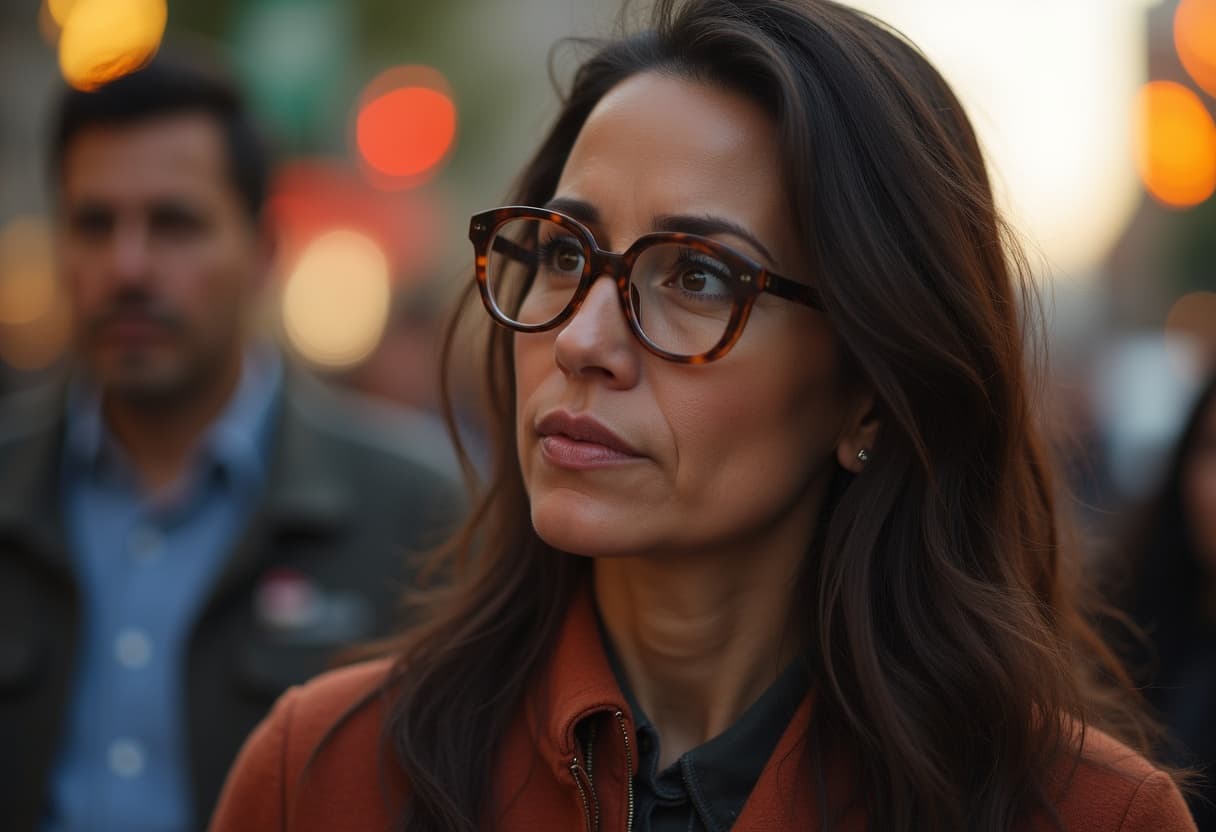
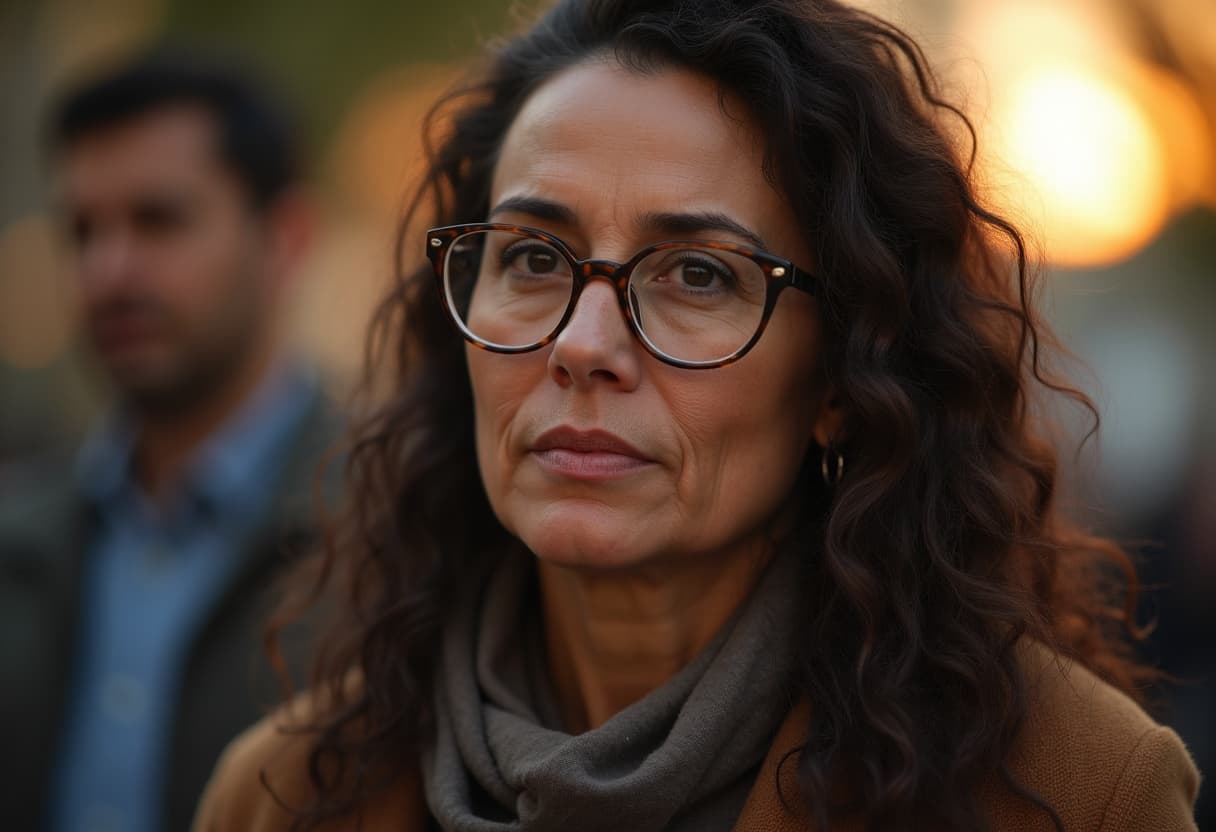
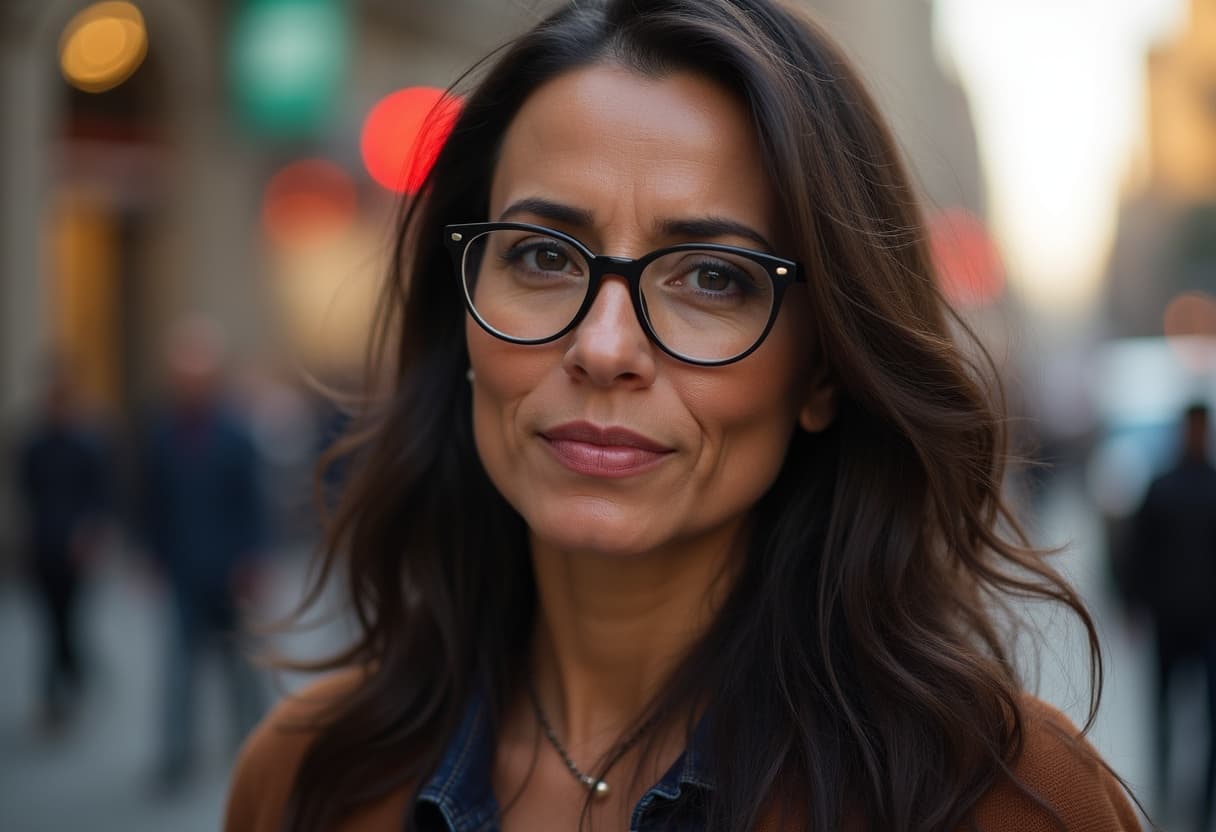
María Corina Machado, the Venezuelan opposition figure named the recipient of the 2025 Nobel Peace Prize, will not personally appear at the award ceremony scheduled in Oslo, Norway. Kristian Berg Harpviken, director of the Norwegian Nobel Institute, confirmed to Norway's state broadcaster NRK that Machado was not present in Oslo on the day of the event and would not join the ceremony at Oslo City Hall.
A Symbolic Recognition Amid Political Turmoil
Machado, widely regarded as a de facto opposition leader in Venezuela, has been recognized internationally for her relentless advocacy for democracy and human rights amidst Venezuela's deep political crisis. Her absence from the ceremony shines a light on the ongoing risks opposition leaders face in authoritarian contexts. According to NRK, Machado’s daughter, Ana Corina Sosa, will stand in to accept the prize on her behalf, underscoring the familial and personal sacrifices involved in such political dissent.
Context: Venezuela's Political Landscape and Machado’s Role
Since the deeply contested 2024 elections in Venezuela, Machado’s public appearances have become increasingly rare, as reports suggest she has been in hiding to evade persecution. Her leadership has been instrumental in mobilizing civil society and international attention towards restoring democratic governance in a country mired in economic hardships, international sanctions, and political repression.
Experts observe that awarding the Nobel Peace Prize to Machado not only celebrates her courage but also amplifies the international community’s concern about Venezuela’s ongoing democratic backsliding. As an emblematic figure, Machado’s situation raises critical questions about the safety and effectiveness of international awards in effecting change when recipients face immediate dangers at home.
Implications for International Recognition and Political Dissent
- Visibility vs. Security: Machado’s absence highlights the tension between gaining international recognition and the personal risk for dissidents under authoritarian regimes.
- Diplomatic Pressure: The Nobel Committee's choice signals pressure on the Venezuelan government while providing moral support to democratic advocates.
- Global Attention: The award aims to keep Venezuela’s plight on the international agenda amid competing global crises.
While the Norwegian Nobel Institute has not elaborated further on Machado’s whereabouts or reasons beyond the public statement, her absence serves as a poignant reminder of the precariousness many activists endure.
Looking Forward: What Machado’s Nobel Means for Venezuela and Beyond
As her daughter accepts the honor, global policymakers and human rights advocates face the challenge of translating symbolic victories into practical support for Venezuelan democracy. The 2025 Nobel Peace Prize spotlights the resilience of opposition movements under authoritarian pressure and invites intensified dialogue on safeguarding political freedoms and human rights worldwide.
Editor’s Note
María Corina Machado’s Nobel Peace Prize is a beacon of hope for Venezuela’s democracy but also a stark reflection of the risks activists face when authoritarianism tightens its grip. Her absence from the Oslo ceremony raises pressing questions about international mechanisms to protect outspoken leaders and whether symbolic accolades can lead to substantive political change. As the world watches closely, Machado’s story underscores the profound human courage behind political struggles and the global responsibility to support democratic resilience.