María Corina Machado Steps Back into the Spotlight Amid Rising Pressure on Maduro
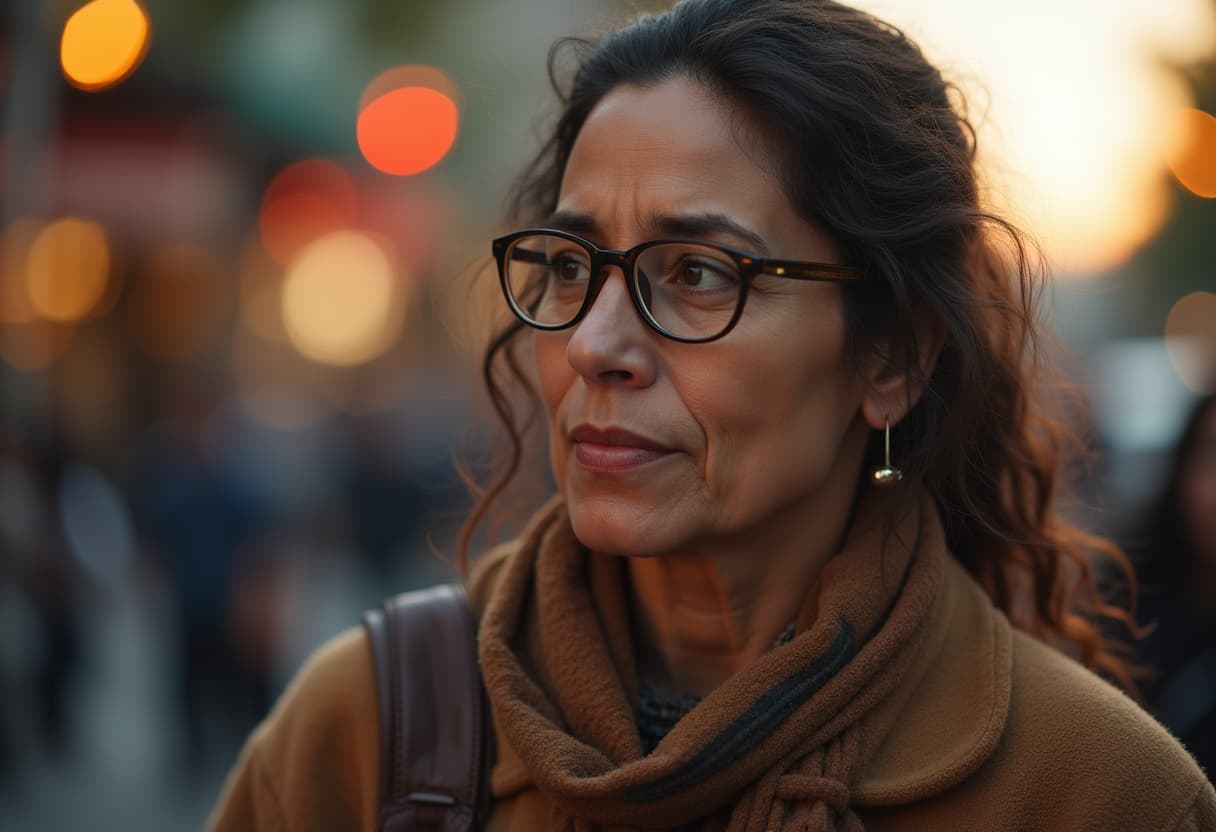
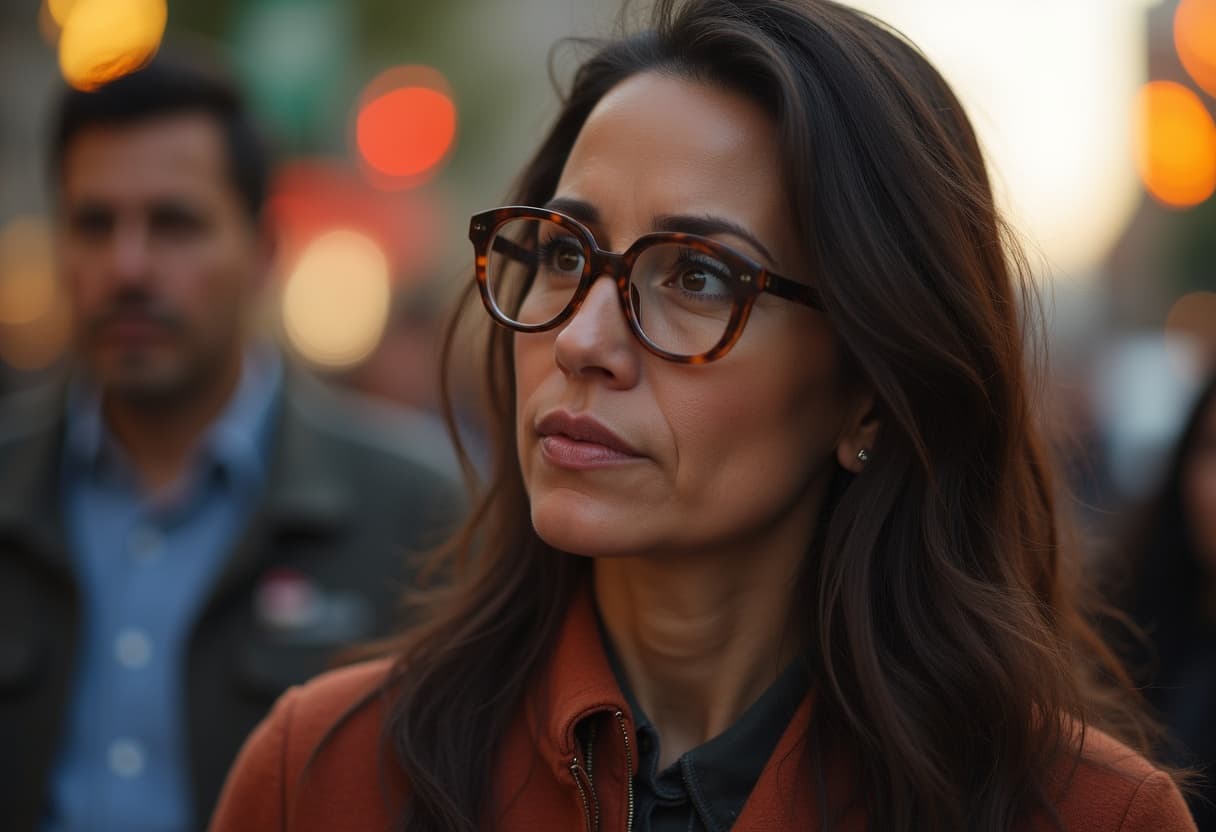
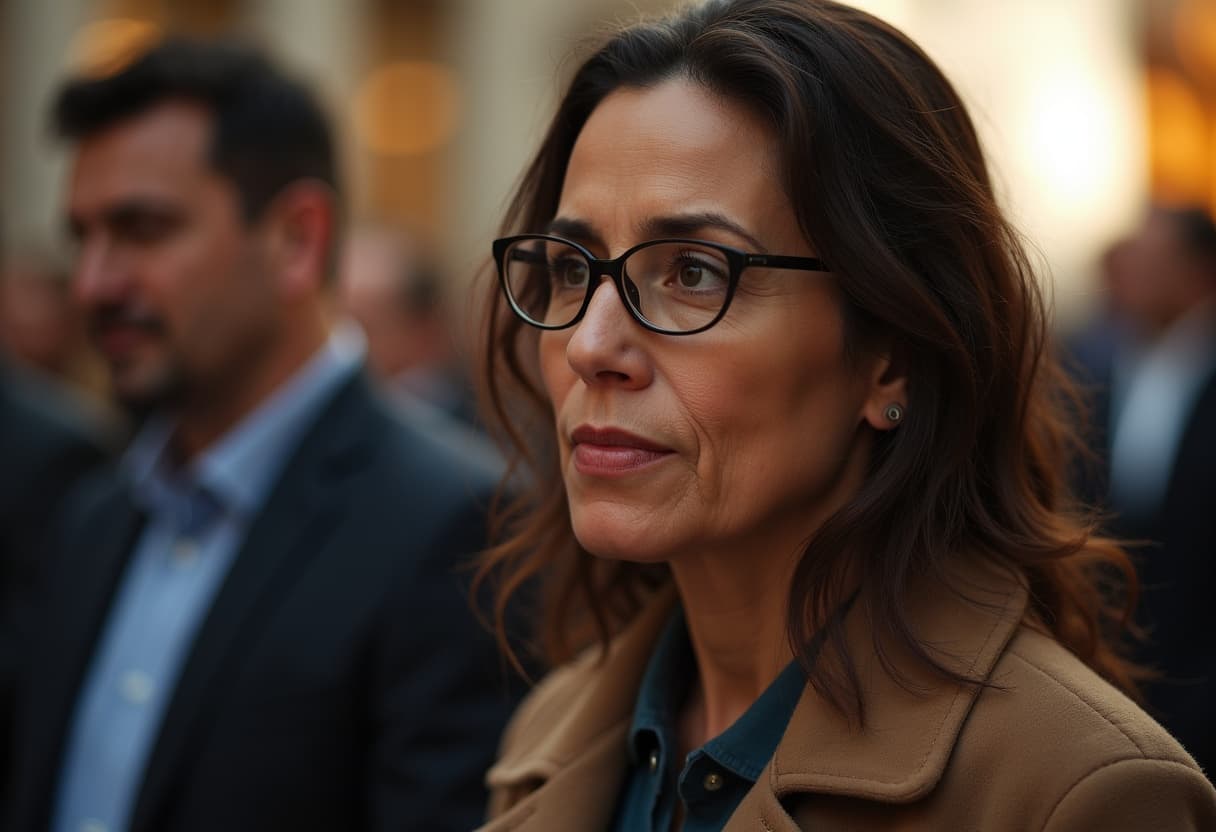
After over a year of laying low, María Corina Machado, renowned Venezuelan opposition leader and Nobel Peace Prize winner, made a powerful return to the international stage on December 11, 2025. Speaking from Oslo alongside Norwegian Prime Minister Jonas Gahr Store, Machado reaffirmed her unwavering commitment to restoring democracy in Venezuela and bringing an end to President Nicolás Maduro's authoritarian regime.
Context: A Country in Turmoil and International Pressure Builds
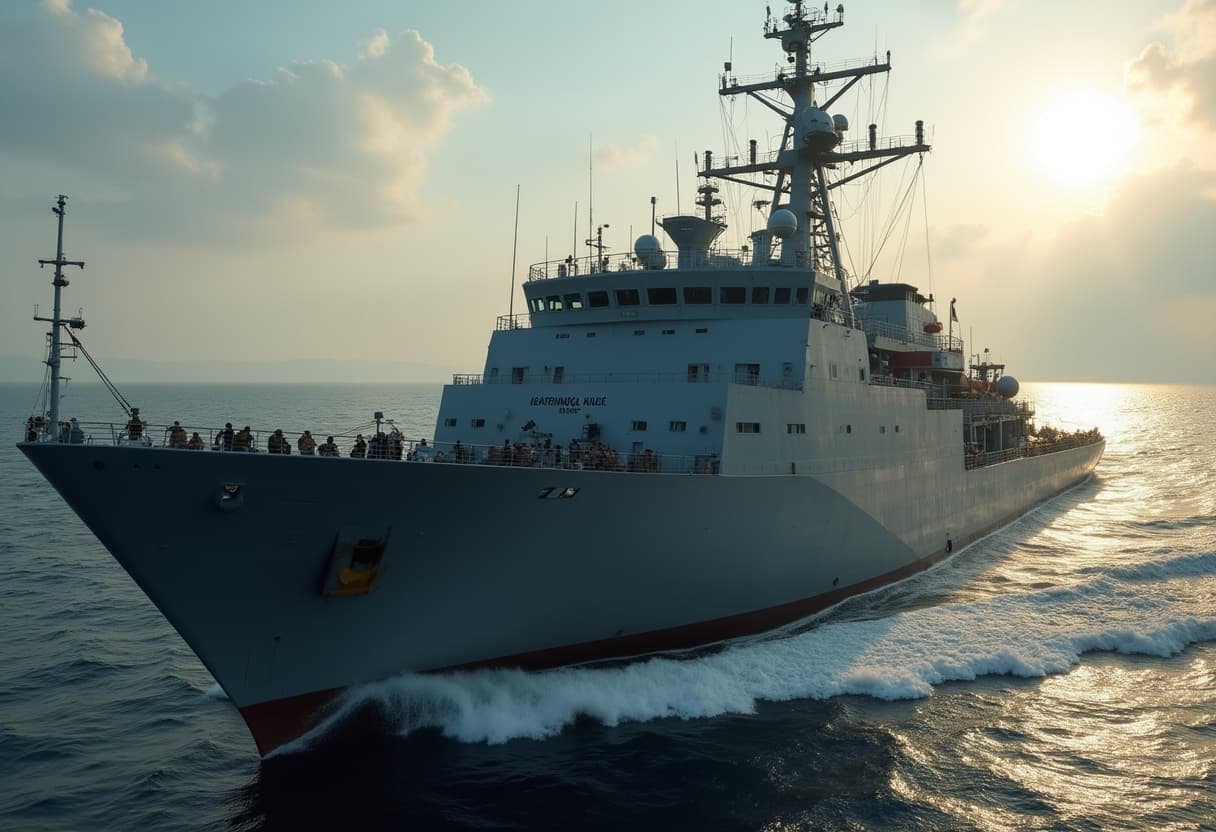
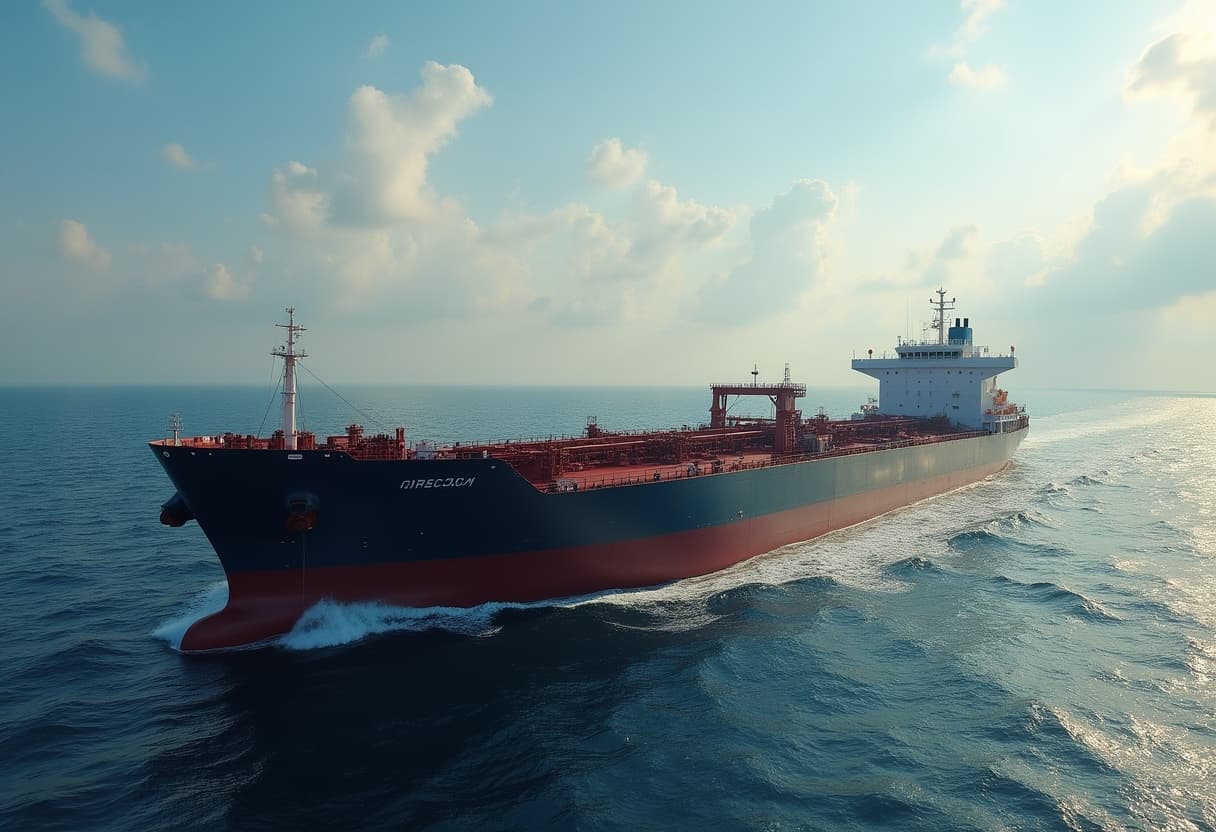
Machado's re-emergence coincides with intensified diplomatic and military activity by the United States, which has sharply escalated its campaign against Maduro's government. Just a day prior, the U.S. Navy intercepted an oil tanker near Venezuela's territorial waters amid allegations of illicit shipments sustaining Maduro’s regime.
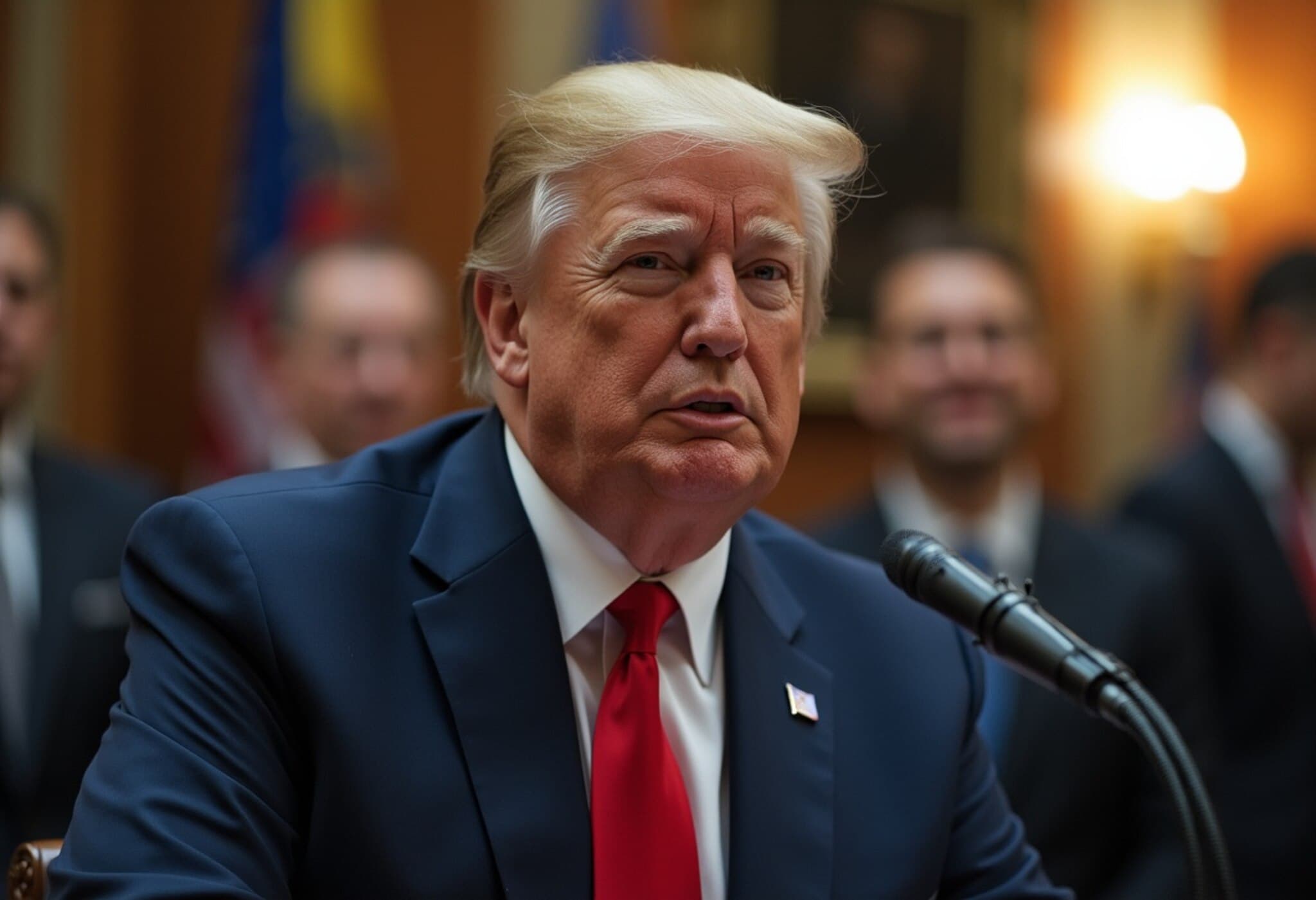
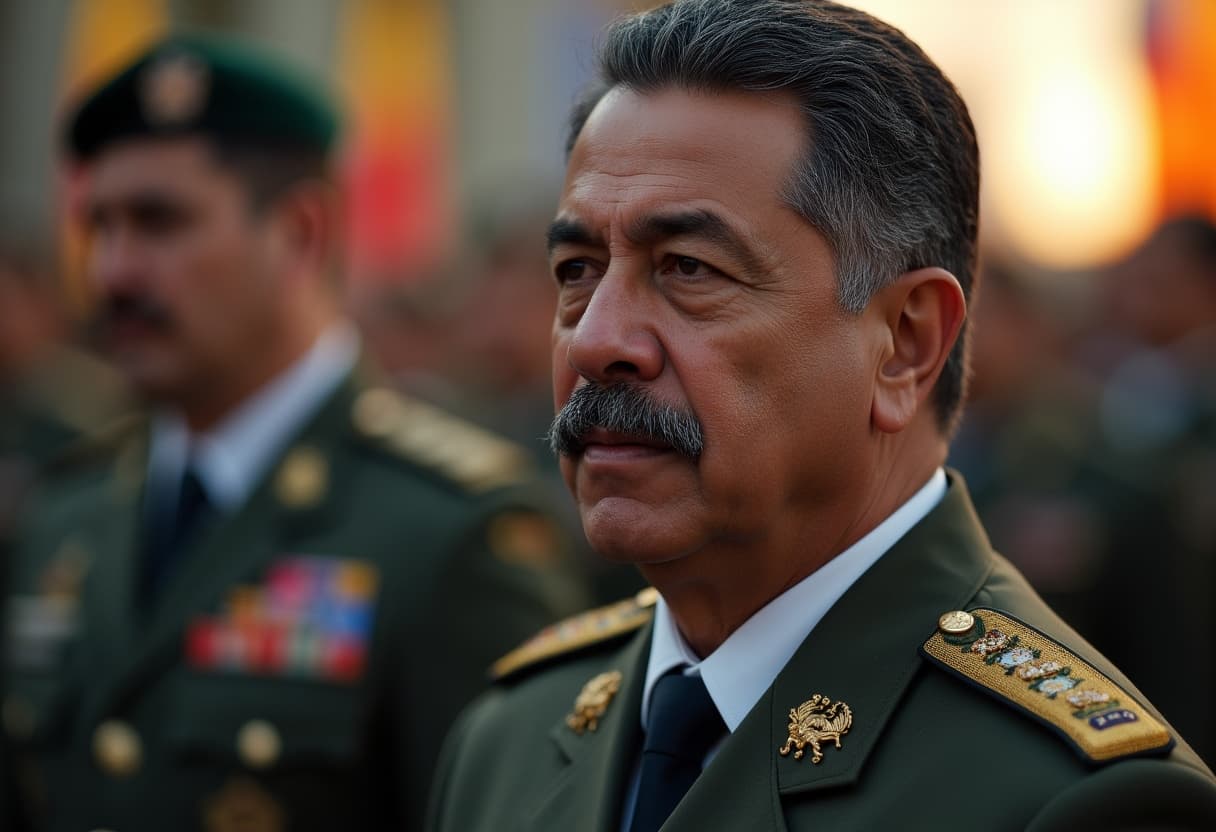
The Trump administration has branded Maduro as a dangerous criminal mastermind, accused of entrenching Venezuela as a hub for drug trafficking and criminal networks impacting U.S. national security. Machado has consistently backed these claims, portraying Maduro's governance as intertwined with hostile foreign powers.
Machado’s Accusations: A Regime Entwined with Global Threats
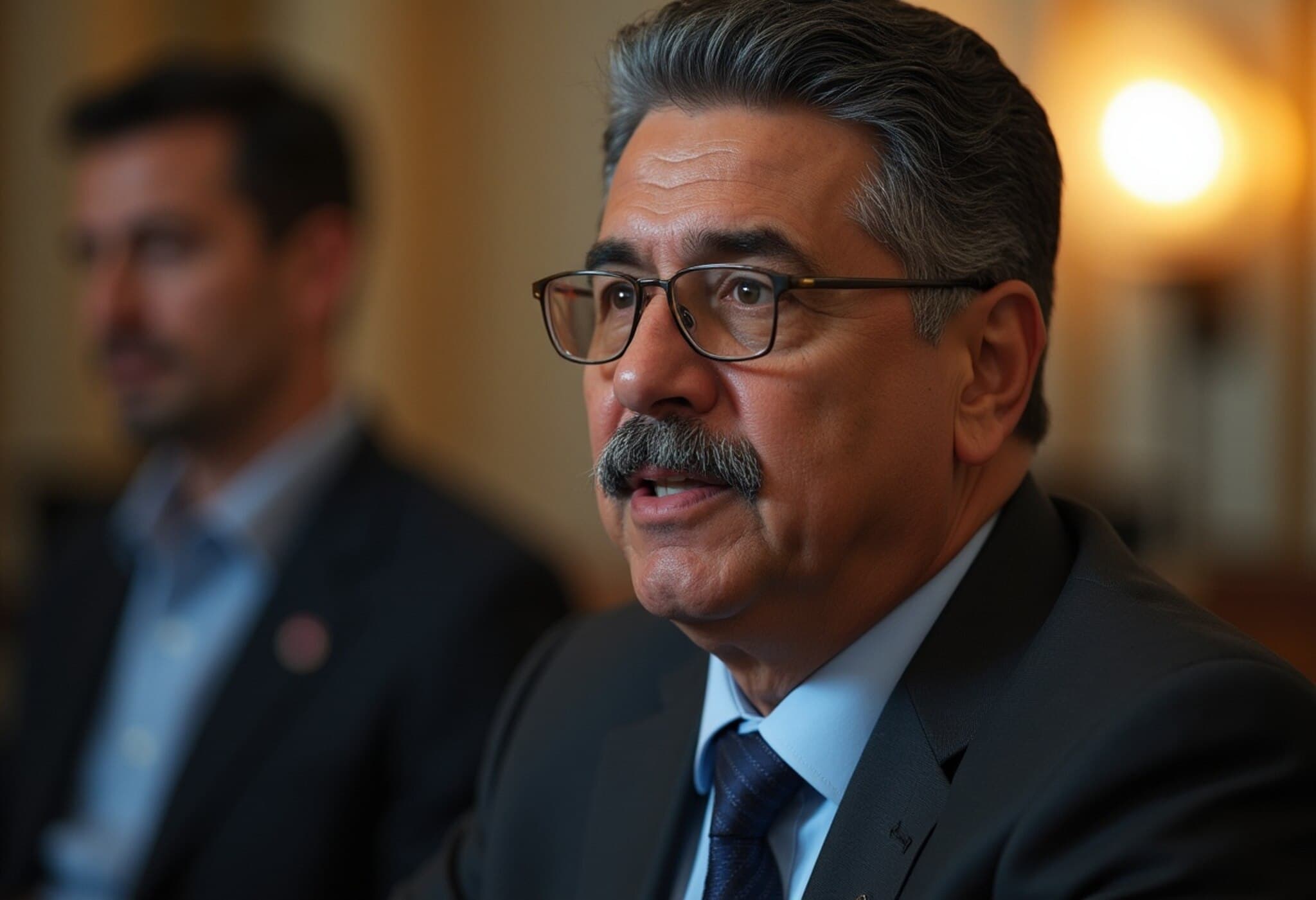
In Oslo, Machado painted a stark picture of Venezuela’s current reality: “Venezuela has already been invaded,” she asserted, citing the presence of Russian and Iranian agents along with terrorist groups such as Hezbollah and Hamas operating under Maduro’s protection. While Venezuela maintains strong economic ties with Iran, Russia, and China, including lucrative oil trades, independent verification of such militant group operations remains elusive.
Beyond geopolitical rhetoric, Machado stressed that Maduro continues to bankroll his autocracy through highly illegal activities: gold smuggling, human trafficking, narcotics, and unauthorized oil sales—all generating cash to tighten his grip on power.
Complex Economic Realities and Contradictions
Despite Maduro’s vilification, Venezuela’s state oil company remains deeply intertwined with the American energy sector. For example, Chevron – a major U.S. oil corporation – continues to export Venezuelan crude to the United States, defying some aspects of the U.S. government's hardline stance.
This juxtaposition underscores the multifaceted challenges facing Washington's policies—where economic interests intersect awkwardly with geopolitical and human rights concerns.
Personal Sacrifice and the Human Face of Political Struggle
Machado’s press conference also revealed the personal toll endured over her time away from the public eye. Arriving in Oslo shortly after her daughter Ana Carina Sosa Machado arrived on her behalf, Machado openly shared moving moments of reunion with her three children for the first time in over a year.
“I couldn’t sleep last night, going over and over again about the first instant when I saw my children,” she said, visibly moved. This poignant glimpse into her private hardships humanizes a leader often seen only through the lens of political conflict.
Expert Insight: What Lies Ahead for Venezuela and U.S. Policy?
From an American policy perspective, Machado’s resurgence signals the enduring struggle to promote democracy in Venezuela without triggering deeper regional instability or unintended consequences. While the U.S. government’s strategy under the Trump administration focuses on maximal economic and diplomatic pressure — including controversial naval operations — questions remain on the effectiveness and morality of these approaches.
Experts caution that a solely punitive strategy risks alienating the Venezuelan population further and empowering entrenched criminal networks. Constructive engagement and support for civil society leaders like Machado are critical yet fraught with geopolitical complexity.
Underreported Dimensions
- Machado’s role as a woman leader navigating a predominantly male opposition landscape.
- The emotional costs borne by political dissidents and their families.
- The nuanced economic dependencies between Venezuela and U.S. corporations like Chevron.
- The broader Latin American regional dynamics influencing Venezuela’s crisis.
Looking Ahead: The Road to Democracy or Continued Turmoil?
As María Corina Machado reengages with the international community and Venezuelan opposition, her call to action underscores a critical juncture for the nation. Can renewed global attention translate into meaningful change on the ground, or will Venezuela’s entrenched power structures continue to hold firm?
Editor’s Note:
Machado’s story is emblematic not only of Venezuela’s political saga but also of the human costs underlying protracted conflicts. Her courageous voice brings vital perspectives often missing from geopolitical headlines — reminding us that behind every headline are real families grappling with oppression and hope. As international actors weigh strategies, it is imperative to balance pressure with empathy and to prioritize sustainable, inclusive paths toward democracy.