
U.S. Military Raid in Venezuela Sparks National Shock and Uncertainty
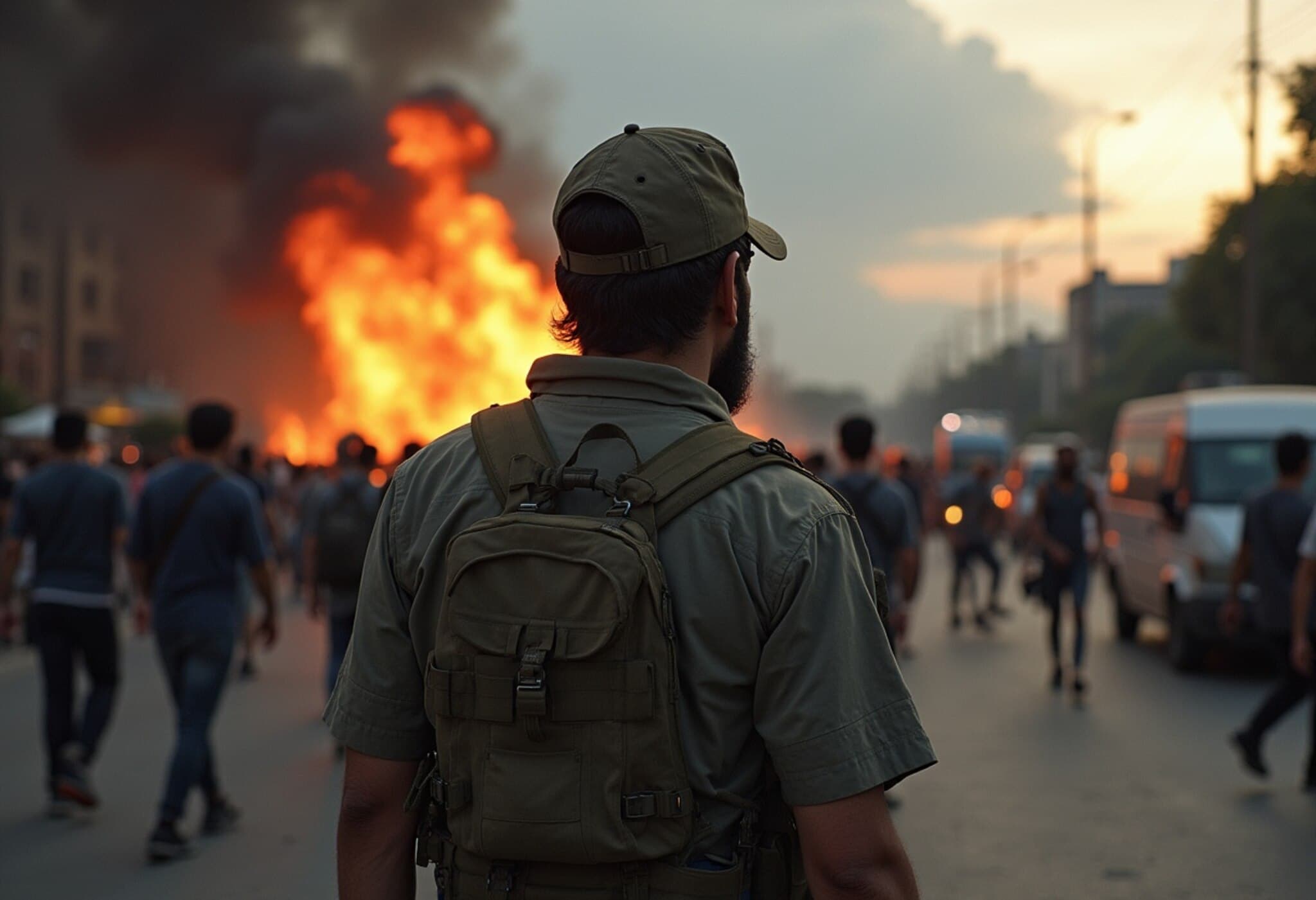
In the early days of 2026, Venezuela found itself grappling with a seismic event that shook the very foundations of its long-standing political landscape. Following a daring U.S. military operation aimed at capturing Nicolás Maduro, the country is engulfed in confusion and grief. The raid not only led to the controversial detention of Maduro but also resulted in at least 80 casualties, both civilians and members of the Venezuelan security forces.
On the streets of Caracas and other major cities, a somber silence replaced the usual bustle, as families mourned the sudden loss of loved ones amid debris from strikes allegedly targeting communication installations. In Bello Monte morgue, relatives waited patiently, haunted by the grim task of identifying victims amidst the chaotic aftermath. The air was thick with shock and uncertainty, emotions underscoring the profound impact of this intervention on everyday Venezuelans.
Delcy Rodríguez Steps into Power Amid Crosswinds
Amidst this upheaval, Delcy Rodríguez, previously Vice President, has ascended as Venezuela’s new leader, tasked with a nearly impossible balancing act. She is now not only consolidating power internally but also navigating the heavy-handed demands emanating from Washington under President Trump’s administration. The situation reveals a delicate and deeply entrenched conflict: maintaining Venezuela’s revolutionary identity while contending with overt U.S. pressure.
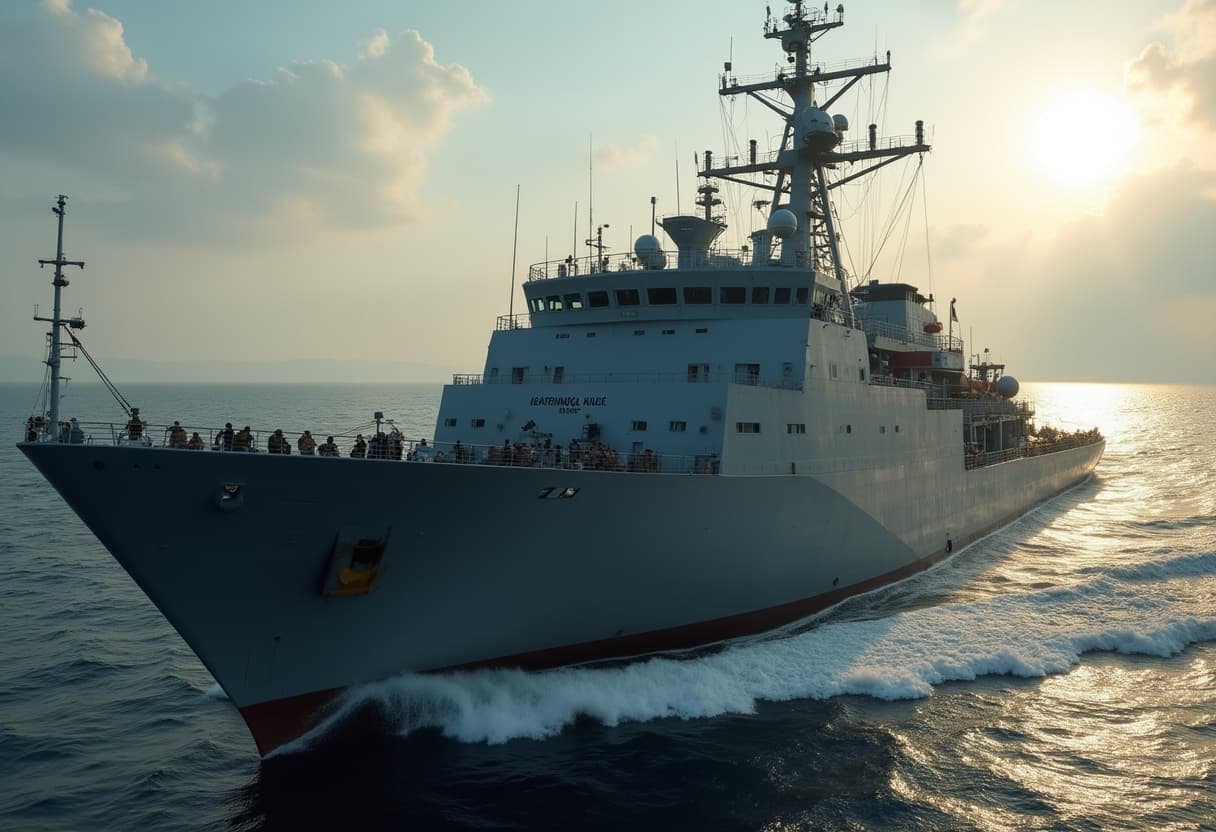
Rodríguez’s leadership symbolizes continuity for the Bolivarian movement, a socialist-rooted project pioneered by Hugo Chávez nearly three decades ago. Her government remains fiercely opposed to what it calls “American imperialism,” even as the U.S. Navy’s presence in the Caribbean serves as a reminder of looming coercion. On Sunday, defense minister Vladimir Padrino López disclosed that a significant portion of Maduro’s security detail was killed during the raid, emphasizing resilience against American attempts to control Venezuela.
Contradictions in Washington’s Approach
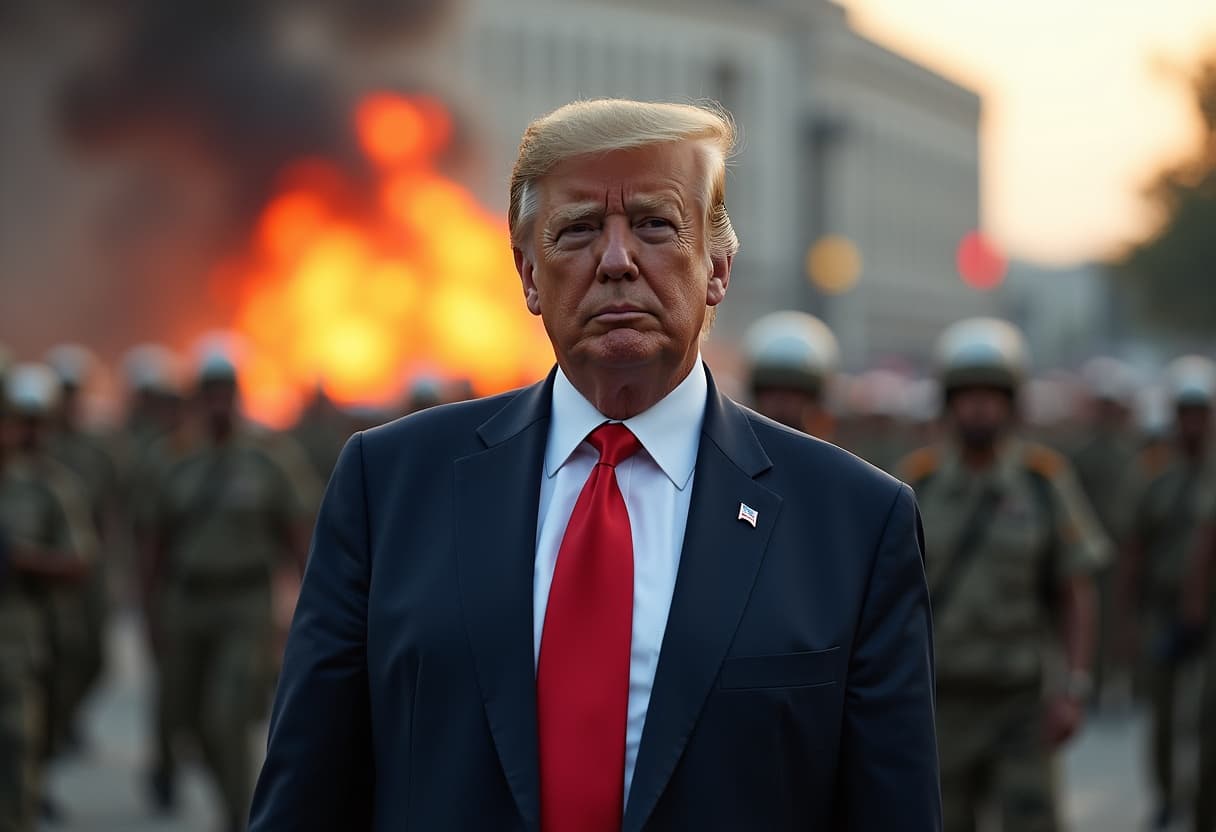
The Trump administration's rhetoric has been notably volatile. On one hand, President Trump insinuated that Rodríguez might act as a U.S. ally; on the other, he threatened her with consequences potentially worse than those faced by Maduro if she resisted cooperation. This juxtaposition reflects a throwback to “gunboat diplomacy,” reminiscent of geopolitical strategies spearheaded a century ago.
Meanwhile, U.S. Senator Marco Rubio indicated tolerance for Rodríguez’s political posturing, attributing much of it to the immediacy of the crisis. However, he maintained that sanctions, including the blockade of oil shipments and targeting of drug-smuggling vessels, would persist until Caracas demonstrates compliance.
Enduring Revolutionary Zeal and Regional Consequences
Despite the pressure, Rodríguez’s public remarks continue to reflect an unabated revolutionary spirit. She labeled the U.S. intervention as “Zionist in character,” evoking Venezuela’s historic antagonism toward Israel, a stance dating back to Hugo Chávez’s presidency. This provocative rhetoric likely aims to solidify loyalty within the Bolivarian ranks and resist perceptions of capitulation.
Experts caution that Washington may underestimate the ideological motivations fueling Rodríguez’s government. Phil Gunson, senior analyst at the International Crisis Group, points out that Venezuela’s leaders view themselves as custodians of a revolution that cannot afford to be reduced to a U.S. client state. At the same time, Rodríguez must maintain the confidence of powerful figures like Diosdado Cabello (Interior Minister) and Padrino López (Defense Minister), controllers of the armed forces and intelligence apparatus — a complex internal dynamic that underscores the fragile nature of her authority.
Voices from the Streets: Confusion and Fear
For many Venezuelans, the rapid political shifts deepen uncertainty. Efrén Rojas, a bus driver from Naguanagua, admitted the general bewilderment about Rodríguez’s presidency and the U.S. military’s role. Neighborhood rumors abound, but a clear narrative remains elusive.
Scenes of devastation, such as the tragic death of caretaker Johana Sierra following a second strike on a property hosting communication antennas, personalize the human cost. Neighbors describe moments of panic and disbelief, reflecting the trauma permeating everyday life since the raid.
Looking Ahead: Challenges and Critical Questions
The unfolding scenario in Venezuela poses vital questions for regional stability and U.S. foreign policy. Can Rodríguez maintain a cohesive government amidst external pressure and internal factions? Will Washington’s hardline stance encourage cooperation or deepen resistance? And how will Venezuelan society at large rebuild trust and security after such traumatic disruption?
Expert Commentary and Regional Insight
- Political Resilience: The Bolivarian movement’s ideological fervor remains a defining force, challenging simplistic interpretations of the regime’s willingness to negotiate with the U.S.
- Geopolitical Risks: The U.S. military’s intervention and subsequent sanctions raise concerns about escalating violence and humanitarian repercussions in a country already devastated by years of economic hardship.
- Implications for Latin America: The crisis in Venezuela resonates across the region, influencing migration, economic ties, and international diplomatic alignments.
Editor’s Note
The story of Venezuela’s recent upheaval is far from a simple binary of oppression versus freedom. It encapsulates the complexities of sovereignty, ideological identity, and global power plays. Readers should consider how deeply ingrained revolutionary ideals coexist uneasily with the harsh realities of political survival amid international intervention. As events unfold, the human dimension—marked by loss, fear, and resilience—should never be overshadowed by geopolitical rhetoric.