U.S. Military Intensifies Operations in Pacific, Raising Stakes for Colombia
In a notable strategic shift, the U.S. military has concentrated its recent anti-narcotics strikes in the eastern Pacific Ocean, placing Colombia — a key player in the regional drug trade — firmly under the spotlight. This recalibrated focus under the Trump administration reflects deeper tensions between Washington and Bogotá, as well as evolving challenges in combating transnational narcotrafficking amid Colombia’s complex political landscape.
The Changing Geography of Drug Enforcement
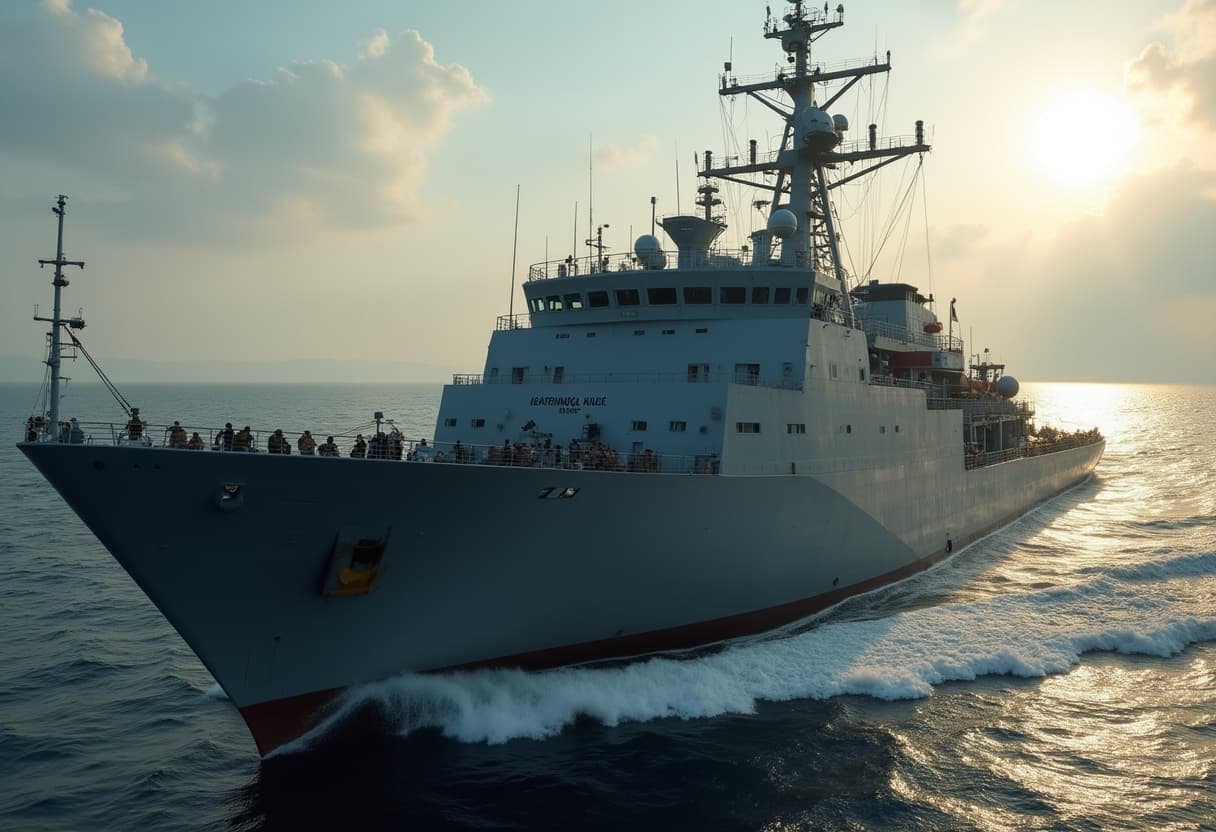
Since September 2025, U.S. forces operating under Southern Command have targeted multiple vessels implicated in drug smuggling. Recent video evidence released by the U.S. military showed three narcotrafficking boats destroyed on December 15 alone, resulting in the deaths of eight suspected traffickers. All these operations have occurred in the Pacific — a clear departure from earlier strikes predominantly concentrated in the Caribbean Sea.
This Pacific pivot isn’t incidental. Experts point to Colombia’s extensive 1,300-mile Pacific coastline as a natural conduit for cocaine export, exploited by cartels to evade Caribbean patrols. The increasing frequency of these strikes underscores a strategic emphasis on disrupting these maritime routes that are crucial to illicit supply chains.
Tensions Between Washington and Bogotá Intensify
These military actions have coincided with strained diplomatic relations between U.S. President Donald Trump and Colombian President Gustavo Petro. The Biden administration’s earlier efforts to collaborate closely with Colombia on narcotics control are being tested as Washington intensifies direct military interventions near Colombian waters.
Furthermore, the U.S. designation of the Clan del Golfo cartel as a terrorist organization marks a significant escalation in policy. This designation allows Washington to pursue cartel networks with counterterrorism tools, but it also complicates Colombia’s domestic security dynamics, potentially stirring backlash or resistance from affected communities.
Statistics Reveal The Scope of the Campaign
- Since September 2, there have been 25 U.S. strikes targeting narcotrafficking vessels in both the Pacific and Caribbean.
- Out of these, 14 strikes occurred in the Pacific region, and 11 in the Caribbean.
- Casualty figures stand at approximately 47 fatalities in the Pacific operations and 48 in the Caribbean side, reflecting the high human toll the campaign exacts.
Expert Insights: What Lies Ahead?
As this campaign unfolds, experts warn that the militarized approach, while impactful in the short term, may not address the root causes of Colombia’s drug trade — including economic disparity, weak governance in remote regions, and corruption.
Additionally, the growing use of counterterrorism designations against drug cartels could signal a troubling securitization of the drug war, potentially blurring lines between criminal justice and national security. Such moves may invite legal debates on human rights and sovereignty, especially considering Colombia’s sensitive political context under President Petro, who has pursued reforms diverging from traditional U.S.-backed policies.
U.S.-Colombia Relations at a Crossroads
The current surge in operations reflects broader geopolitical shifts. Colombia remains the Western Hemisphere’s largest cocaine producer, impacting the U.S. domestically through addiction and overdose crises. Yet, how Washington and Bogotá manage their cooperation amid political friction will shape drug policy and regional stability for years to come.
Editor’s Note
This recent strategic pivot by the U.S. military highlights the evolving challenges in the Americas’ decades-long drug war. By channeling efforts into Colombia's Pacific routes and enlisting counterterrorism tactics, Washington is entering a contentious phase with profound implications — not only for bilateral ties but for broader regional security and human rights considerations. Readers should ponder the balance between aggressive interdiction and sustainable, humane solutions to drug trafficking and its socio-political fallout.