
Venezuela's National Assembly Responds to Maduro's Capture
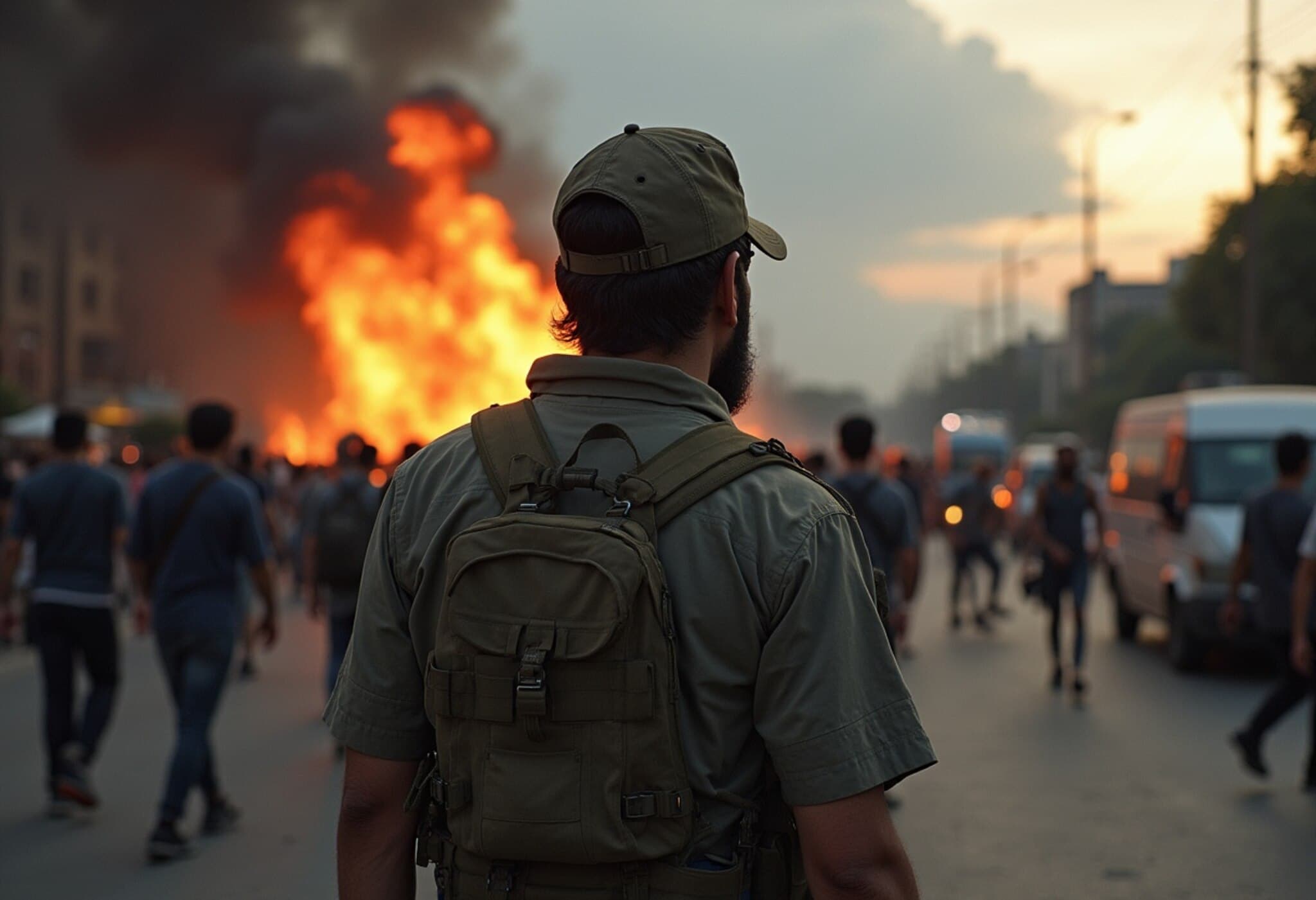
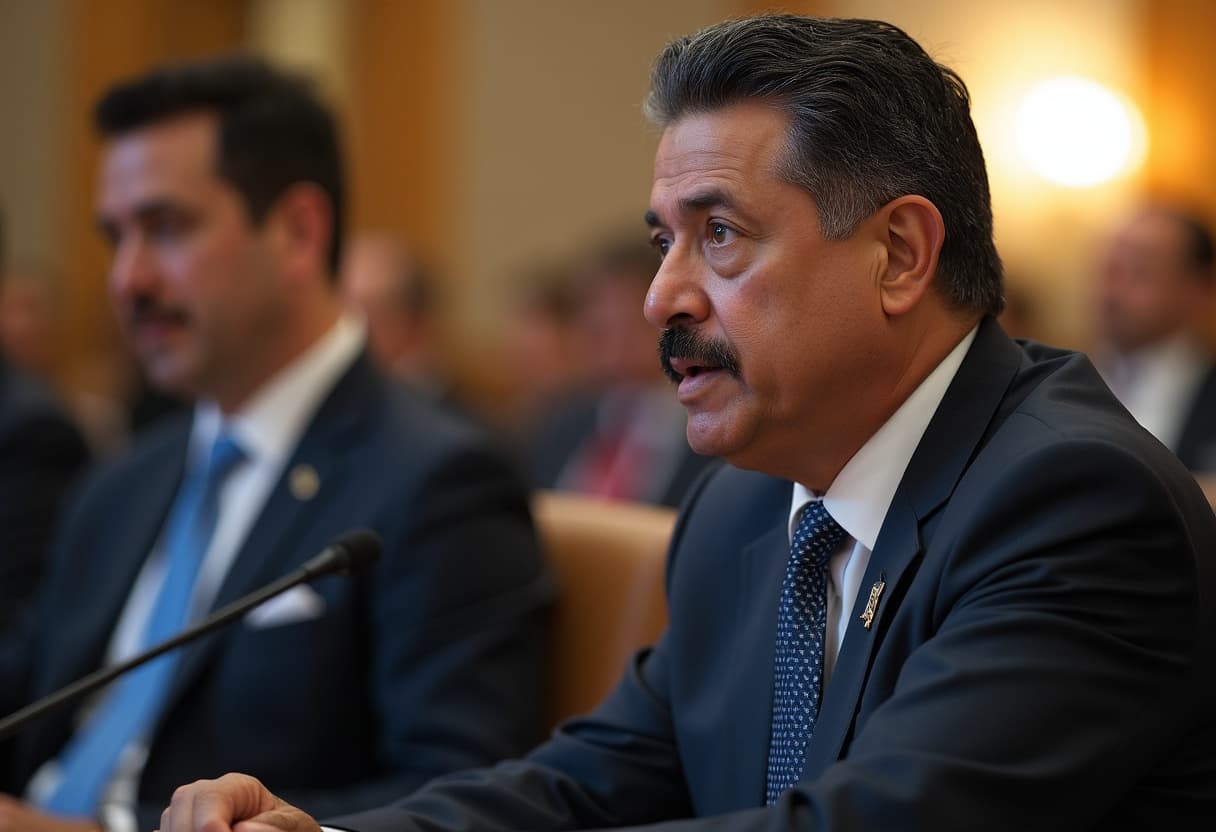
In the immediate aftermath of a daring U.S. operation that resulted in the capture of Venezuelan President Nicolás Maduro, the country's National Assembly convened in Caracas on Monday, unveiling a nation deeply divided yet resolutely defiant. The scene was charged with passion: fists raised in solidarity, fervent applause, and sharp denunciations of U.S. interference, reflecting a government still firmly entrenched despite the dramatic upheaval.
Maduro Loyalists Remain Steadfast Amid Turmoil
Though Maduro has been removed from power, his loyalists continue to dominate Venezuela’s political landscape. Rooted in decades of ideological reinforcement and systematic purges of dissenting voices, the Bolivarian movement's grip extends across legislative bodies, the judiciary, armed forces, intelligence agencies, and key institutions such as the national oil company. This comprehensive control highlights the formidable challenge faced by the United States and interim leaders attempting to reshape Venezuela’s political order.
The Maduro Family Speaks Out
Nicolás Maduro Guerra, Maduro’s son and a National Assembly member, passionately condemned the U.S. operation as an illegal abduction, declaring, "If we normalize the kidnapping of a head of state, no country is safe." His rhetoric underscores the intertwining of the Maduro family with Venezuela's governance, as his involvement in U.S. indictments further complicates the political and legal entanglements at play.
The Paradox of Power and Resistance
The Maduro regime’s enduring presence, despite leadership disruptions, speaks to a broader narrative of resilience born from years of confrontation with foreign interference. Senior analyst Michael Shifter of the Inter-American Dialogue sheds light on this complexity, stating, "To think Venezuelans will simply follow U.S. instructions and acquiesce to new governance without significant resistance is illusory." This sentiment captures the depth of nationalistic resistance and skepticism that has long characterized Venezuelan politics.
Mixed Signals: Diplomacy and Defiance
While the Maduro-aligned interim leader, Delcy Rodríguez, extended a tentative olive branch by proposing a “cooperation agenda” with the U.S., her subsequent denunciation of the military intervention as "illegitimate aggression" reveals the tension between pragmatism and entrenched hostility. Meanwhile, U.S. Secretary of State Marco Rubio signaled a cautious tolerance for Caracas’ rhetoric, emphasizing strategic patience amid volatile circumstances.
The Bolivarian Movement’s Evolving Identity
Once staunchly socialist, the movement has gradually embraced market-oriented reforms aimed at economic stabilization, yet its core resistance to external influence remains unwavering. This duality is on full display within the National Assembly, where legislative proceedings blend impassioned political theater with calls for stability and peace amidst extraordinary uncertainty.
Opposition’s Fragmented Role and Challenges
Of the 285 assembly members, only a small faction belongs to opposition parties, many of whom face skepticism from fellow dissenters as collaborators with the regime. Opposition contributions were generally subdued, focusing on calls for political prisoner releases and avoiding direct confrontation with either Maduro or Washington, reflecting deep fractures that continue to undermine a unified front against the ruling apparatus.
Expert Insight: What Comes Next for Venezuela?
The unfolding Venezuelan crisis poses critical questions for international policymakers: How can a foreign power navigate the labyrinth of deeply entrenched political networks without fueling further instability? Can segments of the opposition coalesce into a credible alternative in the shadow of authoritarian legacy? And importantly, what role will regional actors like Cuba — visibly acknowledged during recent legislative sessions — play in shaping Venezuela’s future trajectory?
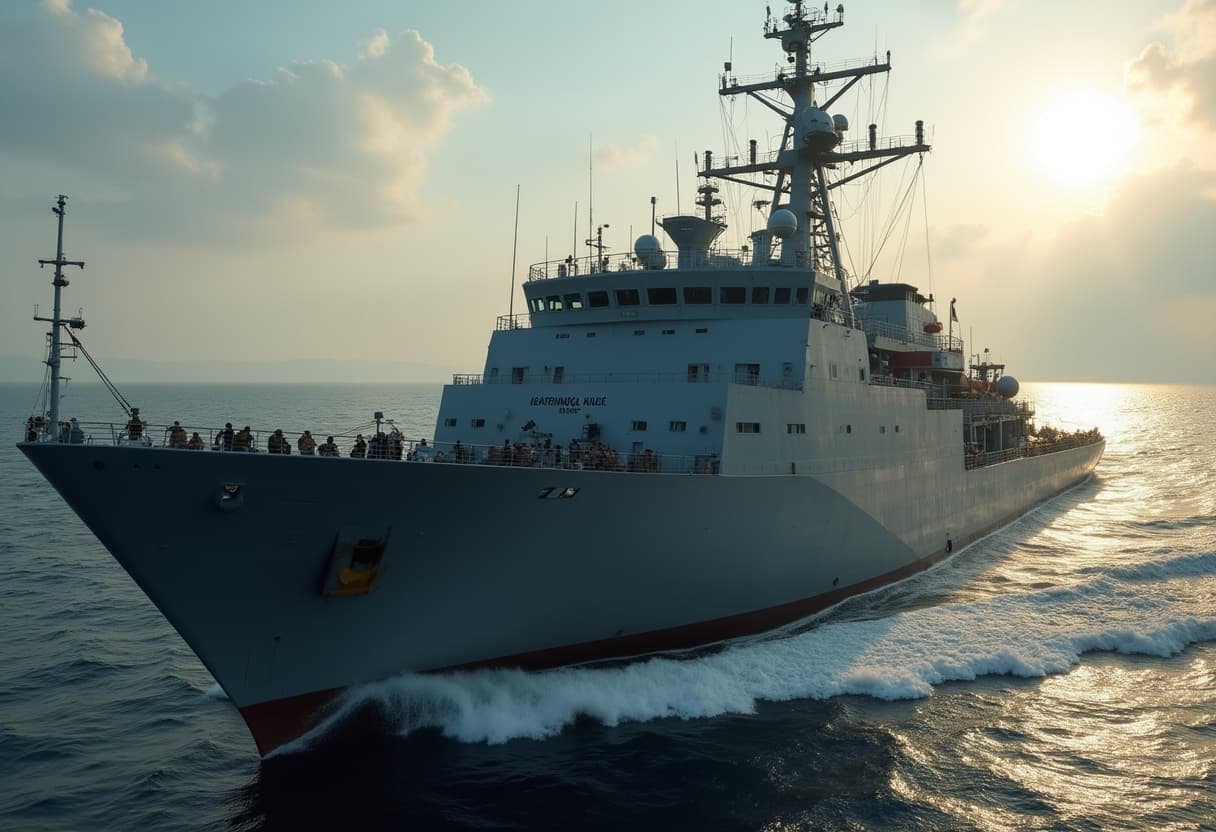
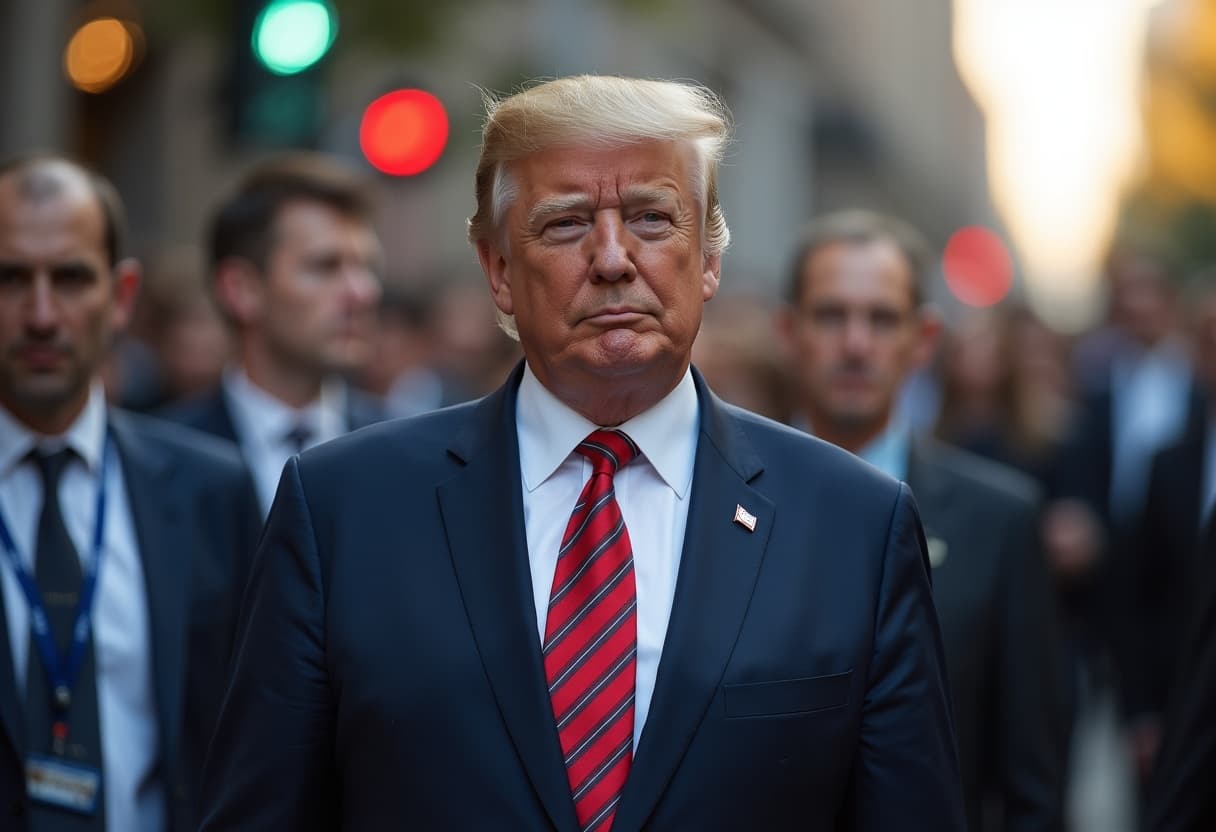
For U.S. strategists, balancing assertive action with diplomatic engagement remains an uphill task. The presence of an "armada of warships" near Venezuelan waters, as reiterated by former President Trump, signals readiness but also risks escalating tension in a volatile region where national pride and sovereignty are fiercely guarded.
Conclusion: A Nation at a Crossroads
The National Assembly’s session in Caracas is more than political posturing—it is a stark illustration of a country grappling with the consequences of external intervention and internal loyalty. Venezuela’s decades-old Bolivarian ideology has embedded layers of power that prevent swift political transformation, demanding nuanced, context-sensitive approaches that respect the country’s complex social and political fabric.
Editor’s Note
As Venezuela confronts an uncertain future following the capture of President Maduro, understanding the entrenched networks sustaining his regime is vital. This situation highlights the limits of forceful intervention and underscores the importance of inclusive dialogue and regional cooperation. Readers should consider how the international community can support democratic renewal without exacerbating social divisions or igniting further conflict.