
A High-Stakes Moment in Lower Manhattan
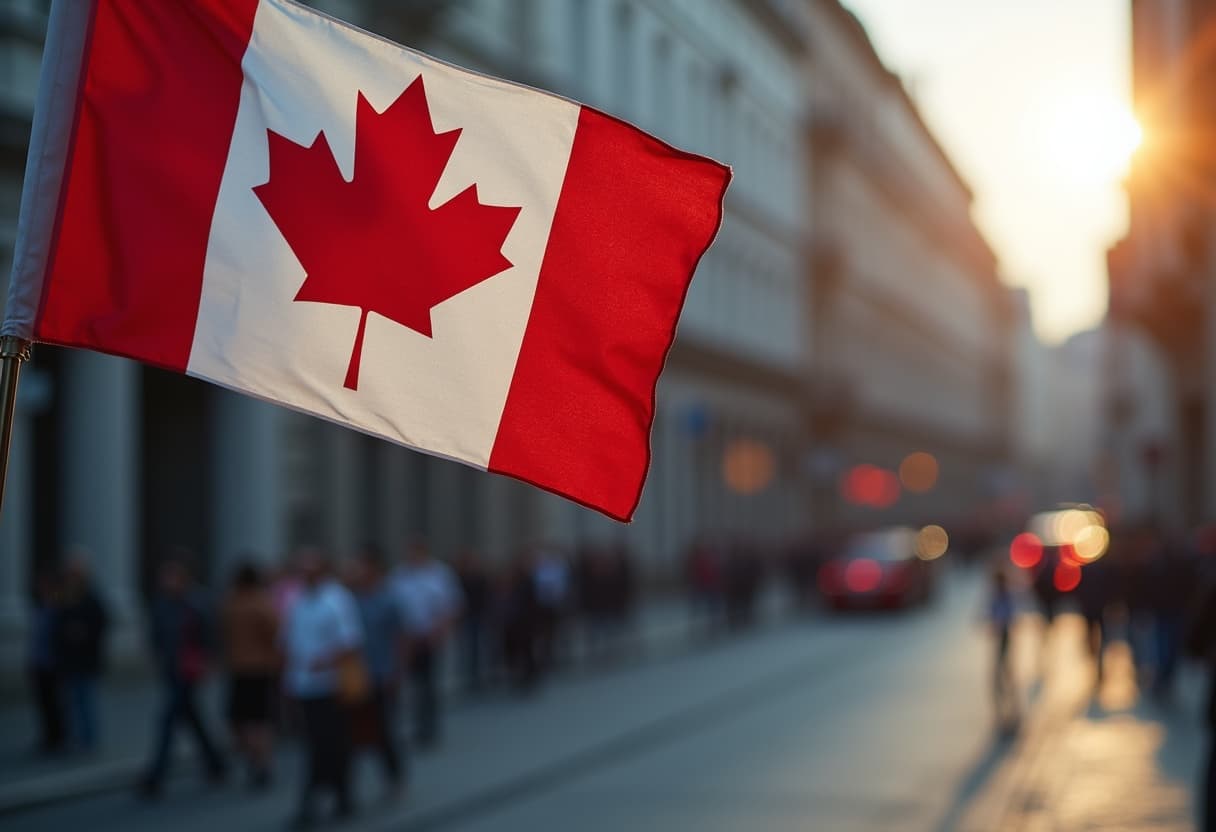
On a brisk Monday morning in early January 2026, a charged atmosphere settled outside the towering federal courthouse in Lower Manhattan. There, behind fortified metal barricades, a crowd gathered—some draped in the red, blue, and yellow Venezuelan flag, others adorned with Palestinian kaffiyehs symbolizing global resistance, and a noticeable handful sporting the trademark red hats associated with former President Trump. This was not just a routine protest—it was the physical manifestation of a continent-spanning drama that had just brought Venezuela’s embattled leader, Nicolás Maduro, and his wife, Cilia Flores, to U.S. soil.
The Arrest That Shook Two Nations
Just days before, U.S. forces executed a daring raid that extracted Maduro from Venezuela, delivering him to New York to face federal drug trafficking charges. Inside the courthouse on the 26th floor, Maduro and Flores sat in solemn silence, their fates now enmeshed in the complexities of American judicial proceedings. Outside, their capture ignited deep emotions: hope, anger, pride, and division, all spilling into the streets.
The Spectrum of Reactions: Protest, Praise, and Polarization
The protests outside were emblematic of the complexities involved in U.S. interventions abroad. On one side, chants echoed in Spanish—"Libertad!" and "La dictadura cayó" (the dictatorship has fallen)—capturing the hopes of many Venezuelan expatriates who have long suffered under Maduro’s regime. Their voices expressed a profound yearning for justice and democratic restoration.
Opposing them, demonstrators brandished signs stating "U.S.A. Hands Off Venezuela" and "U.S. Out of Latin America," invoking historical memories of foreign interference and imperial overreach. Their cries of “No blood for oil!” reflected fears that U.S. actions, even under the banner of law enforcement, might mask geopolitical ambitions in the resource-rich region.
The American Context: Legal Authority Meets Political Reality
The U.S. government’s decision to bring Maduro to New York under drug trafficking charges marks a distinct approach to holding foreign leaders accountable. Legally, this is unprecedented and underscores the reach of U.S. anti-drug statutes. However, critics argue that the move could set risky precedents by intertwining law enforcement with foreign policy objectives, potentially destabilizing diplomatic relations across Latin America.
Regional experts highlight that this incident may serve as a cautionary tale about the delicate balance between justice and sovereignty. Venezuela’s crisis, exacerbated under Maduro’s rule, is deeply entwined with political, economic, and social upheaval—factors that a U.S. courtroom alone may not resolve.
Voices Often Overlooked: The Pain in the Diaspora
Amid the chants and signs, one element stood out: the quiet, palpable pain of Venezuelan immigrants facing the trauma of displacement. Many crossing the barricades bore scars of a fractured homeland—family separated, livelihoods lost, and hopes for return dimmed. The protest was not merely political theater; it was a collective expression of personal and communal grief intertwined with political fervor.
This human dimension demands attention. It challenges observers to see beyond geopolitics and recognize how foreign interventions ripple through individual lives, shaping diasporic identities and community dynamics in cities like New York.
Looking Ahead: Questions in the Wake of the Raid
- Will this operation catalyze meaningful change in Venezuela’s political landscape, or deepen divisions?
- How will the U.S. navigate potential backlash from Latin American nations wary of intervention?
- What safeguards can ensure legal proceedings do not exacerbate regional instability?
- How can the voices of displaced Venezuelans inform policy decisions moving forward?
Editor’s Note
The capture and arraignment of Nicolás Maduro in New York represents a complex intersection of international law, U.S. foreign policy, and grassroots activism. As the world watches, it is essential to appreciate both the legal implications and the deeply human stories intertwined with this event. This unfolding episode invites reflection on the limits of justice across borders and the enduring impact of geopolitical strategies on vulnerable communities.