
Nicolás Maduro Appears in U.S. Court Amid Controversial Arrest
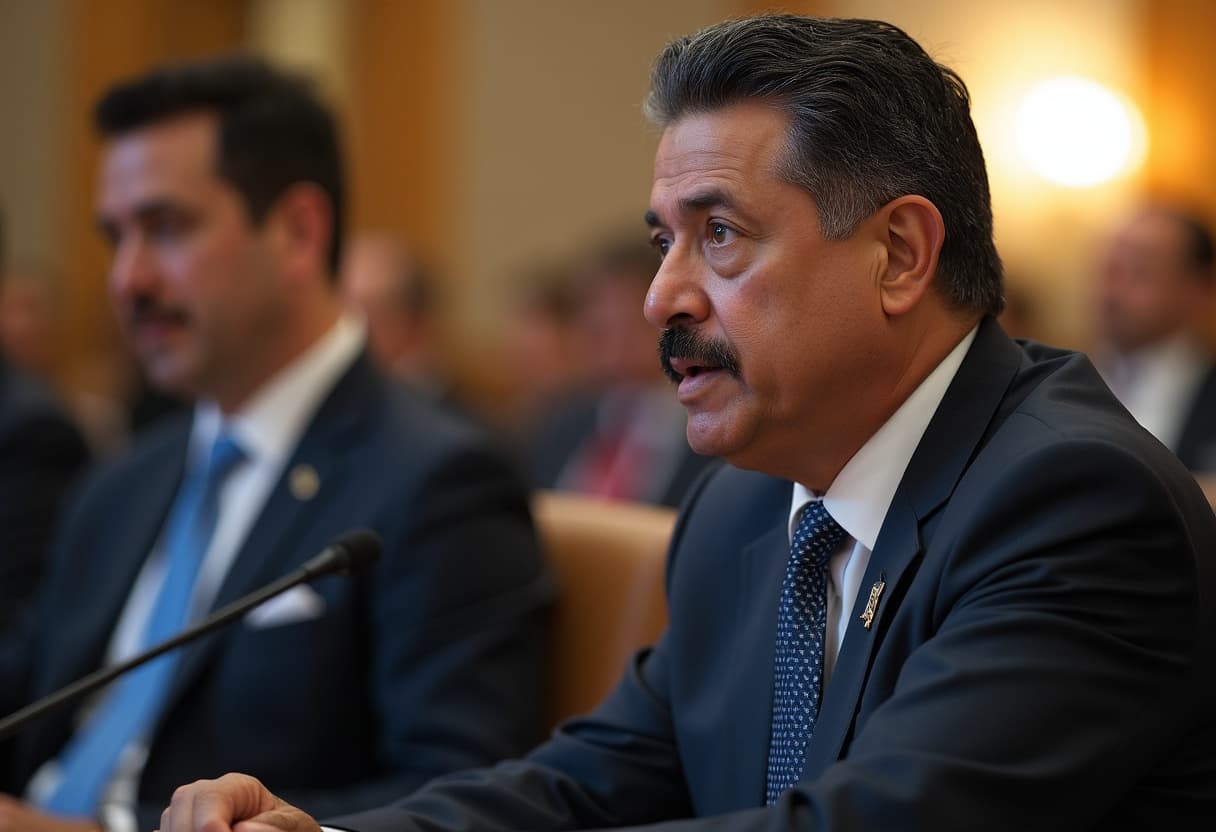
In an event that shocked the international community, Nicolás Maduro, the former president of Venezuela, was brought forcibly to a Manhattan federal courthouse on Monday, January 5, 2026. Two days after being seized from a fortified compound in Caracas by U.S. Delta Force operatives, Maduro pleaded not guilty to a series of federal charges including narco-terrorism, cocaine trafficking, and illegal possession of machine guns.
Defiant in Court, Maduro Claims Innocence and Presidency
Dressed in a navy shirt over his prison jumpsuit and wearing translation headphones, Maduro confronted the courtroom's harsh illumination with a composed yet restless demeanor. He emphatically declared, “I’m innocent. I’m not guilty. I am a decent man. I am still president of my country.” His plea marked a stark moment of dissonance between his self-identification and the American judiciary’s assertion of jurisdiction.
Attempting to explain his capture as a "kidnapping," Maduro was swiftly cut off by Judge Alvin K. Hellerstein, who focused solely on verifying his identity, emphasizing the primacy of courtroom protocol over political narrative.
The Legal and Diplomatic Battle Ahead
Maduro’s legal defense, led by Barry Pollack, challenged the legitimacy of the U.S. operation and his detention, highlighting potential violations of international law concerning sovereign immunity. This raises fundamental questions about the precedent-setting nature of his capture; traditionally, foreign heads of state benefit from legal protections that the U.S. has respected, but Maduro’s contested hold on Venezuela’s presidency complicates these norms.
The U.S. government, notably Secretary of State Marco Rubio, has maintained that Maduro is a fugitive from American law and that the operation was primarily law enforcement—not political—action. This argument, however, intersects with broader geopolitical tensions, especially given Maduro’s claims of electoral legitimacy amid widespread allegations of fraud both in 2019 and again in 2024.
Implications for Venezuela and International Relations
Maduro’s dramatic rendition and subsequent prosecution place Venezuela at a crossroads. His removal from the equation raises urgent questions about the country’s political future and stability. Meanwhile, the involvement of his wife, Cilia Flores—also indicted and visibly injured—adds emotional gravity and symbolic weight to the proceedings.
Internationally, this case challenges the limits of sovereignty and raises debate about when and how foreign leaders can be held accountable outside their nations, especially when allegations of corruption, drug trafficking, and undermining democracy are involved. It’s a potent reminder of the enduring struggle between law enforcement imperatives and diplomatic protocols.
Expert Analysis: What This Means for U.S. Justice and Foreign Policy
- Legal Precedent and Sovereignty: The case tests international legal norms regarding immunity for heads of state, potentially reshaping how the U.S. and other countries handle foreign leaders accused of crimes.
- Impact on Venezuela’s Political Landscape: With Maduro out of Venezuela and in custody, power dynamics within the country are poised to shift, creating uncertainty about who will lead next.
- U.S. Domestic and Global Strategy: This operation signals a more aggressive stance by the U.S. toward regimes it deems illegitimate or criminal, reflecting a recalibration of geopolitical and security priorities.
Summary
Nicolás Maduro’s forcible transfer to a U.S. federal court marks a watershed moment in the intersection of international law, U.S. foreign policy, and the ongoing crisis in Venezuela. As the courtroom drama unfolds in Manhattan, the world watches how justice, diplomacy, and political legitimacy collide in a case that may redefine accountability for controversial leaders.