U.S. Military Presence in Trinidad Sparks Debate Over Regional Security
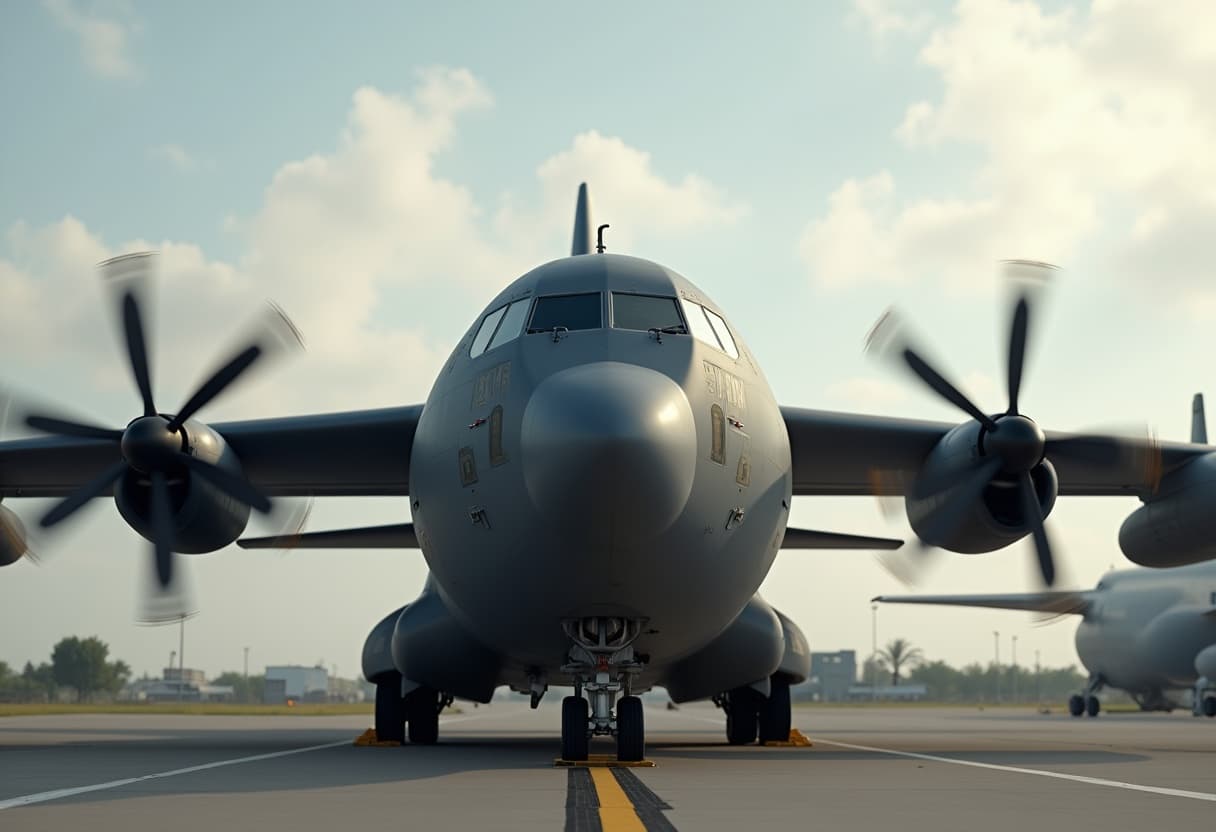
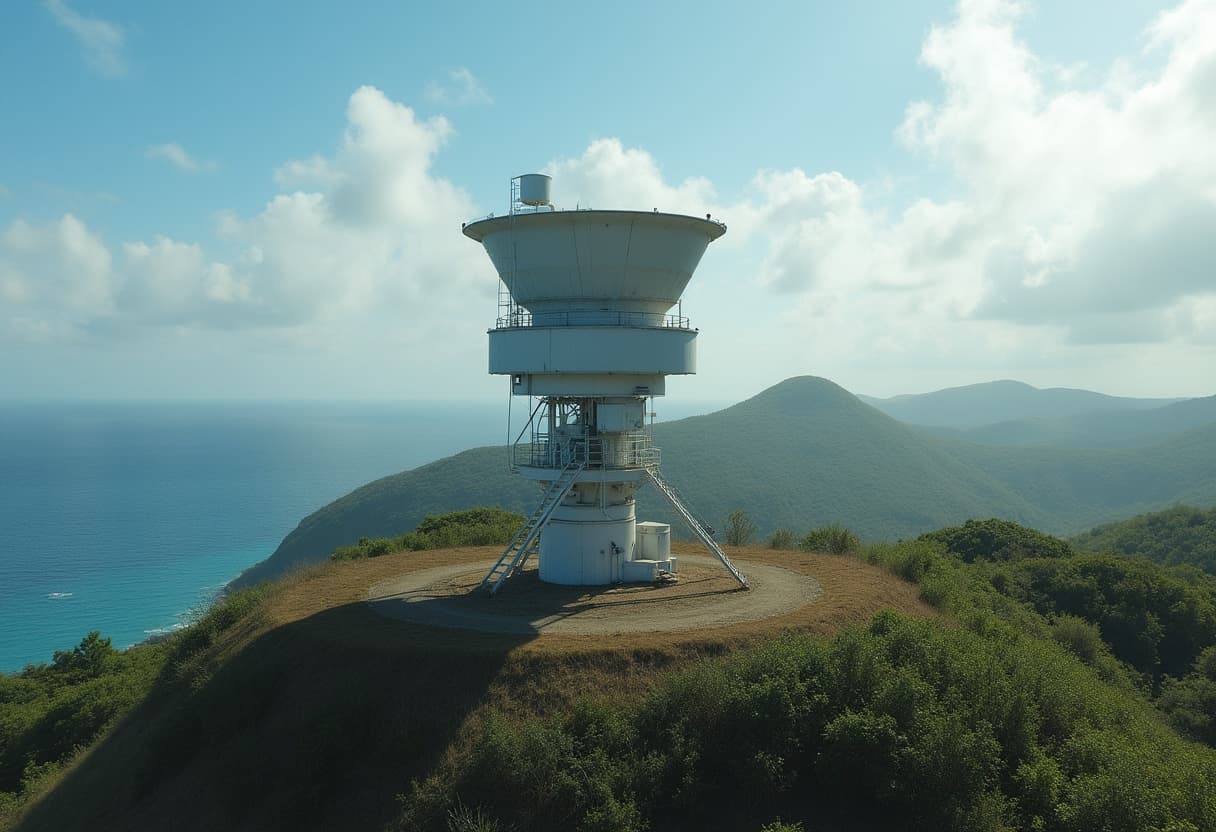
In late November 2025, residents of the Crown Point area in Tobago, part of the twin-island nation of Trinidad and Tobago, were startled awake by the thunderous roar of massive U.S. military transport jets arriving under the cloak of night. Their curiosity heightened when they spotted a large, rotating apparatus aimed skyward. Concerns swiftly circulated among locals—was this some form of radiation emitter, or worse, an ominous weapon?
What they witnessed was the installation of a state-of-the-art mobile radar system known as the Ground/Air Task-Oriented Radar (G/ATOR), a sophisticated asset operated by the U.S. Marines with a price tag in the tens of millions. Officially, both the United States and Trinidad and Tobago have framed this deployment as a measure to combat drug trafficking—a pressing issue in the Caribbean. However, experts and critics suggest a more complex narrative is unfolding beneath the surface.
Geopolitical Crossroads: Trinidad's Role in U.S.-Venezuela Tensions
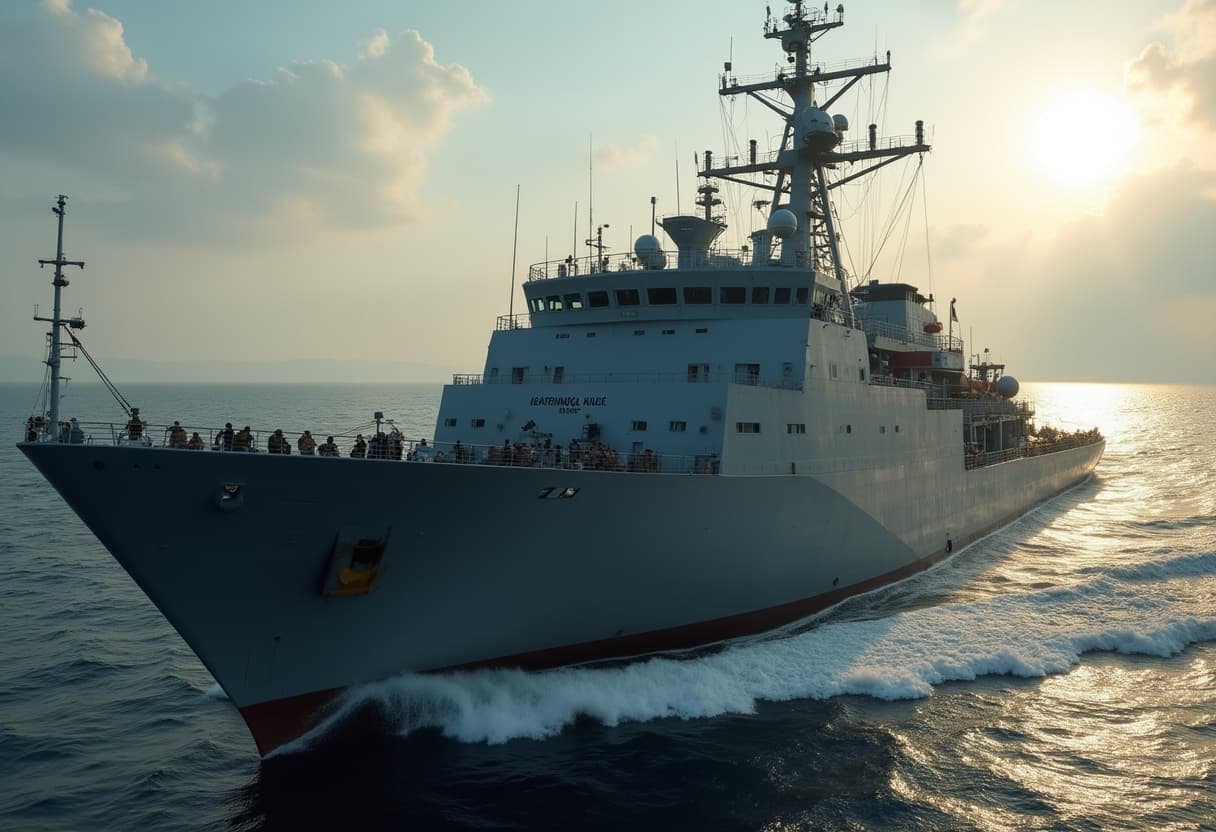
Situated just about 70 nautical miles north of Venezuela's coastline, Trinidad and Tobago finds itself uniquely positioned in the escalating confrontation between the United States and Venezuelan President Nicolás Maduro. Prime Minister Kamla Persad-Bissessar has openly expressed support for recent U.S. operations against vessels in Venezuelan waters and has welcomed the American military presence, including joint training exercises involving approximately 350 Marines and the docking of the U.S.S. Gravely at Port of Spain.
Yet, the government's justifications for the radar remain inconsistent. Initially downplaying the military nature of the deployment, Persad-Bissessar described it as assistance linked to airport operations and infrastructure support. Later, she asserted the radar helped detect Venezuelan ships supposedly evading sanctions and engaging in narcotics trafficking. However, these explanations provoke skepticism, especially from regional security experts and opposition figures.
The Radar's Real Capabilities and Strategic Implications
The G/ATOR system, developed by defense contractor Northrop Grumman, is explicitly optimized for identifying aerial threats—ranging from cruise and hypersonic missiles to drones and manned aircraft. Its operational design centers on airspace defense, not maritime interdiction or ground surveillance, calling into question its efficacy against sea-based drug trafficking, which dominates Caribbean illicit routes.
- Primary function: Detection and targeting of airborne threats.
- Limited maritime capability: Not intended for tracking vessels or sea-level targets.
- Strategic value: Potentially serves as an early warning system in case of aerial conflict.
Norman Dindial, a former Trinidad Coast Guard commander, underscores the gravity of the radar's presence: "That radar is specifically for intercepting air targets. We know it's not for drugs. If war erupts between the U.S. and Venezuela, this radar would be a legitimate military target." Such a deployment inadvertently places Trinidad and Tobago in the theater of a heightened U.S.-Venezuela standoff.
Regional Responses and Rising Concerns
Venezuela’s government has accused Trinidad of adopting a humiliating "hostile agenda," particularly singling out the radar installation as part of a siege against Venezuelan oil tankers. In late November, Venezuelan officials alleged Trinidad's complicity in the seizure of a Venezuelan oil tanker, an accusation that highlights escalating diplomatic tensions.
Meanwhile, other Caribbean nations eye these developments warily. For example, Barbados publicly deliberated over similar U.S. requests to deploy military radars but faced constitutional questions regarding their legality.
Balancing Sovereignty and Strategic Alliances
Trinidad and Tobago’s cooperation with the United States could offer diplomatic dividends. Brian Fonseca from Florida International University suggests the military-to-military relationship grants Trinidad "valuable political leverage" with Washington, potentially advancing its aspirations to drill in Venezuelan maritime gas fields. Yet, this alliance raises critical questions about national sovereignty and whether the benefits outweigh the risks of becoming entangled in geopolitical disputes.
Expert Perspectives and Future Outlook
Mark F. Cancian, a senior adviser at the Center for Strategic and International Studies, notes the radar could assist in directing precise U.S. aerial responses, though its utility against maritime drug trafficking is limited. The U.S. Southern Command confirms the radar's deployment aligns with efforts to disrupt illicit narcotics flows but remains circumspect about detailed operational objectives.
From a domestic standpoint, opposition politicians like Ancil Dennis warn of the nation’s overreach into a conflict where it has little strategic interest, advocating for a reassessment of Trinidad and Tobago's foreign policy to avoid escalation risks.
As U.S. military assets become increasingly visible in the Caribbean, the question remains: Is Trinidad and Tobago a willing partner in a broader geopolitical chess game, or an inadvertent pawn on the frontline of U.S.-Venezuelan tensions?
Editor’s Note
The delicate balance between national security, regional diplomacy, and sovereignty is at the heart of Trinidad and Tobago’s recent military cooperation with the United States. While combating drug trafficking is universally important, the deployment of advanced radar systems designed for aerial warfare raises urgent questions about the island nation’s risk exposure amid larger geopolitical rivalries. Observers should critically assess the transparency of government actions and the long-term implications for Caribbean stability.