U.S. Signals Possible Military Escalation in Venezuela, Yet Maintains Diplomatic Channels
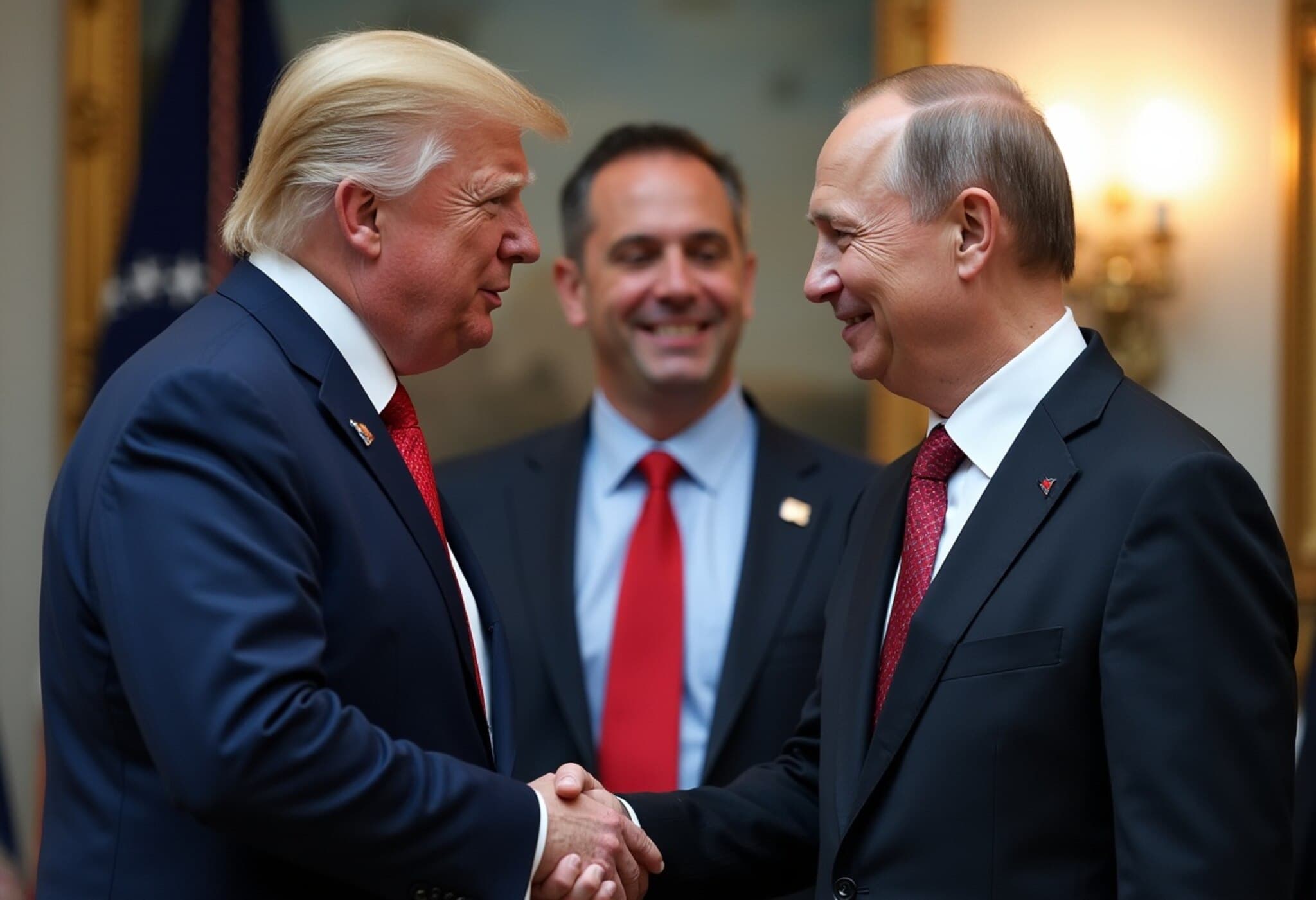
In a complex and escalating geopolitical drama, the Trump administration has sent contrasting messages regarding Venezuela. On one hand, President Trump has warned that the United States could soon broaden military operations from naval strikes near the Venezuelan coast to direct attacks inside the South American country. On the other, he has engaged in diplomatic talks with Venezuelan President Nicolás Maduro, hinting at a possible meeting between the two leaders.
Understanding the Stakes: Why is Venezuela a Focus of U.S. Military Pressure?
The official rationale for the U.S. military buildup is to curb drug trafficking allegedly linked to Venezuela. However, experts note that Venezuela's role in the narcotics supply chain to the United States is relatively minor compared to Colombia and Mexico, two countries long recognized as major sources of illegal drugs entering U.S. markets. Still, some analysts suggest members within Maduro’s regime may have profited from drug-related corruption, making Venezuela a complex target.
Moreover, factions within the Trump administration reportedly aim to unseat Maduro or pressure Venezuela to open its lucrative oil industry to increased American investment, reflecting a blend of strategic, economic, and ideological motives.
Current U.S. Military Presence in the Caribbean Region
- The U.S. has deployed more than 15,000 military personnel across the Caribbean, the largest concentration in decades.
- In November, the aircraft carrier Gerald R. Ford was moved closer to the region, projecting significant naval power.
- Personnel are divided roughly evenly between Puerto Rico and eight warships stationed in the area.
- Recently, the governor of the U.S. Virgin Islands permitted temporary operations by U.S. forces in restricted zones for logistical support.
Legal and Ethical Concerns Surrounding U.S. Naval Strikes
The U.S. military has executed at least 21 strikes on vessels suspected of drug smuggling in the Caribbean and eastern Pacific since September 2, 2025. These actions have resulted in civilian casualties, raising serious ethical and legal questions.
International law experts argue these strikes may violate laws prohibiting the targeting of civilians absent imminent threat. The Trump administration justifies the operations by asserting a state of armed conflict with drug cartels, labeling those on targeted vessels as 'combatants'. This broad interpretation has stirred debate among legal scholars and lawmakers alike.
Congressional voices from both parties have called for investigations into specific incidents where following strikes caused additional deaths, questioning the chain of command and authorization behind such operations.
Venezuela’s Military Capabilities and Preparations
Venezuela has invested billions in defense, sourcing weapons and security assistance from Russia, Iran, China, and Cuba. While the country possesses notable assets — including approximately 30 combat aircraft, over 40 naval vessels, and up to 200 tanks — most analysts agree that a full-scale United States military assault would overwhelm Caracas.
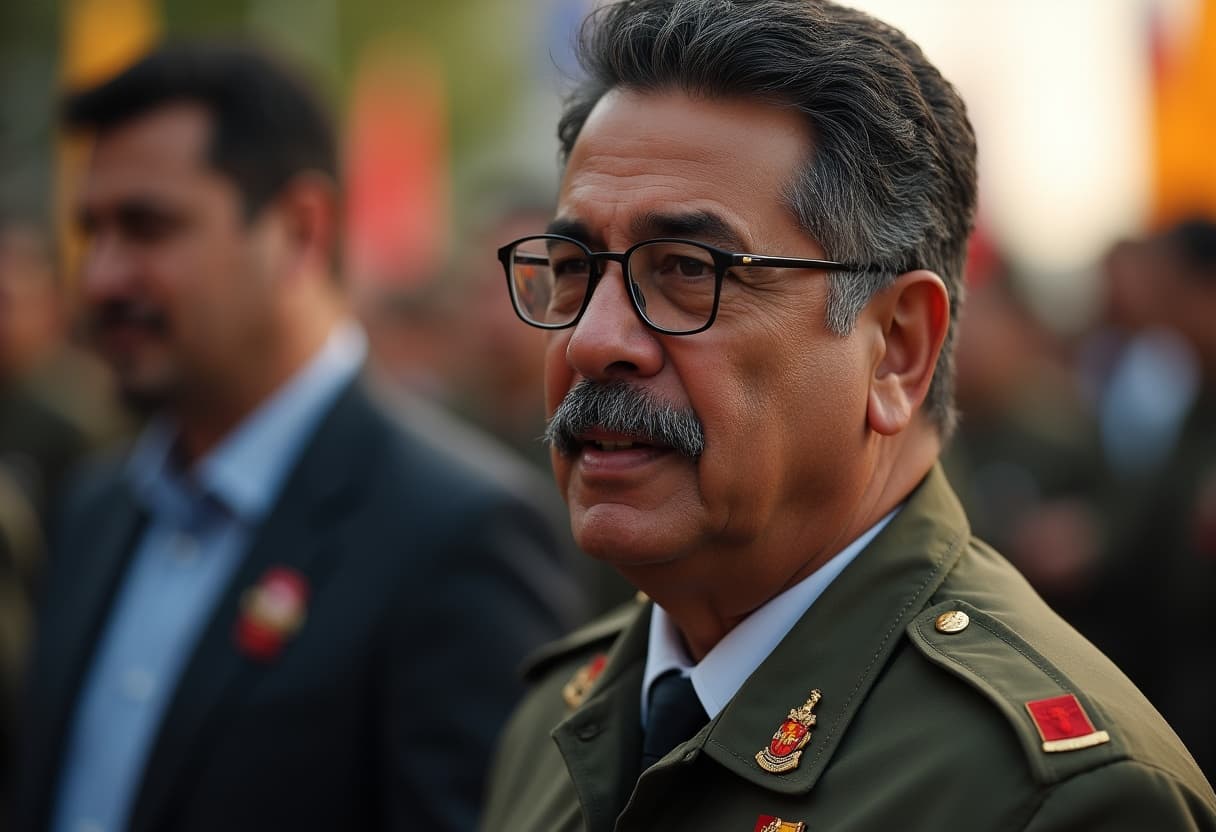
Significantly, Venezuela maintains one of Latin America’s largest armed forces, consisting of about 150,000 troops. Additionally, pro-Maduro paramilitary groups known as colectivos act as enforcers and could complicate efforts to stabilize the country if a conflict occurs.
Reports indicate Maduro has taken extensive personal security measures, frequently changing locations and communications devices, expanding Cuban bodyguard units, and embedding Cuban intelligence officers within Venezuela’s military command.
The Fragile Loyalty of Venezuela’s Military Amid Uncertainty
Historically, Venezuela has experienced notable military unrest, including multiple coup attempts. Maduro’s tenure has survived at least nine attempted mutinies, reflecting ongoing instability within the armed forces. Should Maduro fall, the future of the military’s allegiance remains unclear. Key questions include:
- Will the armed forces accept a new interim government?
- Can critical infrastructure such as airports, oil fields, and power plants be secured?
- Is there a risk of fracturing within the military, leading to competing factions?
Moreover, Venezuela's vast geography — larger than California — and the presence of Colombian guerrilla forces complicate the potential for centralized control, posing logistical challenges for any foreign intervention.
Expert Commentary: The Broader Implications for U.S. Policy and Regional Stability
This dual approach of military threat and diplomatic engagement reflects a broader U.S. strategy grappling with how to influence Maduro’s regime without descending into full-scale conflict. The situation underscores tensions between upholding international legal norms and pursuing aggressive tactics that may erode America's global standing.
For policymakers, balancing the urgency to address drug trafficking and regional security against the risk of unintended consequences — including humanitarian crises and geopolitical backlash — remains a pressing challenge.
Key Takeaways
- The U.S. military's increased presence near Venezuela is a rare display of force intended to exert pressure on the Maduro regime.
- Legal questions about the use of force against suspected drug trafficking vessels underscore the need for clear international guidance.
- Venezuela’s internal political and military dynamics create unpredictability in any potential conflict scenario.
- Diplomatic outreach amid military posturing suggests the Trump administration is keeping multiple options open.
Editor's Note
As the United States navigates its complex relationship with Venezuela, the world watches not only the immediate military maneuvers but the broader implications for democratic governance, human rights, and regional stability. The unfolding situation raises critical questions about international law, the limits of military intervention, and the consequences for millions of Venezuelans caught in the crossfire.
How will the balance between diplomacy and force shape the future of U.S.-Venezuelan relations? Can internal military loyalty within Venezuela endure under external pressure? These are key questions that deserve close attention as events develop.