Hurricane Melissa Leaves Trail of Devastation Across Caribbean Islands
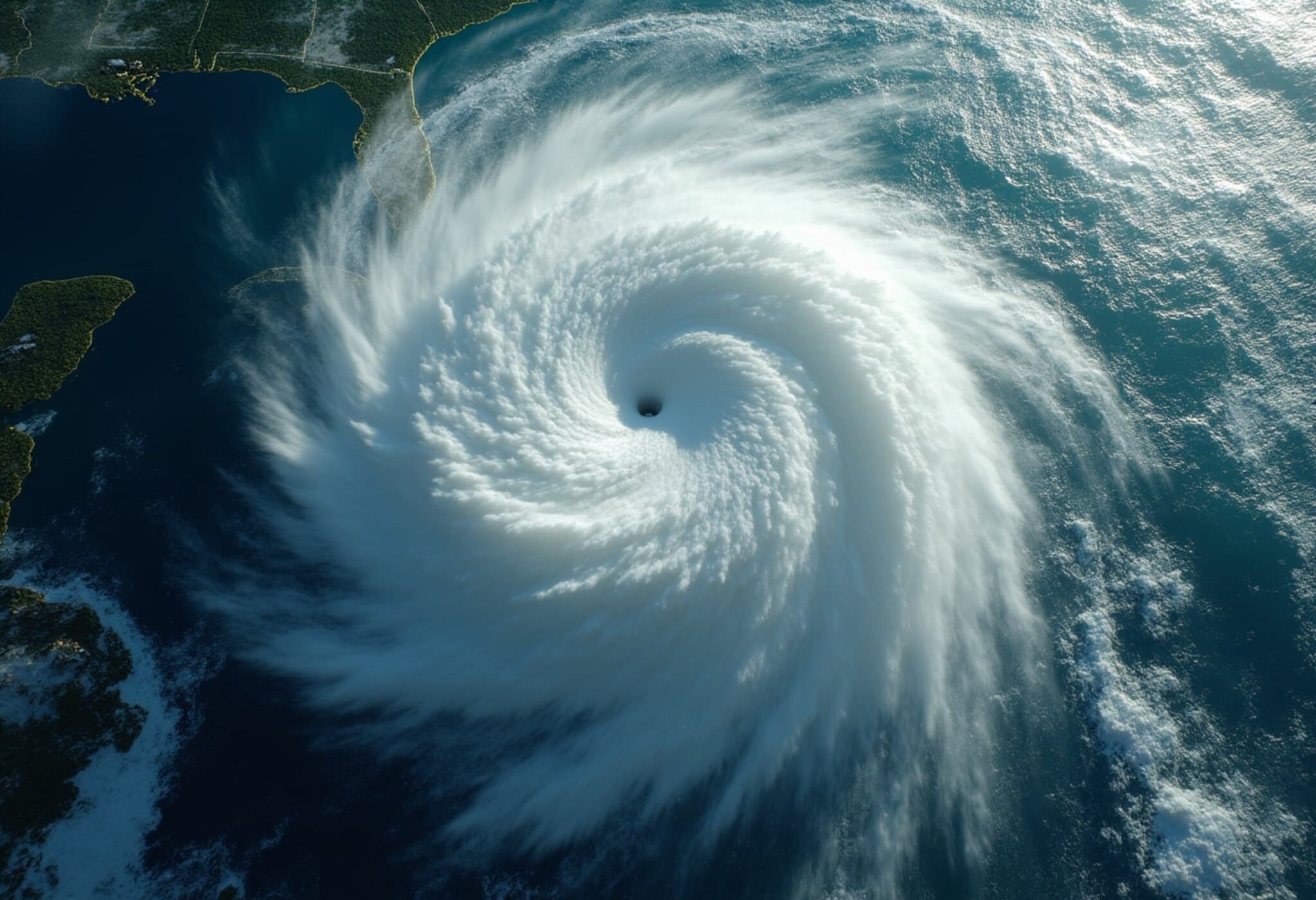
Hurricane Melissa, a fierce storm with winds once reaching Category 5 strength, has unleashed significant destruction across Jamaica, Haiti, and Cuba as it barrels through the Caribbean. Officials are now grappling with the grim aftermath, as officials in Haiti report nearly 20 fatalities, including children, while Jamaica confirms at least five deaths in the hardest-hit southwestern parish of St. Elizabeth.
Jamaica: A Parish in Ruins and Thousands Displaced
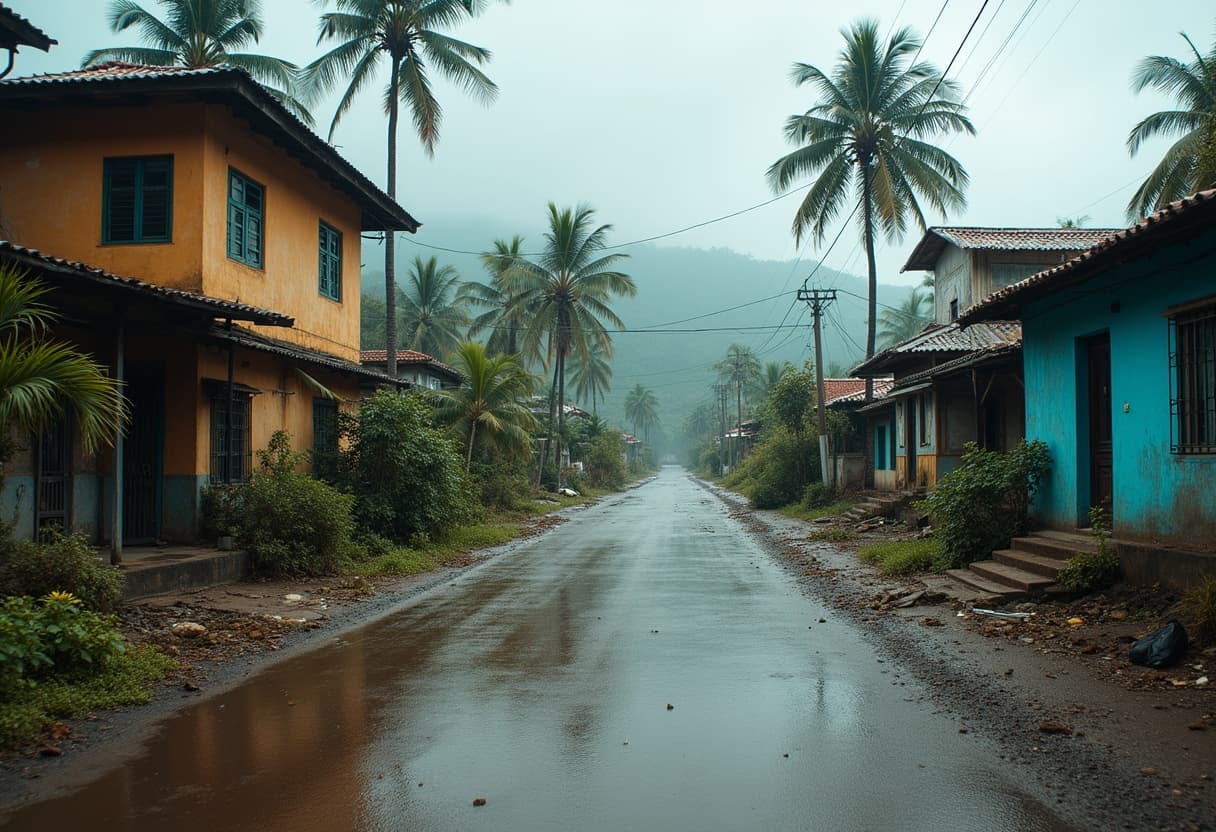
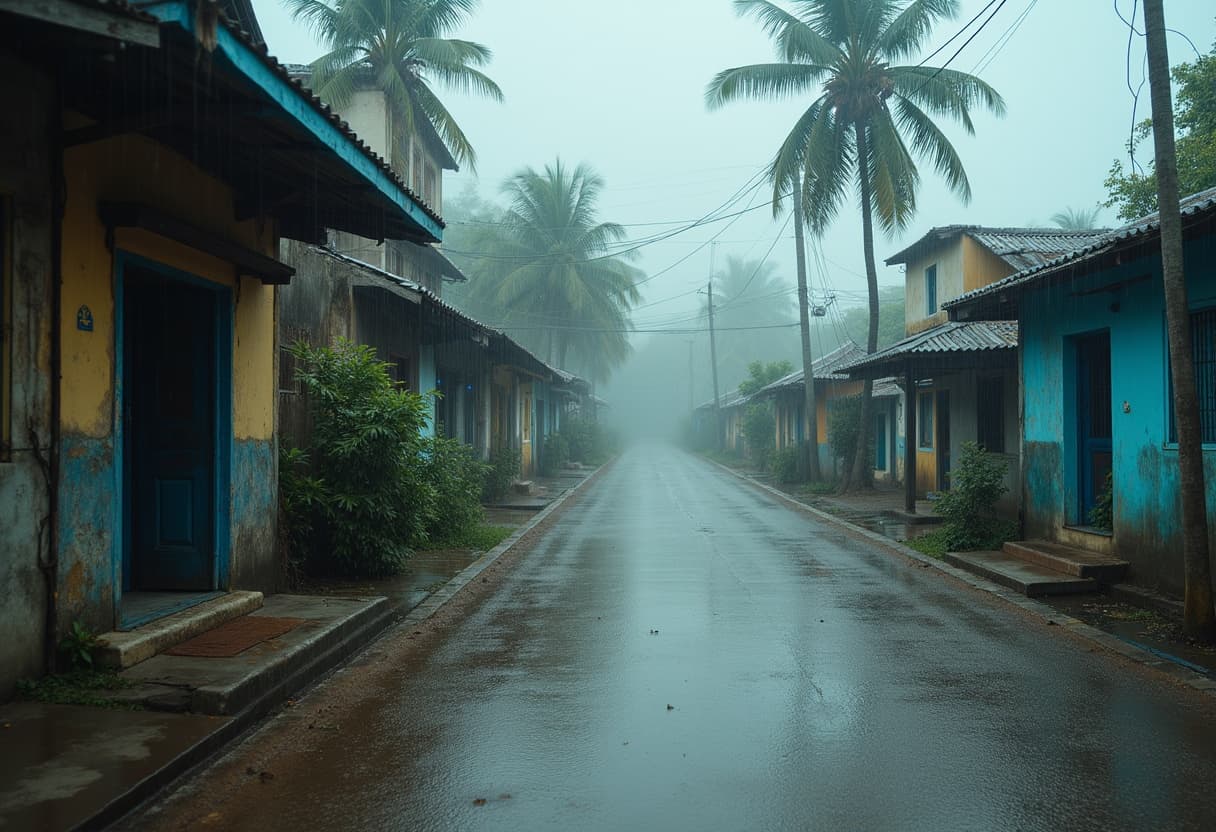
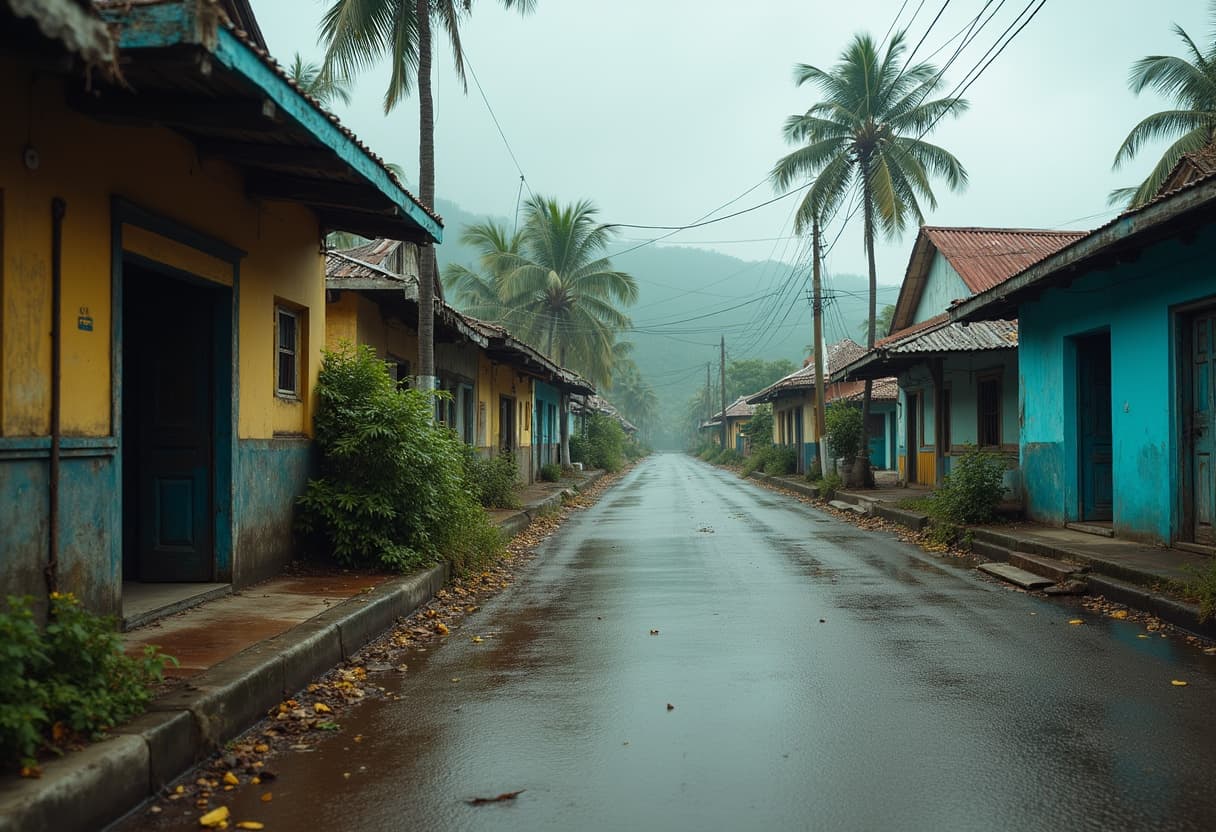
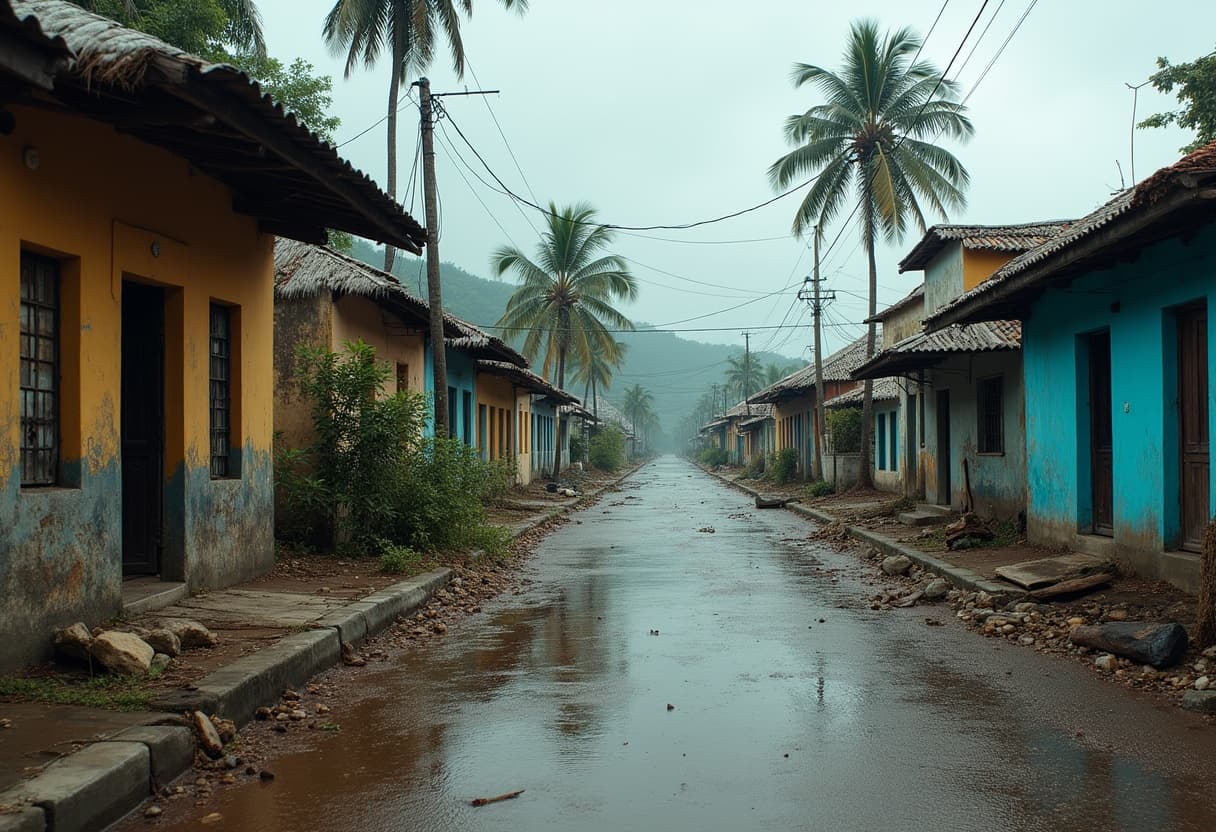
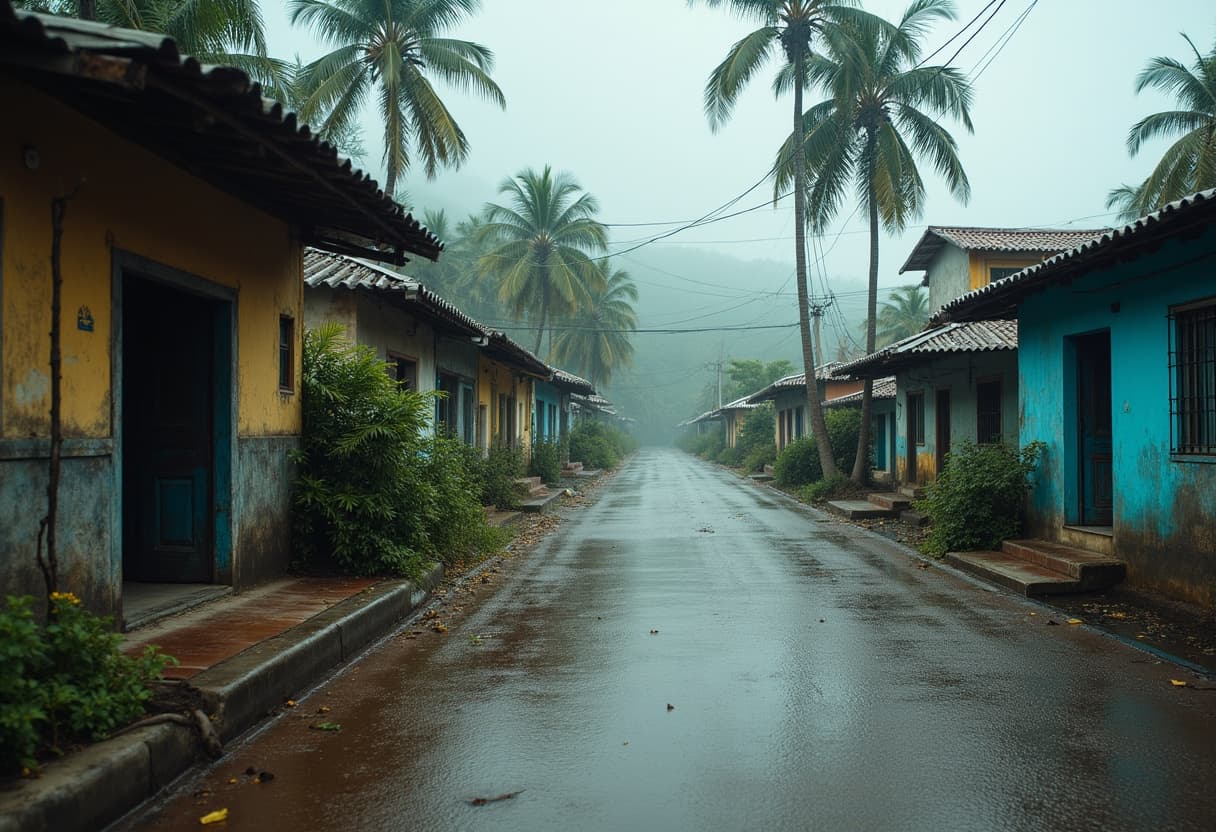
In Jamaica’s St. Elizabeth Parish, once known as the country’s breadbasket, Hurricane Melissa tore through with winds soaring up to 185 mph, uprooting trees, snapping electrical poles, and obliterating homes and infrastructures. Floyd Green, the agricultural minister, described the scene as a “complete disaster,” recounting reports from villagers who found “every single house is without a roof.”
Approximately 25,000 Jamaicans have sought refuge in emergency shelters, many facing uncertain futures as their homes and livelihoods lie in ruins. Superintendent Coleridge Minto detailed the toll: four men and one woman killed, widespread destruction of essential facilities including churches, tax offices, and local bakeries, and severe flooding that washed away much of the town’s infrastructure.
Communication blackouts and power outages compound challenges for relief teams. Nearly 80% of Jamaica was without electricity on the morning following Melissa’s passage, severely hindering coordination efforts. Dana Morris Dixon, Jamaica’s information minister, explained that damaged telecommunications infrastructure made it difficult for families in western Jamaica to connect.
Prime Minister Andrew Holness issued a message of solidarity and urgency, stating, “We know many of you are hurting, uncertain, and anxious after Hurricane Melissa, but please know that you are not alone. Our teams are on the ground working tirelessly to rescue, restore, and bring relief where it’s needed most.” Despite the destruction in the west, eastern Jamaica and the capital Kingston largely escaped major damage.
In a poignant sign of resilience amid crisis, three babies were born during Melissa’s stormy passage, highlighting the human stories behind the statistics. Tourism Minister Edmund Bartlett confirmed that all 25,000 tourists in the country were safe, alleviating some concerns over the island’s vital tourism sector.
Haiti Battles Deadly Flooding and Urgent Humanitarian Needs
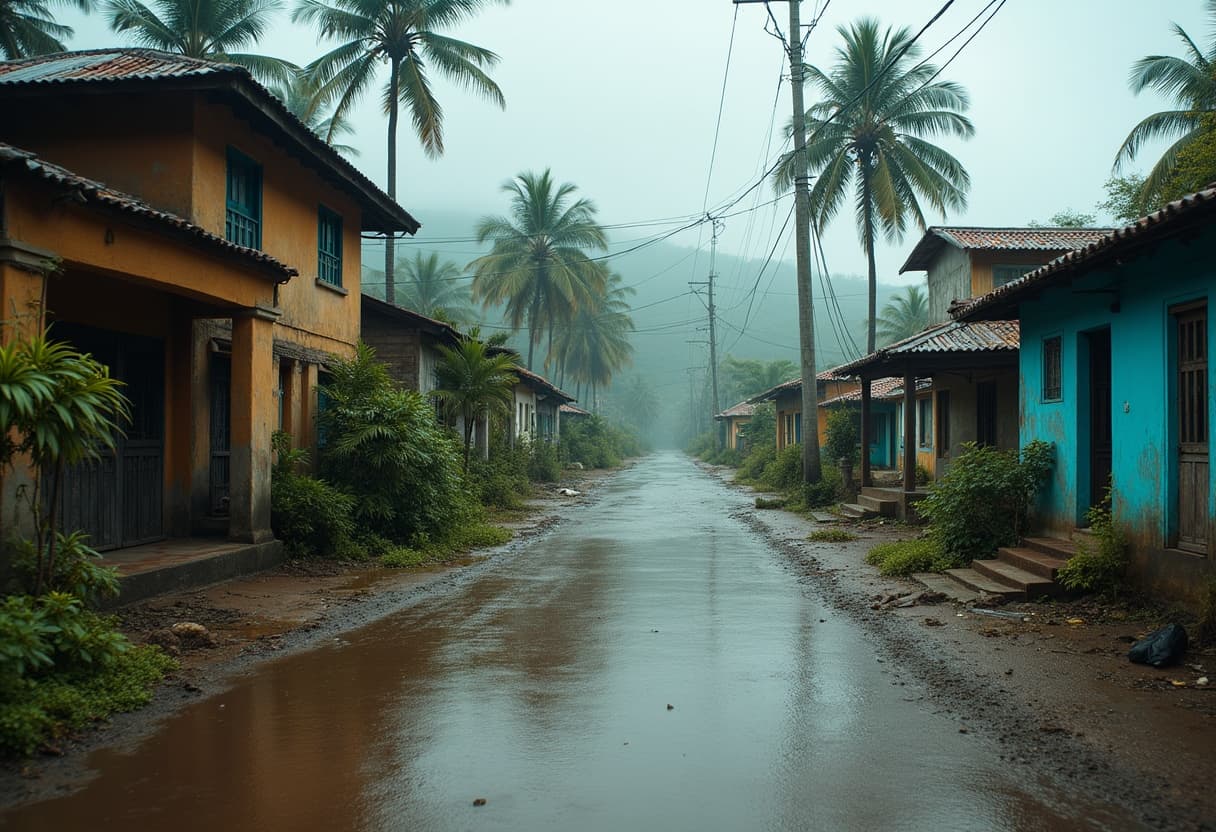
Meanwhile, in the Haitian community of Petit-Goâve, the storm’s torrential rains caused the Digue River to overflow its banks, submerging over 160 homes and claiming about 20 lives, including young children. Another dozen people are still missing, making rescue efforts a race against time.
Ronald Louis, technical manager for the Municipal Civil Protection Committee, painted a dire picture of ongoing needs: “The requests for aid are immense. Hygiene kits, drinking water, shelters, sanitation kits, clothing and heavy equipment to work on the river.” With intermittent rains continuing, there is grave concern about recurring floods and landslides unless swift interventions occur.
Humanitarian agencies warn of a looming crisis as basic services and infrastructure have been heavily compromised in an already vulnerable region. The scale of the emergency underscores the challenges faced by Haiti—the poorest country in the Western Hemisphere—where fragile governance and limited disaster preparedness exacerbate the impacts of climate events.
Cuba Faces Widespread Flooding and Infrastructure Damage
In Cuba, Melissa made landfall as a Category 2 hurricane, still powerful enough to tear roofs off buildings, topple trees, and flood towns. Granma Province Governor Yanetsy Terry Gutiérrez described an “interminable” night of destruction marked by overflowing rivers and submerged neighborhoods.
Some municipalities, such as Sagua de Tánamo with 45,000 residents, experienced severe flooding due to swollen rivers. The Cuban government evacuated more than 735,000 people ahead of the storm, a massive effort that likely averted higher casualties.
President Miguel Díaz-Canel addressed the nation, acknowledging the significant property damage and power outages, particularly in the eastern provinces where electricity remains curtailed.
Storm Continues Northward: What Lies Ahead for the Bahamas and Beyond?
Although weakened, Melissa’s wrath persists as it moves north towards the eastern Bahamas and Turks and Caicos Islands, where authorities anticipate dangerous storm surges and heavy rainfall. The U.S. National Hurricane Center warns of ongoing risks including flash floods and landslides in the broader Caribbean region, emphasizing the storm’s extended impact beyond its initial landfalls.
U.S. Response and Regional Coordination Efforts
In response to the escalating crisis, the U.S. State Department has activated Urban Search and Rescue teams and plans to deploy disaster response experts to the affected Caribbean nations. This deployment comes amid concerns raised by the earlier closure of the U.S. Agency for International Development’s disaster programs during the previous administration, which had historically played a central role in hurricane relief efforts.
International aid agencies and local governments face daunting tasks as they strive to coordinate logistics, deliver necessities, and rebuild communities ravaged by Melissa.
Contextual Insights and Regional Implications
Hurricane Melissa’s devastation spotlights the increasing vulnerability of Caribbean nations to powerful tropical cyclones—a consequence of climate change influencing hurricane intensity and rainfall patterns. These island nations, many with limited infrastructure and economic resources, frequently find themselves at the back end of global climate resilience efforts.
The storm also raises critical questions about preparedness and equity: How effectively can small island nations enhance their disaster response capabilities amid constrained budgets? And what roles should larger governments and international partners play in ensuring timely aid and sustainable recovery?
Moreover, Melissa’s impact arrives as the Caribbean continues facing compounding challenges including economic recovery from the COVID-19 pandemic and fluctuating tourism—a lifeline for many communities now jeopardized by repeated natural disasters.
Looking Ahead
As the cleanup and recovery begin, local voices echo resilience and hope. Jamaica’s emergency coordinators affirm their commitment to restoring normalcy even in the bleakest moments. Meanwhile, humanitarian organizations call for sustained international support as the ripple effects of Melissa will extend for months, if not years, to come.
Editor's Note:
The unfolding tragedy of Hurricane Melissa is a stark reminder of the Caribbean’s precarious position on the frontlines of climate change. Beyond the harrowing death tolls and infrastructure destruction, these events challenge us to reconsider global approaches to disaster management, equitable aid distribution, and building long-term resilience.
For policymakers and citizens alike, Melissa serves as a call to action: to invest more deeply in early warning systems, sustainable infrastructure, and cross-border cooperation to mitigate future storms’ impacts. As the region begins to rebuild, the human stories of loss, survival, and hope must remain at the heart of recovery efforts.