“Kiuryaq”: A Theatrical Celebration of the Aurora Borealis from Indigenous Perspectives
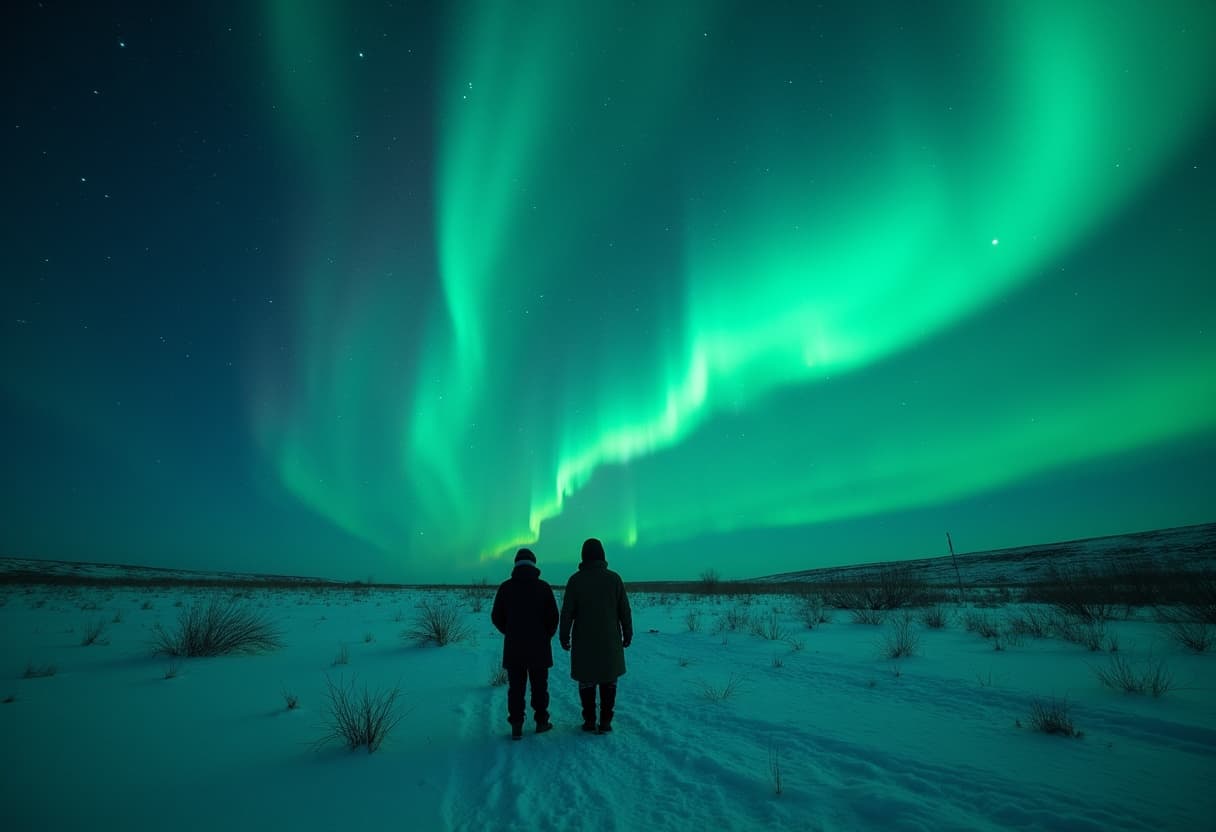
Every year, the ethereal spectacle of the aurora borealis draws tens of thousands to the Arctic and sub-Arctic regions, with Canada’s Northwest Territories among the most sought-after destinations. Yet, while visitors marvel at this natural wonder, for Indigenous peoples of the North, the northern lights are far more than a tourist attraction—they are an enduring presence, woven deeply into cultural lore and daily life.
Bringing Indigenous Voices Center Stage
“Kiuryaq,” meaning "northern lights" in Inuvialuktun, is a groundbreaking theatrical work born from a four-year collaboration among Indigenous and non-Indigenous artists across Canada, Greenland, and Norway’s Sápmi region. Directed and co-written by Inuvialuit artist Reneltta Arluk, the play weaves the mystical with the real, told through the eyes of those who have lived beneath the glowing skies for generations.
Set against a minimalist stage enhanced by immersive multimedia—projections of the aurora and Arctic landscapes—the production traveled to Fort Simpson, a small Northwest Territories community of about 1,100 residents. Despite its modest size, an audience of roughly 80 gathered, offering a vibrant blend of laughter, reflection, and shared connection.
A Story Rooted in Tradition and Modernity
At the heart of “Kiuryaq” lies the story of Marie, a young Indigenous girl raised by her grandparents amidst the northern wilderness. Through Marie’s journey—riding Ski-doos, trapping with her grandfather, and navigating family secrets—the play explores themes of belonging, loss, and cultural resilience. Her younger brother, Rowan, adopted and raised far south in London, Ontario, represents the dislocation many Indigenous children faced during Canada’s infamous “Sixties Scoop,” when thousands were separated from their communities.
“Kiuryaq” does not shy away from hard truths. It uncovers intergenerational trauma and the complex realities of adoption, yet cloaks these narratives in warmth through humor, music, and dance. Composer Carmen Braden’s original score stands out as a haunting sonic backdrop, linking past and present.
The Northern Lights as a Living Character
Beyond the human story, the aurora itself emerges as a vibrant, almost sentient presence. Marie’s grandmother cautions against whistling at the lights—a traditional taboo warning that, if disobeyed, the lights might whisk someone away. This shared legend, vibrant across Indigenous communities from Canada to Norway’s Sápmi, offers a powerful metaphor for the fragile relationship between humanity and nature.
“There was a girl who reached for the moon / And whistled at Kiuryaq...” Marie sings, articulating a longing that transcends geography and time. The lights dance on, both a literal and symbolic force intertwining identity, memory, and belonging.
Humor and Cultural Commentary from Within
The play also smartly confronts the commercialization of the aurora borealis and the commodification of Indigenous identity within tourism. Characters such as Frank, an overzealous Indigenous aurora tour operator, poke gentle fun at the awkwardness of marketing culture to outsiders—a self-aware humor that would likely be lost if told by non-Indigenous creators.
Tensions Between Tradition and Western Influence
One of the play’s most compelling aspects is its candid exploration of the friction between Indigenous worldviews and colonial legacies. Marie’s sarcastic monologue about being told to "move on from the past" underscores the ongoing struggle for cultural preservation amid modernization.
“This line on my face is a connection to my ancestors... They tried to erase our history kept on our skin... Not anymore.”
Here, traditional face markings become a profound symbol of identity and resilience, offering a message of hope that honors heritage while embracing the future—a message resonating deeply in Indigenous communities today.
Contextual Significance in an Evolving Arctic
“Kiuryaq” arrives at a moment when Arctic sovereignty and Indigenous rights are front and center amid growing geopolitical tensions. As global powers eye the region’s resources and strategic position—occasionally overshadowing local voices—this play reminds audiences that the Arctic is not simply a contested terrain but home for vibrant peoples with rich cultures and histories.
Through artistry and storytelling, “Kiuryaq” asserts Indigenous narratives both within and beyond the North, emphasizing that those who know the aurora best hold the authority to tell its stories.
Looking Ahead
After its tour across the Canadian North and upcoming performances in Greenland, “Kiuryaq” is set to captivate broader audiences at Vancouver’s Push Festival in early 2026 and eventually Norway in 2027. Its accessible staging—often employing innovative, resourceful techniques like projecting onto bedsheets in remote communities—ensures its message travels far beyond traditional theater hubs.
Editor’s Note
“Kiuryaq” stands as more than a play; it is a cultural bridge connecting generations, geographies, and perspectives under the ever-enchanting northern lights. Its candid portrayal of Indigenous experiences, combined with humor and ritual, invites reflection on how art can challenge colonial narratives and foster reconciliation. As the Arctic faces unprecedented environmental and political challenges, voices like those in “Kiuryaq” shine as luminous guides, reminding us that some stories belong most authentically to those who live them.
How can incorporating Indigenous epistemologies into Arctic policies deepen our understanding of stewardship in a fragile ecosystem? And what role can art play in reshaping the global narrative about the North? These pressing questions remain open for further dialogue.