Juan Gabriel: Mexico’s Timeless Musical Legend
Long before the global stage was dominated by contemporary Latin music stars like Bad Bunny, another extraordinary artist held the hearts of millions across Mexico and the world: Juan Gabriel. The legendary singer-songwriter, affectionately known as "El Divo de Juárez," passed away in 2016, yet his cultural influence remains as vibrant as ever.
A Historic Gathering at Mexico City’s Zócalo
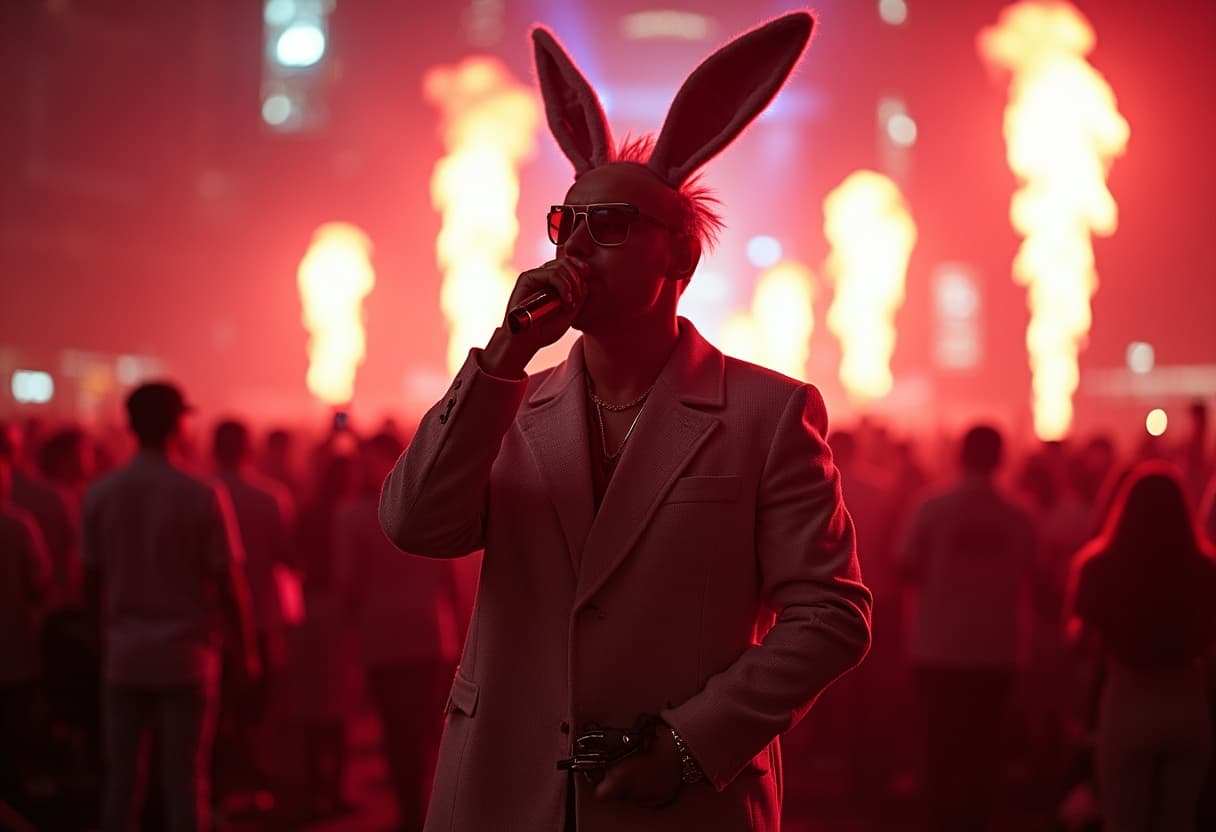
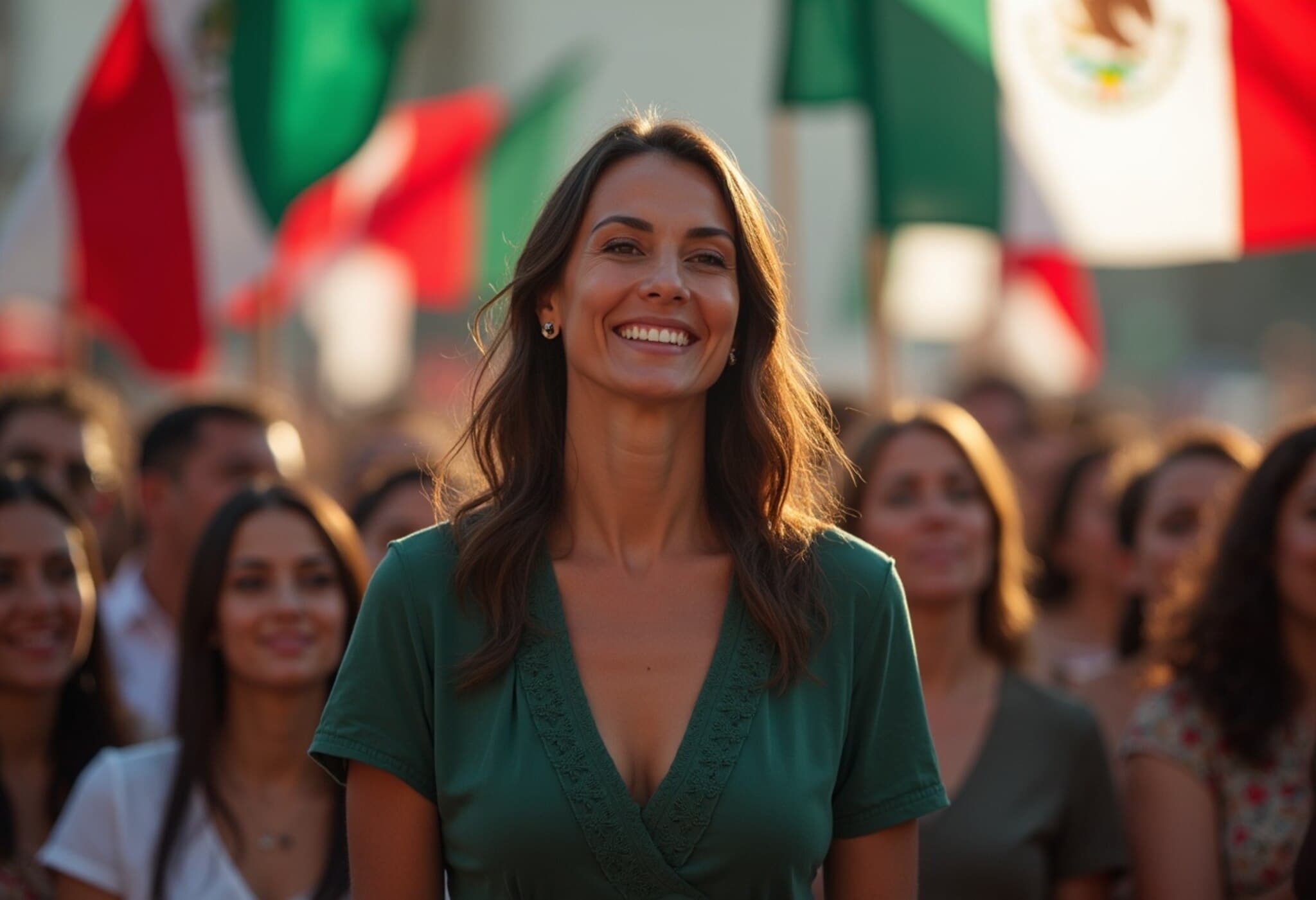
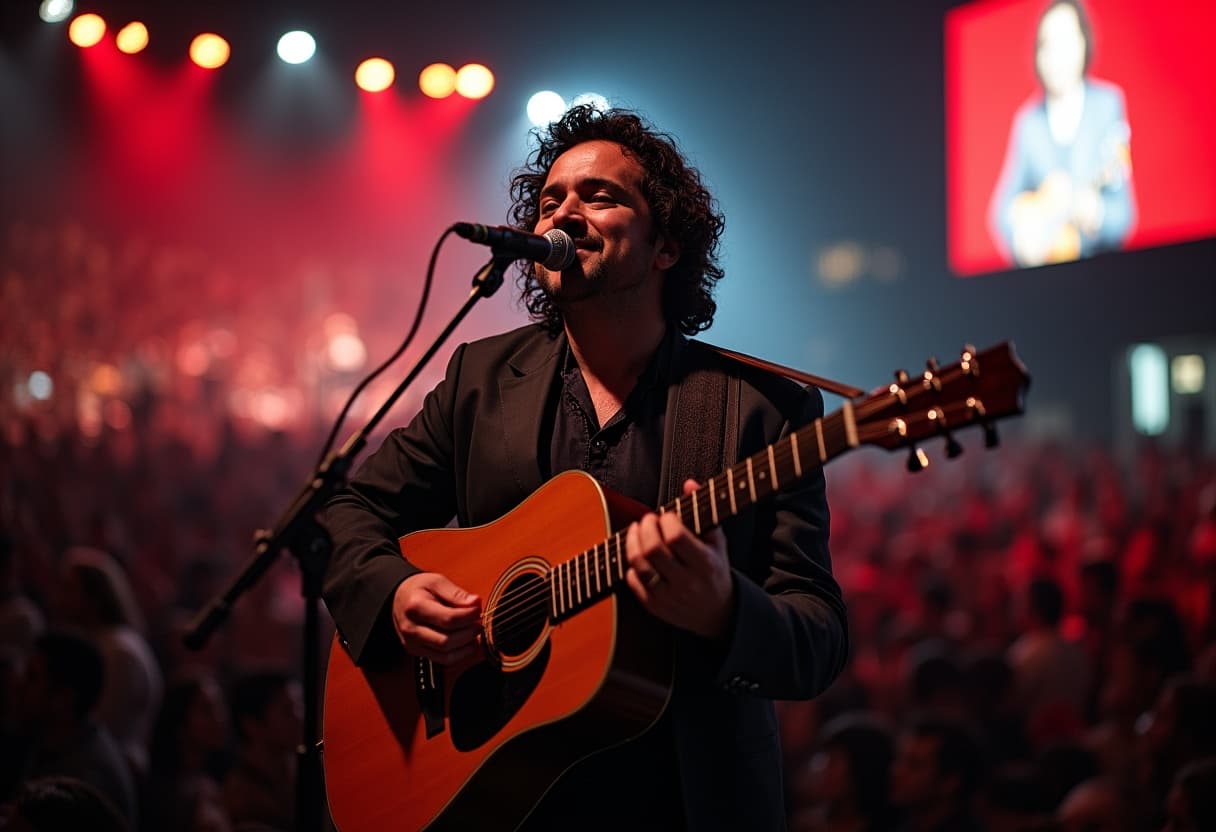
On a remarkable Saturday in 2025, over 170,000 fans converged at Mexico City’s Zócalo, the sprawling central plaza, to watch a public screening of a landmark 1990 concert by Juan Gabriel. This massive turnout surpassed many live shows by contemporary artists — testament to the singer’s undeniable impact.
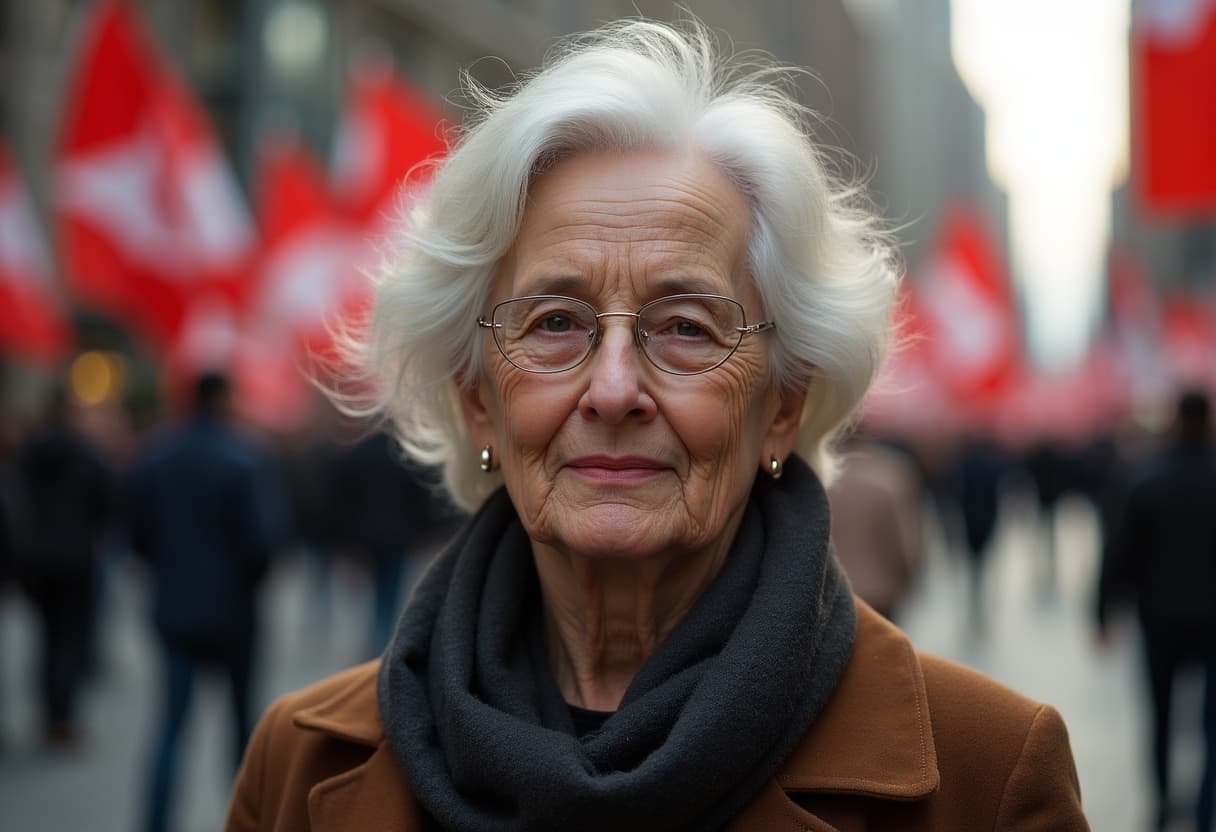
The crowd was a mosaic of ages and backgrounds: from devoted elderly fans to young admirers discovering his music for the first time, from locals arriving on foot to visitors traveling by planes, buses, and even pedicabs.
Stories from the Crowd: The Human Face of Fandom
- Cristian León, 33, who works in his family hardware store, expressed the shared longing of many young fans: “This is the dream of those of us who never got to see him in person.”
- Carmen Sandoval, 37, journeyed from Veracruz, selling motorcycle parts to support her course, saying, “I always wanted to see him, but I never had the money.”
- Enriqueta Cañas Torres, 56, who works as a street cleaner near the plaza, planned to work while immersed in the concert's emotional resonance, particularly waiting for one of Juan Gabriel’s tear-inducing ballads to play.
These personal stories underscore Juan Gabriel’s rare ability to connect with audiences across Mexico’s diverse socio-economic spectrum — a hallmark of true cultural icons.
The Legacy Beyond the Music
Juan Gabriel was not just a singer but a cultural icon who challenged societal norms through his flamboyant style and heartfelt lyrics. His openness about themes like love, pain, and identity resonated powerfully in a traditionally conservative society. As a Mexican artist who transcended borders, his music encapsulated the spirit of resilience and passion that defines Latin American culture.
In the United States, Latin music has exploded in popularity, with streaming data revealing an ever-growing appetite for diverse voices. Yet, many younger listeners today might be unaware of the trailblazers like Juan Gabriel who paved the way.
Why Juan Gabriel Still Matters in 2025
- Representation and Courage: His openness about gender and emotional expression broke barriers in Mexican entertainment.
- Cultural Bridge: His music remains a gateway for understanding Mexican identity and experience globally.
- Universal Themes: Love, loss, and self-acceptance in his lyrics resonate regardless of generation.
- Inspiration for Artists: Many contemporary musicians cite Juan Gabriel as a foundational influence, highlighting his cross-generational appeal.
Looking Ahead: Preserving Musical Heritage in the Digital Age
The massive turnout for the concert screening in Mexico City reflects a broader trend: in an era saturated with ephemeral digital content, audiences crave authentic connections to cultural roots. Events like this not only honor the memory of icons like Juan Gabriel but also foster communal experiences that digital platforms struggle to replicate.
From a policy perspective, governments and cultural institutions face the ongoing challenge of balancing modernization with preservation. Initiatives to archive performances, support public screenings, and promote music education are crucial in sustaining the legacy of artists whose work shaped social and cultural landscapes.
Editor's Note
Juan Gabriel’s enduring appeal invites us to reflect on the power of music as a unifier that transcends time, geography, and social divides. As fans gathered en masse to celebrate a performance from decades ago, we are reminded that the true measure of an artist’s impact lies not only in records sold or awards won but in the hearts and lives they continue to touch. In today's fast-paced digital world, such moments of shared cultural remembrance are rare and precious.
Looking forward, one pressing question remains: How can policymakers, cultural leaders, and communities collaborate to ensure that musical legacies like Juan Gabriel's continue to inspire future generations? In an age of streaming and viral hits, sustaining deep, meaningful cultural connections requires thoughtful stewardship — a challenge well worth embracing.