
The Growing Covert Russian Presence in Mexico
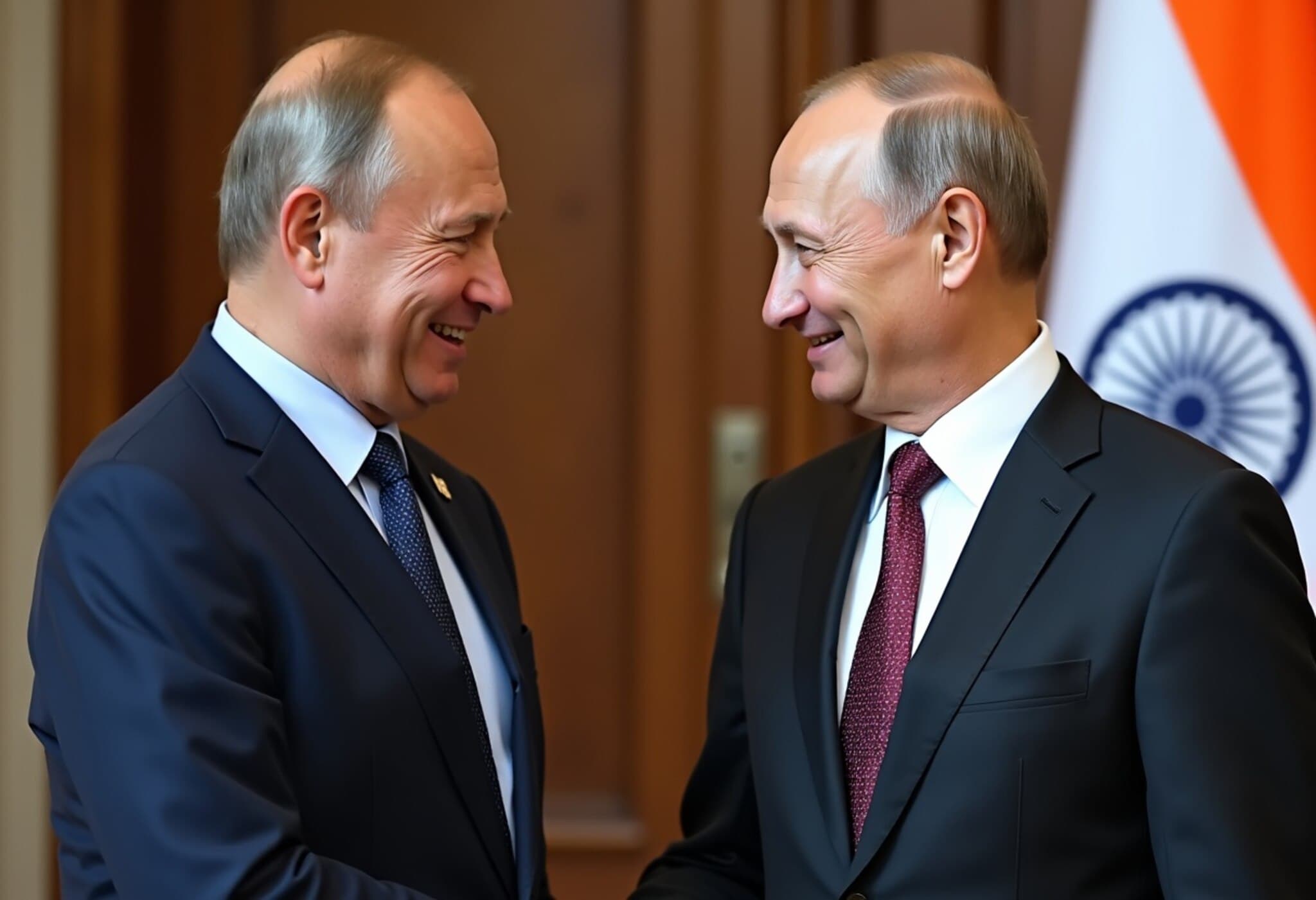
In recent years, U.S. intelligence agencies have sounded alarms about a surge in Russian espionage activities in Mexico. According to multiple current and former U.S. and Mexican officials, Moscow’s operatives have been increasingly active—frequently meeting their handlers in Mexico City’s bustling streets and even in popular seaside resorts. These revelations underscore a nuanced geopolitical dynamic rarely spotlighted in mainstream conversations about international espionage.
U.S. Intelligence Efforts and Mexico's Response
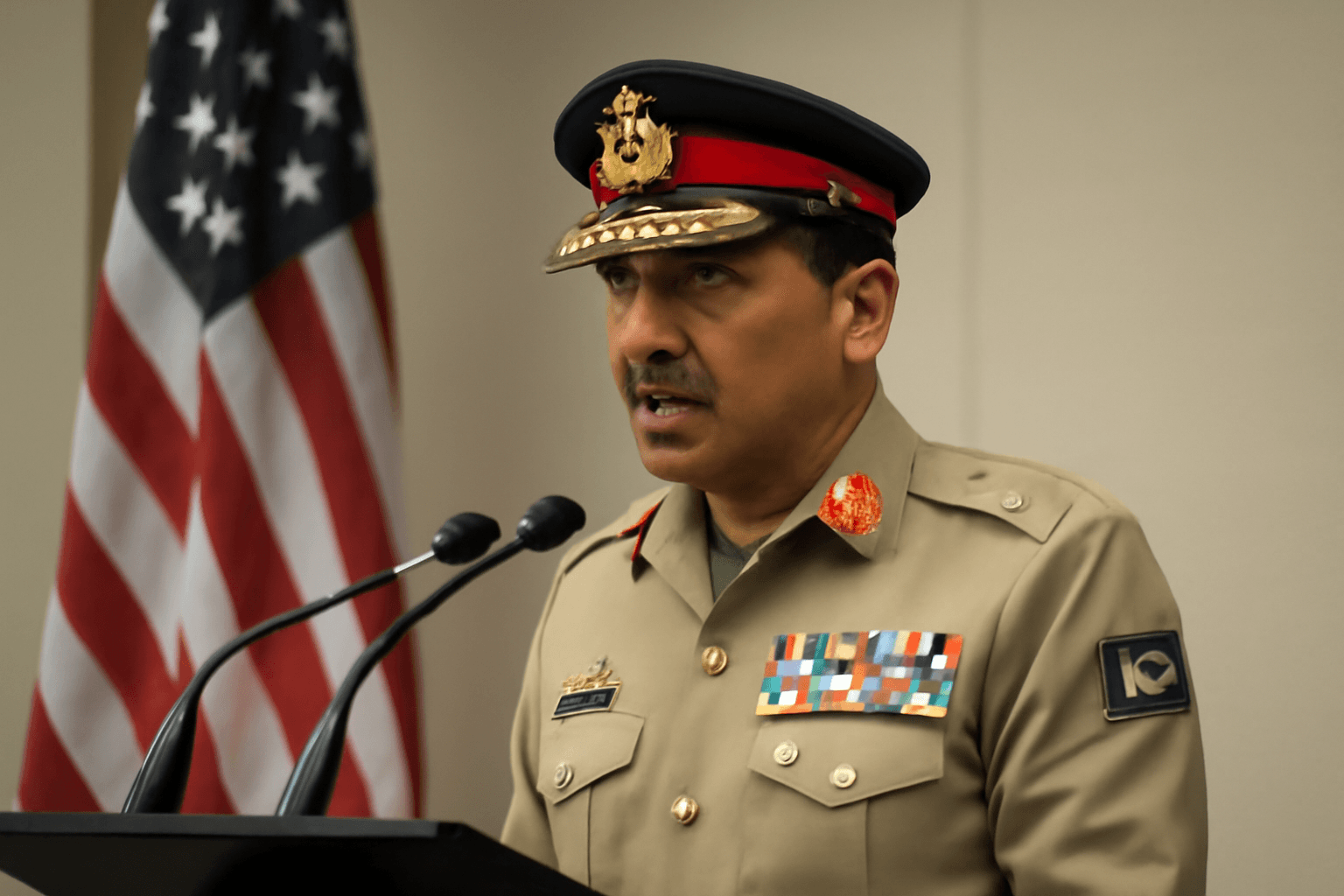
Back in 2022, when a U.S. general publicly stated that Mexico had effectively become a safe harbor for Russian spies, Mexican President Andrés Manuel López Obrador outright denied the claims. Yet, insiders reveal a different story. Top Mexican officials had repeatedly been alerted by U.S. counterparts about the escalation of Russian covert operations. Notably, López Obrador himself had been briefed directly on the situation.
The CIA went so far as to compile a detailed list identifying more than two dozen Russian agents masquerading as diplomats. But, strikingly, Mexican authorities chose not to expel these individuals or take more restrictive measures. This reluctance has sparked questions about Mexico’s balancing act between domestic politics, international alliances, and sovereignty concerns.
Diplomatic Nuances amid Rising Tensions
In 2023, under increasing U.S. diplomatic pressure, Mexico agreed to a significant concession: allowing American officials to participate in the vetting of Russian diplomats seeking credentials on Mexican soil. This collaboration led to the rejection of some Russian applicants, marking a rare instance of cooperation on the espionage front. However, those Russian operatives already embedded within Mexico were largely left undisturbed, even following the inauguration of a new Mexican president later that year.
The sizable Russian Embassy in Mexico City—which Moscow ranks among its largest worldwide despite limited economic or military ties with Mexico—serves as a hub facilitating these activities. The embassy’s prominence hints at Russia’s strategic intent, leveraging Mexico’s geographic position as a foothold within the Western Hemisphere.
Expert Analysis: Geopolitical and Security Implications
From an American policy perspective, Russia’s deepening espionage presence in Mexico signals a broader pattern of Moscow expanding its global intelligence footprint in unconventional arenas. Analysts assert this development complicates U.S.-Mexico relations, particularly in areas related to counterintelligence and regional security cooperation.
Experts emphasize that Mexico’s cautious approach may stem from internal political calculations and a desire to maintain an independent foreign policy line, rather than becoming a proxy battleground for U.S.-Russia tensions.
Moreover, this episode challenges conventional narratives about Latin America’s role in Cold War-era espionage, spotlighting a modern iteration of intelligence operations that blend statecraft with subtle influence maneuvers.
What This Means for the Future
- Policy Coordination: Enhanced bilateral cooperation on vetting diplomats could help mitigate espionage risks but may require greater transparency and trust-building.
- Regional Security: Continued Russian activity in Mexico demands concerted multilateral monitoring to safeguard hemispheric security.
- Public Awareness: Understanding the nuanced dynamics behind these covert operations is critical for citizens and policymakers alike to make informed decisions.
Editor’s Note
The unfolding situation of Russian espionage in Mexico provides a compelling lens through which to view the complexities of international relations in the Americas. The delicate interplay between sovereignty, alliance pressures, and intelligence warfare raises crucial questions about trust, national interest, and geopolitical strategy. As the U.S. and Mexico navigate this challenging landscape, the world watches closely—highlighting the importance of informed dialogue and thoughtful policymaking in an increasingly interconnected world.