Armed Robbery Targets Valued Matisse Collection in São Paulo
In a startling heist emblematic of the growing vulnerability of cultural treasures, two armed assailants seized over a dozen artworks, including eight pieces by renowned French painter Henri Matisse, from a prominent exhibition at the Mário de Andrade Library in São Paulo, Brazil, on Sunday afternoon. This incident layers fresh anxiety over art security following the notorious Louvre jewel theft in Paris just two months prior.
Details of the Theft and Targeted Exhibition
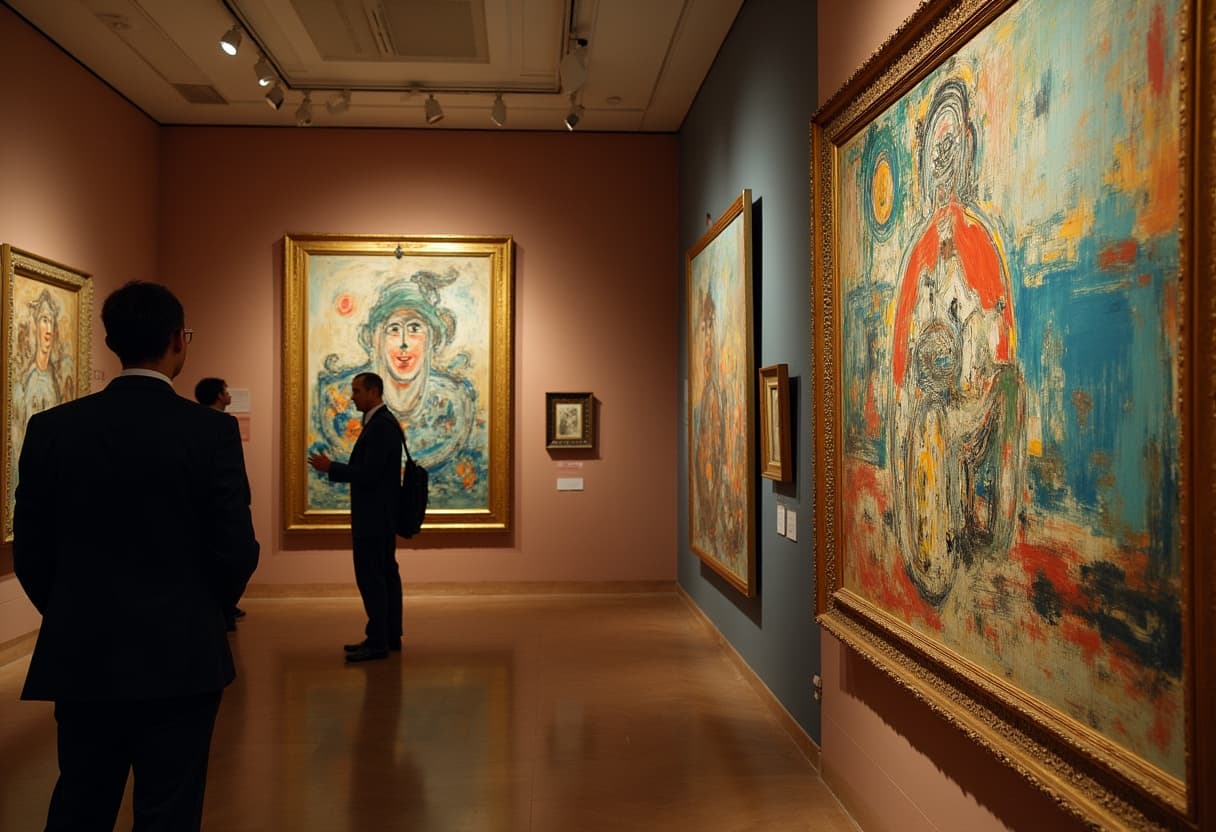
The robbery unfolded during public viewing hours at the library, which had been hosting a collaborative exhibition with the Museum of Modern Art of São Paulo titled “From Book to Museum” since October. The exhibit showcased works by more than 30 distinguished artists, prominently featuring Matisse alongside celebrated Brazilian modernist Candido Portinari, from whom five stolen artworks were also reported.
Early reports remain murky regarding the specific titles of the stolen works or the status of any suspects. Official statements from the library administration, the partnering museum, and the São Paulo police were pending as of Monday morning.
Significance of the Stolen Works and Cultural Impact
Henri Matisse (1869–1954) is widely regarded as a pillar of early 20th-century modernism, his vivid palettes and daring brushwork reshaping artistic expression away from classical realism. His creations are internationally treasured both for their aesthetic innovation and profound influence on contemporary art. Losing multiple authentic Matisse pieces to theft represents a grave cultural and financial blow, especially to Brazil's vibrant art scene which carefully curated these works in dialogue with local artists.
Broader Patterns of Art Crime and Security Challenges
This robbery echoes a troubling pattern of high-profile art thefts occurring during exhibition hours under presumably well-guarded conditions. The October 2025 Louvre heist, where thieves absconded with over $100 million worth of French crown jewels, highlighted systemic vulnerabilities in security even in the world’s most prestigious institutions.
Such incidents prompt urgent questions for cultural policymakers and law enforcement agencies worldwide about how to better protect irreplaceable artworks without diminishing public access and engagement.
Perspectives from Experts and Authorities
- Art Security Analysts emphasize the need for advanced surveillance technologies and enhanced staff training, especially during popular events.
- Museum Curators stress balancing open accessibility with protective measures to preserve cultural heritage for future generations.
- Law Enforcement faces an escalating challenge in tracking transnational art crime rings that often funnel stolen pieces into black markets.
What Lies Ahead for São Paulo’s Art Institutions?
As São Paulo grapples with this breach, the incident could serve as a catalyst to strengthen security protocols across Brazilian cultural institutions, particularly around temporary exhibitions. It also raises awareness about the global scale of art crime and the critical role international cooperation will play in recovering stolen masterpieces.
Editor’s Note
While the immediate concern lies in recovering these precious artworks, this event casts a broader spotlight on the precarious balance between protecting cultural assets and maintaining their public accessibility. It compels stakeholders to rethink art security strategies in an era of escalating sophisticated thefts. Readers are encouraged to consider how society values and safeguards its artistic legacy amid evolving risks.