
Venezuela's Political Crisis: A Shift Toward Dialogue
In the wake of a dramatic weekend marked by the forced removal of President Nicolás Maduro, Venezuela's new acting president, Delcy Rodríguez, has signaled a notable change in tone, extending a hand of cooperation to the United States. This move contrasts sharply with her previous fiery accusations against the Trump administration just one day prior.
From Confrontation to Conciliation
Following the surprising and controversial capture of Nicolás Maduro — who was reportedly taken out of Venezuela in handcuffs on Saturday — Rodríguez initially vacillated on acknowledging her new role, insisting Maduro remained the legitimate president. However, after stepping into the position formally recognized by Venezuela’s Supreme Court on Sunday, Rodríguez issued a statement aimed at easing heightened tensions.
Her message was clear: Venezuela aspires to sovereignty and peaceful relations free from external threats. Importantly, Rodríguez invited the U.S. government to collaborate on a cooperative agenda rooted in international law and regional stability. She emphasized the importance of “lasting community coexistence” while softening her prior rhetoric accusing the United States of unlawful invasion.
Context: A Nation at the Crossroads
The political turmoil in Venezuela unfolds amid complex geopolitical strains, including international drug-related charges against Maduro and his wife, who now reside in a U.S. federal jail in New York. This adds layers to a crisis involving questions of sovereignty, democratic legitimacy, and foreign intervention.
President Donald Trump’s public warnings against Rodríguez — promising “a very big price” if she fails to cooperate — reflect the combative U.S. approach to Latin American politics, complicating prospects for diplomatic resolution.
Analyst Insight: The U.S.-Venezuela Dynamic
From an American policy perspective, Rodríguez's outreach might represent a pragmatic opening. Engaging Venezuela through dialogue rather than confrontation could better serve regional security, mitigate humanitarian crises, and pave the way for constructive engagement on issues like migration and economic development.
- Rodríguez’s background as a former foreign minister might facilitate nuanced diplomacy.
- The call for cooperation underlines Venezuela’s desire to avoid further isolation.
- However, skepticism remains about the durability of this diplomatic tone amid ongoing internal factionalism.
Unanswered Questions and Regional Implications
As Rodríguez stops short of demanding Maduro’s release, the question arises: how will Venezuela’s divided governance structure impact future negotiations? Moreover, what role will neighboring countries and international organizations play in mediating this conflict?
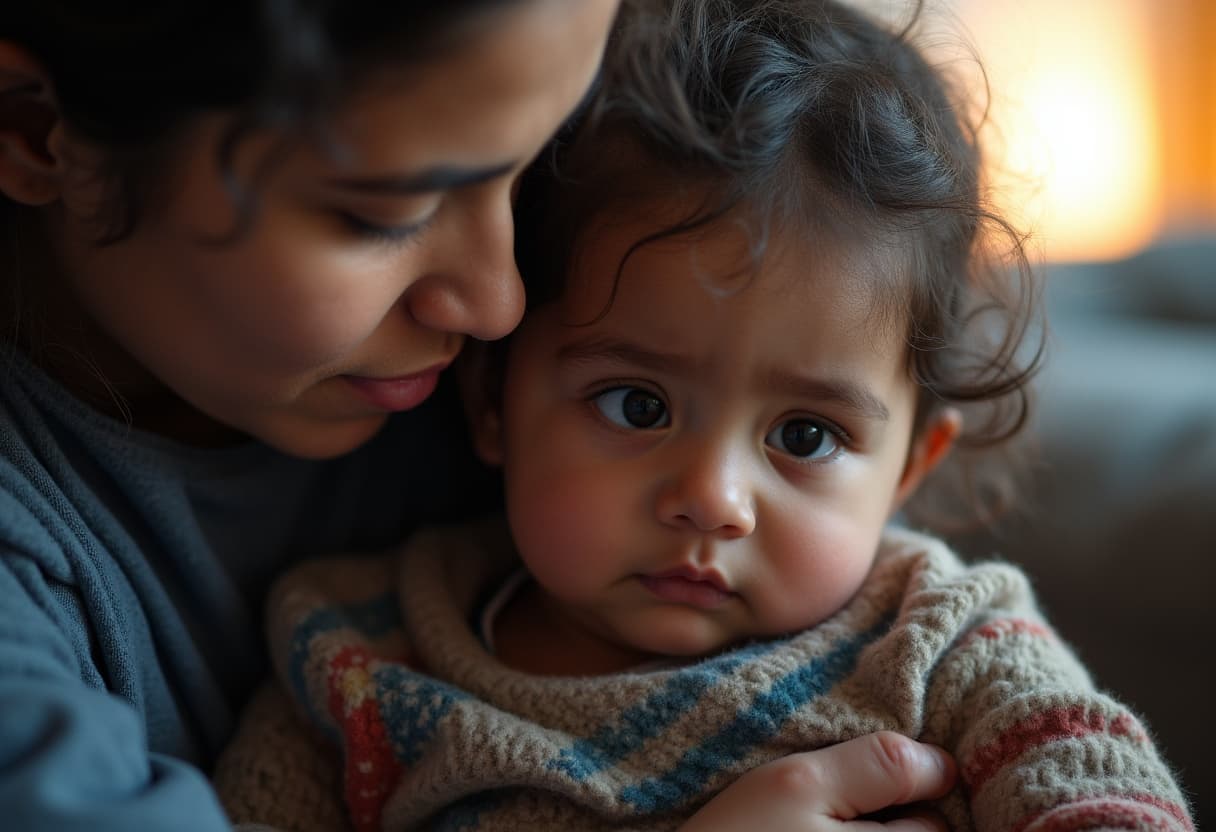
For many Venezuelans and their diaspora, the crisis is deeply personal—affecting livelihoods, migration, and hopes for a stable future. Thus, these political maneuvers resonate beyond formal statecraft, touching on human struggle and resilience.
Editor's Note
This evolving situation in Venezuela underscores the delicate interplay between sovereignty and international intervention. Delcy Rodríguez’s pivot towards dialogue offers a glimmer of hope but raises vital questions about the path forward for U.S.-Venezuelan relations. Close attention to regional dynamics and humanitarian outcomes is critical as this story develops.