U.S. Military Buildup Heightens Tensions with Venezuela
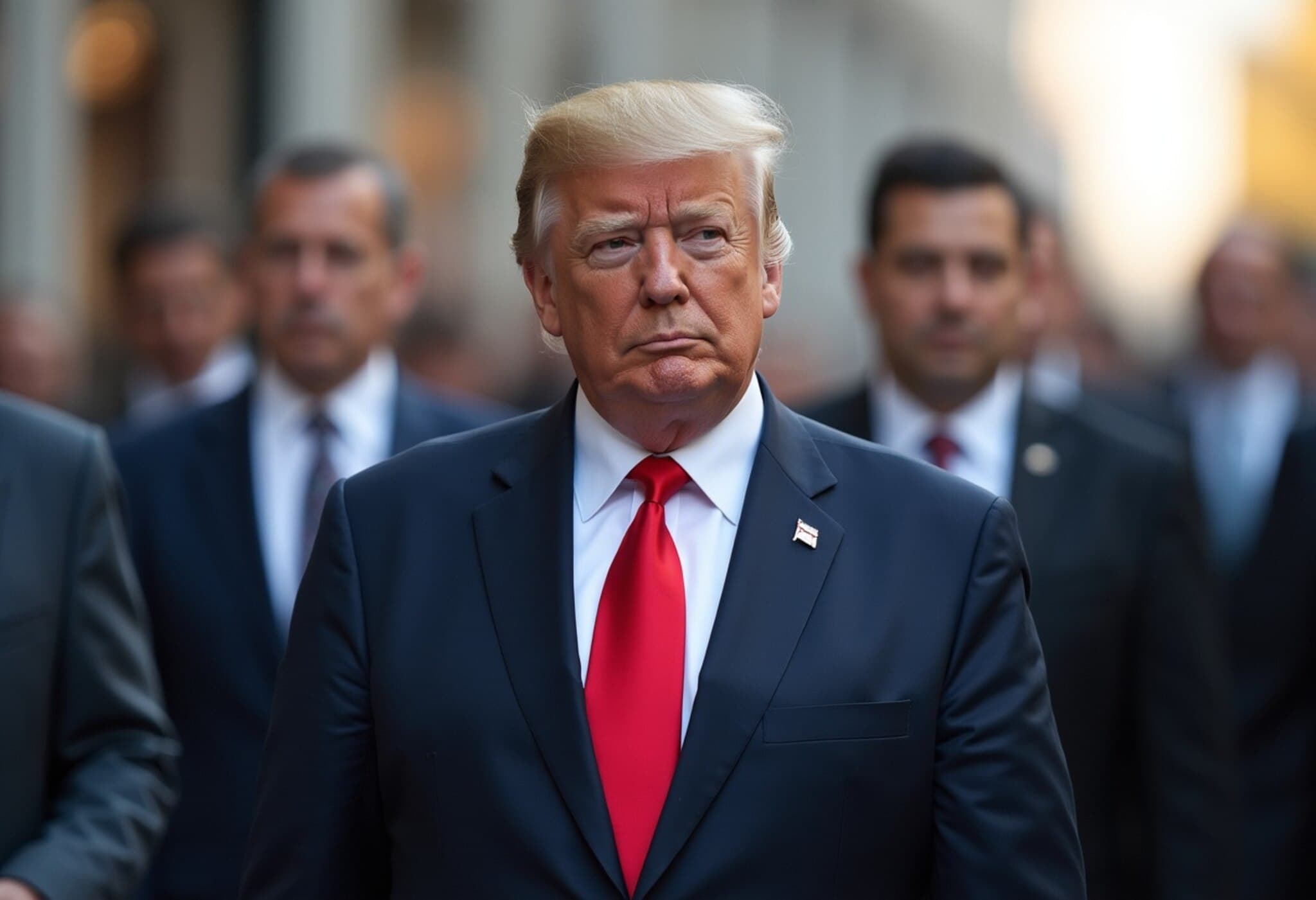
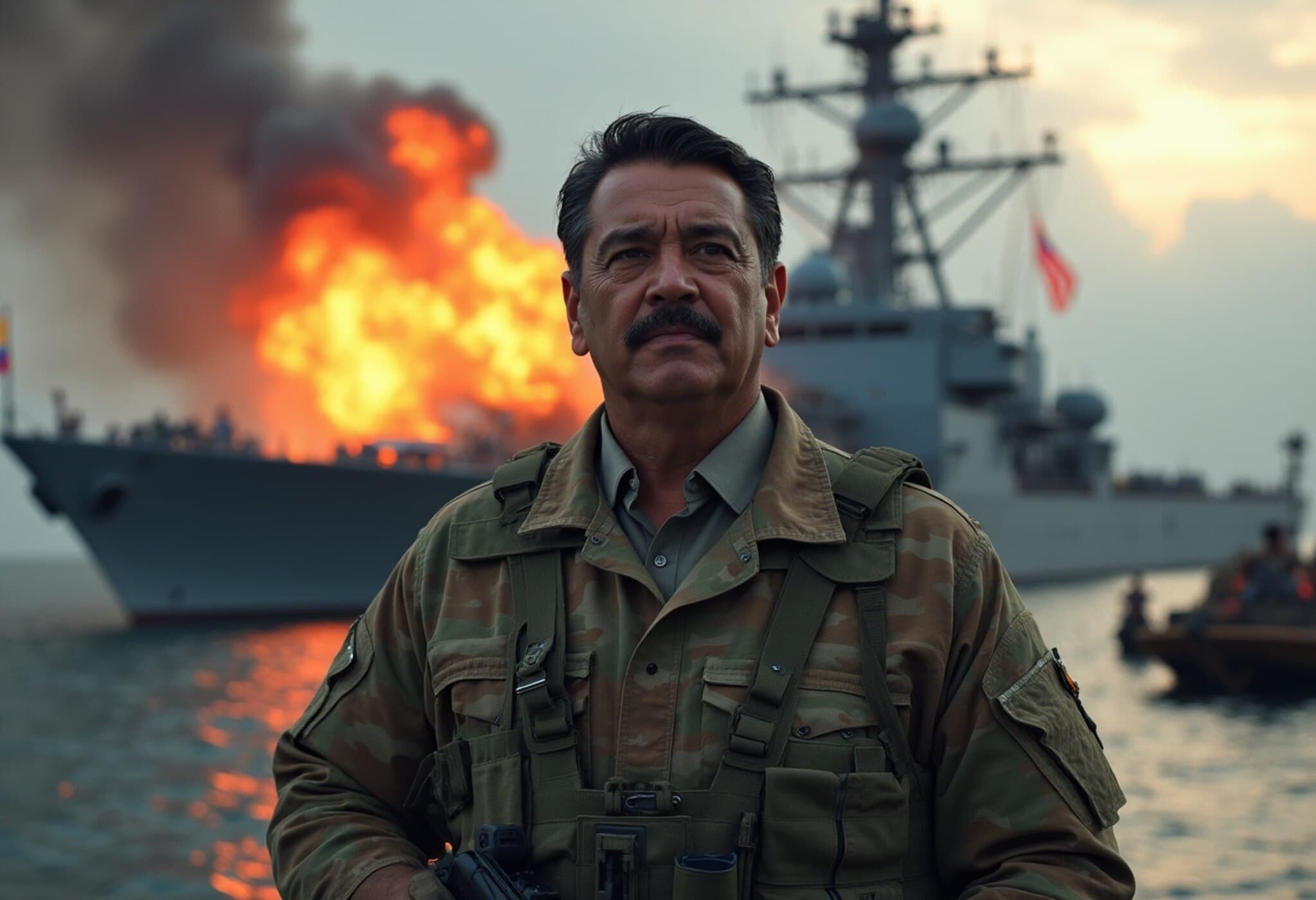
In a striking escalation of geopolitical tensions, the United States under President Donald Trump has intensified its military presence near Venezuela, deploying approximately 15,000 troops alongside advanced naval assets in the Caribbean. This move is part of a broader strategy to undermine President Nicolás Maduro’s government, which the U.S. has labeled illegitimate and has accused of orchestrating drug trafficking and terrorism.
The Complex Web of Venezuela’s Foreign Alliances
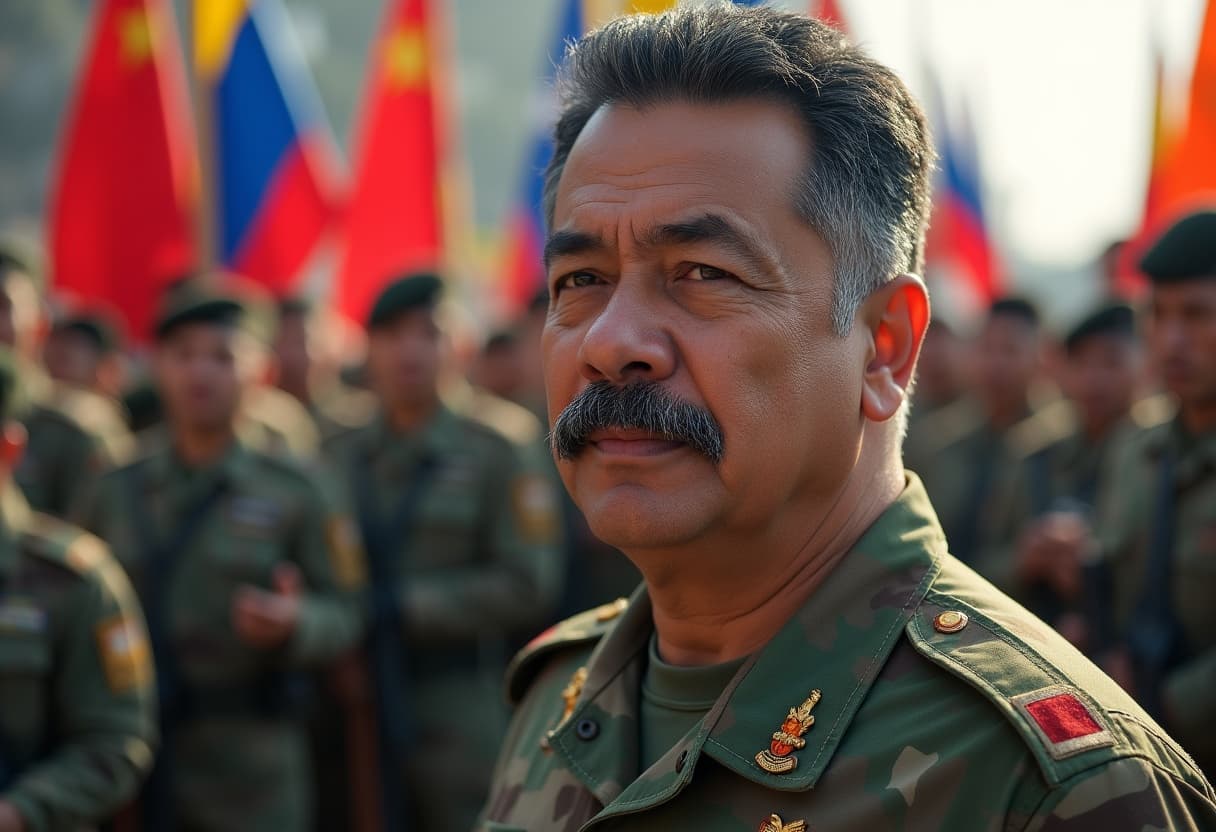
Maduro’s administration has long fortified its defenses through strategic partnerships with nations often at odds with American interests. Venezuela’s military and security infrastructure features support from:
- Cuba—providing specialized bodyguards and intelligence operatives;
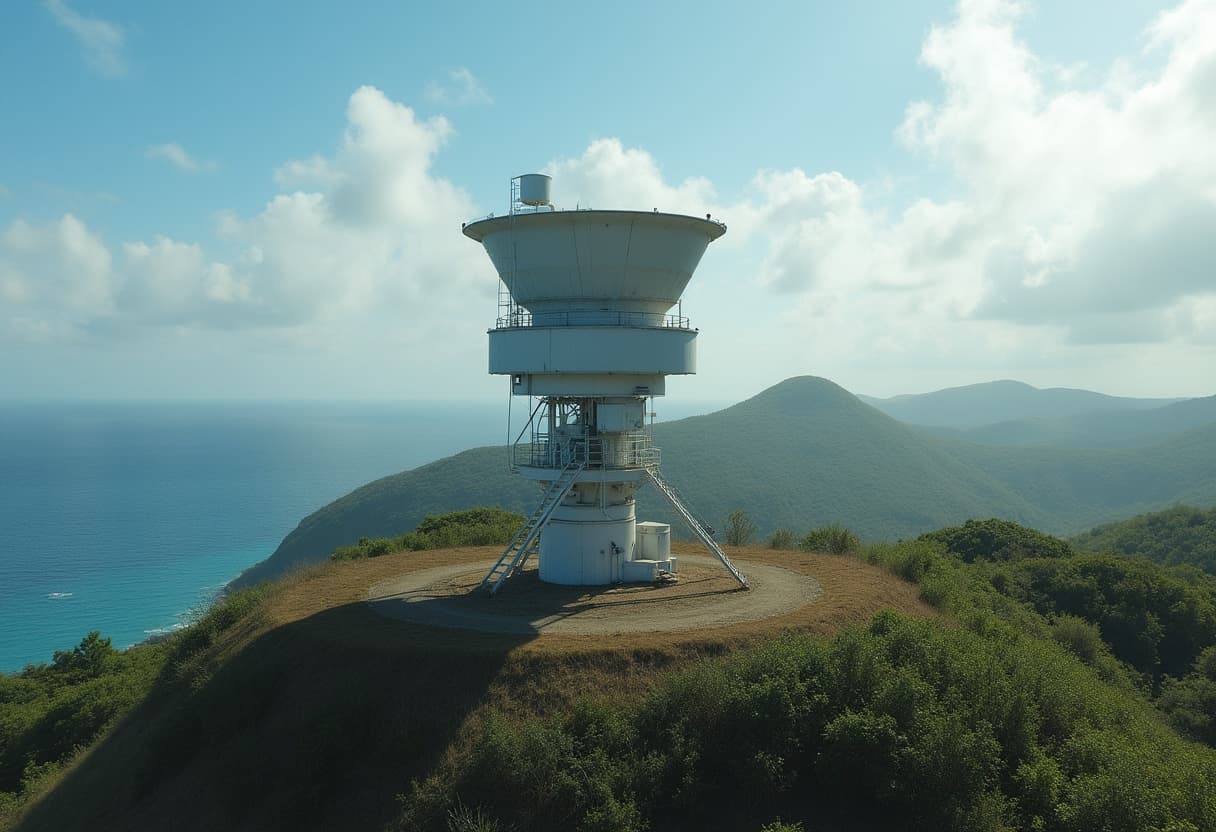
- China—deploying sophisticated radar systems enhancing airspace control;
- Iran—supplying gunboats to patrol maritime approaches;
- Russia—delivering advanced missiles and fighter jets symbolizing deep military cooperation.
Over the past decade, Caracas has invested billions in these alliances, crafting a defensive network designed to withstand external pressures.
America’s Ambiguous Signals and Strategic Calculations
President Trump’s public statements have oscillated sharply, reflecting an unpredictable policy stance. In recent weeks, he has alternated between insinuations of imminent military intervention and calls for a diplomatic resolution, once explicitly saying he was “not in love” with Venezuela’s leadership but stopping short of declaring a definitive course of action.
Such ambiguity leaves both Washington and Caracas uncertain about the next steps, heightening regional anxieties. Observers note that while Venezuela’s military may not endure a full-scale U.S. assault, the reluctance or incapacity of Maduro’s allies to ramp up their support significantly complicates the strategic calculus.
The Limits of External Support
Analysts and insiders close to Caracas concur that Russia, China, Cuba, and Iran have neither the political will nor the logistical readiness to engage in a direct conflict that could decisively counterbalance American military superiority. Their involvement so far has been largely limited to defense and symbolic solidarity, avoiding provocations that risk broadening the conflict.
Expert Insight:
Dr. Elena Ramirez, a senior fellow specializing in Latin American security at the Center for International Policy, explains, “These alliances are more about deterrence and signaling than about actual combat readiness against the U.S. military. They help Maduro to survive politically but fall short of enabling a robust defense against an invasion.”
Regional and Global Implications
The standoff between the U.S. and Venezuela reflects wider geopolitical fault lines, especially in light of growing U.S.-China and U.S.-Russia rivalries. Washington’s Caribbean military buildup serves not only to challenge Maduro but also to assert influence in a region historically sensitive to external interventions.
Simultaneously, Maduro’s reliance on authoritarian allies underscores how global power competitions manifest in local conflicts, often leaving ordinary Venezuelans caught amid escalating tensions.
Looking Ahead
Uncertainties persist about whether the current crisis will culminate in direct military confrontation or continue as a prolonged political standoff. The unpredictability of Trump’s statements adds another layer of complexity to an already volatile situation.
For now, the key question remains: Can Venezuela’s patchwork of foreign alliances withstand the weight of U.S. pressure, or will they merely delay an inevitable reckoning?
Editor's Note
The evolving military tensions in Venezuela highlight the intricate balancing act between asserting geopolitical interests and avoiding open conflict. This case serves as a prism to examine how modern alliances with contentious powers often function as deterrents rather than outright defenses in proxy conflicts. As the U.S. sharpens its focus on Latin America, understanding the limits and motivations of these alliances becomes ever more critical.
Readers are encouraged to consider not just the headline military buildup but also the deeper strategic narratives shaping Venezuela's fate and the wider implications for regional stability.