
Revisiting a Forgotten Russian Proposal Amidst the U.S. Venezuela Operation
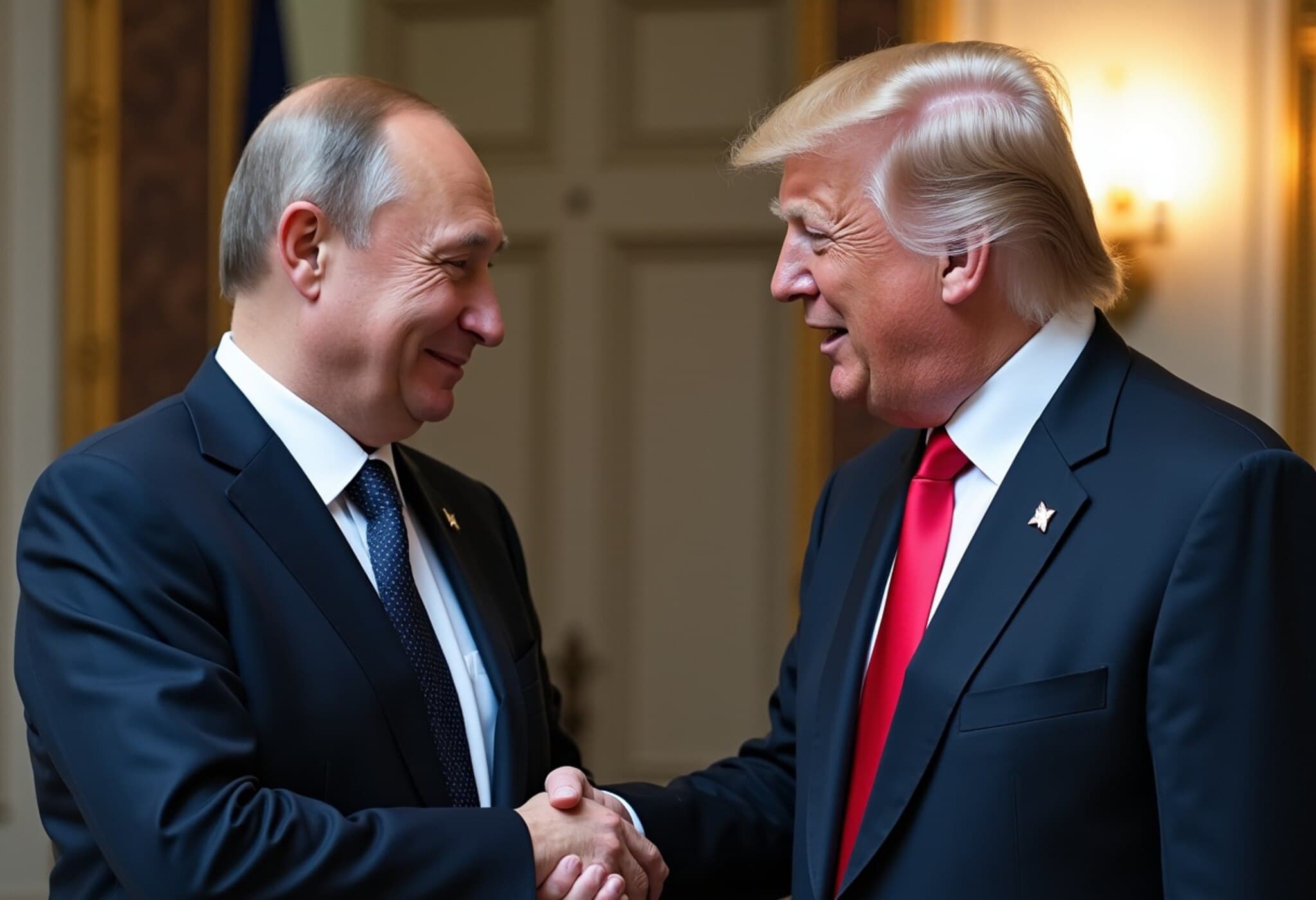
As the United States recently intervened in Venezuela, Moscow’s response carried echoes of a remarkable geopolitical barter proposed seven years ago. In 2019, Russia reportedly hinted at a clandestine arrangement: allowing the U.S. unfettered influence in Venezuela in exchange for a free hand in Ukraine. This revelation, shared during congressional testimony, provides an insightful backdrop to the complex dynamics underlying U.S.-Russia relations today.
The 2019 Congressional Testimony That Shook Diplomatic Discourse
Fiona Hill, the former senior director for Russian and European affairs at the National Security Council during the Trump administration, disclosed before Congress in October 2019 that Russia floated an unusual swap. According to Hill, Russia's signal was clear—a "very strange swap arrangement" linking Venezuela's political future to Ukraine’s sovereignty.
"You want us out of your backyard. We have our own version of this. You’re in our backyard in Ukraine," Hill summarized Russia's position during the hearing.
These discussions, while largely informal and communicated through media channels and commentators rather than official diplomatic exchanges, underscore Moscow's desire for mutual recognition of spheres of influence. Russia seemed to suggest that if the U.S. insisted on hegemony in Latin America, it should tolerate Russia's actions in Eastern Europe.
Moscow’s Strategic Deployment and U.S. Rebuff
At the time, tensions between Caracas and Washington escalated, prompting Russia to fortify Venezuelan President Nicolás Maduro’s regime with military personnel and advanced weaponry. Hill personally traveled to Moscow to convey the U.S. rejection of this quid pro quo, reflecting Washington's unwillingness to negotiate away Ukraine’s autonomy for influence in the Western Hemisphere.
Broader Implications: A Mirror of Great Power Politics
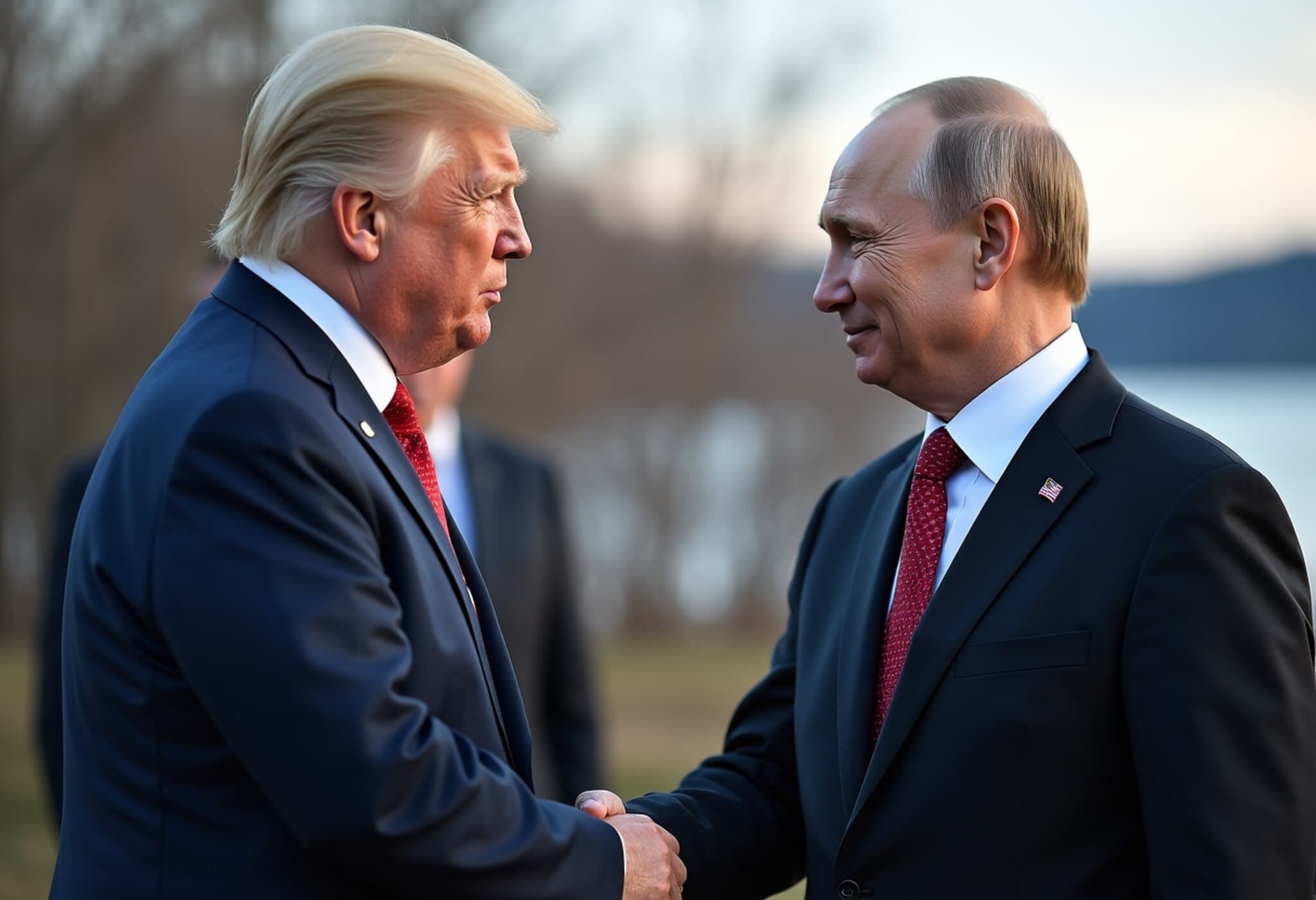
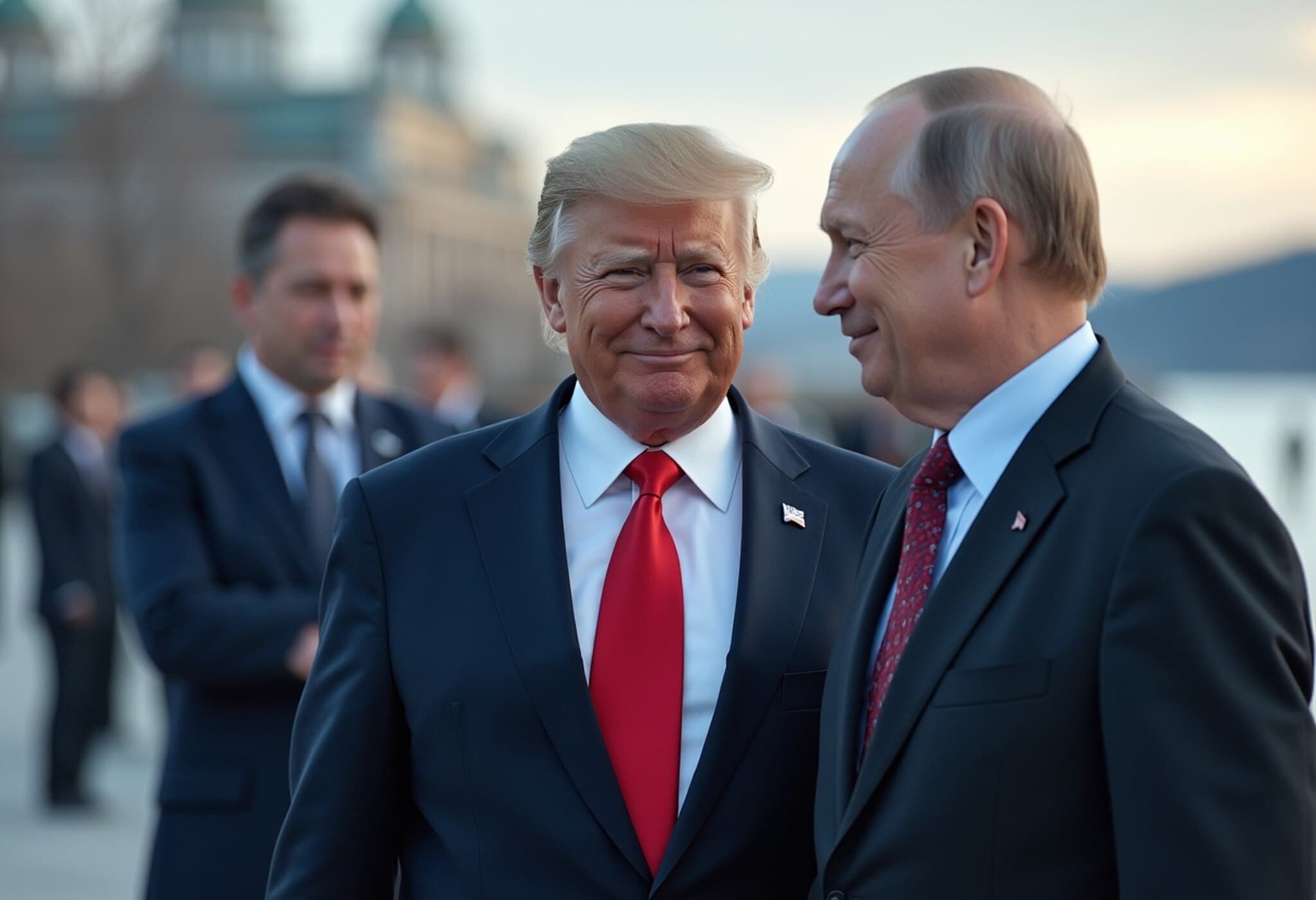
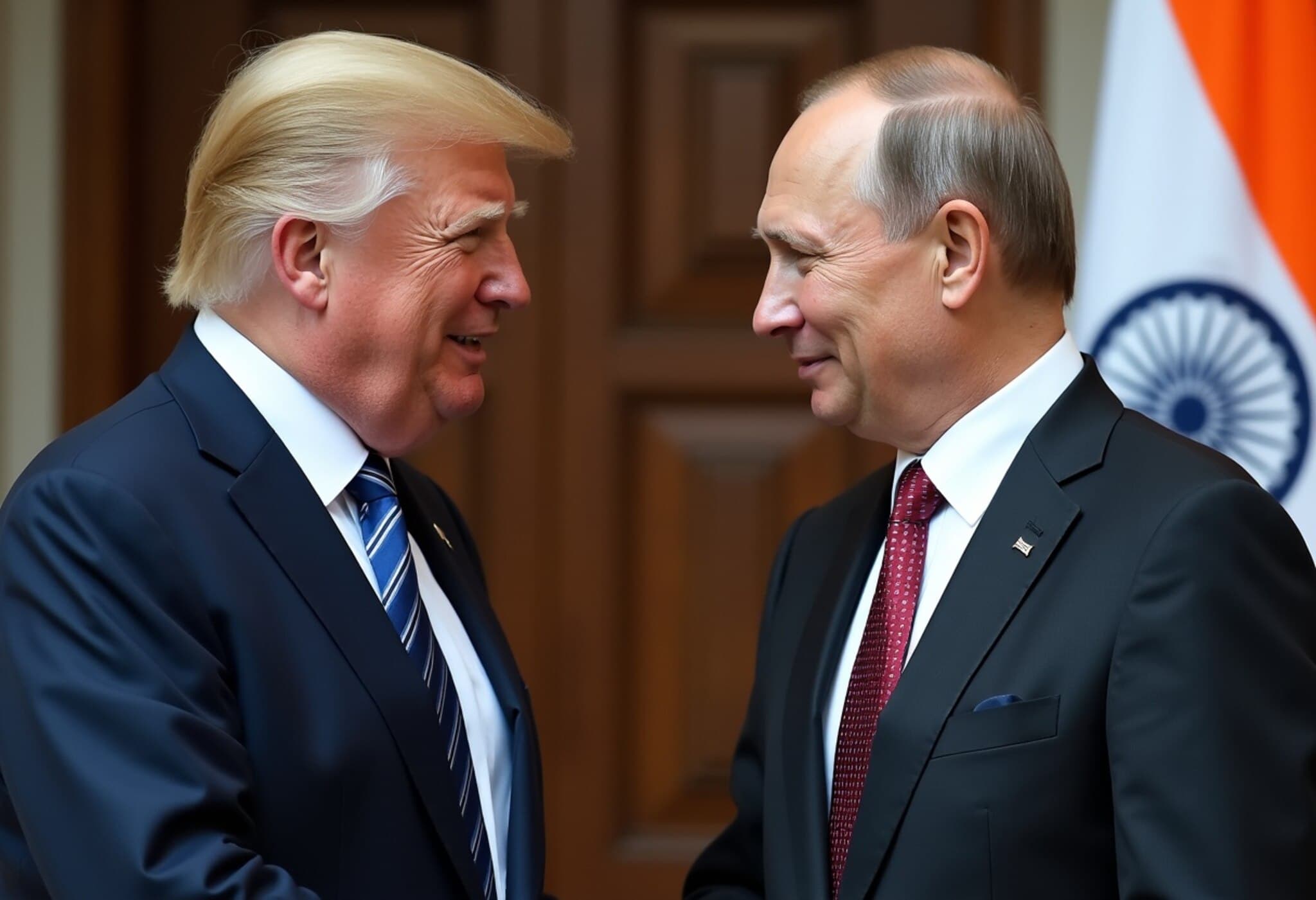
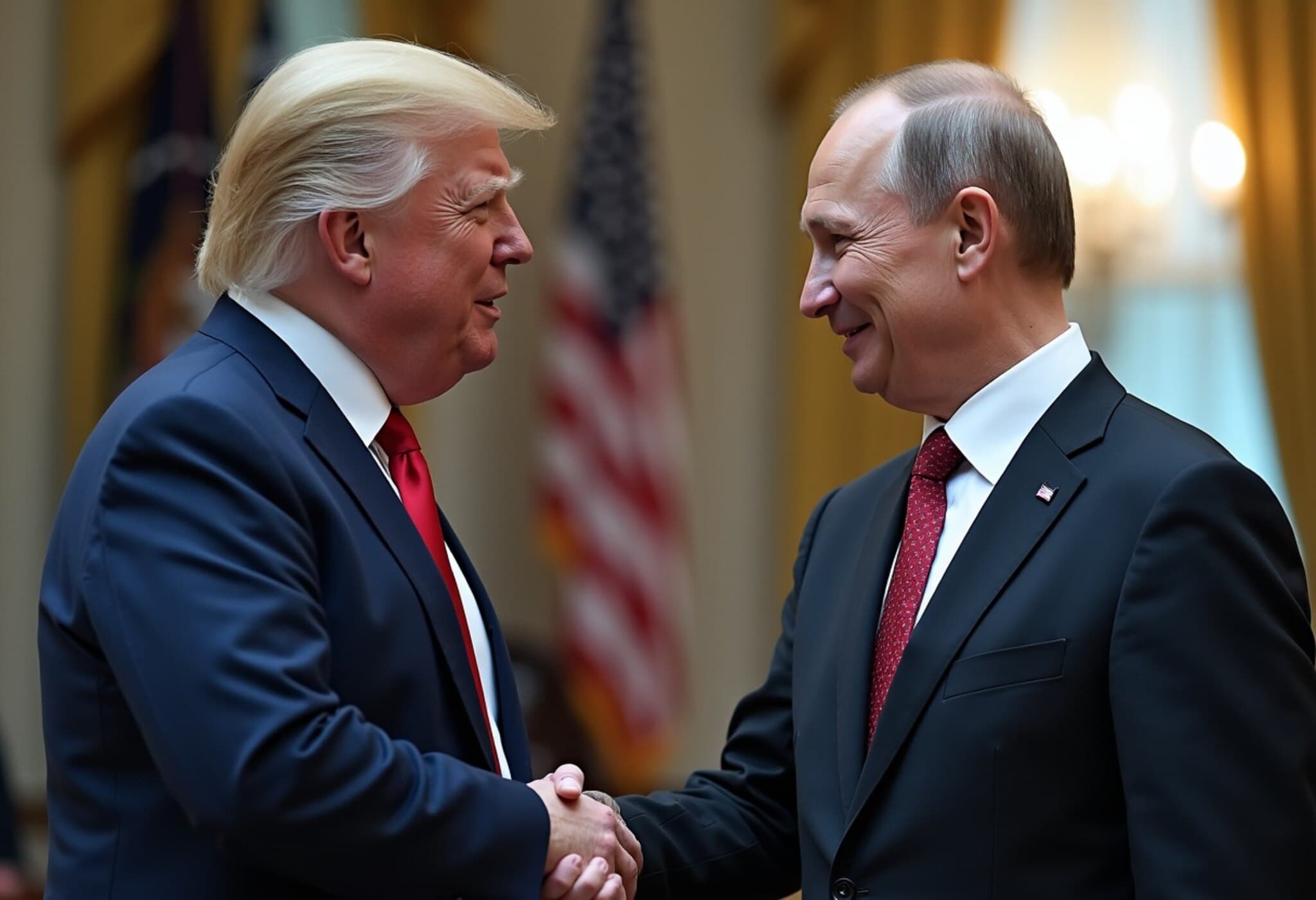
This episode offers a critical window into how global powers jockey for strategic zones. It recalls a bygone era when imperial powers carved out spheres of influence with little regard for national sovereignty—an approach seemingly revered by leaders like Donald Trump and Vladimir Putin, who both admire aspects of great power realpolitik.
Dmitri Medvedev, former Russian President and current Deputy Chairman of Russia's Security Council, underscored this sentiment starkly, tweeting, "The law of the strongest is clearly stronger than ordinary justice." He argued that Washington's recent actions in Venezuela removed any moral high ground to criticize Russia’s maneuvers in Ukraine, illustrating how power dynamics are overtaking legalistic frameworks in international affairs.
Russia’s Balancing Act: Ukraine War and Venezuela Operation
While officially condemning U.S. intervention in Venezuela as a breach of international law, Moscow's primary concern remains the ongoing conflict in Ukraine. The Kremlin’s strategy involves maintaining a firm stance on Ukraine while avoiding irreparable damage to diplomatic ties with the U.S., where efforts toward peace negotiations continue under the Trump administration’s legacy channels.
The fall of Maduro’s government marks a significant setback to Russian influence in Latin America, following the recent regime collapse in Syria, another Kremlin ally. This shift underscores the global pressure points where Russia’s projected power faces tangible challenges amid competing international interests.
Expert Perspective: Why This Matters for U.S. Policy
The 2019 Russian proposal, revealed only years later, invites deeper reflection about U.S. strategies in spheres of influence. It raises key questions:
- Should the U.S. embrace or reject great power trade-offs that tie influence in one region to concessions in another?
- How do informal diplomatic signals shape the decisions of global powers amidst emerging geopolitical crises?
- What lessons can be drawn for protecting sovereignty in contested zones without compromising principled foreign policy?
Understanding these dynamics is crucial for policymakers navigating an increasingly multipolar world where traditional concepts of sovereignty and international law are under strain.
Conclusion
The exchange offer between Russia and the U.S. regarding Venezuela and Ukraine, once a whisper in diplomatic corridors, now echoes loudly as great power tensions intensify. For Washington and Moscow, the balancing act is delicate—between asserting influence and avoiding open conflict. This episode highlights how historical memories and strategic bargains, often beneath the surface of public discourse, continue to shape today's international order.
Editor’s Note
As the U.S. deepens its engagement in Venezuela and grapples with the ongoing war in Ukraine, examining the lessons from this 2019 barter proposal offers valuable insight into the complex chessboard of global diplomacy. It challenges readers to consider how sovereign rights can be respected amid competing interests and whether power politics will increasingly dictate the rules of engagement in the 21st century.