
Escalating Military Standoff Triggers GPS Jamming Across the Caribbean
In a heightened display of military brinkmanship, the United States and Venezuela have both engaged in jamming satellite navigation signals throughout the Caribbean. This provocative tactic aims to thwart potential attacks but has simultaneously raised significant safety concerns for civilian air and maritime traffic navigating the region.
GPS Jamming: A New Front in U.S.-Venezuelan Conflict
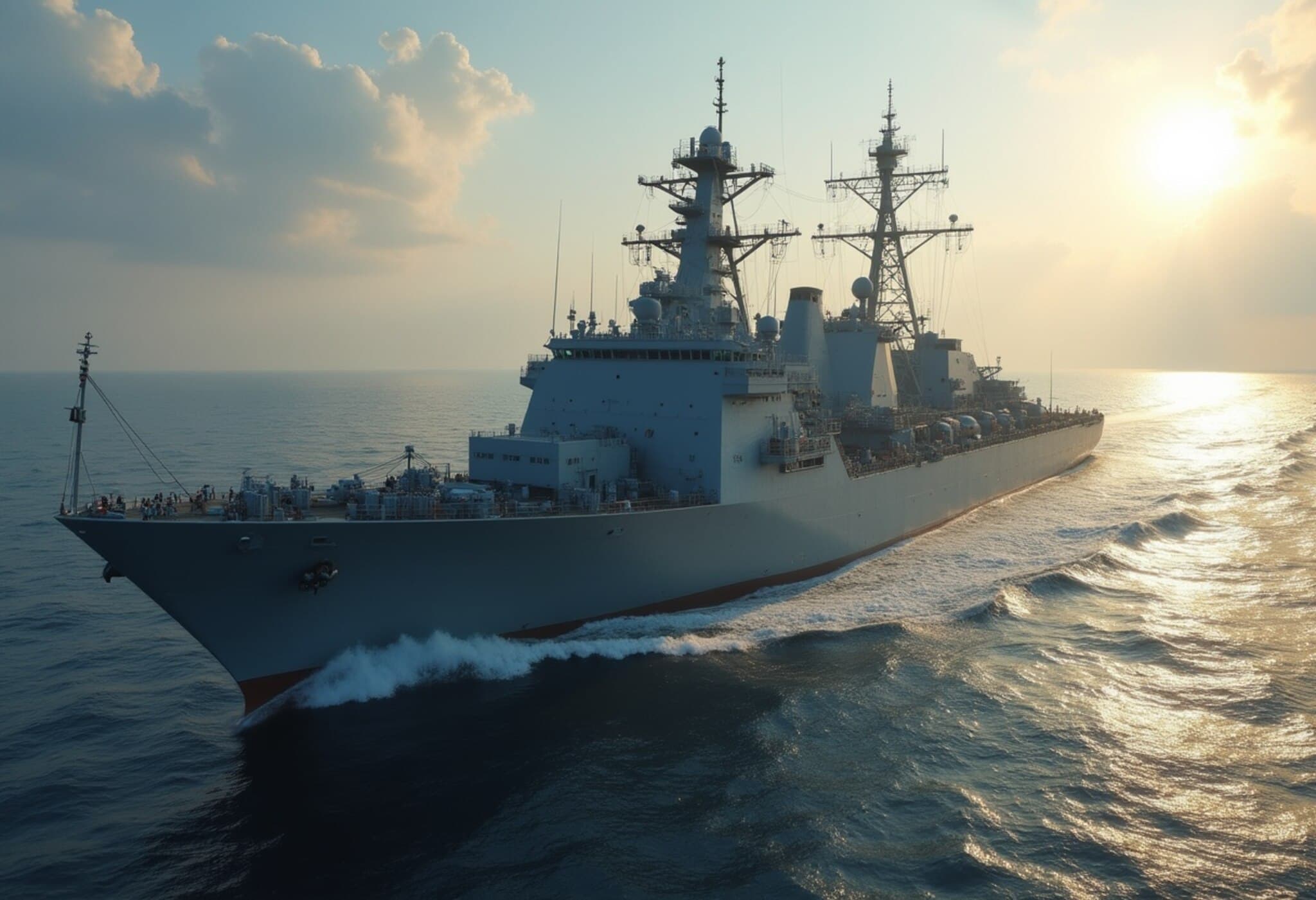
Recent analyses from Stanford University, combined with insights from anonymous U.S. officials, reveal that American warships operating near Venezuelan waters—including the advanced aircraft carrier U.S.S. Gerald R. Ford—have been actively jamming GPS signals. This measure is part of a broader campaign to disrupt drug trafficking networks purportedly linked to the Maduro regime.
In retaliation, Venezuela's military has employed similar electronic countermeasures, focusing on jamming GPS signals around strategically vital locations such as military installations, oil refineries, and power plants. Data from Spire Global, a satellite intelligence company, underscores this deliberate effort to protect critical national infrastructure.
The Defensive Logic Behind GPS Jamming
Experts in satellite navigation and radio frequency warfare suggest both nations are deploying jamming technologies primarily as defensive shields against drone incursions and precision-guided munitions, which rely heavily on GPS targeting. Logan Scott, a pioneer in digital GPS receiver development, explains:
“It’s a defensive posture. Military sites want to deny drones or hostile equipment the ability to hone in using GPS signals.”
Implications for Regional Security and Civil Aviation
While these electronic countermeasures serve military purposes, they inadvertently compromise the reliability of navigation for non-military traffic. The Federal Aviation Administration (FAA) has issued warnings to all aircraft operating in Venezuelan airspace, emphasizing the increased risk of navigation errors, collisions, and accidents due to signal interference.
This scenario evokes broader questions about the collateral impact of modern electronic warfare in congested air and sea corridors. Maritime crews and commercial pilots, already grappling with complex regional air traffic control and limited alternative navigation aids, now face an added layer of risk.
Underreported Perspectives and the Path Forward
- Legal Ambiguity: The use of GPS jamming in international waters and airspace raises unresolved legal issues around sovereignty, freedom of navigation, and the safety obligations toward civilian transit.
- Technological Vulnerabilities: The situation highlights how dependent modern infrastructure and defense systems are on satellite navigation, exposing profound vulnerabilities.
- Diplomatic Fallout: Electronic warfare escalation could hinder diplomatic efforts, making de-escalation imperative to prevent unintended incidents.
Experts urge policymakers to address these vulnerabilities by investing in resilient navigation technologies and establishing clearer international frameworks governing electronic interference.
Expert Insights: Navigating the Digital Battlefield
The evolving electronic warfare dynamics between the U.S. and Venezuela spotlight a new dimension of 21st-century conflicts where battles are as much about controlling data streams as physical territory. Specialists in defense technology stress the importance of balancing military necessities with the imperative of protecting civilian lives and commerce.
From a U.S. policy perspective, carefully calibrated strategies are needed to mitigate risks in the Caribbean—a region vital for hemispheric security and economic stability.
Editor’s Note
The ongoing GPS jamming operations in the Caribbean reflect a complex intersection of military strategy, technological innovation, and regional security vulnerabilities. As the U.S. and Venezuela engage in this unseen battle, the broader implications for civilian safety and international law remain pressing. Will diplomatic channels evolve to address these emerging challenges, or are we witnessing the dawn of a new era where electronic warfare routinely blurs the lines between conflict zones and civilian spaces? This evolving story demands close attention from policymakers, technologists, and the global community alike.