
María Corina Machado’s Unexpected Praise for President Trump
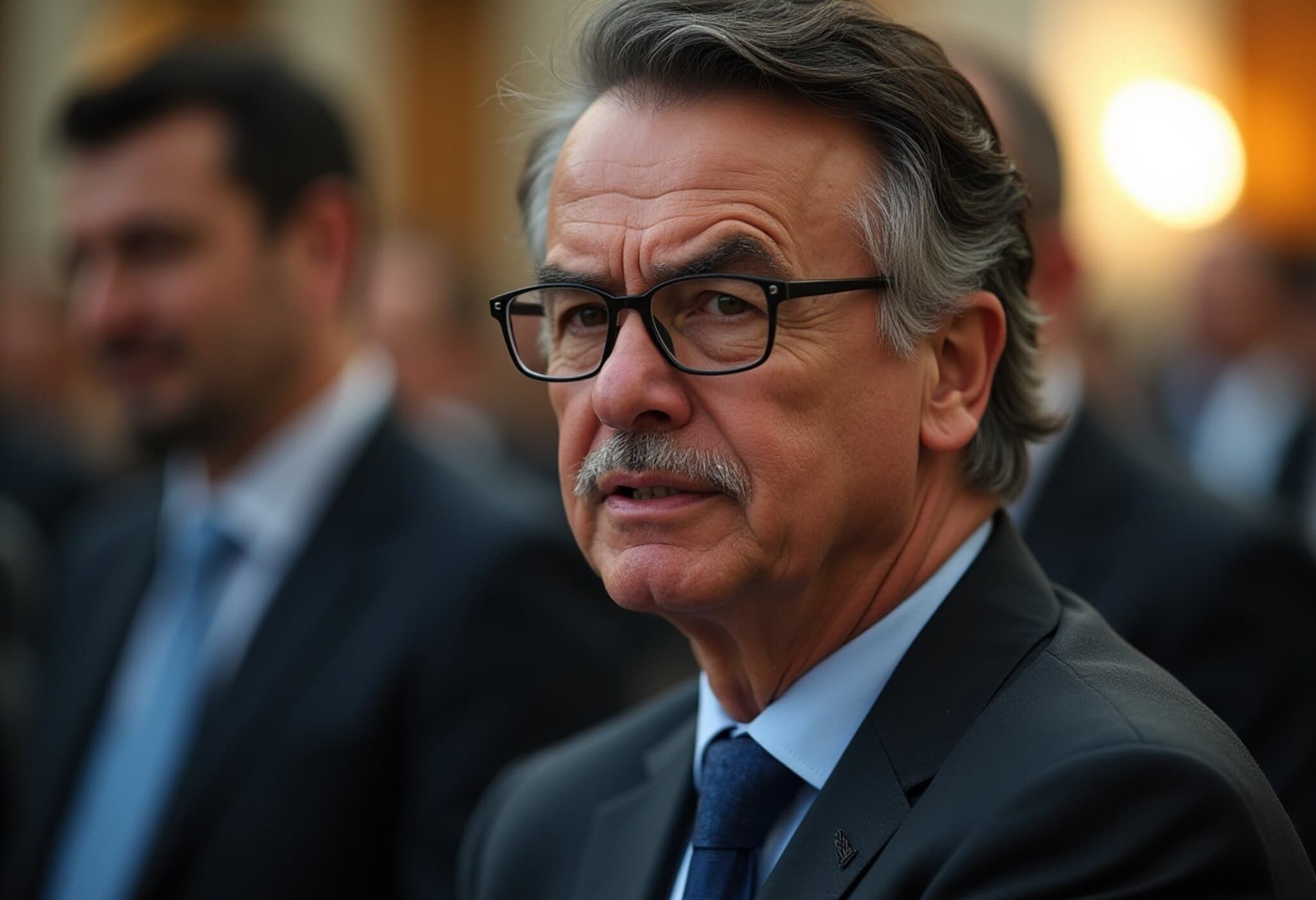
In a surprising turn during a prime-time interview on Fox News, Venezuelan opposition leader María Corina Machado openly praised former U.S. President Donald Trump, despite his decision not to support her politically. Machado, who has positioned herself as a leading challenger to Venezuela's current regime, made the interview her first televised appearance since the dramatic capture of Nicolás Maduro by U.S. forces.
The Nobel Peace Prize Gesture
During the interview with Sean Hannity, Machado revealed she had offered to share her Nobel Peace Prize with Trump—an award she received secretly in Norway in December 2025 after fleeing Venezuela amidst political persecution. "This is the prize of the Venezuelan people," Machado said, "and we want to share it with President Trump, who has been a key figure in opposing Maduro's regime." This offer came despite the fact that Trump has publicly ruled her out as a viable successor in Venezuela's ongoing political turmoil.
The Political Chessboard: Who Will Lead Venezuela?
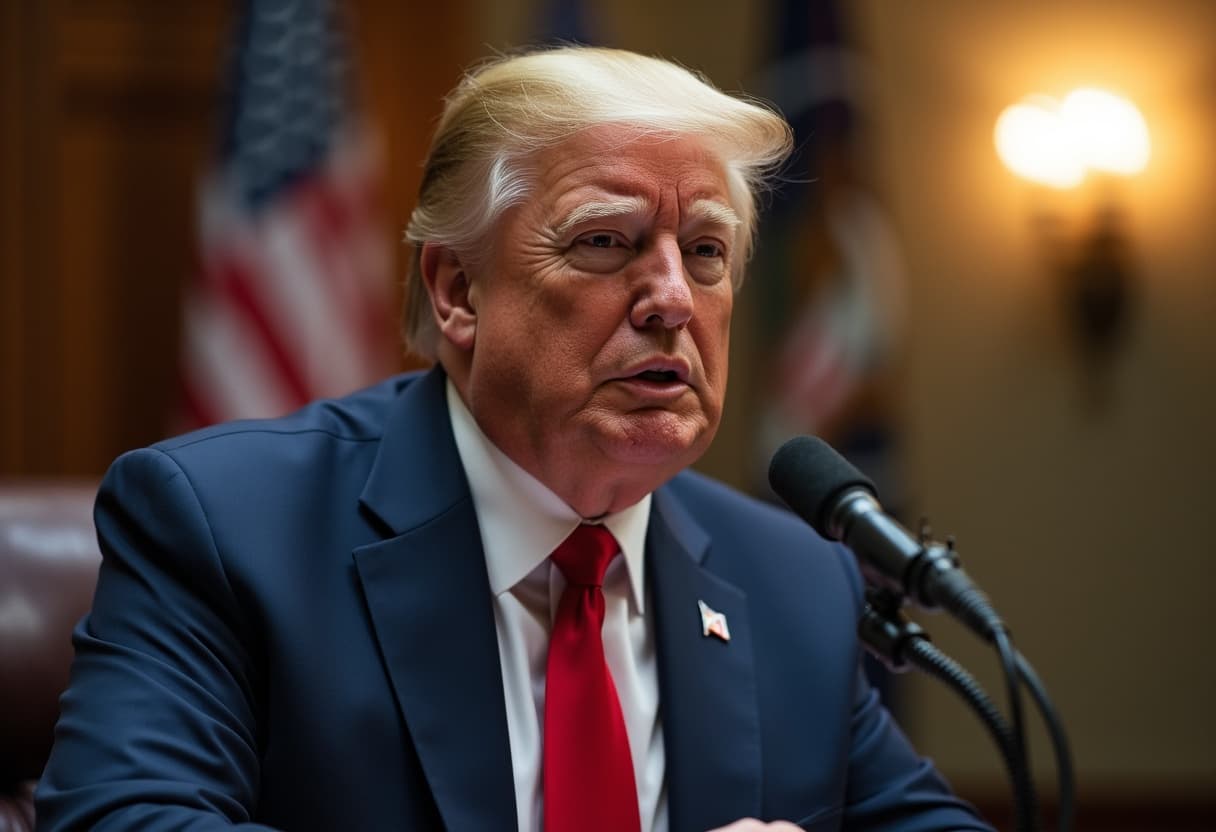
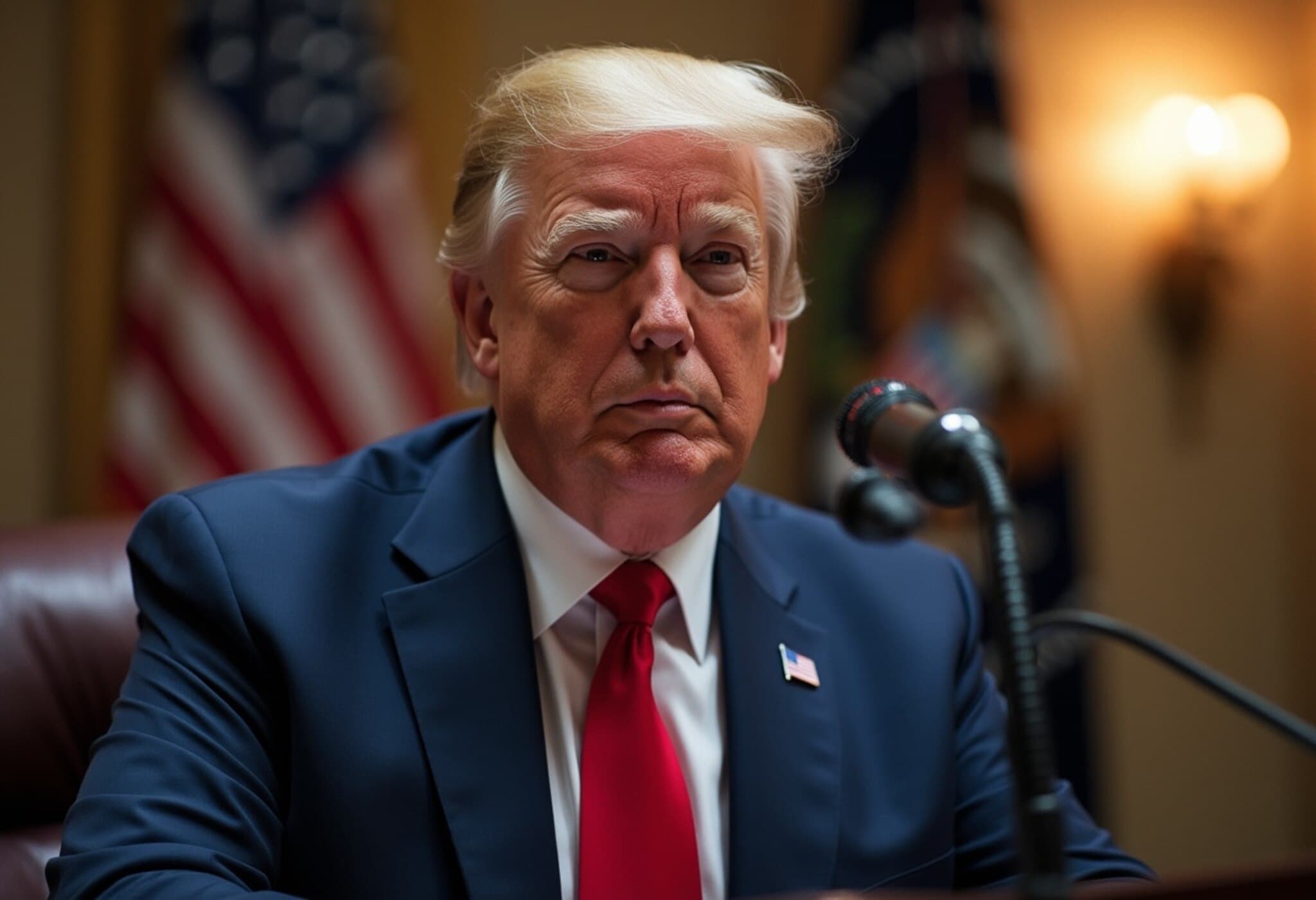
Trump has instead conditionally endorsed Venezuela’s Vice President Juan Guaidó as interim leader, sidelining Machado and other opposition figures like Edmundo González. The former U.S. president controversially described Machado as lacking domestic support and respect, calling her "a very nice woman" but not a leader Venezuela embraces.
Meanwhile, senior U.S. officials including Secretary of State Marco Rubio have cautioned that overt American backing for opposition figures like Machado could risk further destabilizing Venezuela. A classified CIA report underscored this concern, revealing internal debates over U.S. strategies in the region.
Machado’s Vision for Venezuela
No stranger to adversity, Machado advocates for transforming Venezuela into a strategic security partner for the United States and a regional energy hub. She promises to protect foreign investments, facilitate the return of millions of displaced Venezuelans, and rebuild the nation after years of socialist governance she labels "criminal and destructive." "Our goal is to make Venezuela the principal U.S. ally in Latin America," she declared.
Uncertain Path Forward
Despite the opposition's ambition, the path for Machado or her movement to govern remains murky. U.S. officials have refrained from committing to potential new elections, emphasizing instead a cautious stance. Machado confidently predicts a landslide victory "with over 90 percent of the vote" if free and fair elections are held.
Since the 2024 presidential election, Machado has been in hiding within Venezuela, leaving clandestinely for Norway to accept her Nobel Prize. She hinted at returning soon: "Every day I weigh where I can be most useful for our cause," she said, without disclosing her current location.
Expert Insight: The American Perspective on Venezuelan Opposition
From a U.S. policy standpoint, the Machado-Trump dynamic highlights complex challenges. The Trump administration’s reluctance to fully back her underscores the difficult balancing act between supporting democratic movements and avoiding further unrest in a deeply divided Venezuela. Experts suggest that while Machado’s vision aligns with American economic and security interests, the fractured opposition landscape and international diplomatic sensitivities make any swift political resolution unlikely.
Looking Ahead
The evolving Venezuela crisis continues to test regional alliances and U.S. foreign policy goals. Whether Machado’s appeal to Trump will sway future American engagement remains to be seen, but her resilience and vision offer a potent narrative amid ongoing uncertainty.
Editor’s Note:
María Corina Machado’s outreach to Donald Trump not only sheds light on Venezuela’s internal political dynamics but also poses essential questions about the U.S.’s role in supporting democratic transitions abroad. Her personal story of exile, perseverance, and international recognition contrasts with Washington’s cautious realpolitik approach. As Venezuela stands at a crossroads, the coming months could redefine leadership legitimacy and reshape hemispheric relations.