María Corina Machado Reemerges in Oslo After Evading Venezuelan Authorities
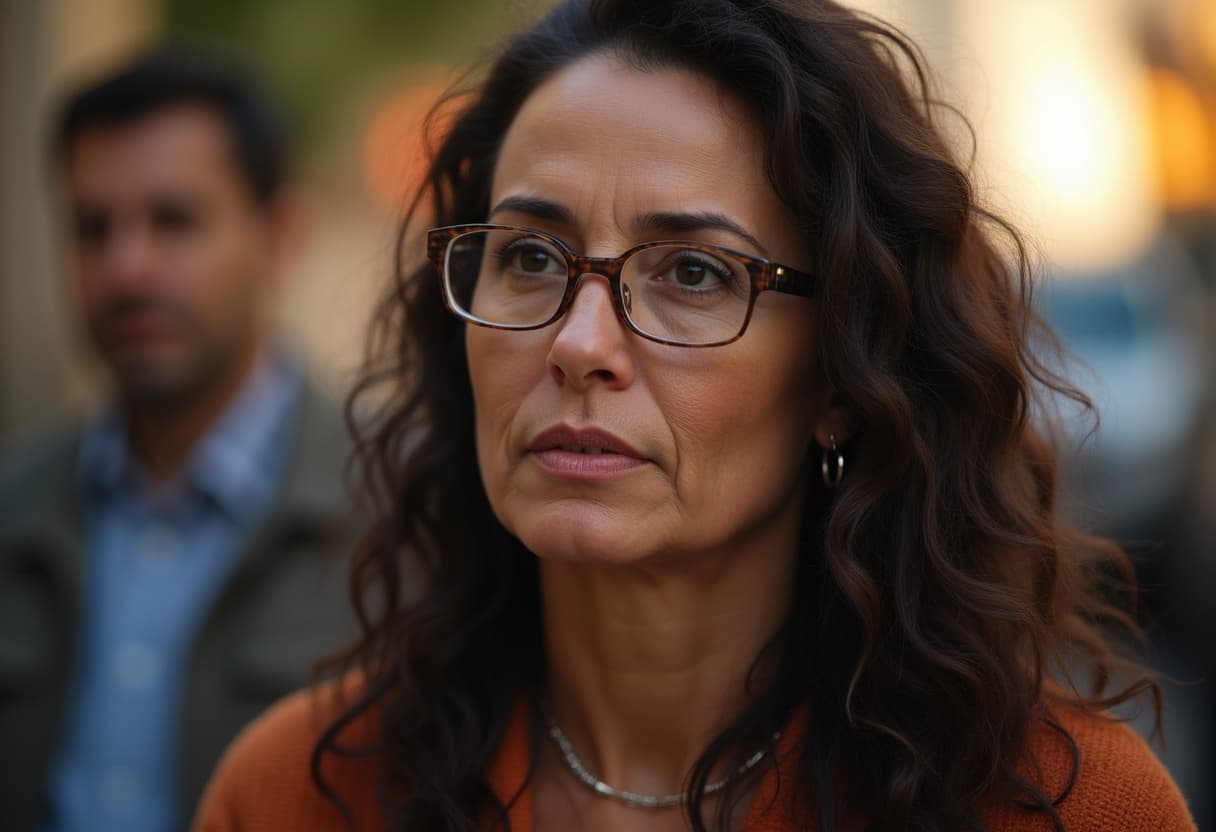
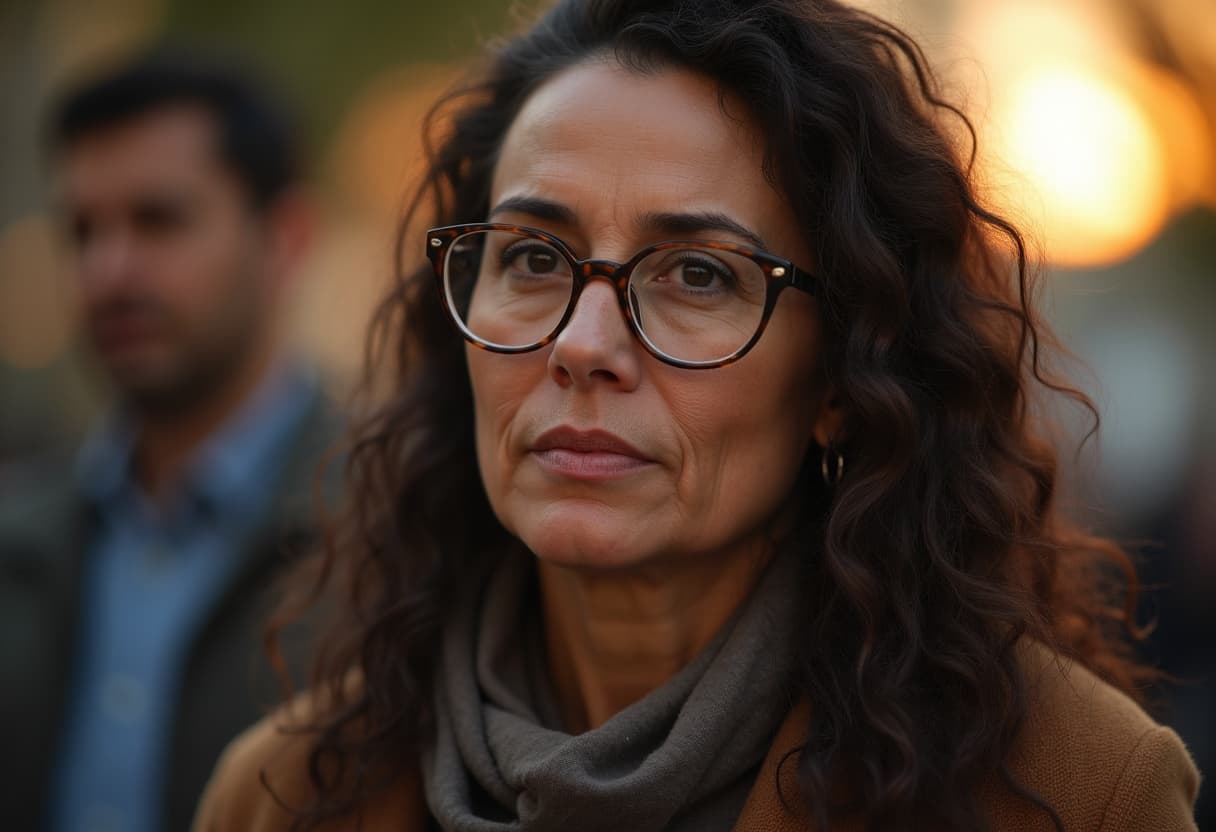
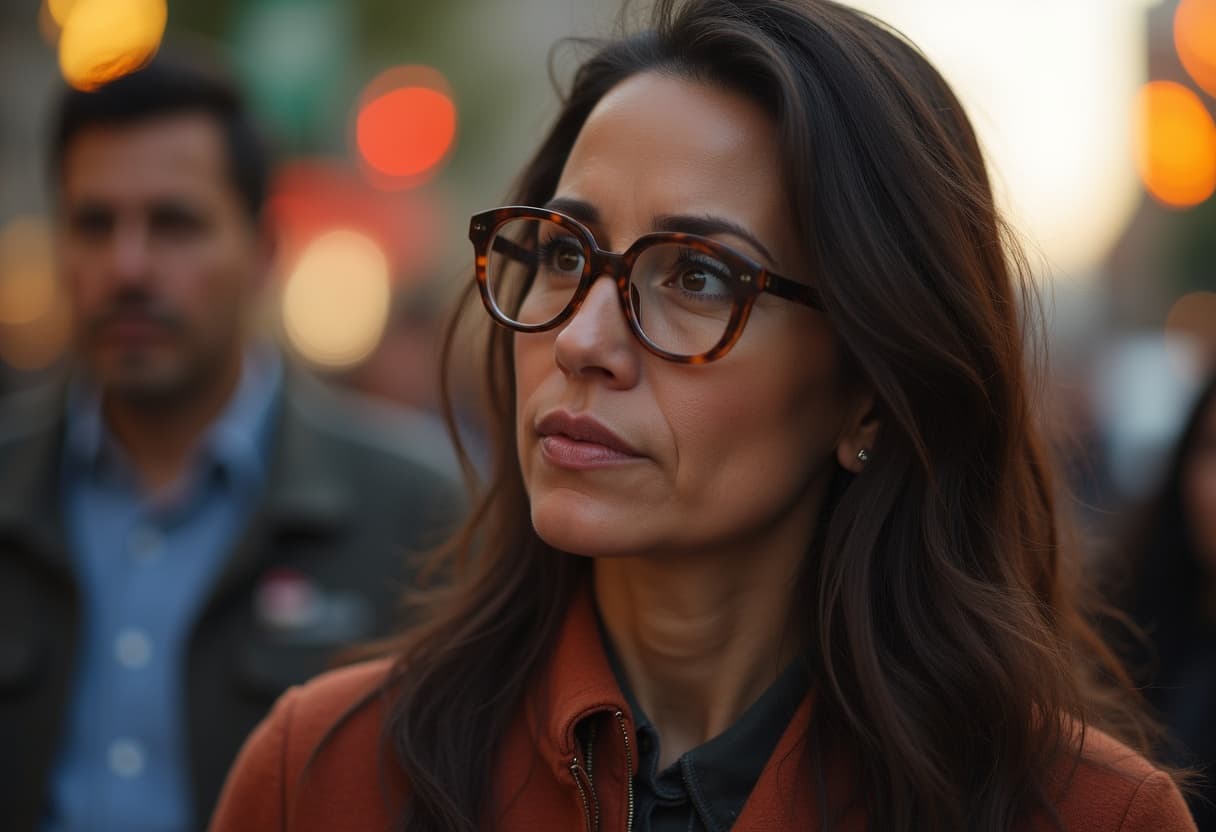
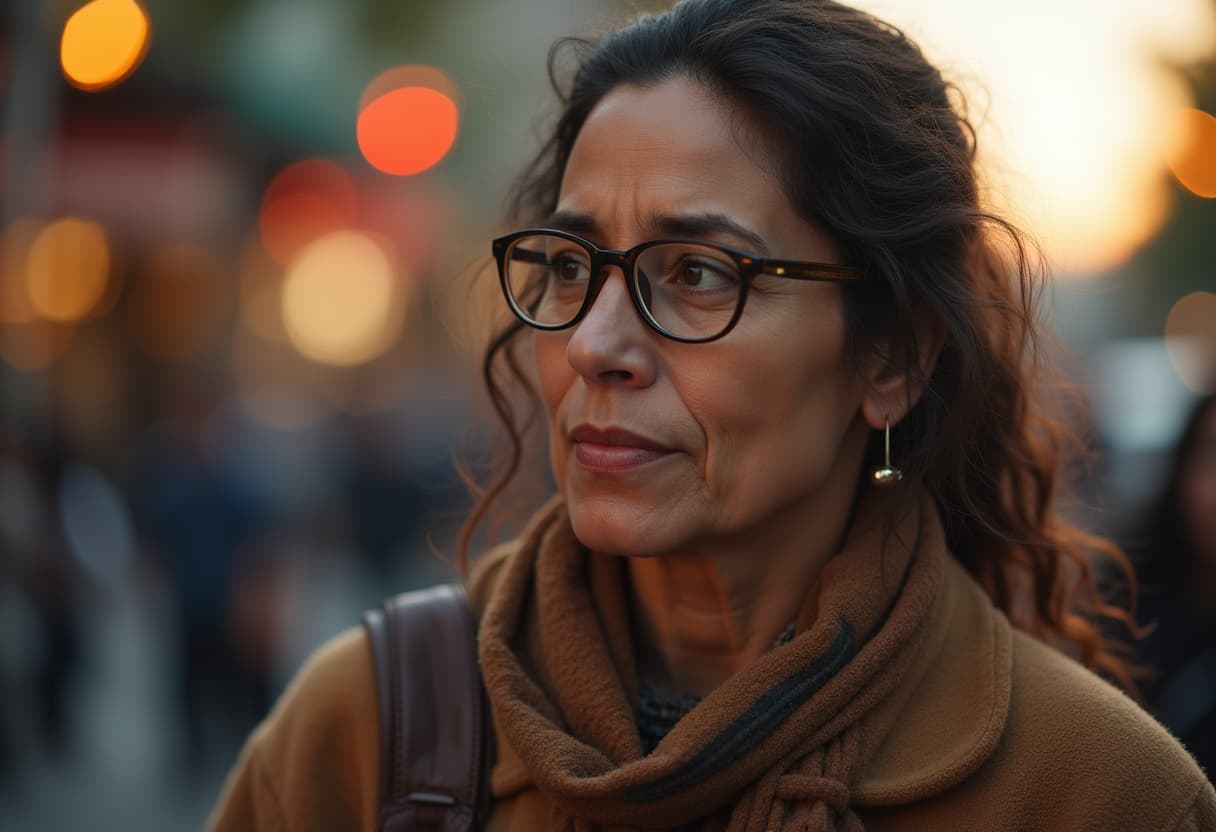
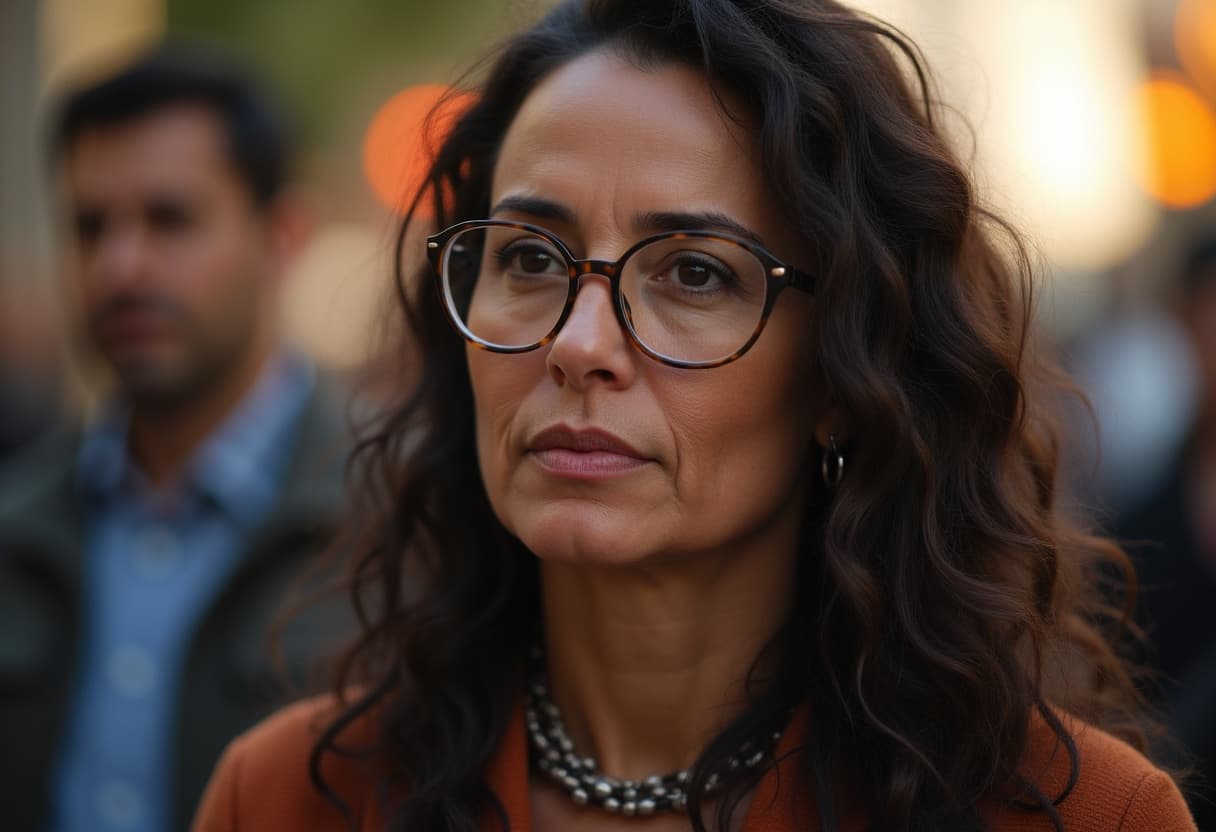
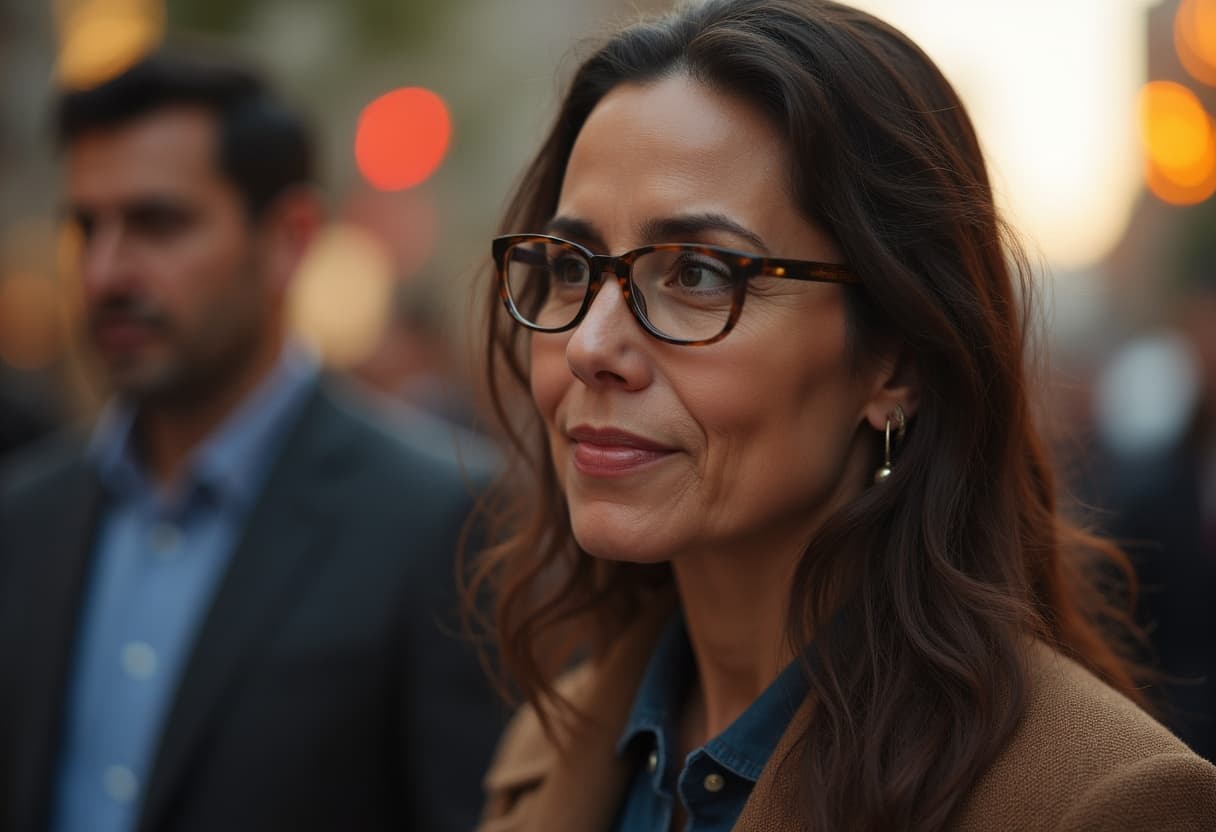
In the early hours of Thursday morning, María Corina Machado—a prominent Venezuelan opposition figure and Nobel Peace Prize laureate—reappeared on the balcony of Oslo’s historic Grand Hotel, igniting cheers and singing of the Venezuelan national anthem from waiting supporters.
Having spent more than a year hiding within Venezuela amid escalating political repression, Machado’s sudden appearance in Norway marks a pivotal moment in the country’s ongoing struggle for democracy. Though she missed the official Nobel ceremony where her daughter, Ana Corina Sosa, accepted the award on her behalf, Machado’s arrival highlights the intensifying tensions between Venezuela’s authoritarian regime and international actors.
A Nobel Prize Recognizing Democratic Perseverance
At 58, María Corina Machado was honored with the 2025 Nobel Peace Prize for her courageous leadership in orchestrating an electoral challenge that exposed Nicolás Maduro’s disregard for democratic norms. Despite clear losses and widespread denunciations of fraud, Maduro declared himself the victor and propagated a severe crackdown on dissent, sending opposition leaders into hiding or exile.
Machado's defiance and refusal to acquiesce made her a symbol of resistance against a regime accused of human rights abuses, political repression, and entrenchment through increasingly authoritarian tactics.
The International and U.S. Dimension: A Complex Game of Diplomacy and Pressure
Machado’s escape and public appearance come amid a complex political chessboard:
- U.S. Naval Presence: The Trump administration, which has labeled Maduro a leader of drug trafficking cartels, has deployed the largest U.S. naval forces in the Caribbean since the 1962 Cuban Missile Crisis. This presence has executed lethal strikes against suspected drug smuggling vessels off Venezuela’s coast.
- Diplomatic Nuance: Despite harsh rhetoric and military operations, Maduro and U.S. officials reportedly held direct phone talks recently, and Venezuela has resumed accepting U.S. deportation flights — signs that some backchannel diplomacy might be underway.
- Opposition Strategy: Machado aligns closely with the U.S. hardline stance, rejecting dialogue with Maduro’s government and endorsing forceful pressure. Her uncompromising position seeks to leverage international support for regime change but risks exposing her to criticisms of militarism and imperial entanglements.
Challenges Ahead: From Exile to Political Impact
While Machado’s emergence on the global stage energizes her supporters, challenges abound:
- Government Backlash: Maduro’s regime has branded Machado a fugitive and detained hundreds of her affiliates, signaling strong resistance to her return.
- Political Relevance: Historically, Venezuelan opposition leaders who have gone into exile have struggled to maintain domestic influence; Machado faces the urgent task of translating international visibility into meaningful political leverage.
- Scrutiny and Criticism: Some analysts warn that her endorsements of U.S. military tactics and claims about Venezuelan government drug trafficking and election meddling may weaken her credibility with nuanced international audiences.
Behind the Scenes: A Network of Resilience
Machado’s daring exit from Venezuela remains shrouded in mystery, with conflicting accounts about timing and arrangements. Accompanying her to Oslo were two senior aides, Magalli Meda and Pedro Urruchurtu, former asylum seekers sheltered in the Argentine diplomatic residence in Caracas for over a year before moving to the U.S.
This core team meticulously organized opposition activities during their shelter, coordinating massive voter mobilization and tally monitoring that challenged Maduro’s electoral legitimacy. Operating now from abroad, they plan to intensify efforts to rally international allies, particularly the U.S., for concerted pressure aimed at restoring Venezuelan democracy.
Expert Analysis: Implications for U.S. Policy and Venezuelan Democracy
María Corina Machado’s reemergence resonates profoundly within American foreign policy circles. Her steadfast alignment with the Trump administration’s military and diplomatic pressure exemplifies the ongoing debate in Washington over how best to support democratic forces without exacerbating humanitarian crises or entangling the U.S. in foreign conflicts.
Moreover, her presence in Oslo invites reflection on the power and limitations of international recognition. The Nobel Peace Prize amplifies her voice, but raises essential questions about the efficacy of global awards to influence hardened authoritarian regimes.
For Venezuelan citizens, Machado’s journey symbolizes both hope and the peril of political opposition fraught with repression. Her path forces confrontation with difficult realities about exile, resistance, and the fragile nature of democracy in Latin America’s most fraught political landscape.
Editor’s Note
María Corina Machado’s arrival in Oslo punctuates a critical moment in Venezuela’s democratic struggle and U.S.-Venezuela relations. Her story sharpens the discourse around strategies for resistance—balancing diplomatic engagement, international solidarity, and hardline pressure. It also invites deeper inquiry: How can opposition leaders maintain relevance and influence from abroad? What responsibility do global actors hold in supporting democracy while safeguarding sovereignty and stability?
As the world watches Maduro’s regime confront sustained opposition, Machado’s journey reminds us that the fight for democracy is rarely linear, often fraught with personal sacrifice and global implication.