
Canada’s Ambassador to the U.S., Kirsten Hillman, Announces Departure
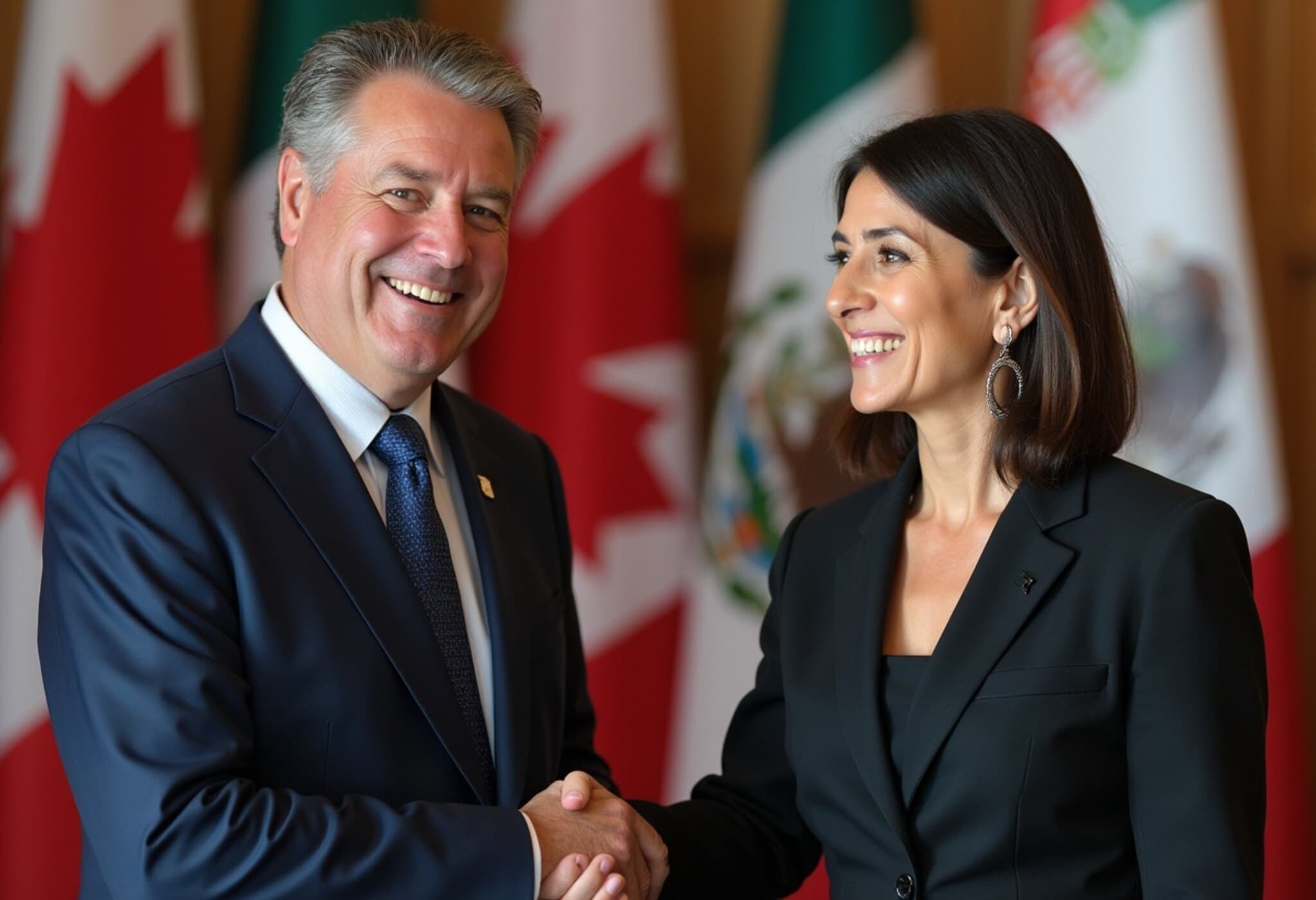
In a significant diplomatic development, Kirsten Hillman, Canada’s ambassador to Washington and the country’s chief trade negotiator with the United States, announced on Tuesday her plans to leave her post early next year. Hillman arrived in Washington during the tumultuous early years of the Trump administration, playing a pivotal role in reshaping North America’s trade landscape.
Shaping New Economic Ties Amid Challenging Times
Prime Minister Mark Carney praised Hillman’s tenure, noting her "intelligence, determined action and diplomacy" as critical factors in advancing a new economic and security partnership with the United States. Her efforts laid the groundwork for the upcoming 2026 review of the United States-Mexico-Canada Agreement (USMCA), a cornerstone agreement that underpins trade across the continent.
Having served as ambassador since 2017, Hillman extended her term once at the Prime Minister’s request, knowing her continued presence was crucial during the fraught renegotiations of North America’s main trade pact. Still, she acknowledged the inevitability of transition, stating, "While there is no perfect time to leave, it is the right time to put a team in place" to steward the forthcoming trade discussions.
Expert Insight: A Career Diplomat Balancing Complex U.S.-Canada Relations
Before becoming ambassador, Hillman’s career as a government lawyer and trade negotiator gave her a depth of expertise few diplomats possess. Her calm and measured approach contrasts starkly with that of the current American ambassador to Canada, former Republican congressman Steve Hoekstra, known for his blunt rhetoric and combative style.
This diplomatic juxtaposition has highlighted the broader tensions within the bilateral relationship, especially surrounding trade irritants such as tariffs on steel, aluminum, and automobiles—imposed by the U.S. under national security pretenses rather than trade agreements. Analysts note that Hillman’s legal and negotiation skills were instrumental in maintaining a working partnership amid these strains.
Trade Challenges: A Critical Moment for Canadian Economy
The USMCA remains vital for Canada’s export-driven economy, allowing tariff-free access to the U.S. market for goods with significant North American content. Yet, ongoing tariff disputes threaten this arrangement’s stability. Earlier optimism among Canadian officials for tariff relief, especially for steel and aluminum, dimmed following provocative political ads from Ontario and contradictory signals from the Trump administration about the future of North American trade.
Hillman’s departure coincides with a period of uncertainty, as Washington debates renegotiating trade terms and possibly pursuing separate bilateral deals with Canada and Mexico. Canadian officials remain cautious, mindful of securing terms that protect national economic interests.
What Lies Ahead for Canada-U.S. Trade Relations?
- Transition in diplomatic leadership as Hillman steps down, raising questions about continuity in trade advocacy.
- Upcoming USMCA review in 2026 will be a critical test of the partnership’s resilience.
- Potential shifts in U.S. trade policy, including new tariff measures or bilateral negotiations, could reshape economic ties.
- Canadian stakeholders’ focus on safeguarding export markets amid a complex geopolitical environment.
Although Hillman did not provide a firm exit date, she assured that she will remain available to support Canada’s negotiators during the transition. The government has yet to announce her successor, leaving the future of one of Canada’s most crucial diplomatic posts open.
Underreported Narrative: The Human Side of Trade Diplomacy
Trade negotiations are often portrayed as dry, technical matters, but figures like Kirsten Hillman illustrate the profound human diplomacy required behind the scenes. Navigating a politically charged atmosphere between two economic giants demands not only expertise but resilience and keen emotional intelligence—qualities Hillman demonstrated consistently.
Her ability to manage contentious issues while maintaining constructive dialogue offers lessons on the essential role of diplomacy in preserving economic stability and security cooperation.
Editor’s Note
Kirsten Hillman’s departure marks a pivotal moment for Canada’s trade diplomacy in Washington amid uncertainty over the future of USMCA and bilateral tariffs. Her measured leadership amidst a turbulent era underscores the delicate balance between domestic political pressures and international economic imperatives. As Canada prepares for the next phase of trade discussions, the question remains: Who will step up to navigate these fraught waters, and how will the evolving U.S. political landscape shape North American economic cooperation?