María Corina Machado’s Nobel Peace Prize: A Storm Brewing Over Venezuela’s Future
When the Norwegian Nobel Committee announced it was awarding the Nobel Peace Prize to María Corina Machado, the Venezuelan opposition leader, it hailed her relentless pursuit of a peaceful democratic transition in a nation enmeshed in turmoil. Yet, as Machado prepared to formally accept the honor in Oslo this week, the award has ignited fierce debate across international circles, raising uncomfortable questions about the politics behind the Prize and the complex realities in Venezuela.
Support for Military Intervention Clouds the Peace Prize
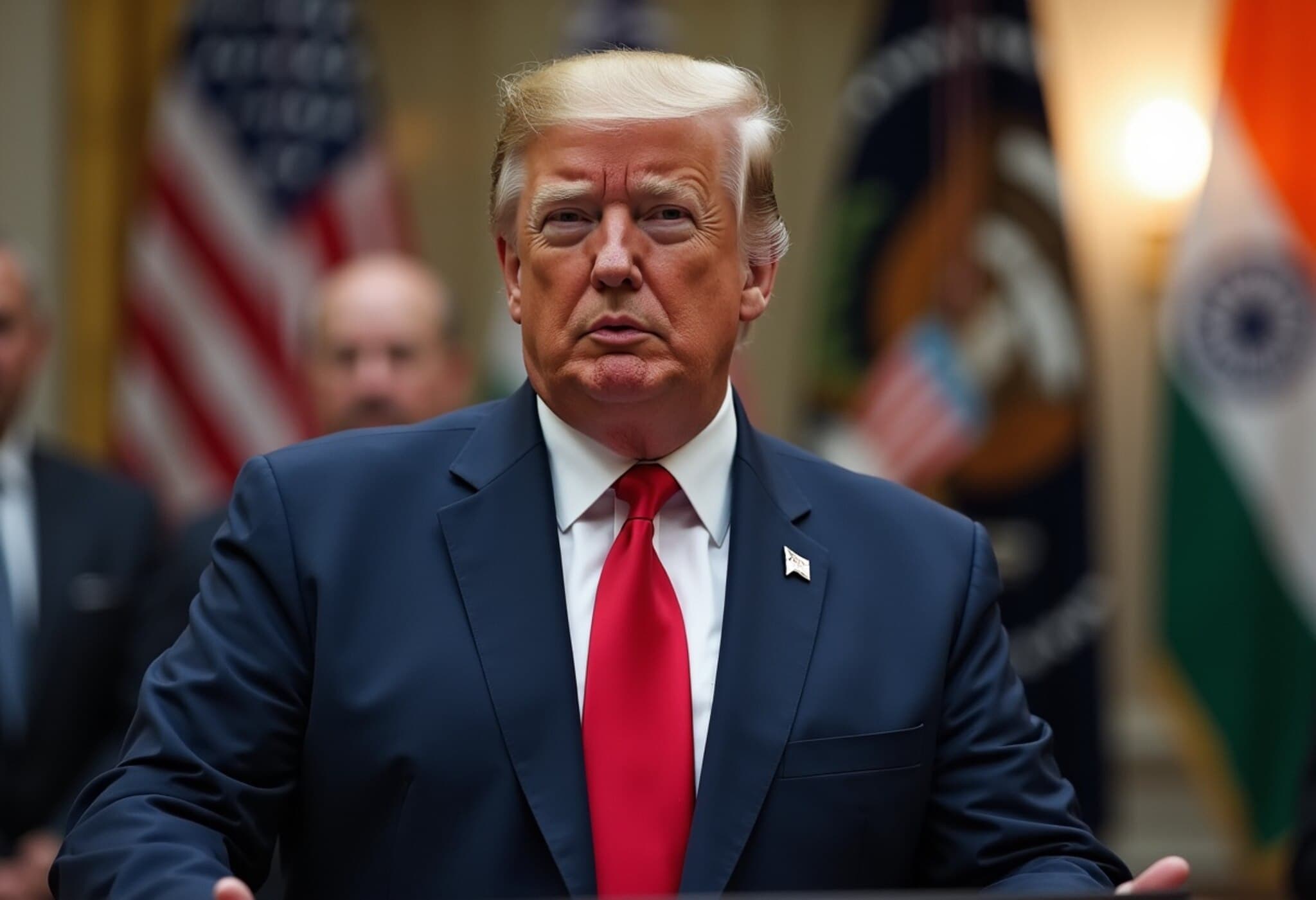
Machado’s vocal endorsement of the Trump administration’s controversial military buildup in the Caribbean and her public backing of forceful measures to depose Venezuela’s embattled president, Nicolás Maduro, have proven deeply divisive. Critics argue this stance contradicts the very essence of the Nobel Peace Prize, which traditionally honors nonviolent approaches to conflict resolution.
Adding fuel to the fire, Machado has made contested claims accusing Maduro of interfering in U.S. elections, stoking accusations that her narrative may be amplifying misinformation with the aim of securing political backing from the Trump administration. This has heightened concerns about the weaponization of information and the perils of external influence in Venezuela’s crisis.
Global Experts Weigh In on Nobel Committee’s Decision
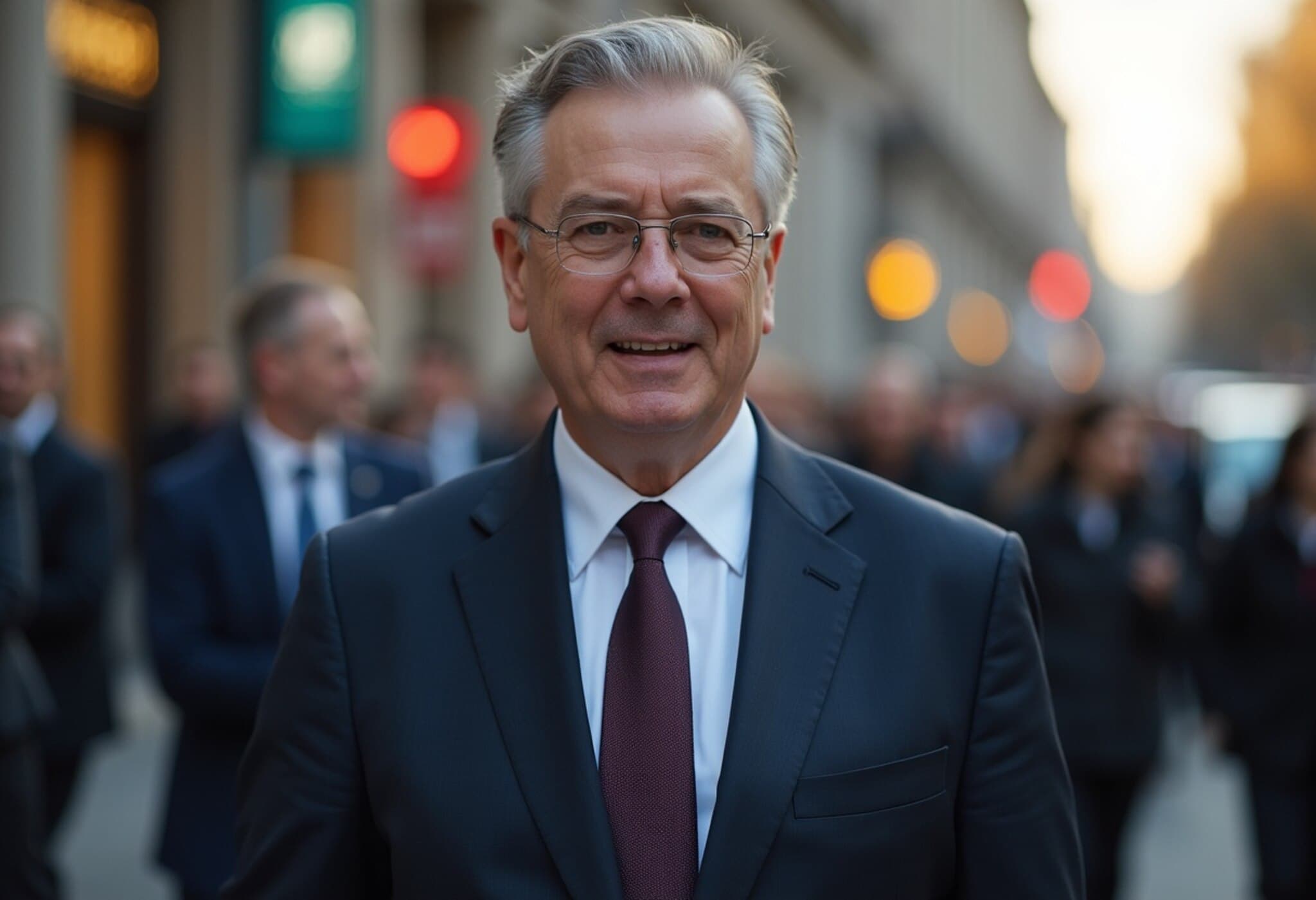
Benedicte Bull, a leading Latin America scholar at the University of Oslo, remarked, "This Nobel ceremony marks a significant departure from the apolitical tone traditionally associated with the award. The overt political alignment it reveals is unprecedented." She points out that unlike previous ceremonies, this event will notably attract mostly right-wing Latin American leaders, underscoring the politicization of the occasion.
Machado’s attendance at the ceremony was uncertain at press time, complicated by threats from the Venezuelan government labeling her a fugitive. Observers note the risks she faces traveling abroad amid the highly charged political atmosphere back home.
Waves of Protest and Criticism in Norway
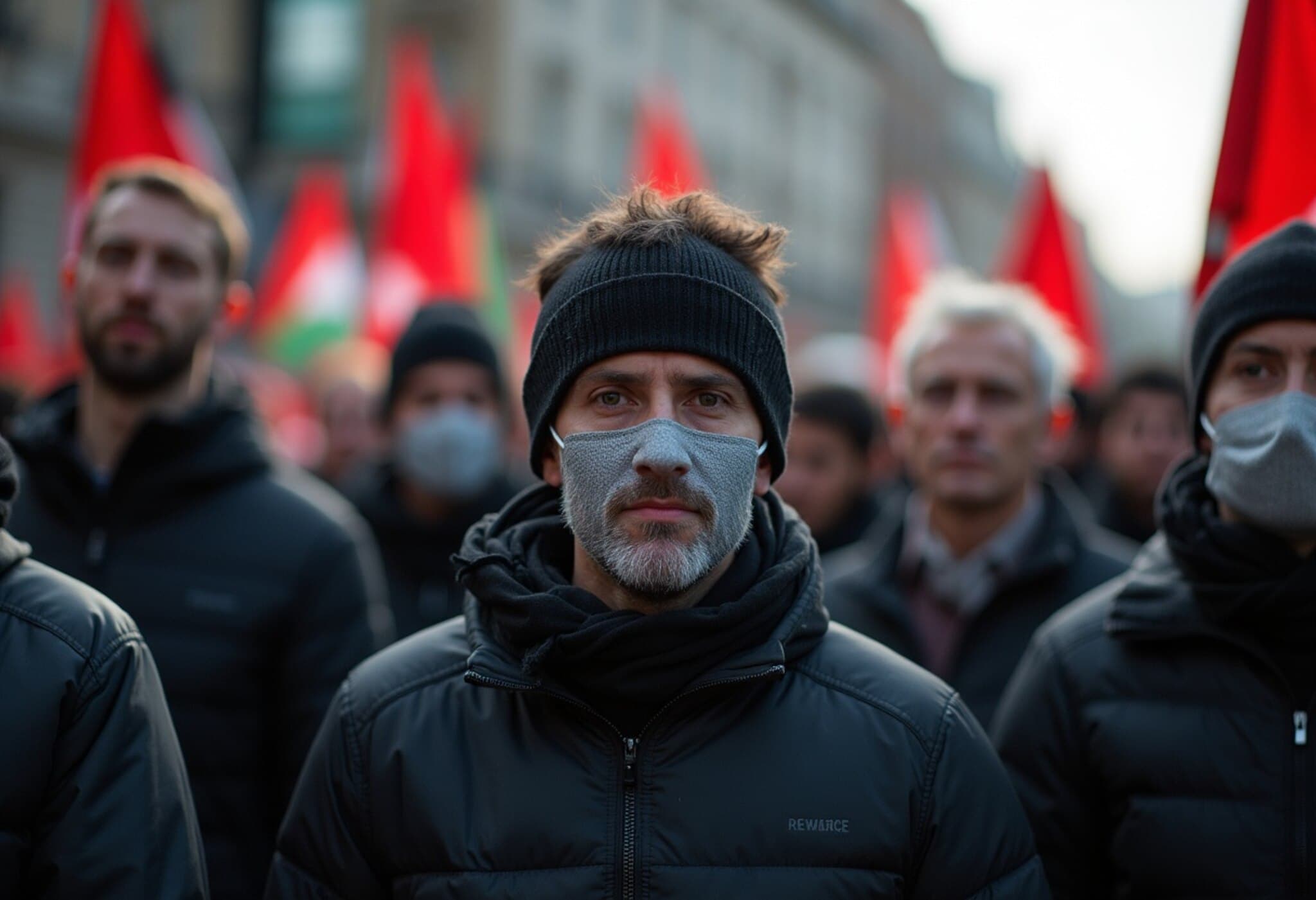
The awarding of the Nobel Peace Prize to Machado has sparked one of the most vocal protests the prize has seen in recent memory. A coalition of Norwegian activist groups rallied outside the Nobel Institute under banners demanding, "No Peace Prize for Warmongers," accusing the award of endorsing U.S. military interventions they claim violate international law.
The Norwegian Peace Council, historically a stalwart of disarmament and peaceful conflict negotiation, notably declined to hold its traditional torchlight procession this year, saying Machado’s aggressive advocacy undermines the council’s core commitment to dialogue and nonviolent resolution.
Voices Across the Spectrum: Nuances in Support and Opposition
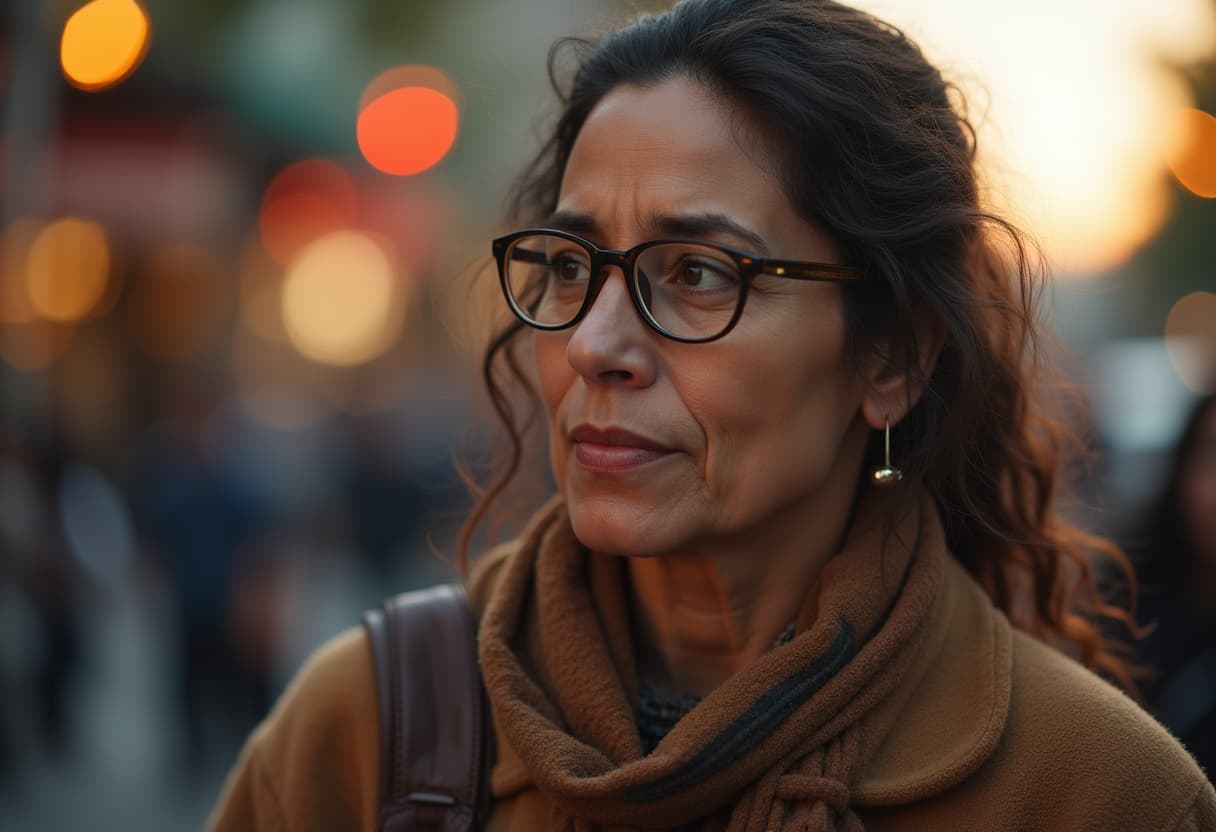
Ana María Silva-Harper, a Norwegian-Venezuelan politician, reflected a more nuanced view: "While I do not support Trump’s politics, I see Machado’s award as a historic moment for Venezuela. Many Venezuelans across the ideological spectrum yearn for change, and if this prize helps catalyze that, then it deserves recognition." Her perspective highlights the complex feelings Venezuelan expatriates harbor — torn between pragmatic acceptance of geopolitical realities and their hopes for democratic progress.
The Venezuelan Context: Crisis, Opposition, and U.S. Relations
Venezuela’s recent history is marked by political strife, economic collapse, and widespread hardship. Maduro’s government has been accused of authoritarianism, censorship, and human rights abuses. Meanwhile, the opposition has increasingly looked to the U.S. for support amid dwindling domestic avenues for change.
Machado’s endorsement of U.S. naval operations targeting suspected drug trafficking in the Caribbean — operations which have reportedly resulted in civilian casualties and widespread fear among local fishing communities — remains highly controversial. Legal experts have criticized these actions as potentially violating international law because of the attacks on civilians and questionable justification of immediate threat.
Moreover, Machado’s claims linking Maduro personally to criminal drug cartels lack firm evidence according to U.S. intelligence and various independent analysts, fueling debate about the credibility and potential consequences of such allegations in a volatile geopolitical environment.
Political Risks and Human Costs
The stakes for Machado are immense. If she travels to Oslo, she faces possible arrest upon return to Venezuela, where the government has aggressively targeted opposition figures. Her long history of risking personal safety — including over a year in hiding after a disputed election — underscores the perilous nature of Venezuelan opposition politics.
A Nobel Prize Amid Geopolitical Tensions: What Lies Ahead?
This Nobel Peace Prize ceremony transcends the typical celebration of peaceful achievement. Instead, it spotlights the intensely polarized landscape of Venezuelan politics, the role of international powers, and the contested nature of defining peace in a context where democracy is under siege.
As Machado takes center stage, the world is prompted to ask hard questions: Can military force ever be justified as a path to peace? Is external intervention a necessary evil in oppressive regimes, or a dangerous escalation? And finally, how does one honor the pursuit of democracy without inadvertently endorsing contentious foreign policies?
Editor’s Note
The awarding of the Nobel Peace Prize to María Corina Machado is a vivid reminder of the complexities and contradictions that define the struggle for democracy in Venezuela. As global powers grapple with competing narratives and strategies, this controversy challenges us to reconsider how peace is pursued and recognized in today’s hyper-politicized world. Readers are invited to reflect: How do international honors influence controversial geopolitical conflicts, and what responsibilities do awarding bodies bear in such fraught contexts?