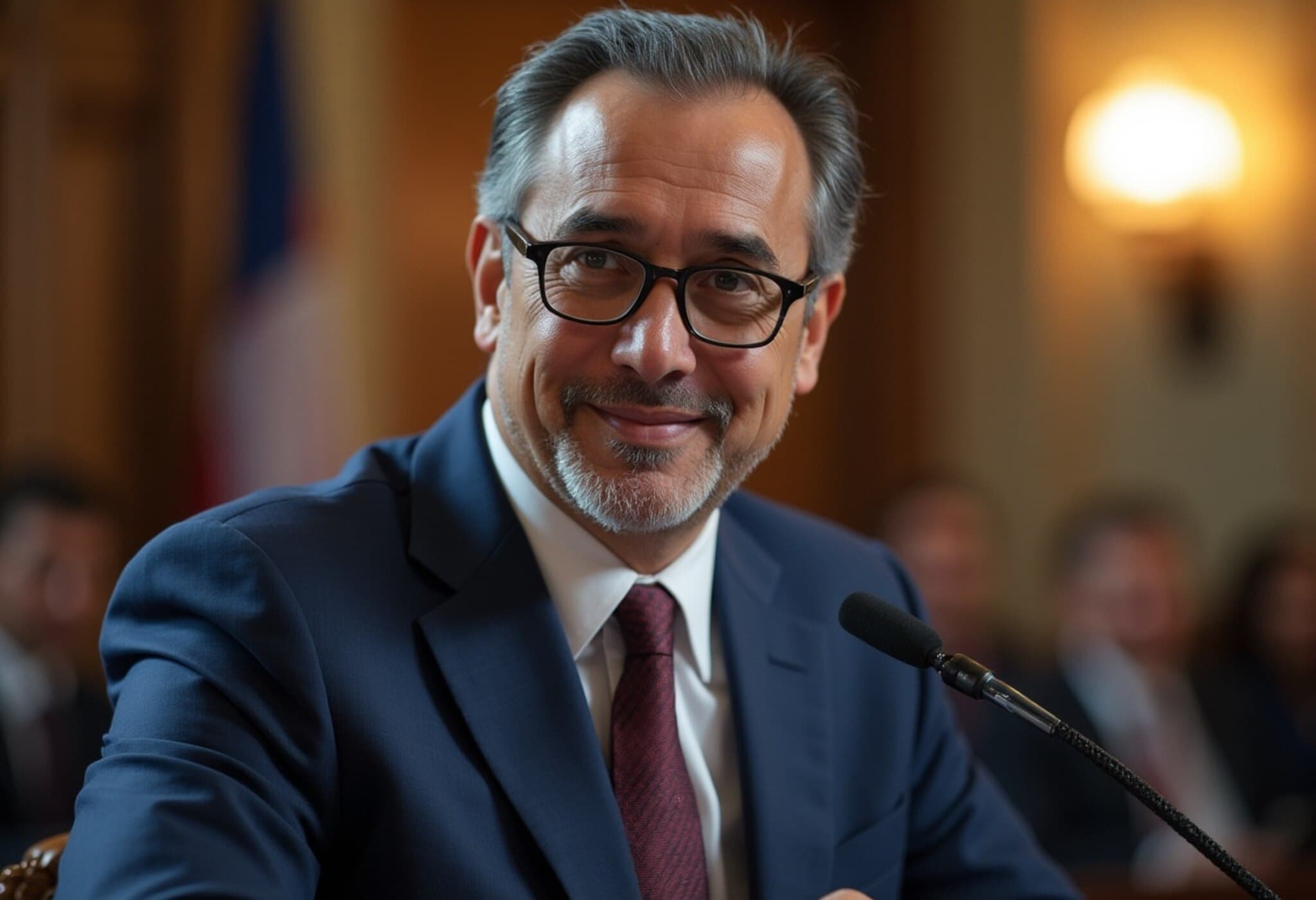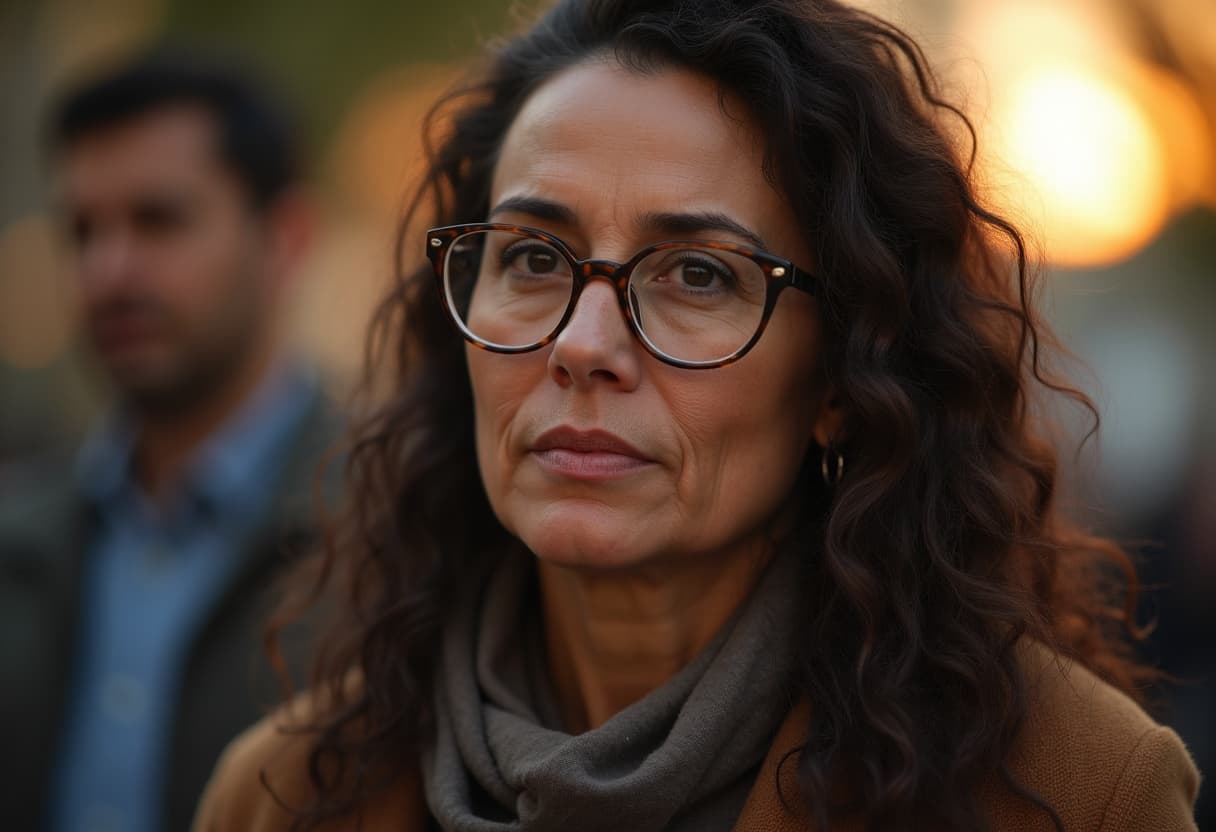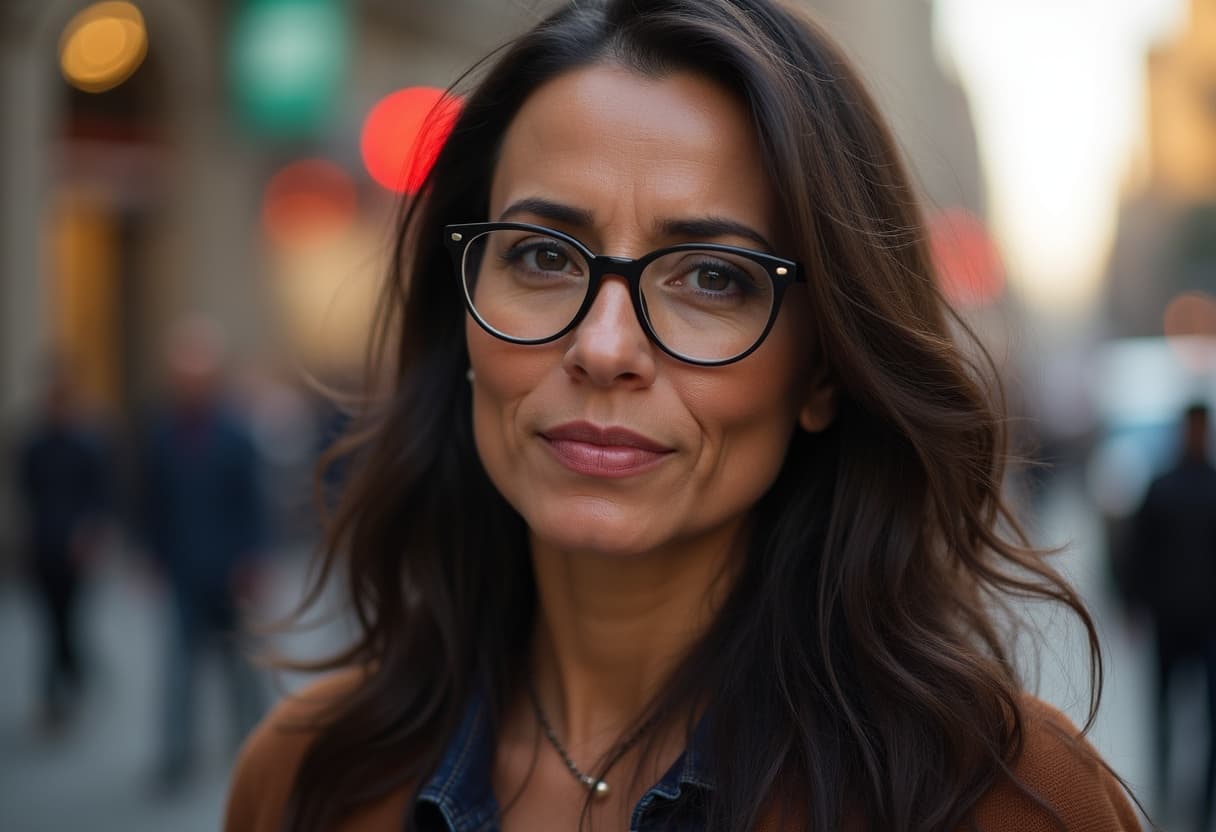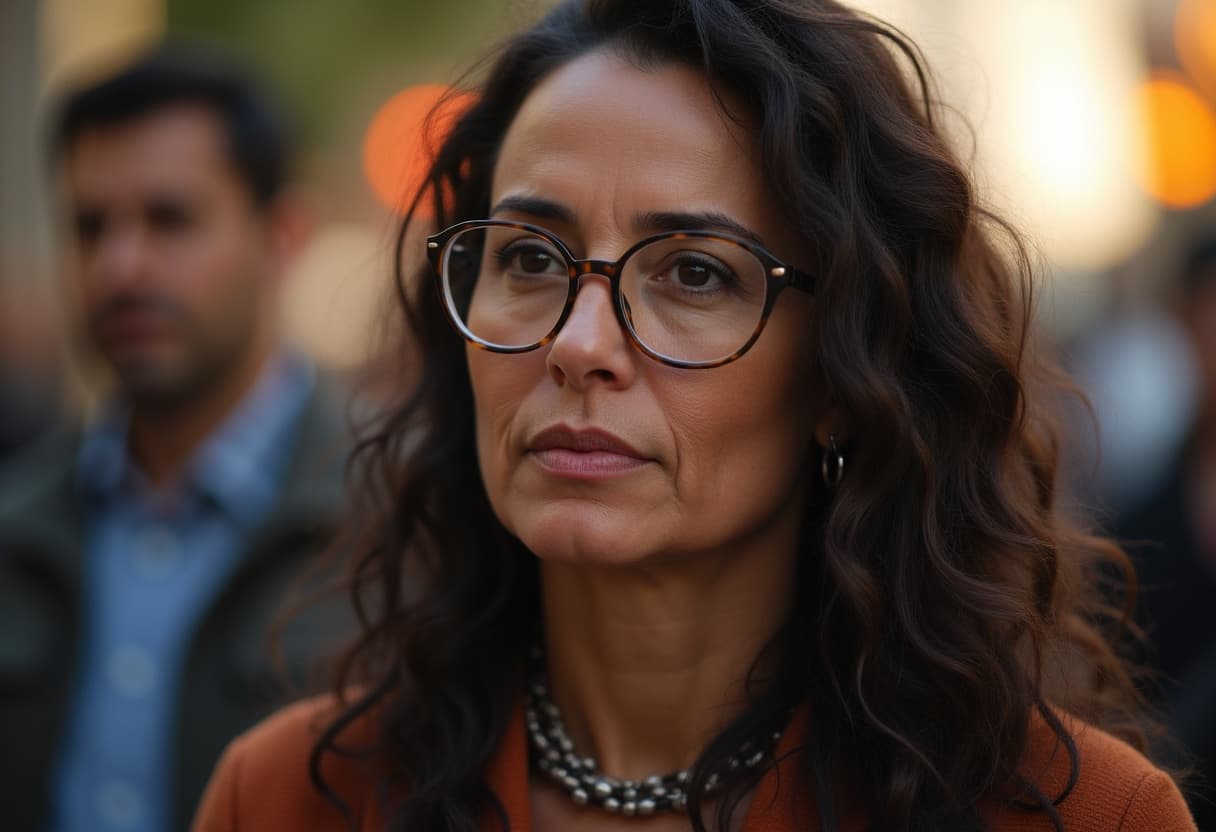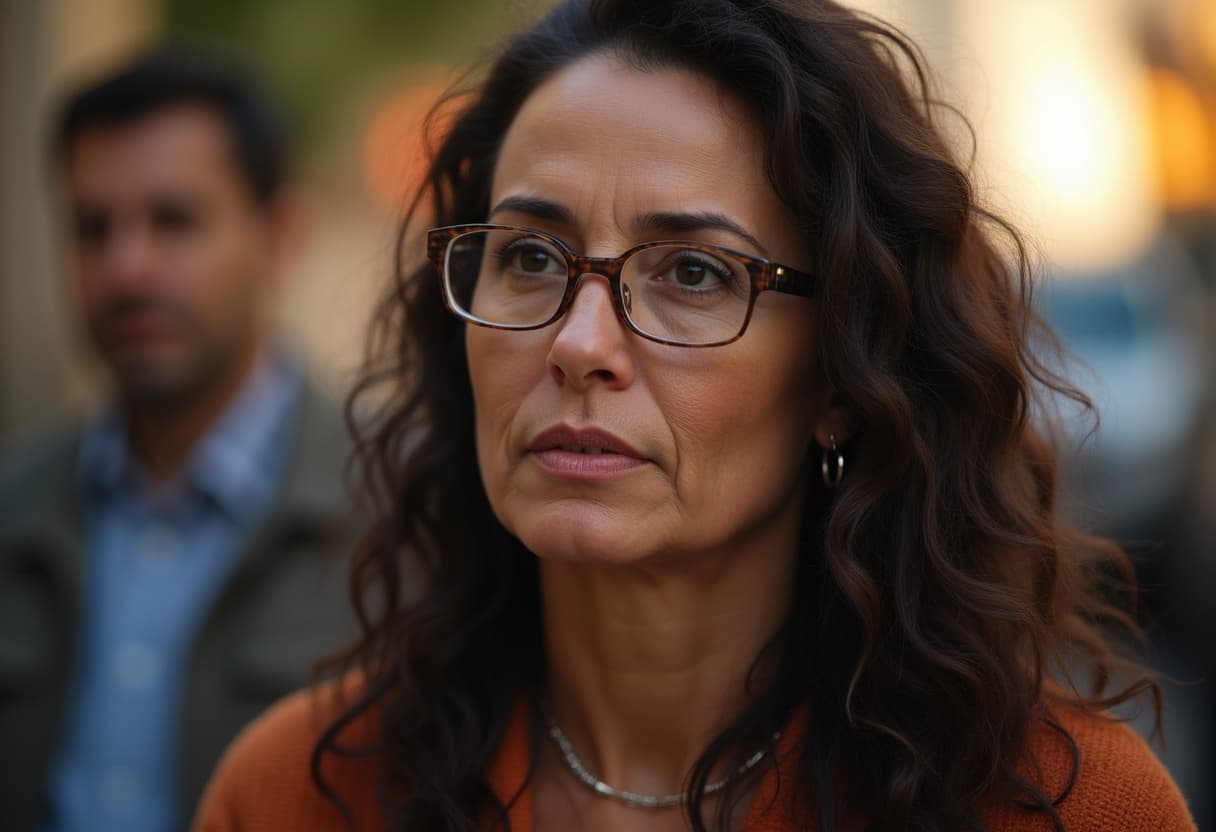
María Corina Machado: Venezuela’s Beacon of Democratic Resilience
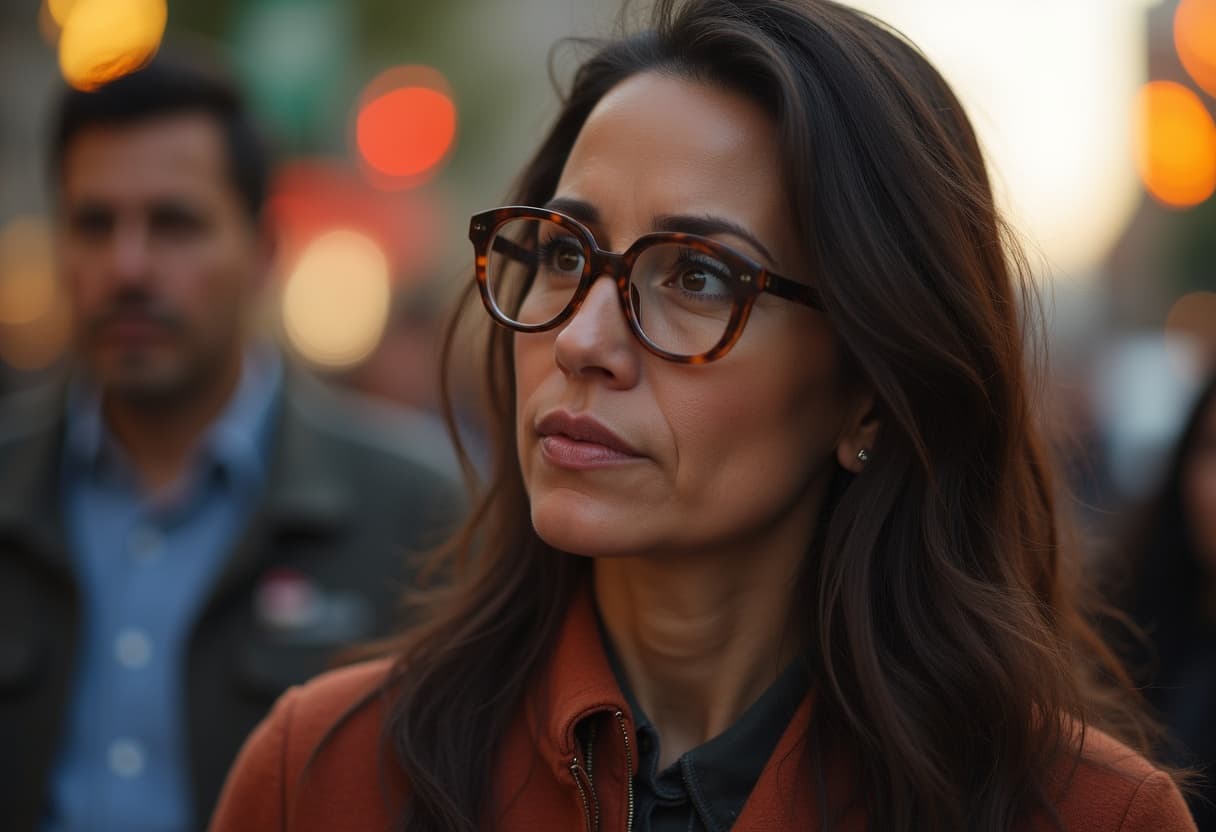
In a powerful statement against authoritarianism, María Corina Machado has been awarded the 2025 Nobel Peace Prize for her unwavering dedication to restoring democracy in Venezuela. Machado, a prominent opposition leader, has spearheaded one of the nation’s most influential political movements from the shadows of repression and exile.
Championing Democracy Amidst Authoritarian Rule
Machado’s recognition by the Nobel Committee underscores her courageous stand against the increasingly oppressive regime of President Nicolás Maduro. The Norwegian Nobel Committee highlighted her relentless advocacy for democratic rights and her courageous pursuit of a peaceful transition from dictatorship to democracy in a country where such efforts carry immense risk.
“María Corina has stood as a symbol of hope and resistance,” said Jørgen Watne Frydnes, chair of the committee. “Despite facing serious threats to her life and forced into hiding, she embodies the spirit of democratic perseverance.”
A Life Rooted in Service and Defiance
Born into a leading steelmaking family, Machado’s journey began in Caracas with an elite education, including time at a Catholic girls’ school and a boarding school in Wellesley, Massachusetts. Her academic background in engineering and finance led her to work at the family company, Sivensa, before redirecting her path toward social activism.
In 1992, she founded the Atenea Foundation, aimed at lifting children out of poverty in Caracas, demonstrating early her commitment to social justice.
From Activist to Opposition Leader
By 2002, Machado co-founded Súmate, a groundbreaking voter rights organization that boldly attempted to organize a recall referendum against Hugo Chávez, the architect of Venezuela’s socialist revolution. Though the recall failed, her involvement cemented her as a significant voice of dissent.
Her political career formally began in 2010 when she won a record number of votes to enter the National Assembly. Later, as leader of the opposition party Vente Venezuela, she declared her presidential candidacy for the 2024 election.
Election Controversy and Political Repression
The 2024 election, contested fiercely between her backed candidate, Mr. González, and the incumbent President Maduro, ended with Maduro’s declared victory—a result disputed by the opposition amid claims of electoral fraud. Supporters of González presented evidence suggesting a wide margin of victory, but the authoritarian government’s tight grip on power rendered these voices marginalized.
Machado herself faced government charges over alleged financial irregularities during her tenure, a tactic widely seen by observers as politically motivated. Forced into hiding to avoid persecution, her resilience has only intensified her resolve to continue the struggle from afar.
Global Significance and What Lies Ahead
The Nobel Committee’s decision also considered the personal risks involved in honoring Machado. “We have deliberated on the security implications,” Frydnes noted, “especially since María Corina Machado remains in hiding due to threats against her safety.” The award aims to bolster international awareness and support for Venezuela’s democratic movement.
While it remains uncertain whether Machado can safely attend the Nobel ceremony in Oslo this December, the prize itself serves as a potent symbol of solidarity for many Venezuelans yearning for freedom.
Expert Insights: The American Angle
Machado’s struggle echoes broader themes in U.S.-Venezuelan relations, where democratic ideals and geopolitical interests collide. Washington’s historical support for opposition leaders like Machado reflects the complexity of promoting democracy while balancing diplomacy and regional stability.
Her engineering and business background uniquely position her to envision not just political change, but economic revitalization in a country crippled by hyperinflation and sanctions. This Nobel Prize underscores the critical role of resilient democratic figures in Latin America’s turbulent political landscape and reminds global policymakers of the stakes involved.
Editor's Note
María Corina Machado’s Nobel Peace Prize is more than a personal accolade—it is a beacon highlighting the ongoing crisis of democracy under authoritarian regimes. As Venezuela faces economic collapse and social unrest, Machado’s fight invites reflection on how international communities can effectively support democratic movements without exacerbating instability. The Nobel Committee’s recognition amplifies a vital question: How will the world stand with those risking everything for freedom?