Venezuelan Diaspora Struggles with Travel Restrictions This Holiday Season
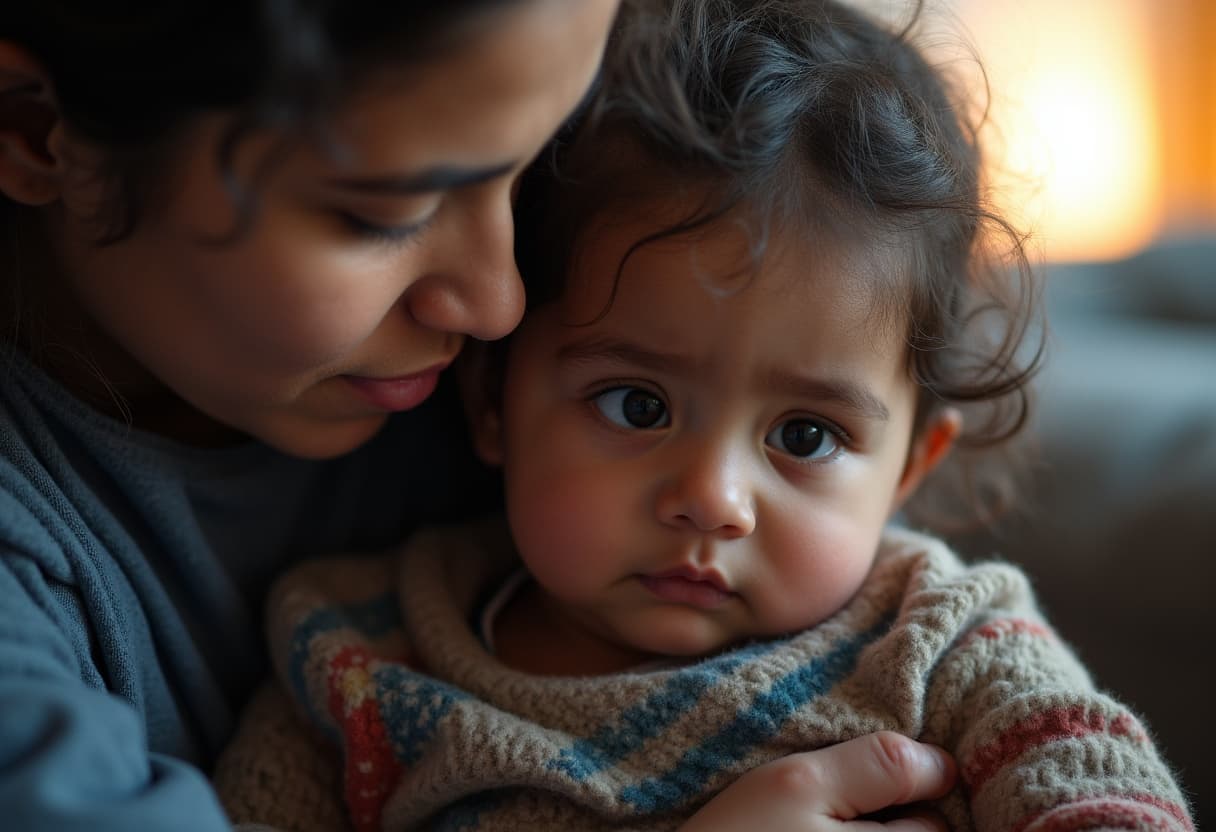
As the holiday season traditionally reunites families, many Venezuelans find themselves isolated this year, grappling with travel bans and airspace closures that have heavily impacted their ability to return home. The beloved festive period, often marked by warmth, reunion, and cultural traditions, has instead become a time of solitude and uncertainty for thousands of Venezuelans scattered worldwide.
Airspace Shutdown Deepens the Sense of Isolation
Following the decision by the U.S. government to close its airspace to Venezuelan flights on November 29, almost all international airlines have ceased operations to and from Venezuela's gateway, Simón Bolívar International Airport near Caracas. This has critically reduced flight options, forcing many families to scrap long-awaited plans or embark on risky, alternative routes to reunite.
The impact has been profound. Passenger numbers have plummeted from tens of thousands to just a few thousand weekly arrivals, according to industry sources familiar with the situation. The scarcity of flights has driven prices up dramatically, placing further stress on Venezuelans eager to visit their homeland amid ongoing political upheaval and humanitarian crises.
Personal Stories Behind the Headlines
Vanessa Rojas, a 37-year-old Venezuelan mother residing in Argentina, embodies the heartbreak faced by many. After saving for two years, she secured flights for herself and her young daughter only to have them canceled abruptly. “That day, I cried a lot,” she shared, her disappointment underscoring the human toll beyond diplomatic maneuvers.
Similarly, Noemi Gómez, who had planned to marry in Venezuela in December, had to postpone her wedding and celebrate in the Dominican Republic instead. She places responsibility squarely on President Nicolás Maduro, stating, “It’s because of that government, that man — they’re illegitimate and they shouldn’t be there.” This sentiment is common among the Venezuelan diaspora, many of whom fled due to the country's worsening economic and humanitarian crisis.
The Geopolitical Backdrop: U.S. Sanctions and Maduro’s Isolation
The closures are part of a heightened campaign by the Trump administration aimed at pressuring Venezuela’s autocratic leader. Accusations against Nicolás Maduro include supporting designated terrorist drug-trafficking groups and attempting to seize oil tankers circumventing U.S. sanctions. These measures illustrate the complex interplay between national security concerns and humanitarian impacts on ordinary citizens.
Meanwhile, Venezuela's government condemned the U.S. airspace closure as a “colonialist threat” and responded by withdrawing operational permits from foreign airlines that ceased flights. This exchange deepens the nation’s international isolation and further complicates the flow of people and goods.
The Diaspora’s Diverse Responses
Venezuelans living abroad react with a mix of frustration, resilience, and cautious hope. In major hubs like Miami, Madrid, New York, and Mexico City, conversations center on accountability and prospects for change. Antonio Balassone from Mexico City, whose trip home was canceled, underscores a widespread sentiment: “I want change, but I don’t want war. We’ve suffered enough.”
Some, like María Acosta from Bogotá, have resorted to overland border crossings and indirect flights to reach home, navigating a patchwork of challenges just to share moments with family. These efforts highlight the lengths to which people go to preserve cultural bonds, even amid adversity.
Economic and Social Ripples During the Holidays
Tourism, once a vital economic sector especially on Margarita Island, has been decimated. A local hotelier lamented, “We lost all our reservations.” However, Venezuelans display remarkable resilience, with many adapting to the relentless challenges they face. As one local put it, “These blows are normal now. We pick ourselves up and keep going.”
This perseverance is emblematic of Venezuela’s broader societal struggle, where optimism persists alongside enduring hardships.
Looking Ahead: Uncertainty Amid Hope
With presidential elections widely criticized as illegitimate and no immediate end to sanctions in sight, Venezuelans face continued uncertainty about when normal travel conditions will resume. The loneliness of this Christmas raises critical questions about the intersection of international policy, national sovereignty, and the human costs of geopolitical conflict.
As the diaspora and those within Venezuela alike navigate these turbulent times, their stories urge policymakers and the global community to consider not just strategic objectives but also the profound personal impacts of such decisions.
Editor’s Note
The Venezuelan holiday season starkly reveals the complex human consequences of international sanctions and political confrontations. While governmental narratives and diplomatic strategies dominate headlines, it is essential to remember the millions separated from loved ones, forced to bear the emotional burden of isolation. This raises crucial debates about balancing foreign policy enforcement with humanitarian sensitivities. What steps can be taken to protect civilians caught in the middle of geopolitical strife? And how might the international community foster conditions for eventual reconciliation and safe, robust connectivity for Venezuelans worldwide?
Reporting contributed by Sheyla Urdaneta, Jorge Valencia, Carlos Prieto, Patricia Sulbarán, and Alejandro Cegarra.