Introduction: A Leader Under Siege
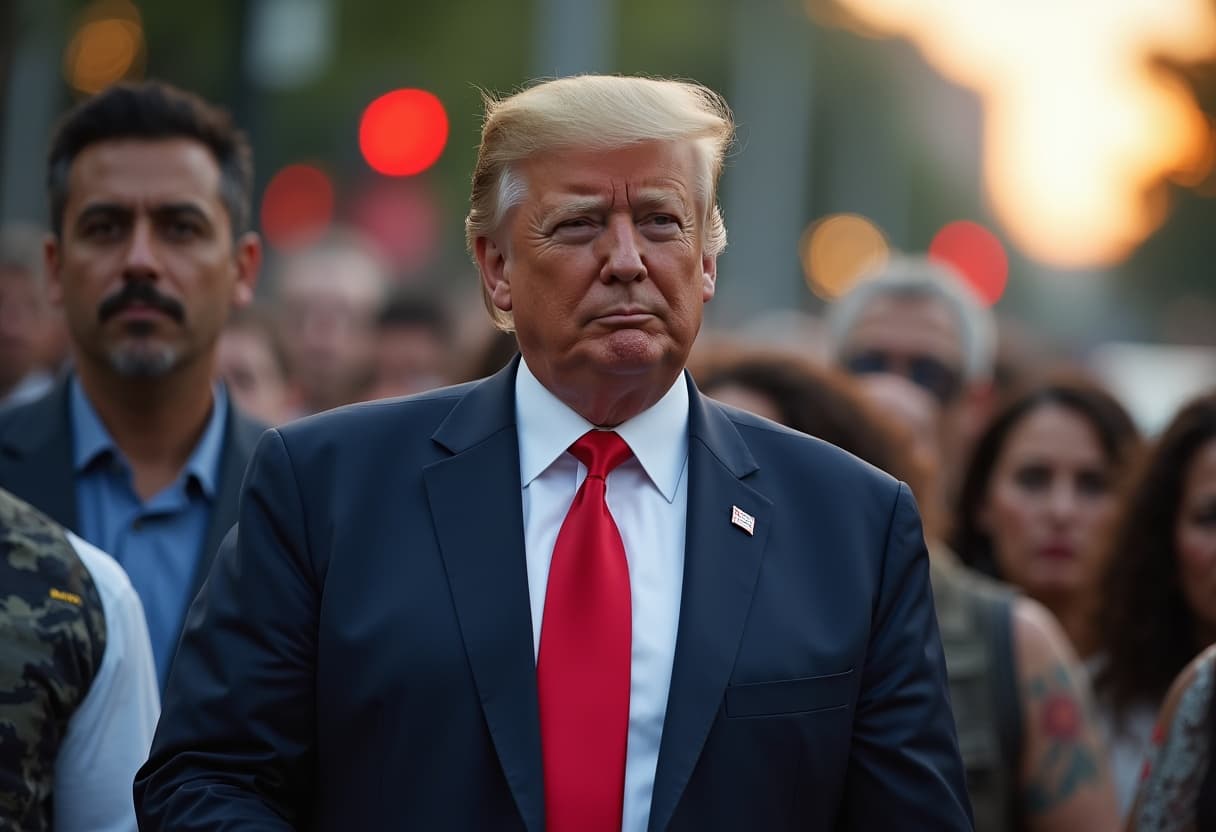
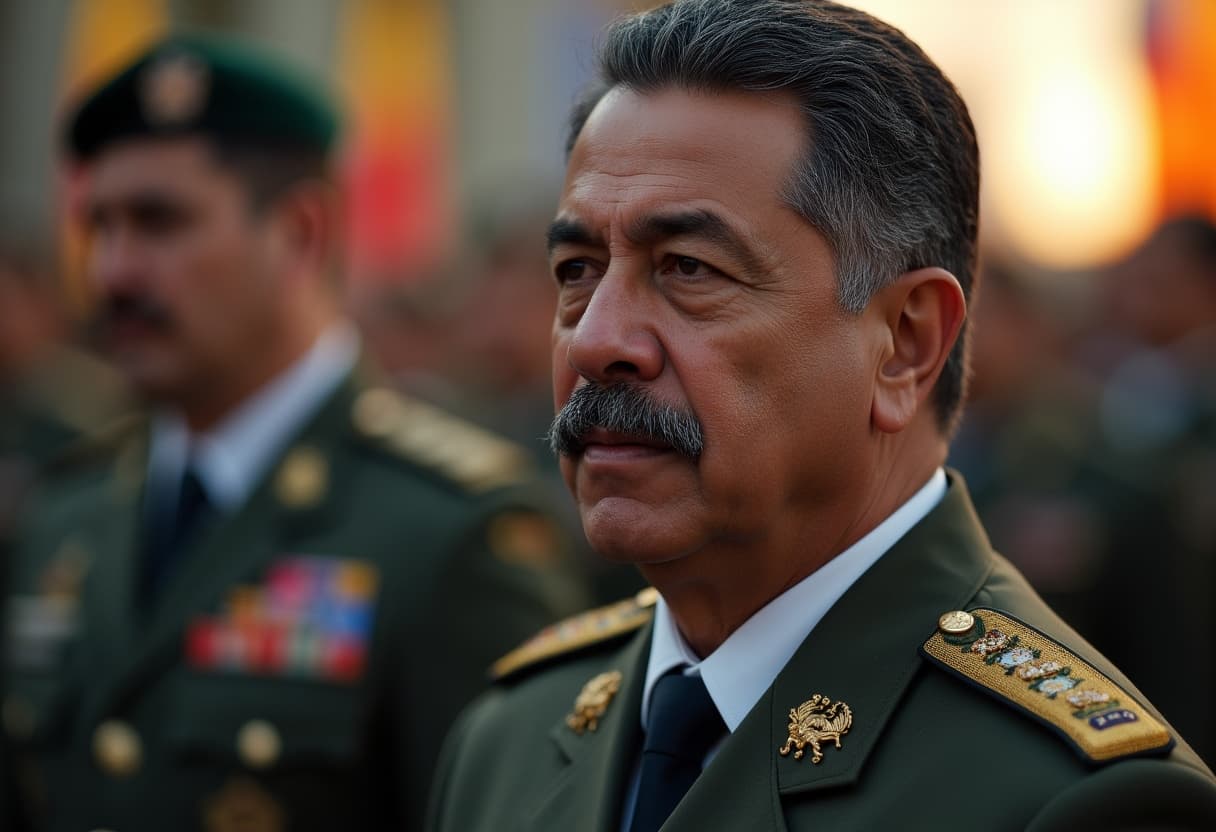
Facing the most severe challenge of his tumultuous 12-year presidency, Venezuelan President Nicolás Maduro has taken extraordinary measures to shield himself from a looming U.S. military intervention under President Donald Trump’s administration. These developments reveal a tense, high-stakes environment swirling behind the scenes in Caracas, as Maduro navigates threats with a blend of vigilance, public defiance, and strategic alliance-building.
Behind Closed Doors: Heightened Security and Cuban Support
Sources close to Mr. Maduro reveal that with the United States escalating pressure and some indications of military action — including precision strikes and special-forces raids beginning as early as September — Maduro has dramatically increased his personal security protocols. These precautions, including frequently changing beds and mobile phones, aim to deter and neutralize assassination attempts or surprise raids.
Notably, Maduro has leaned heavily on Cuba, a historic ally, by expanding Cuban bodyguards within his security detail and integrating Cuban counterintelligence operatives closely with Venezuela’s military. While this deepens Cuba’s footprint in Venezuelan defense affairs, it underscores the frailty Maduro perceives within his own ranks, where the threat of betrayal remains palpable.
Public Posture: From Dismissive to Defiant
In stark contrast to his private caution, Maduro projects an image of confidence and leisure. His spontaneous public appearances, unannounced participation in rallies, and even dancing moments shared via TikTok craft a narrative of resilience and normalcy. These actions seem designed both to reassure supporters and to sow uncertainty among opponents and external observers.
One recent Caracas rally saw Maduro jovially proclaim, “Party for as long as the body can bear it! No war; peace.” This repetition of joyous, almost celebratory messaging reflects a carefully cultivated persona shaped to diffuse anxiety amid a nation suffering pervasive crisis.
Historical Context: A Leader Tempered by Crisis
Maduro’s political journey from a Caracas bus driver and union activist to Venezuela’s presidency is marked by persistent survival against overwhelming odds. Early critics dismissed him as a poor successor to Hugo Chávez, likening him to a stubborn donkey (called “Maburro”), pointing to numerous public gaffes. Yet beneath this veneer lies a calculating, street-wise operator, familiar with the hard-nosed politics of coalition-building and power preservation.
His rule has faced multiple maelstroms: economic collapse, hyperinflation, sanctions, mass emigration, and ongoing domestic unrest. Through it all, Maduro has fortified his grip by sidelining moderate voices within his party, consolidating power around loyalists, and tolerating illicit activities within the military as trade-offs for sustained allegiance.
Economic and Political Pressures: Sanctions and Internal Fractures
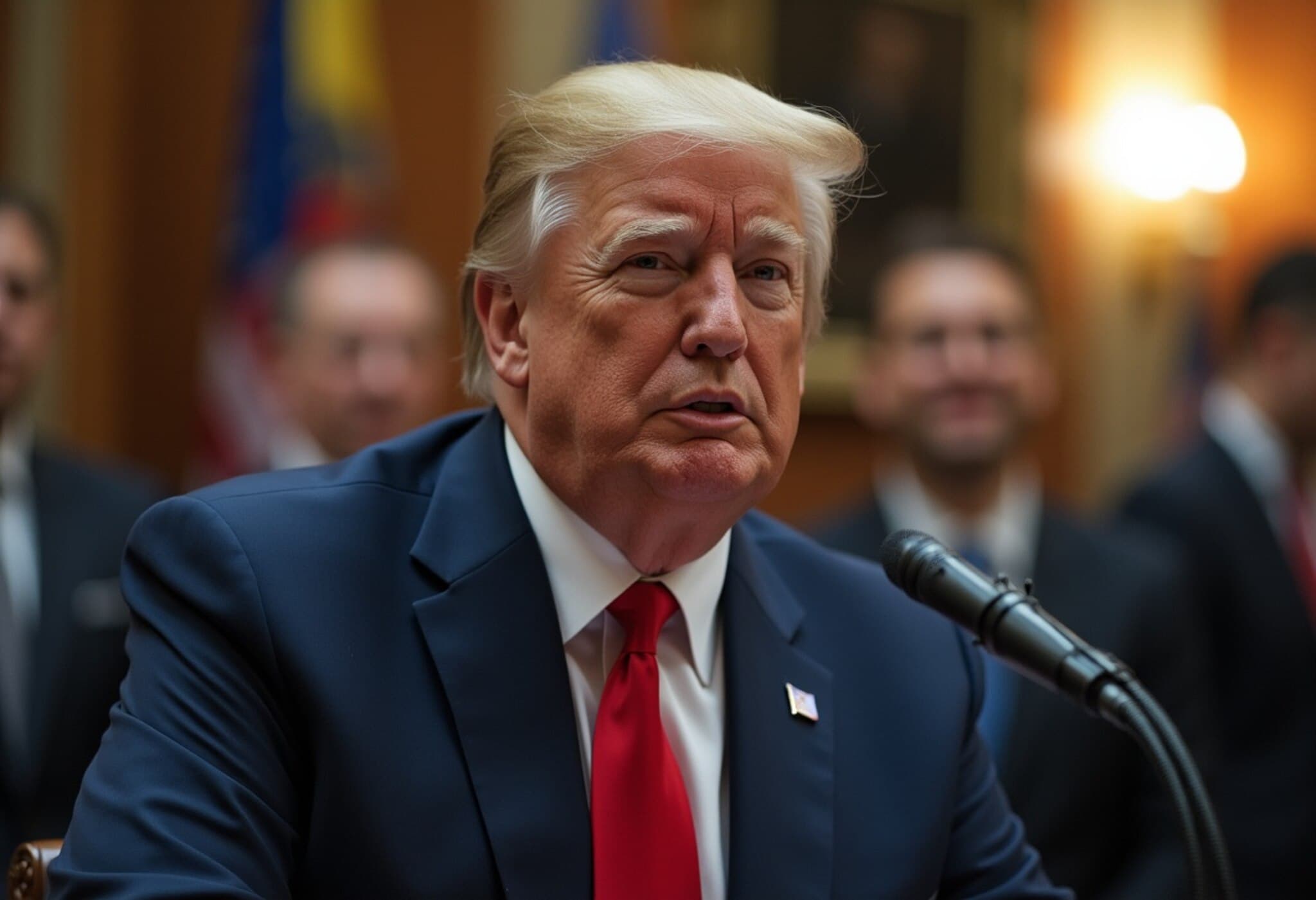
Under Trump, U.S. sanctions intensified, combined with rhetorical and covert military pressure aiming for regime change. While Washington accuses Maduro’s government of drug trafficking and narcoterrorism, experts note the absence of centralized criminal control directly linked to Maduro, highlighting instead a fractured military apparatus where illicit deals persist as survival tactics.
Behind the scenes, limited talks explored Maduro’s potential exit strategy, possibly involving a referendum or power transfer to a lieutenant. However, these negotiations faltered amid mistrust and the enduring reality of a regime clinging to authority through control of key institutions, including the courts and electoral bodies.
Democratic Erosion and Legitimacy Crisis
Maduro’s presidency marks a stark decline in Venezuela’s democratic fabric. Independent media have been muzzled, opposition leaders jailed or barred from office, and security forces empowered to suppress dissent brutally. The 2024 presidential election, widely deemed fraudulent, eradicated whatever veneer of legitimacy remained.
Political analysts and former insiders emphasize that Maduro’s real vulnerability lies not in external threats, but in a profound crisis of legitimacy. The disconnect between the regime and the Venezuelan people grows wider, with the government denying this stark reality even as popular discontent festers.
What Lies Ahead?
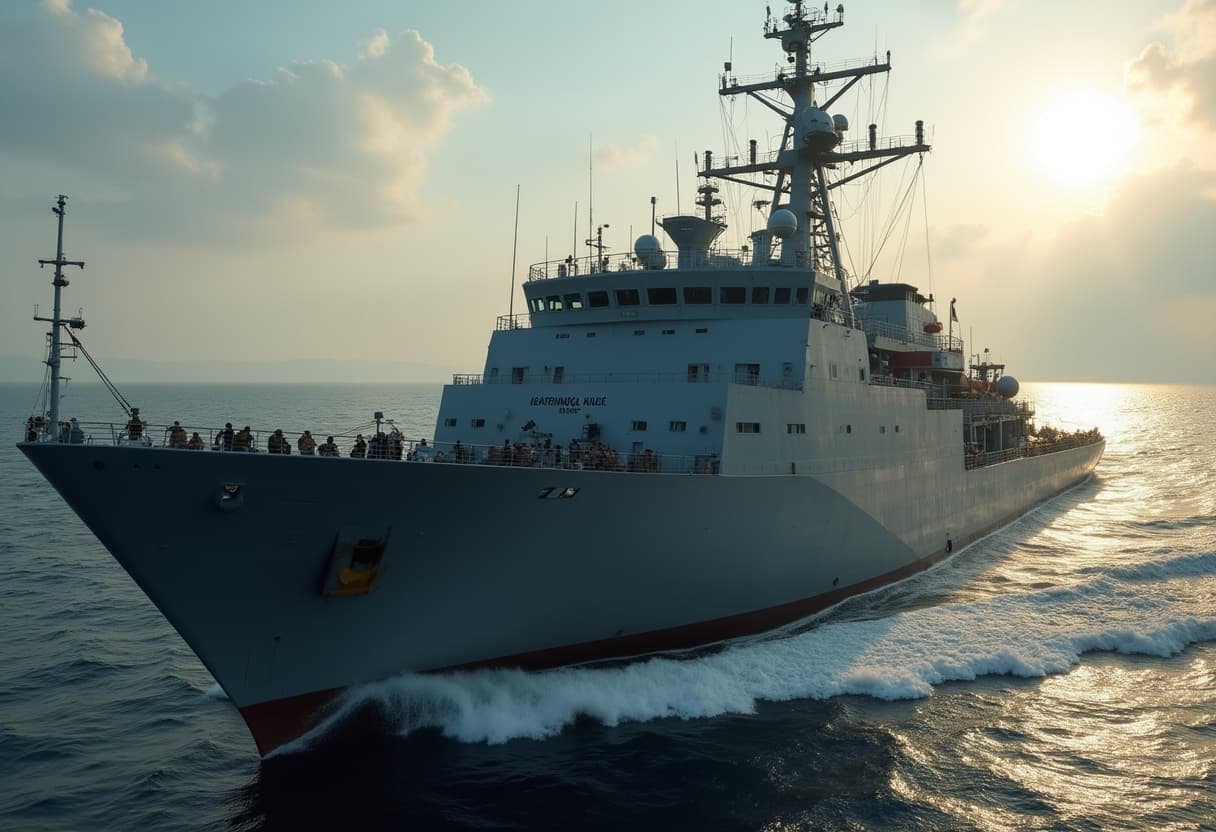
As the U.S. military presence in the Caribbean signals ongoing pressure, the question remains whether Maduro will endure politically or if cracks will deepen within his coalition. The continued Cuban influence, alongside domestic repression and economic hardship, creates a volatile mix with unpredictable outcomes.
For the international community, Venezuela poses a complex dilemma: balancing the imperative to confront authoritarianism and drug trafficking against the risks of military escalation that could worsen humanitarian suffering.
Expert Insight: The Perils of Protracted Standoff
From a geopolitical standpoint, Maduro’s strategy mirrors the tactics of entrenched authoritarian leaders who rely on personal security apparatuses, foreign alliances, and media control to survive crises. However, prolonged standoffs without meaningful political dialogue risk deepening instability and hardship for everyday Venezuelans.
American policymakers must weigh the effectiveness of sanctions and military threats versus diplomatic engagement that acknowledges the fractured political landscape and the population’s urgent needs for economic relief and democratic restoration.
Editor’s Note
Maduro’s calculated resilience and the U.S.’s dual approach of threats and diplomacy epitomize the complexities of contemporary geopolitical conflicts that involve personal survival, international law, and human lives. This saga underscores critical questions:
- Can authoritarian resilience be sustainably challenged without exacerbating humanitarian crises?
- How might Cuba’s growing role in Venezuelan security reshape regional dynamics?
- What diplomatic pathways remain viable when legitimacy has eroded, but military intervention remains perilous?
Understanding Venezuela today requires grappling with these intertwined dimensions—an urgent task as history continues to unfold on the Caribbean stage.