Churchill, Manitoba: Canada’s Strategic Arctic Hub
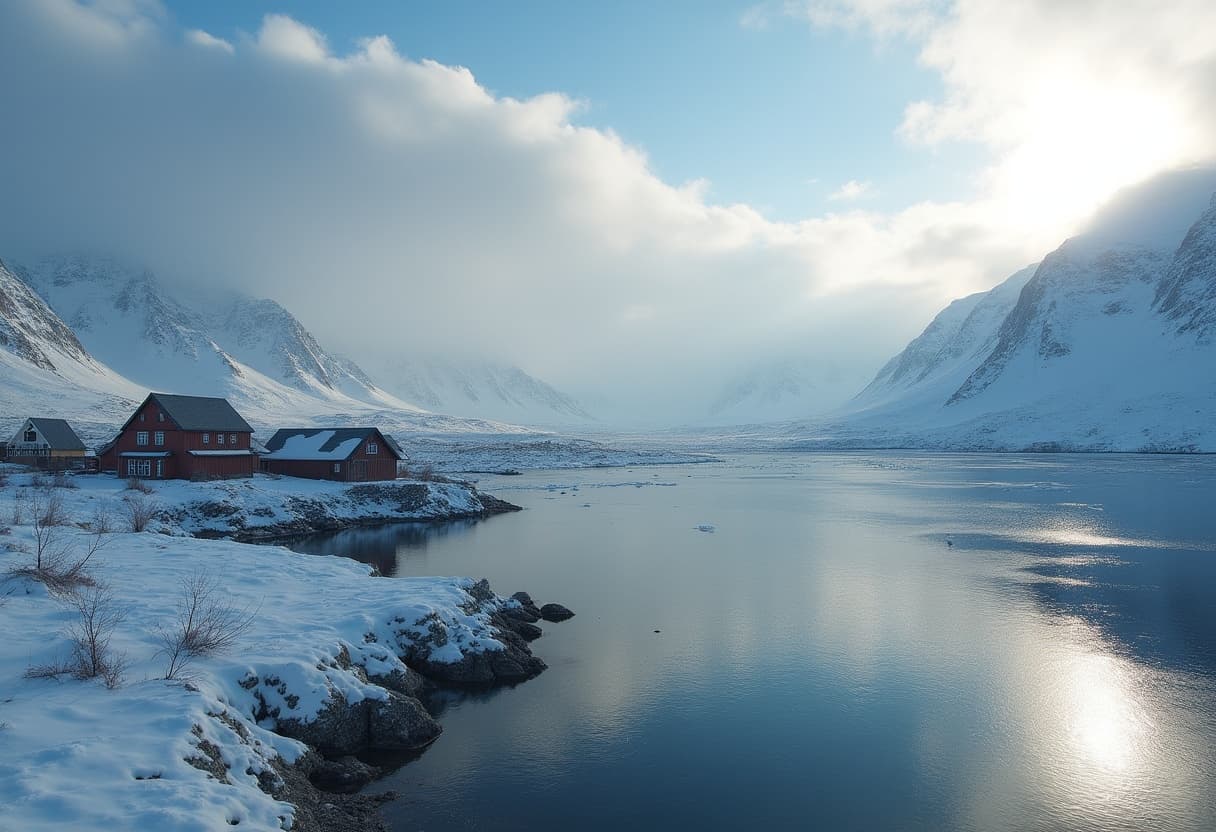
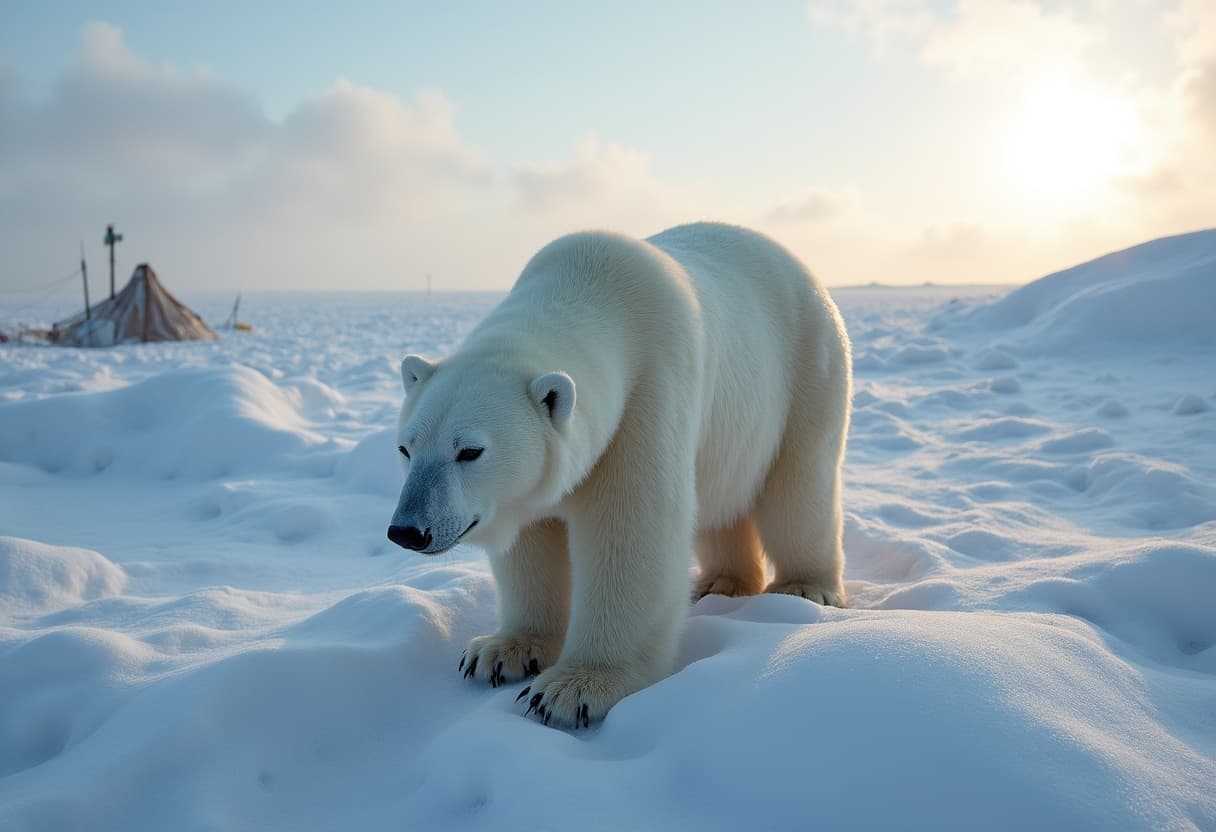
Nestled on the western shores of Hudson Bay, the small town of Churchill, Manitoba, is often celebrated as the "polar bear capital of the world." Yet beneath its fame for wildlife tourism lies a much deeper significance—Churchill holds two of Canada’s most crucial Arctic infrastructures: the country’s only deep-water Arctic port and the sole railway linking northern Canada to the populated south. Additionally, the town boasts a runway capable of accommodating some of the world’s largest military and commercial aircraft, a relic from its Cold War military past.
The Arctic’s Emerging Theater of Geopolitics
As global warming redraws the Arctic map and superpower rivalries intensify, Churchill’s strategic position is gaining newfound attention. "Canada is looking to secure its Arctic sovereignty, and we can fill that role naturally," says Mike Spence, Churchill’s mayor and a Cree community leader who has witnessed both the town’s struggles and potential firsthand.
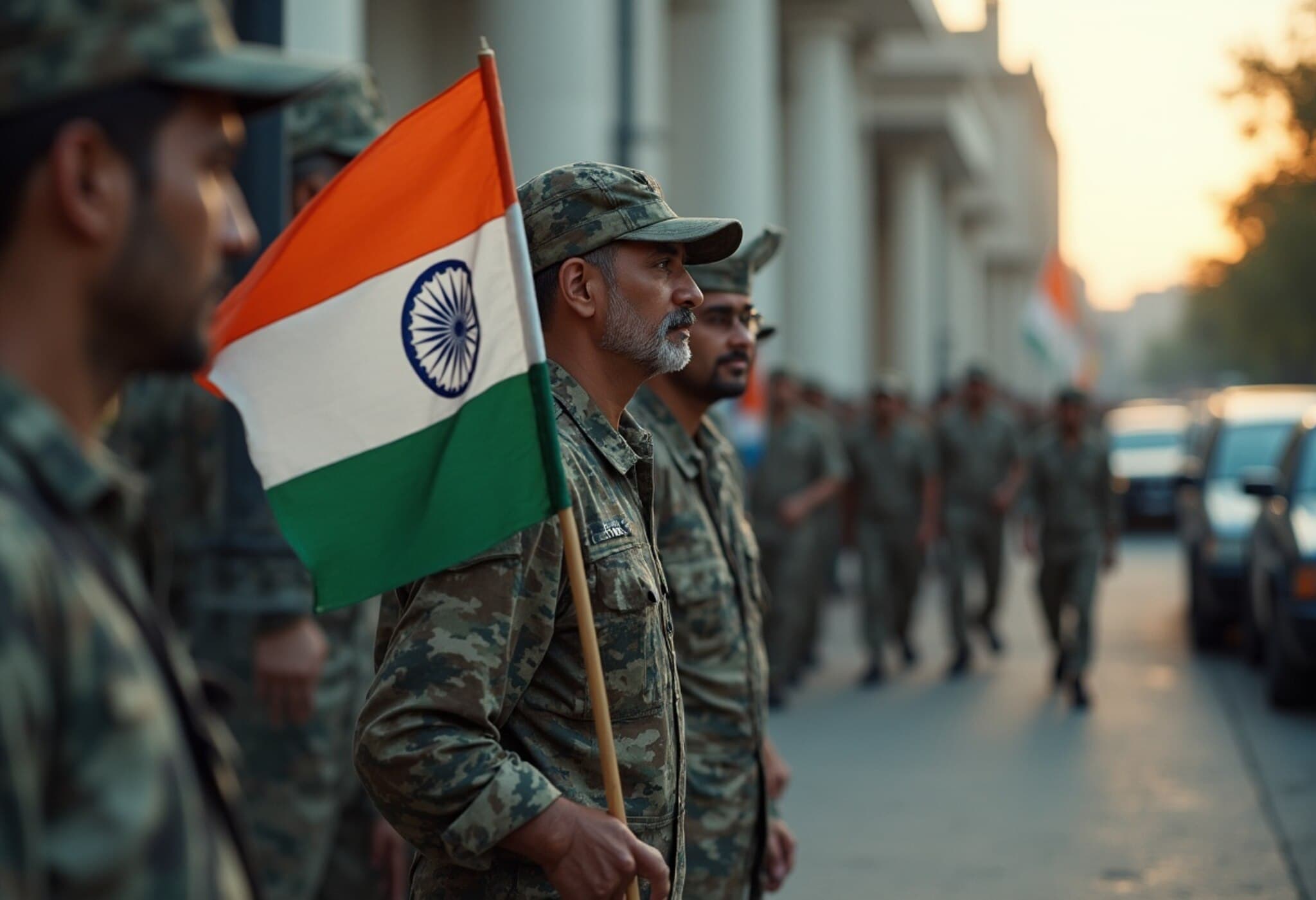
The Arctic is rapidly becoming a geopolitical chessboard with Russia fortifying vast urban and military infrastructures, and China asserting its self-proclaimed status as a "near-Arctic state." The United States, under former President Trump, sought to carve out a more aggressive Arctic policy, including proposals for missile defenses and even controversial overtures toward Greenland. Amid this, Canada is mobilizing to assert its sovereignty over its extensive but remote northern territories.
Challenges of Arctic Infrastructure in a Changing Climate
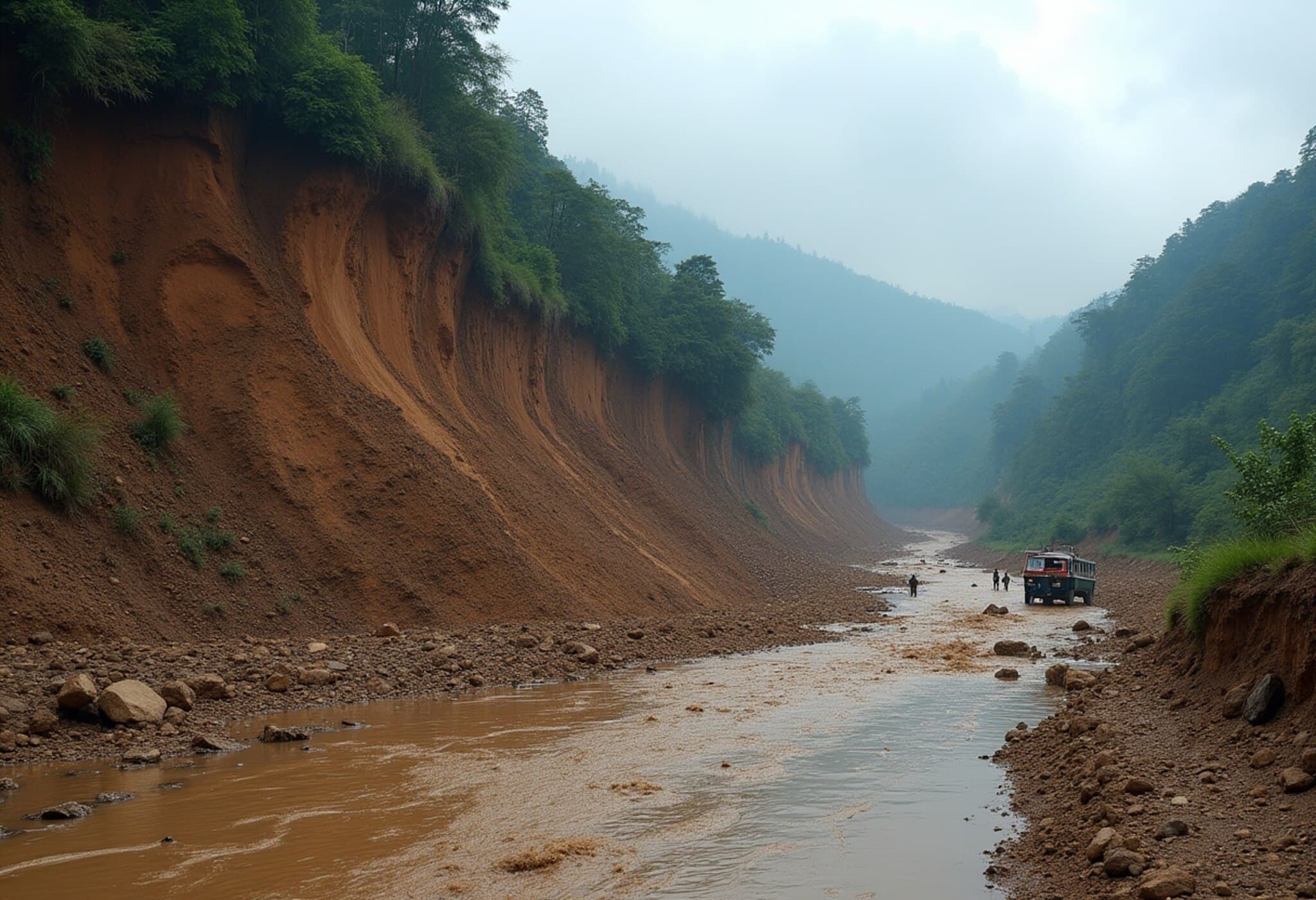
Despite its critical role, Churchill’s infrastructure has languished under decades of neglect, punctuated by ill-fated privatization and the harsh realities of climate change. The Port of Churchill and the Hudson Bay Railway suffered from underinvestment—leading to deteriorating facilities and interrupted rail lines, notably after severe flood damage in 2017.
Building and maintaining infrastructure in the Arctic is no small feat. Engineers like Pooneh Maghoul compare it to building "on the moon," given the isolation, fragile permafrost ground, and extreme weather conditions. Thawing permafrost not only threatens infrastructure stability but also creates recurring maintenance challenges; sinkholes and ground shifts continually endanger the railway tracks and port facilities.
A Vision for Renewal: Port Churchill Plus
Recognizing Churchill's untapped potential, the Canadian federal government, under Prime Minister Mark Carney, has unveiled "Port Churchill Plus," an ambitious initiative aimed at modernizing the port and expanding its capabilities. Plans include constructing an all-weather road connecting Churchill to southern Canada and deploying icebreakers to extend the shipping season, which currently averages about five months.
Chris Avery, CEO of Arctic Gateway—the Indigenous and regional consortium that purchased the port and railway in 2018—believes the revitalized port could become a key hub for critical mineral exports, agricultural goods, and potash, speeding shipments to global markets. Furthermore, with increased defense budgets, Churchill could also serve as a vital naval supply and coast guard base, reinforcing Canada’s Arctic presence.
Local Perspectives: Balancing Progress and Preservation
However, the road ahead is complex. Churchill’s residents, many Indigenous, harbor mixed feelings about large-scale development. The town’s identity is tightly woven with its natural environment and tourism, particularly polar bear watching, which fuels the local economy and community spirit.
Business owners express concern that military or commercial expansions might disrupt the tourism model and alter the town’s character irreversibly. Leroy Whitmore, who operates polar bear tours and uncovers deep ancestral ties to Indigenous communities impacted by past government policies, encapsulates this dilemma: "I want a road, but I don't want anyone else to use it."
This ambivalence reflects broader tensions in northern development: ensuring Indigenous voices are central to decision-making, respecting cultural heritage, and balancing economic growth with environmental stewardship.
Historic Roots and Colonial Legacies
Churchill’s significance extends beyond its current strategic purpose. Initially developed as a Cold War military outpost and export hub designed to reduce reliance on U.S. ports, its infrastructure served both civilian and military ends. The Hudson Bay Railway, constructed over a century ago, traverses challenging landscapes of boreal forests and permafrost—each section a testament to ambitious nation-building.
Colonial policies also shaped Churchill’s demographics. Indigenous families, particularly Cree and Inuit, were encouraged or forced to settle in areas like the flood-prone enclave known as the Flats, often living under precarious conditions without basic utilities. Today, their descendants remain critical stakeholders in the region’s future.
Looking Forward: A Strategic Arctic Future Rooted in Local Empowerment
Canada’s ambition to strengthen Arctic sovereignty through infrastructure investments like Port Churchill Plus is a double-edged sword. While offering opportunities for economic revitalization and geopolitical presence, it demands careful navigation of environmental risks, cultural sensitivities, and Indigenous rights.
Mayor Mike Spence and the Arctic Gateway Group model a hopeful path forward, emphasizing regional ownership as essential for meaningful influence over Churchill’s trajectory. This contrasts sharply with past models dominated by distant, profit-driven corporations.
As climate change reshapes the Arctic, making waterways more accessible yet threatening the very ground beneath, Churchill stands at a crossroads. Can it evolve into Canada’s Arctic gateway without sacrificing its unique character, community, and environment? The answer may set a precedent for northern development worldwide.
Editor’s Note
The story of Churchill is emblematic of the broader challenges facing Arctic communities in the 21st century. It brings to light the intersection of global geopolitics, climate crisis, historical injustices, and local agency. As Canada positions itself in the new Arctic race, the voices and rights of Indigenous peoples, the fragile ecosystem, and equitable economic development must guide policymaking.
Readers are invited to consider: How should Canada balance national security and economic opportunity with the protection of northern communities and environments? What role does Indigenous stewardship play in creating sustainable Arctic futures? Churchill offers a lens through which we might explore these pressing questions.