Churchill, Manitoba: At the Crossroads of Arctic Renewal and Wildlife Majesty
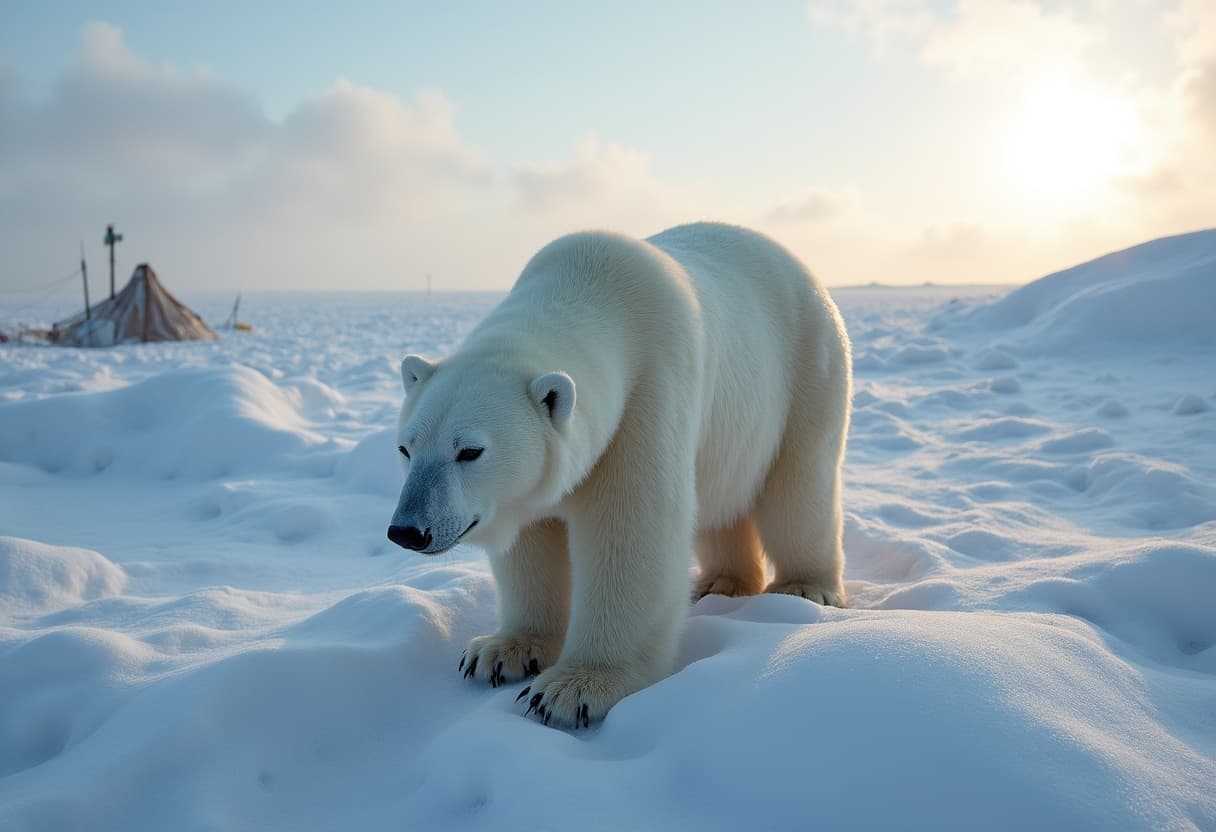
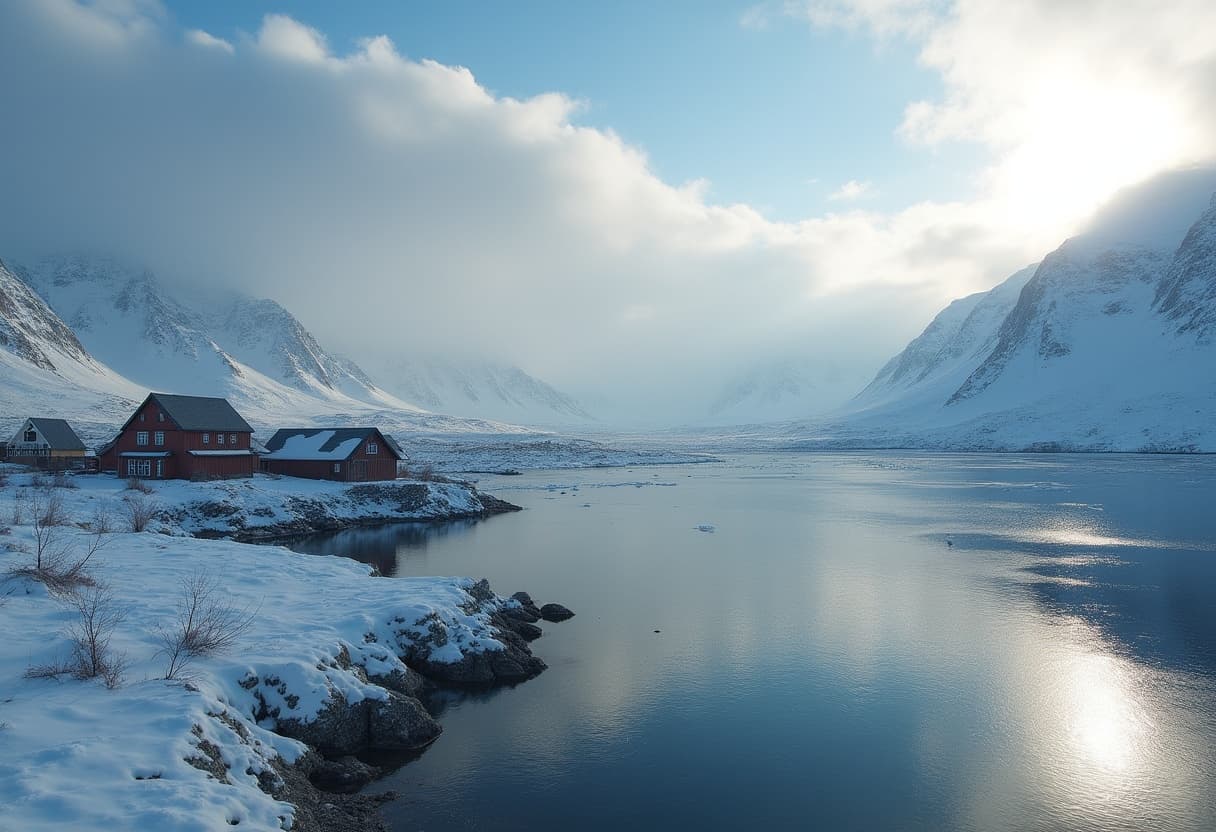
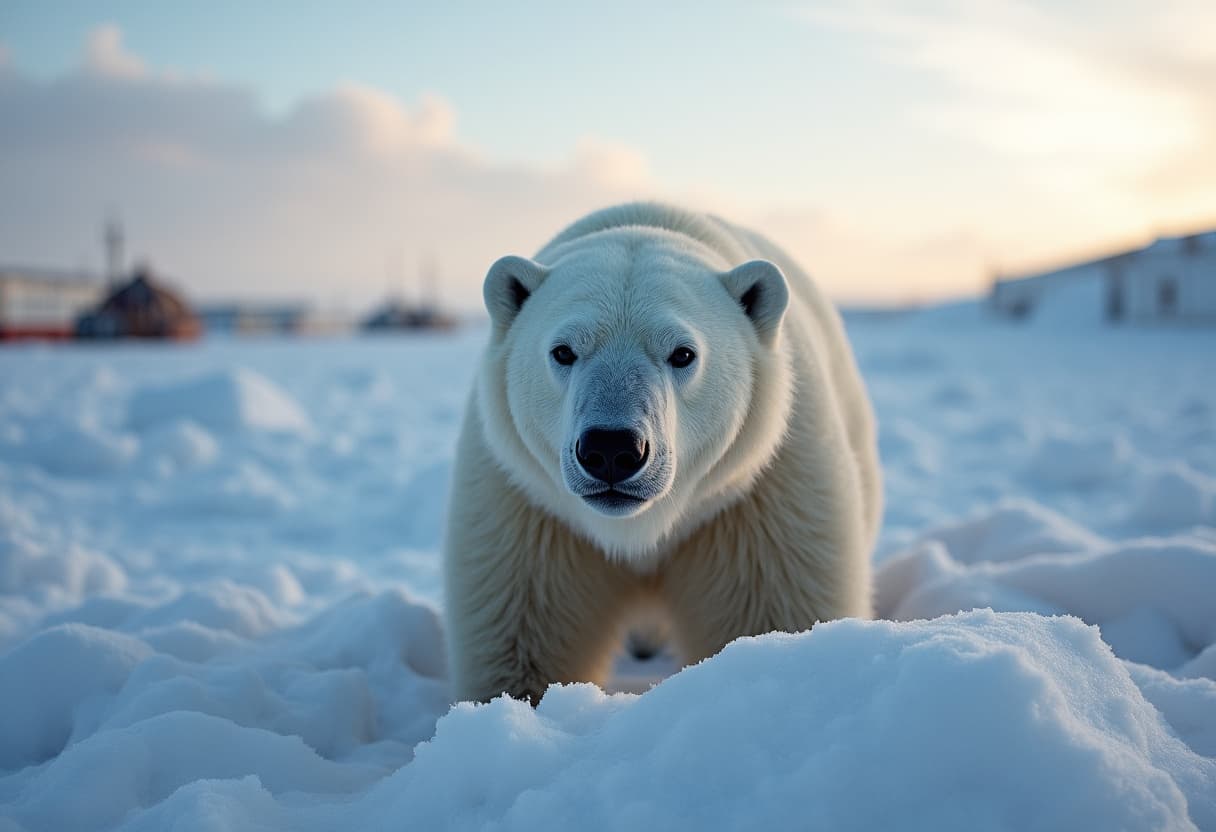
Standing just outside the iconic town of Churchill, Manitoba, often called the Polar Bear Capital of the World, a quiet but potent story of resilience and renewal unfolds. Here, amidst the stark Arctic tundra, a mother polar bear and her two cubs roam—captured on film by a drone that nearly faltered just meters from safety. This scene, both tender and fraught, offers a glimpse into the broader struggle enveloping this northern outpost: how to rebuild a community while honoring the power and presence of nature.
The Drone, the Bears, and the Struggle for Balance
Our photographer’s drone, faithful until the last moments, lost power near Churchill’s town dump—a favored haunt for polar bears seeking sustenance. The delicate dance between technology and wilderness encapsulates a deeper Canadian narrative: the tension between human ambitions in the Arctic and the formidable, unpredictable wildlife that calls it home.
Local guides warned us against crossing the gate to retrieve the drone on foot. Churchill’s reputation isn’t just for polar bears’ majesty but also for their danger. The bears are known to lurk behind large rocks, striking without warning. This caution underlines a critical reality in northern communities where humans coexist daily with potentially lethal wildlife.
From Post-Cold War Decline to a New Arctic Renaissance
Churchill’s past was shaped dramatically by the Cold War, boasting a robust military presence shared by Canada and the U.S. This helped sustain the town’s vibrancy. However, following the Cold War’s conclusion, much of this infrastructure gradually decayed. The once-bustling rail link connecting Churchill to southern Canada weathered neglect, and by 2012, grain exports—particularly wheat and barley—ceased when deregulation pushed exporters to alternative routes.
These shifts sparked an exodus of residents, threatening the town’s survival. Today, efforts are underway to turn the tide and restore Churchill as a linchpin of Canada’s Arctic sovereignty. The revival centers on restoring the port and railway, vital arteries for sustainable economic and strategic Arctic engagement.
Strategic Imperatives for Canada’s Arctic Sovereignty
Churchill’s revival is more than a local economic issue—it is a key front in the geopolitical chess game playing out in the rapidly changing Arctic. As melting ice opens new shipping lanes and access to natural resources, global powers are increasingly eyeing the region. For Canada, maintaining and asserting sovereignty through towns like Churchill is critical.
- Economic revival: Renovating Churchill’s port aims to transform it back into a functional grain export hub, connecting Canada’s agricultural heartland to international markets via the Atlantic and Arctic sea routes.
- Environmental stewardship: Any development must reconcile growth with protecting the fragile Arctic ecosystem and its iconic wildlife, especially threatened species like polar bears.
- Geopolitical stability: By investing in infrastructure and local communities, Canada signals its commitment to Arctic governance amidst increasing international competition.
Voices from Churchill: Between Hope and Challenge
Residents and officials alike express cautious optimism. There’s pride in local heritage, but also a sobering awareness of the challenges posed by climate change, economic uncertainty, and the delicate balance with wildlife.
Experts underscore that revitalizing towns like Churchill requires sustained investment, community engagement, and adaptive policies that prioritize both development and conservation.
Underreported Questions
While global media often focus on the dramatic geopolitical angles or wildlife spectacle, the lived reality of Churchill’s residents remains less visible. How will revitalization impact Indigenous communities? What social services and infrastructure support does the town need? How can Canada foster economic diversity beyond resource and grain exports?
Editor’s Note
Churchill stands at a poignant intersection—where climate change, geopolitics, indigenous presence, and the wilderness converge. Its story is emblematic of broader Arctic dynamics that will shape global politics and ecology in the coming decades. As Canada invests in restoring this northern gem, critical questions about sustainability, sovereignty, and community resilience must remain at the forefront. For readers, Churchill isn’t just about polar bears or ports—it’s a microcosm of how humanity navigates its future in fragile frontiers.