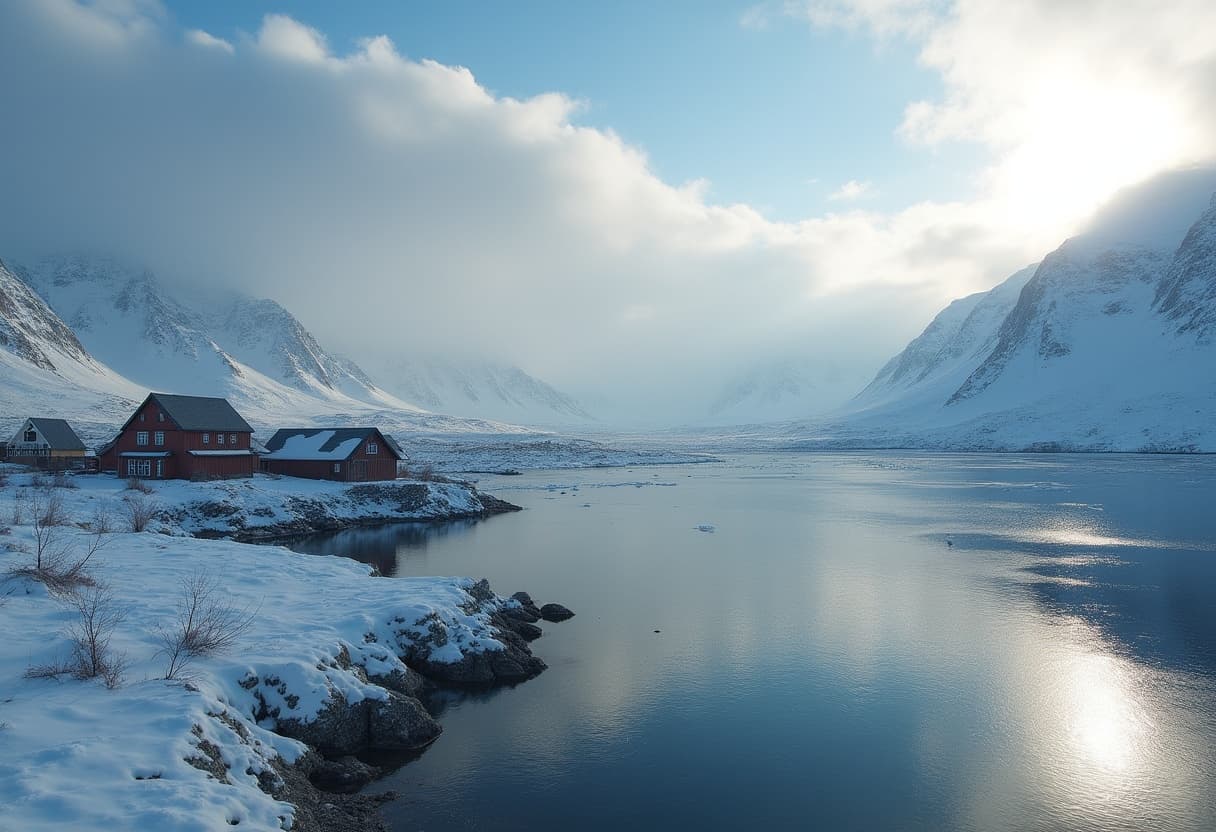
In the Rapidly Changing Arctic, the Northwest Passage Once More Claims Center Stage
For centuries, the elusive Northwest Passage was the subject of dreams and despair, attracting explorers attempting to find a shorter maritime route between Europe and Asia. The tragic fate of 19th-century expeditions, most famously Sir John Franklin’s doomed quest, has become part of Arctic lore. Fast forward to 2025, melting sea ice has transformed this mythical passage into a navigable waterway during summer months, suddenly elevating its geopolitical, environmental, and economic importance.
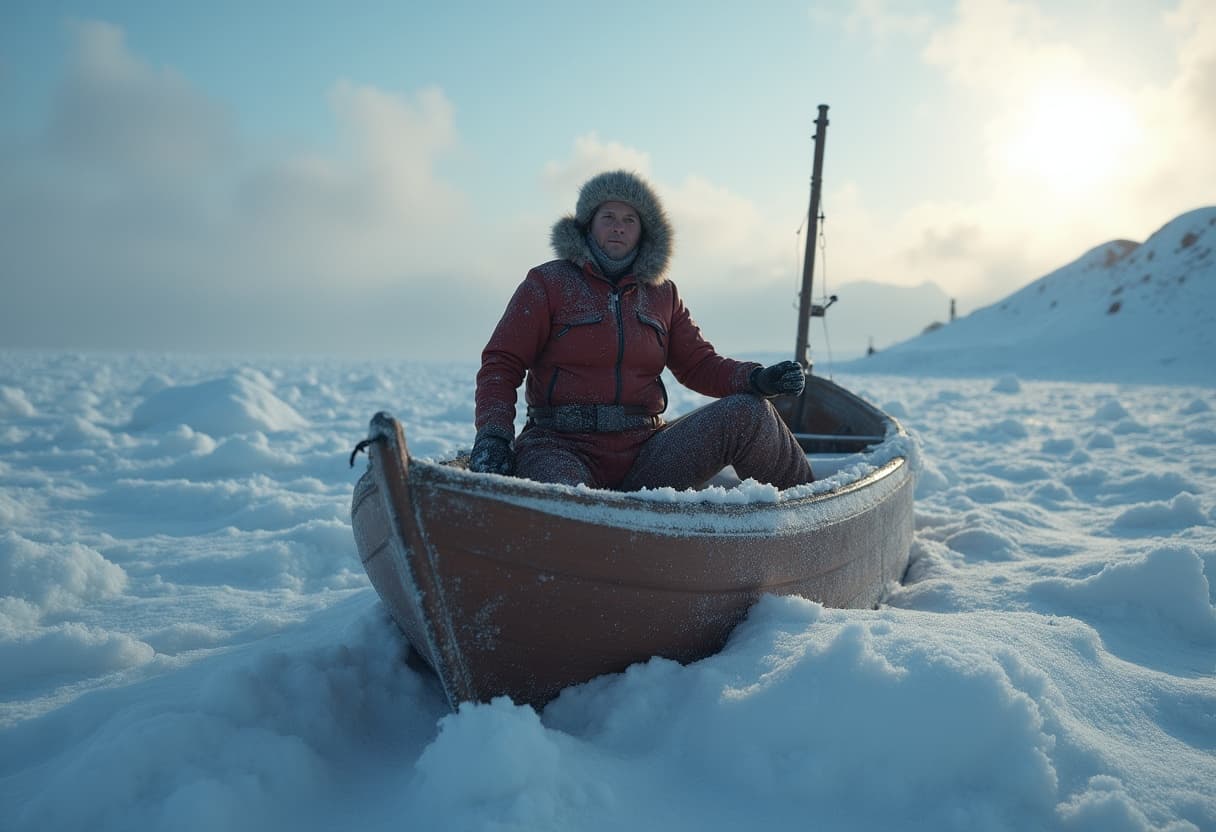
At the heart of this heated debate lies Gjoa Haven, a small Inuit hamlet tucked away on King William Island in Canada’s Arctic Archipelago. The community’s history intertwines deeply with exploration and continues to be pivotal in defining Canada’s sovereignty claims over a route now bustling with large cruise ships and scientific vessels.
Inuit Communities: Guardians of Arctic Heritage and Sovereignty
“The Northwest Passage goes through our communities, our land,” states Raymond Quqshuun, mayor of Gjoa Haven. This statement underscores the profound connection between the Indigenous peoples and the Arctic environment — a relationship based on generations of traditional knowledge, subsistence, and stewardship. Inuit voices are increasingly central to Canada’s Arctic policy, notably in bolstering its contested claims to the passage.
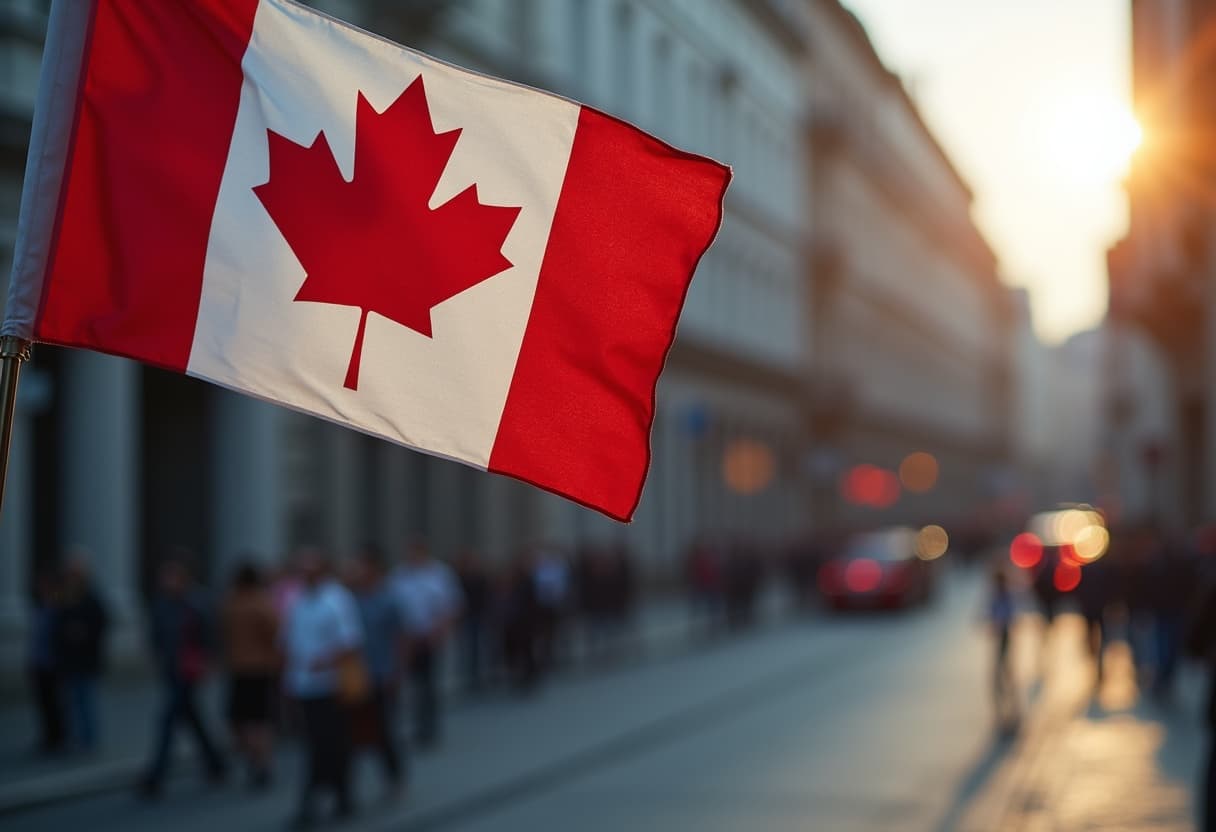
Canada bases its sovereignty on the passage being an internal waterway within its territory, particularly through the Nunavut region, home to dozens of Inuit hamlets. This contrasts sharply with the position of the United States and several other nations, who regard the Northwest Passage as an international strait open to free navigation under international law. This disagreement is far from academic; it affects national security, shipping regulations, and environmental protections.
Geopolitical Stakes in a Changing Arctic
The melting Arctic is one of the most visible and dramatic consequences of global warming. As sea ice recedes, previously inaccessible resources like oil, gas, and minerals become reachable, and new shipping lanes promise faster trade routes. These developments have turned the Arctic into a hotspot of superpower rivalry. For the first time since the Cold War, the region is witnessing intense military and strategic competition.
Russia has boosted military infrastructure throughout the Arctic, reinforcing its dominance on key islands and waterways. Meanwhile, China, despite not being an Arctic nation, declares itself a “near-Arctic state” and expands its presence with scientific missions and investments in shipping and resource extraction. The U.S. Navy continues to assert freedom of navigation through disputed waters, signaling its refusal to recognize exclusive claims.
Legal and Environmental Questions Loom Large
This geopolitical chess game raises pressing legal questions under the United Nations Convention on the Law of the Sea (UNCLOS). While Canada ratified UNCLOS, the U.S. has not, complicating negotiations. The debate revolves around navigation rights, environmental stewardship, and the rights of Indigenous peoples.
- Who governs the Northwest Passage? Canada asserts territorial sovereignty; others demand international status.
- How to protect fragile Arctic ecosystems? Increased traffic poses risks of accidents and pollution.
- What role should Inuit communities play? Their traditional knowledge and land claims are critical to any sustainable policy.
The Human Dimension: Inuit Resilience and Opportunity
Inuit communities like Gjoa Haven face a paradox: the changes warming the Arctic threaten their traditional lifestyles, from hunting to travel, yet also create opportunities for economic development through tourism and resource partnerships. Their role in shaping both national and international policy on Arctic governance cannot be overstated.
Experts emphasize that without meaningful inclusion of Inuit voices, Arctic governance risks perpetuating a colonial legacy and missing vital local knowledge about the environment.
Looking Ahead: Navigating an Uncertain Future
The Northwest Passage today encapsulates the complex intersection of climate change, Indigenous rights, geopolitical rivalry, and economic ambition. How Canada negotiates its claims and includes Inuit communities will set an important precedent for Arctic governance and indigenous sovereignty worldwide.
As policy-makers grapple with these challenges, the broader international community watches, aware that the Arctic is no longer a frozen backwater but a frontline of 21st-century diplomacy and environmental urgency.
Editor’s Note
The story of the Northwest Passage is much more than a territorial dispute; it is a tale of survival, environmental stewardship, and the need for new frameworks that respect Indigenous sovereignty while balancing global interests. Readers are encouraged to consider how climate change reshapes not just geography but the very notion of governance and coexistence in fragile landscapes. What lessons can be drawn from the Inuit experience about resilience and adaptation, and how might these inform international policies in a warming world?