The Tragic Tale of Franklin’s Expedition: A Lesson in Cultural Blindness
In the annals of Arctic exploration, the ill-fated Franklin expedition has endured as the epitome of tragedy spurred by colonial hubris. In 1845, Sir John Franklin, a British Royal Navy officer, led 128 men aboard two large ships crammed with supplies, livestock, and even pets, to conquer the Northwest Passage. Their quest was driven by imperial ambitions, yet it was marked by a glaring refusal to engage with the region’s only indigenous inhabitants—the Inuit.
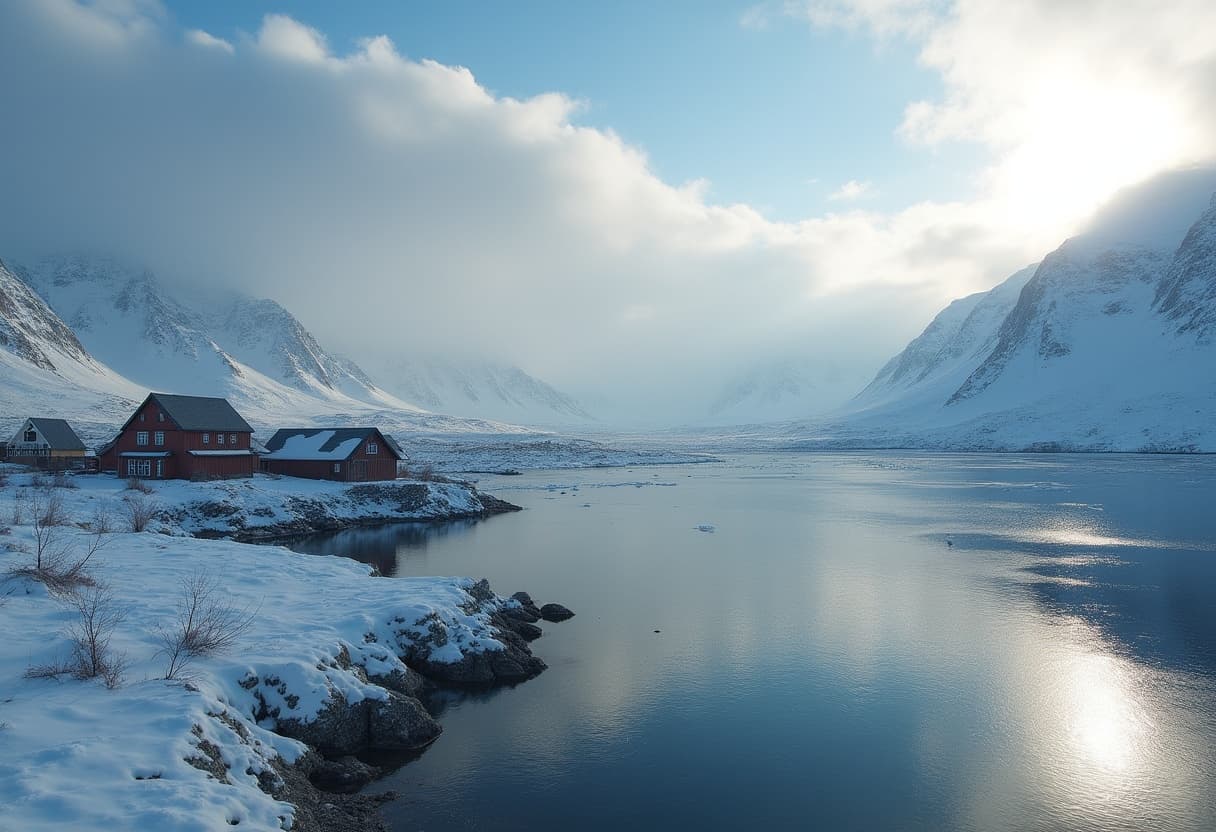
Franklin’s expedition ended in catastrophe; trapped in relentless ice near King William Island, all crew members perished. This island, located in Canada’s Arctic Archipelago, houses Gjoa Haven, an Inuit community that remains a vital cultural and historical hub.
Roald Amundsen: An Explorer Who Embraced Local Wisdom
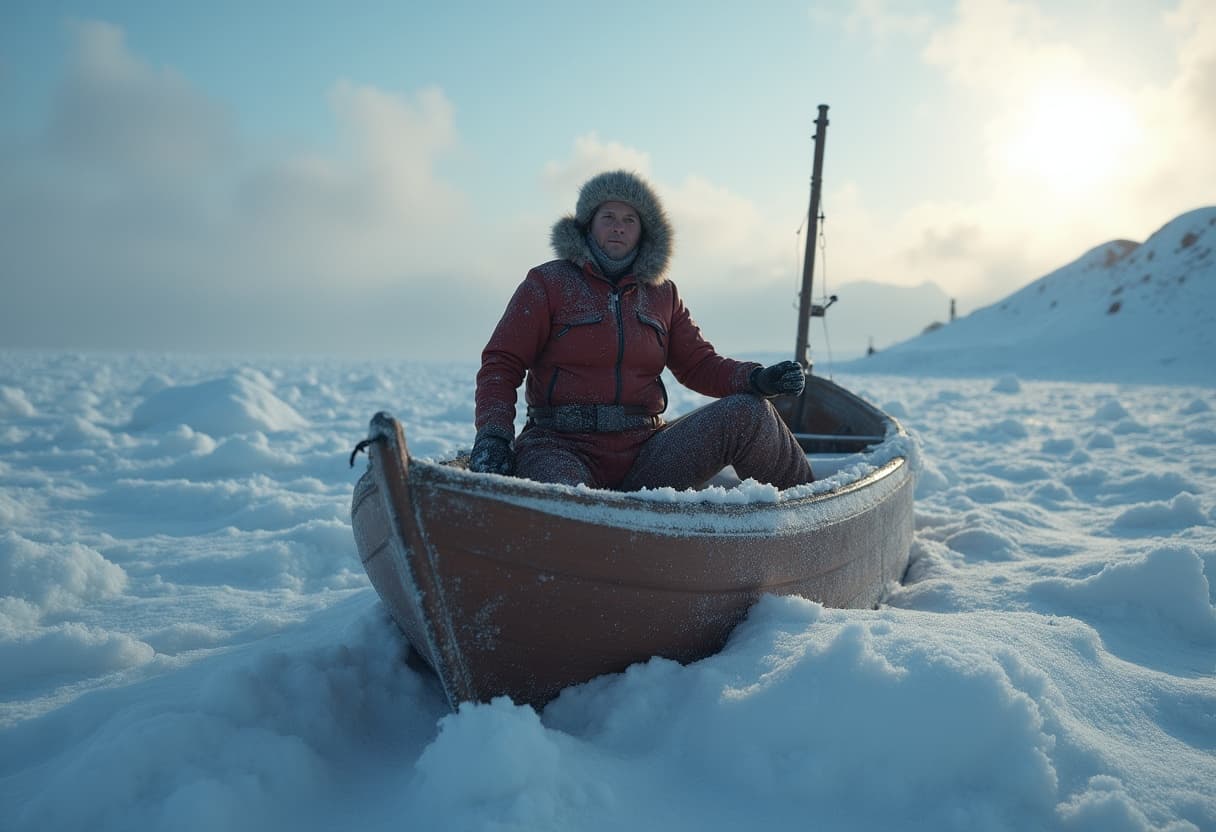
Contrasting vividly with Franklin’s fate was the pioneering Norwegian explorer Roald Amundsen. In 1906, aboard the modest vessel Gjoa with just six men, Amundsen charted the first successful navigation of the Northwest Passage. What set Amundsen apart was not just his nautical skill but his remarkable openness to Inuit knowledge—a factor crucial to his triumph in an unforgiving environment.
Amundsen spent two winters anchored in what would later become Gjoa Haven, immersing himself in Inuit culture. Unlike previous explorers, he valued learning from local customs and survival techniques. In his journal, Amundsen recounts moments filled with warmth and humor, such as when he asked Atikleura, an Inuit man, how to obtain their traditional underwear. In an instant of genuine generosity, the man stripped off his garment and gave it to Amundsen, who noted how quickly he was clothed in the still-warm Inuit underclothing.
Building Bridges: Inuit Oral History Meets Exploration
Inuit oral traditions reflect fond memories of Amundsen’s crew, who were seen not as invaders but as curious neighbors. Local residents today proudly display a bust of Amundsen in the municipal building, recalling how their ancestors first discovered the visitors through subtle traces—discarded caribou intestines, a prized Inuit delicacy, and peculiar footprints with a narrow midsection that sparked wonder among the people.
Jacob Keanik, a 65-year-old guardian of Franklin’s sunken ship sites, shares, “An Inuk and one of Amundsen’s men met openly, without weapons. This respectful encounter paved the way for survival through the harsh passage.”
Why Cultural Respect Made All the Difference
The stark divergence between Franklin’s demise and Amundsen’s success highlights a profound truth: adaptability and respect for indigenous knowledge can determine the fate of human endeavors in extreme environments. Franklin’s failure was a result of rigid adherence to British naval protocols and an arrogant dismissal of Inuit expertise. Amundsen’s victory, conversely, was built upon humility and collaboration.
This lesson is critically relevant today as Arctic regions face increasing geopolitical interest, climate change, and indigenous rights debates. Policymakers and explorers alike can glean from Amundsen’s approach the value of cultural intelligence and partnership.
Expert Insight
Dr. Emily Rasmussen, an Arctic policy analyst, notes: “Amundsen’s integration with the Inuit represents an early and powerful model for cross-cultural engagement. As the U.S. and Canada navigate Arctic sovereignty and resource management, honoring indigenous knowledge remains paramount for sustainable stewardship.”
Conclusion: Remembering Amundsen’s Legacy in Gjoa Haven
Gjoa Haven stands today not only as a geographic waypoint but as a testament to successful intercultural exchange. The community’s ongoing storytelling preserves the human dimension of exploration, reminding us that respect and curiosity, more than sheer force, pave the way through uncharted frontiers.