The Lingering Mystery of Haiti’s Assassination Case
More than four years after the tragic assassination of Jovenel Moïse, Haiti’s last democratically elected president, justice remains frustratingly out of reach. Despite dozens of suspects implicated—from Colombian mercenaries to former Haitian officials—the trials surrounding his murder continue to stall, hampered by systemic challenges and unanswered questions.
A Complex Web of Accused Individuals
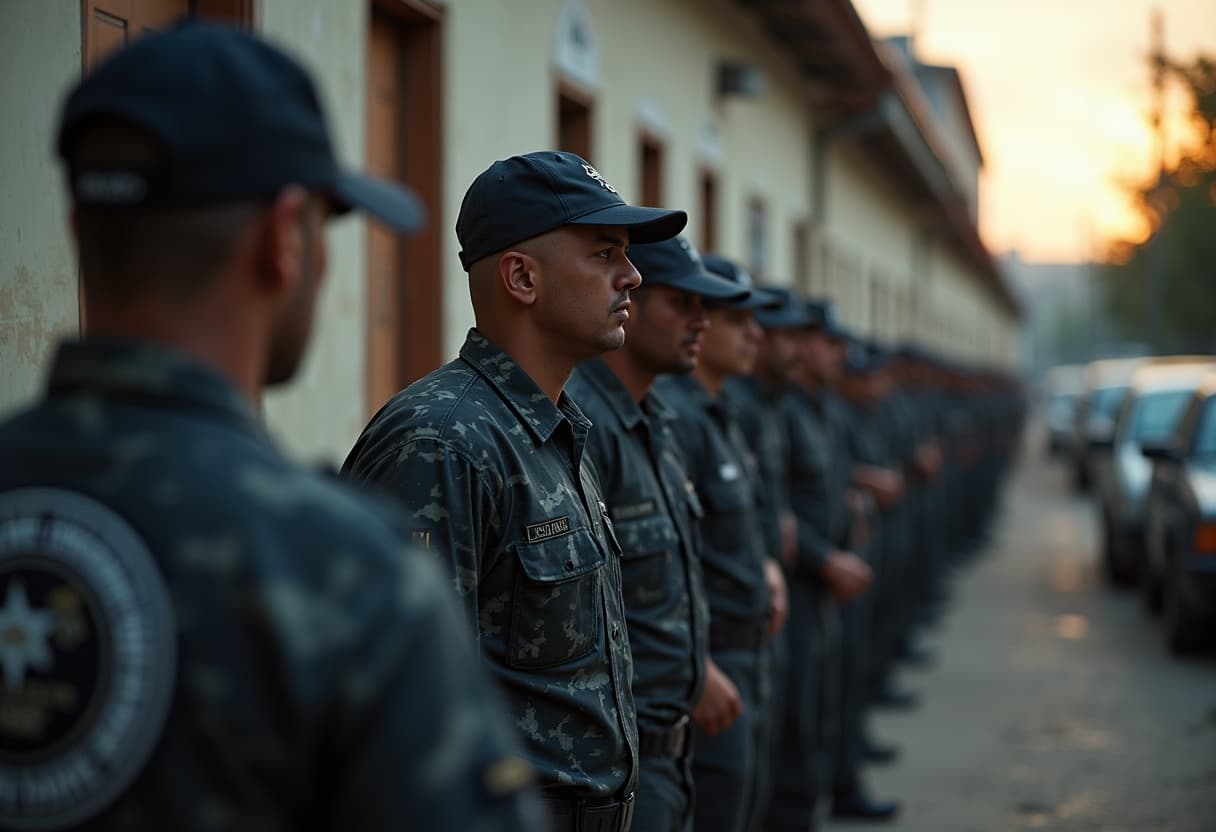
The assassination on July 7, 2021, shook Haiti and the international community alike. It involved an improbable cast: dozens of suspects including Colombian commandos hired ostensibly as security personnel, a former Haitian police chief, private security contractors based in South Florida, and even allegations touching the country’s political elite.
While six individuals have been convicted on charges related directly to the assassination, more than 50 await trial in Haiti, alongside five others facing proceedings in Miami. This split jurisdiction underscores the international dimensions of the case, yet also complicates legal coordination.
Delays Rooted in Chaos and Conflict
The delays are not merely procedural but symptomatic of Haiti’s broader turmoil. The nation grapples daily with rampant violence, gang control of territory, and a fragile judicial system. These factors have severely hindered investigators’ ability to interview witnesses safely and maintain the integrity of evidence.
In Miami, legal teams have sparred over classified evidence and witness protection, while in Port-au-Prince, Haiti’s capital, an appeals court recently ruled that the investigation so far was mishandled—prompting a call to reopen the case. This judicial rebuke highlights deep concerns about investigative standards and prosecutorial efficacy.
The Unsolved Puzzle: Who Orchestrated the Killing?
Beyond procedural hurdles lies a more profound question that haunts this entire affair: Who truly masterminded the assassination? The plot’s level of organization points to high-level involvement, yet no definitive answer has been legally established.
This absence of clarity fuels conspiracy theories, political unrest, and skepticism towards the justice process in a nation desperate for stability and transparency.
Expert Insight: Why This Case Matters Globally
The assassination and its protracted legal aftermath cast a long shadow over Haiti’s democratic institutions and have implications for the broader Caribbean and international investors. Political analysts warn that unresolved political violence undermines foreign aid effectiveness and discourages economic engagement critical to Haiti’s recovery.
From a legal perspective, the case exemplifies challenges in transnational justice where suspects, evidence, and political stakes cross borders. It spotlights the pressing need for stronger international cooperation mechanisms, witness protection frameworks, and judicial reforms—both in Haiti and abroad.
Key Takeaways
- Jovenel Moïse was assassinated over four years ago, yet justice remains elusive.
- More than 60 accused persons are tied to the case, including foreign nationals and political figures.
- The court system is stalled by poorly conducted investigations and difficulties accessing witnesses amid security concerns.
- The central question of who orchestrated the murder remains unanswered, fueling political instability.
Editor’s Note
As Haiti navigates the turbulent aftermath of President Moïse’s assassination, the drawn-out legal proceedings reflect deeper structural challenges—from institutional fragility to rampant insecurity. This case is not just about one crime; it speaks to the urgent need for judicial reform, political accountability, and international support to restore trust in democracy. Observers should watch how global and regional actors respond, especially as unresolved justice risks further destabilizing Haiti’s fragile sociopolitical landscape.