Trump’s High-Stakes Intervention in Honduras’ Tight Presidential Race
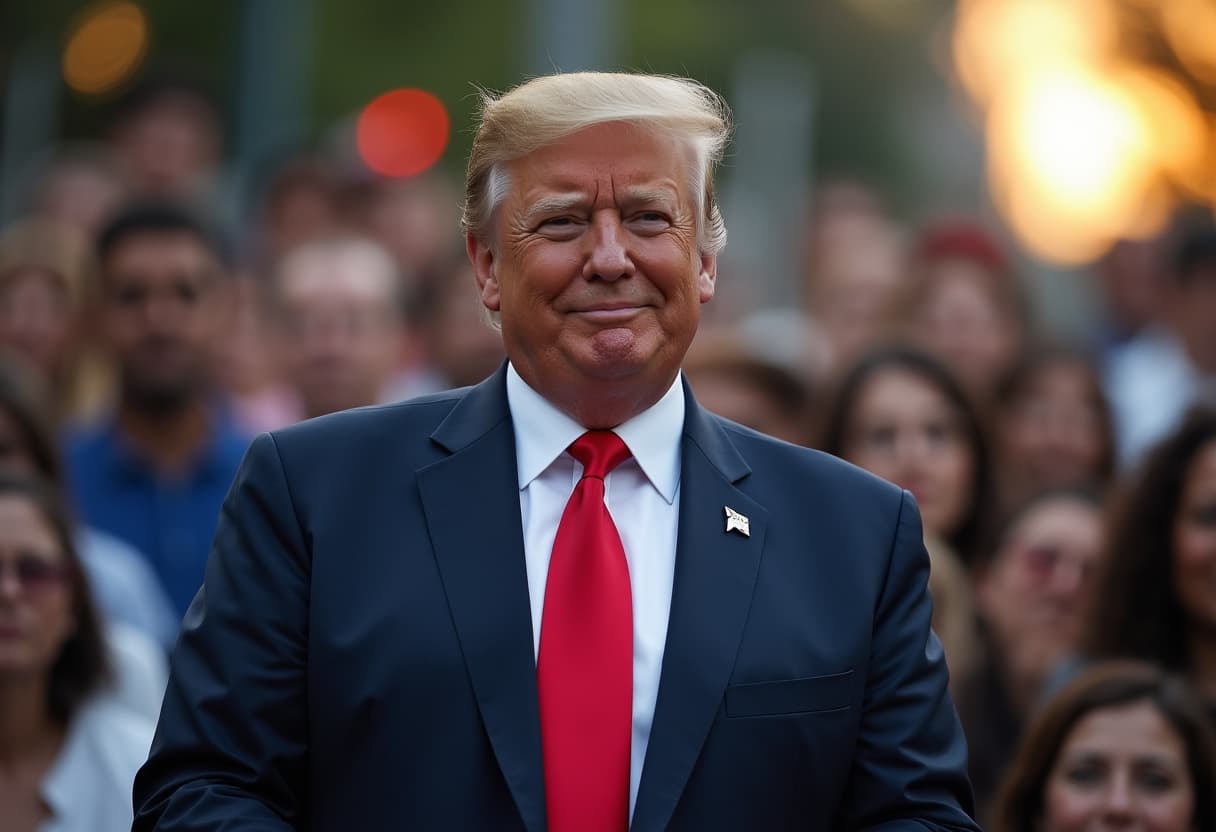
As the 2025 presidential election in Honduras unfolds with razor-thin margins, former U.S. President Donald Trump has emerged as an unexpected yet pivotal player, injecting new uncertainty into a deeply polarized political contest. With partial results showing a near tie between right-wing candidates Nasry Asfura and Salvador Nasralla, the significance of Trump’s endorsement and his controversial pardon decision has sent ripples not only through Honduras but across the Americas.
Trump’s Controversial Pardon and Its Political Fallout
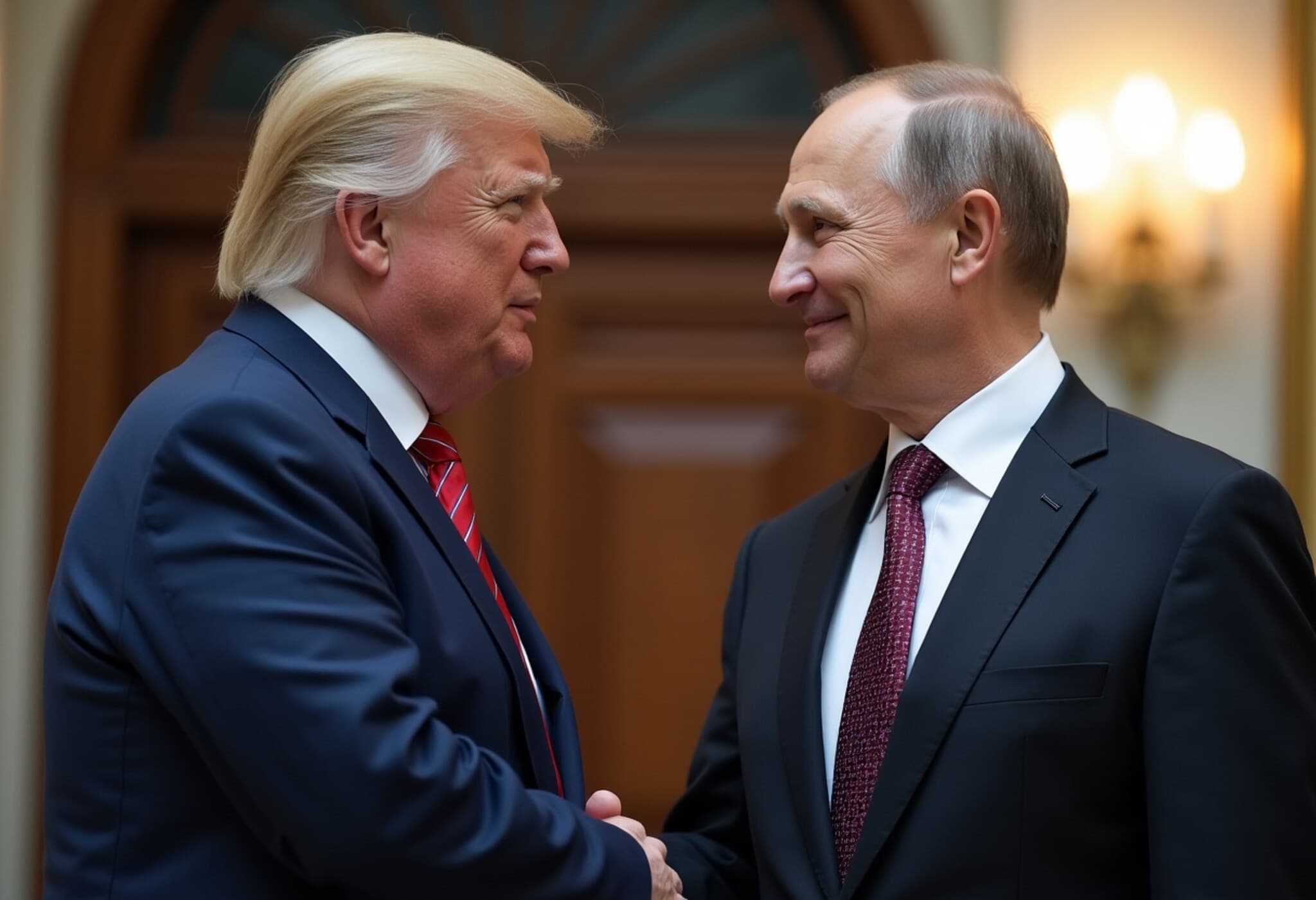
Just days before the polls opened, Trump issued a pardon for Juan Orlando Hernández, the former Honduran president charged with facilitating cocaine trafficking into the United States. Hernández, a member of the National Party, shares political ties with Trump’s preferred candidate, Nasry Asfura, a former mayor of Tegucigalpa. This pardon came alongside a stark warning from Trump that the U.S. would "not be throwing good money after bad" if Asfura failed to secure victory—a statement loaded with economic and diplomatic implications.
Experts highlight the unusual nature of this direct involvement by a former U.S. president in another nation's election, raising questions about sovereignty, foreign influence, and the broader geopolitical strategy toward Central America.
The Election Showdown: Asfura vs. Nasralla
On election day, Hondurans awoke to a nail-biting standoff. With 57 percent of votes tallied, Nasry Asfura and Salvador Nasralla both held approximately 40 percent of the vote, separated by a mere 515 ballots. Meanwhile, the leftist Libre party candidate lagged far behind, signaling a widespread desire for change among voters disillusioned with the current government.
- Nasry Asfura: Backed by Trump and the National Party, representing conservative right-wing policies with promises to increase security and revive economic ties with the U.S.
- Salvador Nasralla: A media personality turned political outsider, endorsing moderate right-wing policies emphasizing anti-corruption and transparency.
Political analyst Ricardo Zúñiga, formerly a U.S. diplomat with close ties to Honduras, noted, "Trump's endorsement appears to have swayed undecided voters, tightening an already razor-thin race."
Broader Implications for U.S.-Honduras Relations and Regional Stability
This election is more than just a local contest; it reflects the ongoing struggle for influence in Central America amid rising concerns about drug trafficking, migration, and economic instability. Trump’s unapologetic involvement highlights a blunt U.S. approach focused on security and expediency, contrasted with more nuanced diplomatic strategies.
Many Hondurans express frustration over corruption and economic hardship, making the election outcome critical to reversing trends that have spurred migration northward. The U.S. engagement, especially from a figure as polarizing as Trump, could shape bilateral relations for years to come.
Underreported Narratives and Unsettled Questions
- The long-term impact of Hernández’s pardon on U.S. anti-drug efforts and regional crime networks remains uncertain.
- The internal dynamics within the Honduran right-wing, split between traditional politicians and outsider figures, suggest potential instability post-election.
- Voter disenfranchisement and the integrity of election processes continue to provoke debate amid fears of fraud in a country with a history of contested polls.
Editor's Note
As the Honduran electoral process reaches its climax, observers must consider the delicate balancing act between foreign influence and domestic sovereignty. Trump’s direct intervention underscores the evolving nature of U.S. engagement in Latin America, raising pressing questions about the ethical and strategic frameworks guiding such involvement. For readers, this story highlights how international politics and local democratic struggles are inseparably intertwined, shaping the futures of nations beyond their borders.