Nasry Asfura Named Honduras President After Contentious Election
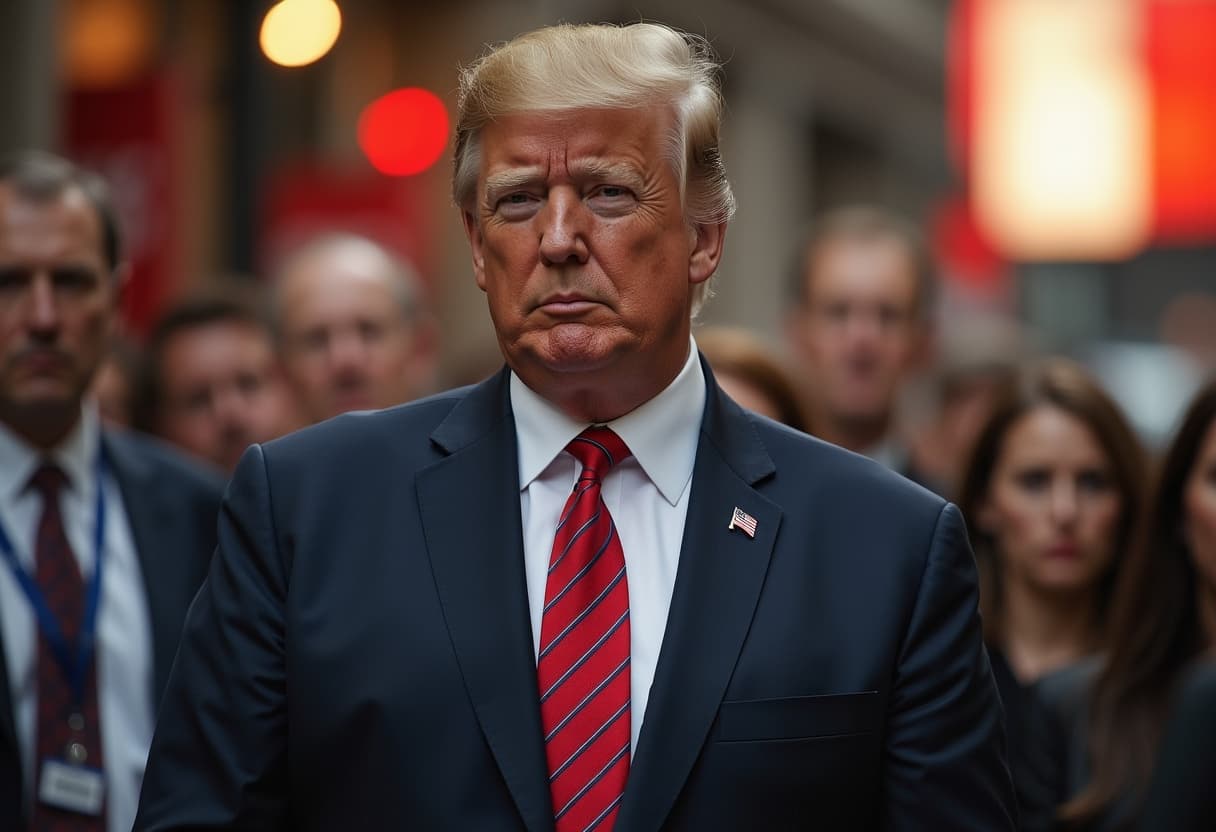
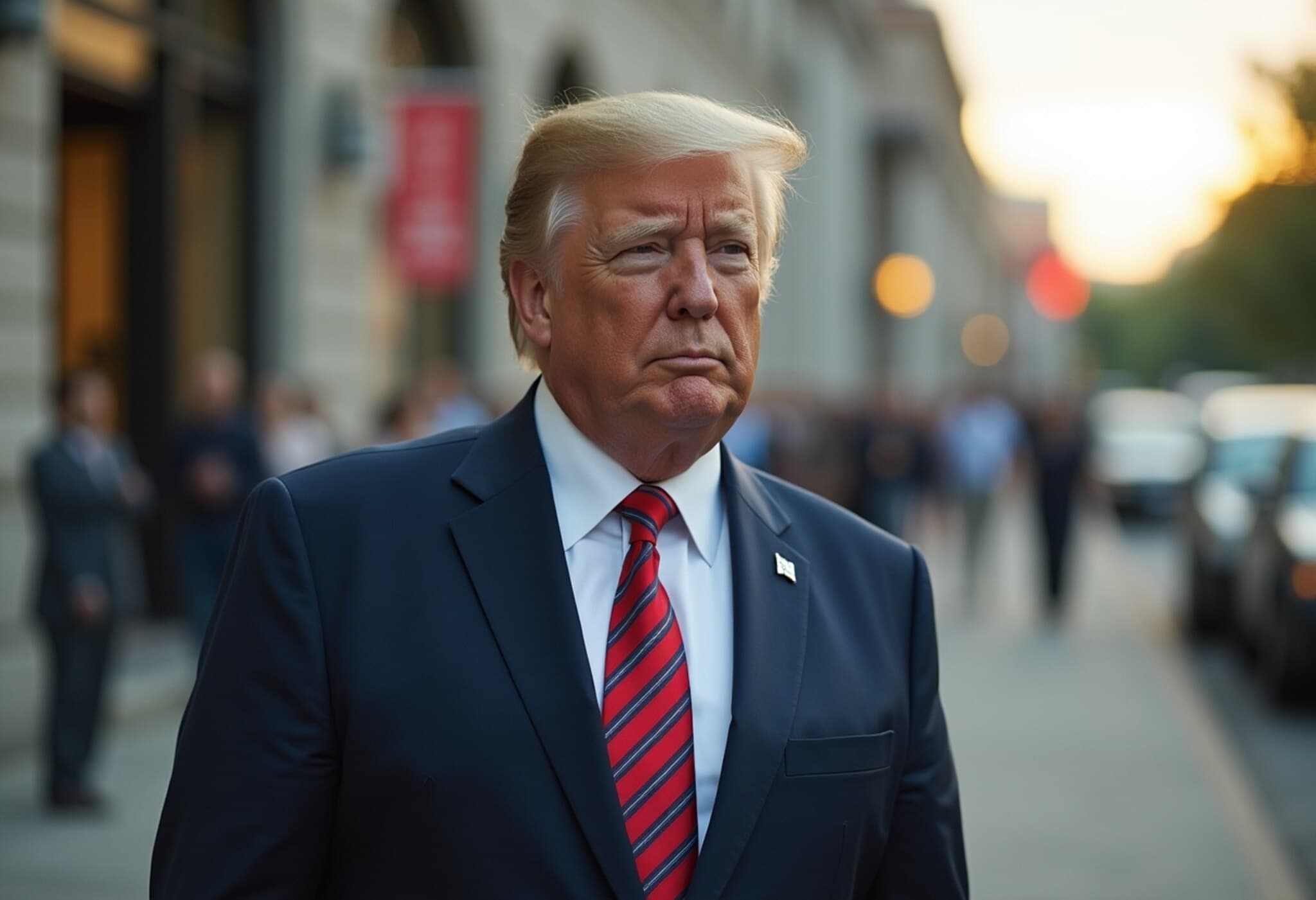
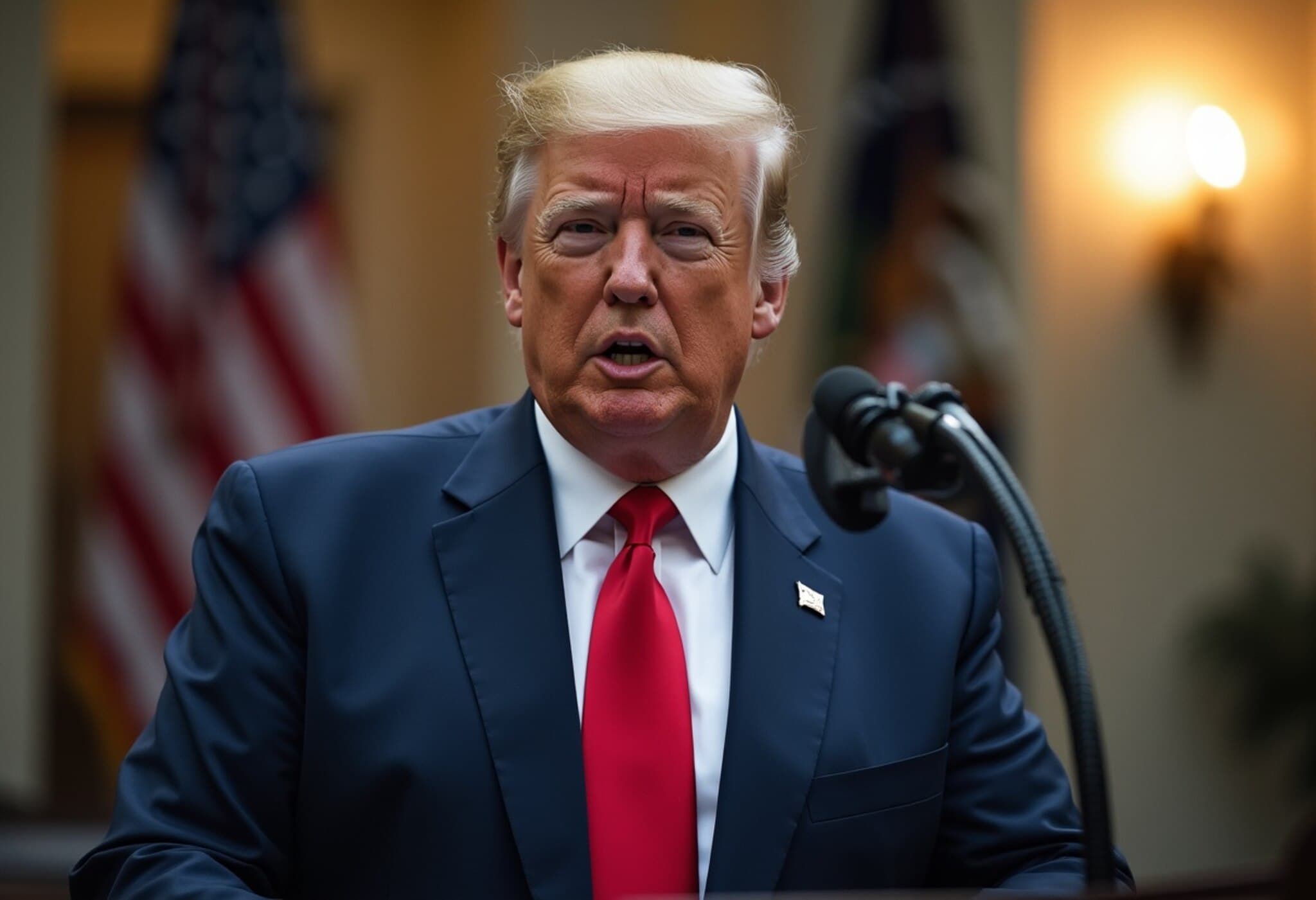
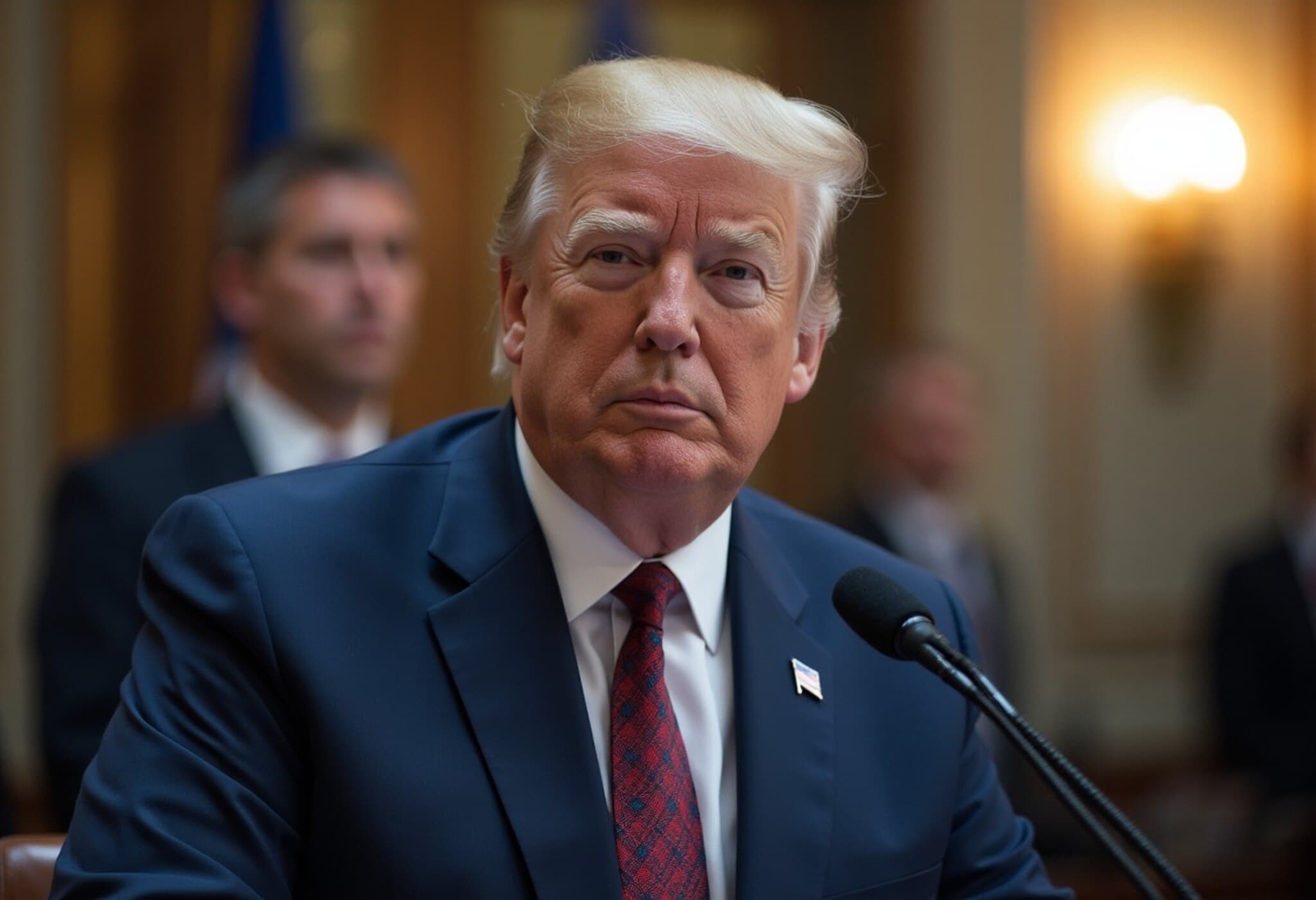
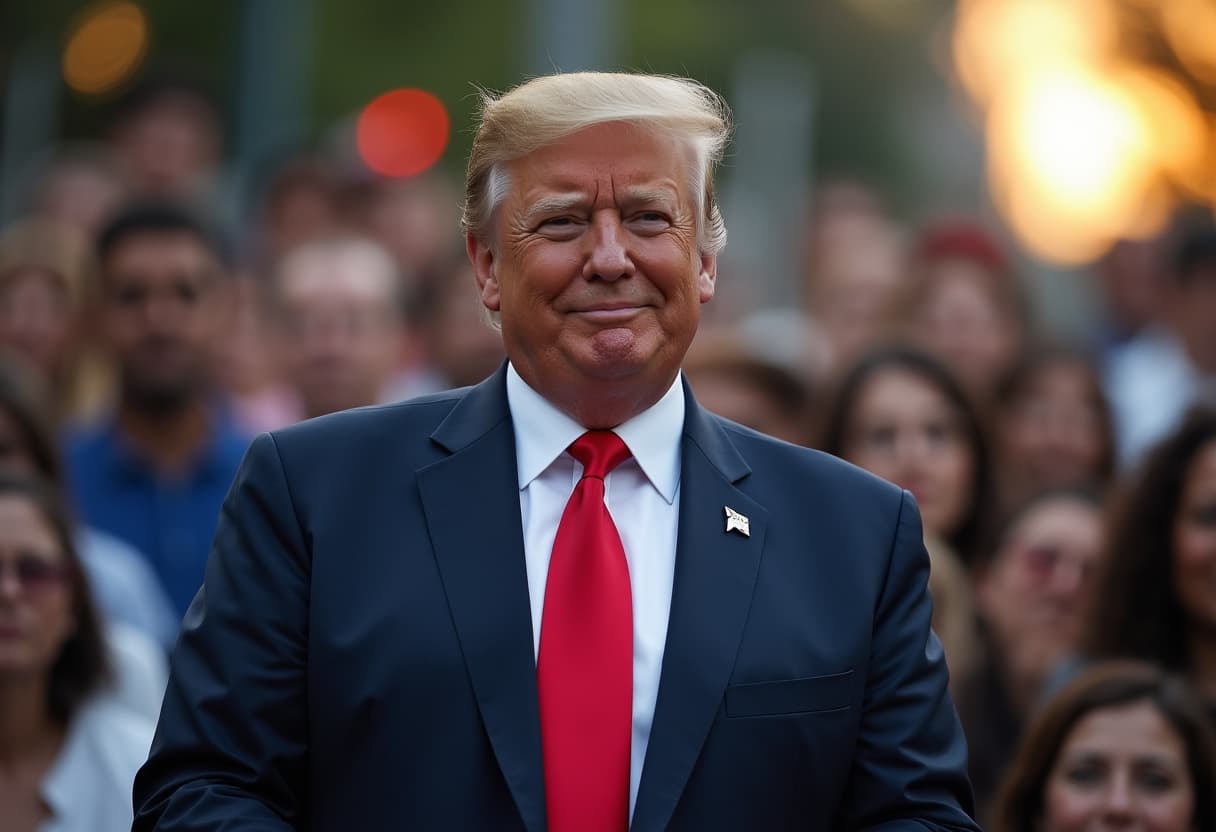
After weeks shrouded in uncertainty, technical glitches, and allegations of electoral fraud, Honduras has officially declared Nasry Asfura, a candidate endorsed by former U.S. President Donald Trump, as the winner of its presidential election. The announcement came on December 24, 2025, closing a fraught chapter for the Central American nation.
A Nail-Biting Finish Between Two Conservative Candidates
Asfura, representing Honduras’s National Party, clinched victory by an extremely slim margin in a closely contested race against Salvador Nasralla, another right-wing contender. The razor-thin gap between the two candidates intensified tensions and skepticism among voters and politicians alike, contributing to a vote-counting process that dragged on for over three weeks.
Voting Day and the Road to Results
On November 30, 2025, Asfura cast his ballot in Tegucigalpa amid hopes and anxieties that reflected the division in Honduran society. Despite challenges, an influx of international election observers descended on the country, committed to monitoring the fairness of the electoral process.
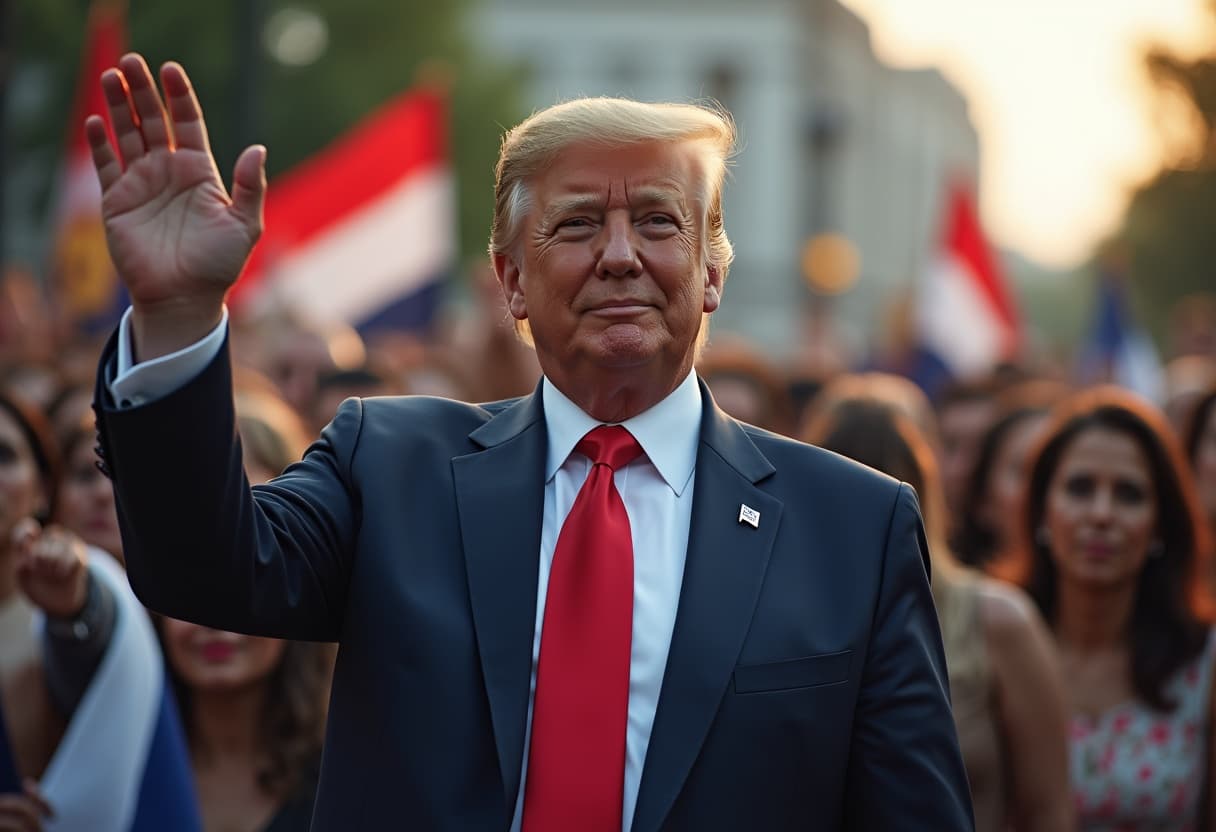
"I’m ready to govern," Asfura declared via social media shortly after the official declaration, pledging, “I won’t let you down.” His campaign headquarters buzzed with jubilant supporters chanting, "Yes, we did it!".
Disputed Ballots and Accusations: Shadows Over Democracy
While Asfura’s victory signaled continuity for Honduras’s National Party, the shadow of controversy loomed large. Technical difficulties plagued the vote tallying system, prompting painstaking revisions of disputed ballot boxes. Nasralla, for his part, had yet to concede and persistently voiced accusations of fraud, further complicating the post-election atmosphere.
These allegations highlight a recurring challenge in Honduran politics: maintaining transparent elections in a context riddled with distrust and institutional fragility. Still, prominent international observers offered a counterpoint to the fraud claims.
International Observers Paint a More Nuanced Picture
According to Héctor Corrales, director of the Honduran research institute NODO and head of the European Union’s electoral observer mission, investigations found no substantial evidence of widespread fraud. Corrales stated, “I have not found proof of widespread or large-scale fraud.” His assessment lends credibility to the official results but does not entirely quell domestic unrest or skepticism.
The Broader Context: U.S. Endorsements and Regional Impact
Asfura’s endorsement by former President Trump adds another dimension to this election’s significance, especially given the geopolitical weight of U.S.-Honduras relations. The U.S. has vested interests in Central America, particularly concerning migration policies, security collaboration, and regional stability.
This election could influence Honduras's alignment on those fronts, factoring into ongoing dialogues over aid, anti-corruption efforts, and economic development initiatives.
Moreover, the drawn-out electoral process underlines the urgent need for electoral reforms in Honduras to boost transparency and public confidence in the democratic process. Without these, the cycle of dispute and mistrust is likely to persist, with ripple effects that could undermine democratic governance in the region.
What Lies Ahead for Honduras?
- Political Stability: Asfura’s administration faces the tough task of bridging divisions and fostering unity amid lingering doubts about legitimacy.
- Electoral Reform: Calls for modernizing vote-counting technology and strengthening oversight mechanisms are gaining momentum.
- International Relations: How Asfura’s government navigates relations with key partners—especially the U.S.—will shape Honduras’s trajectory on migration and security.
Editor’s Note
This election exposes critical fault lines in Honduras’ democratic fabric—between deep partisan divides, institutional challenges, and external influences. While international observers have largely vouched for the electoral process’s integrity, nationalism and accusations have cast a long shadow that could hamper governance and social cohesion.
Future stability hinges on transparent reforms and inclusive dialogue that reassure a disenchanted population. For analysts and policymakers, Honduras serves as a case study in how fragile democracies navigate contested elections amid polarized domestic politics and powerful international interests.
As political winds shift, the world watches whether Honduras can turn this fraught election into an opportunity to strengthen its democratic institutions and socioeconomic resilience.