Honduras Faces High-Stakes Election Amidst Rising Tensions
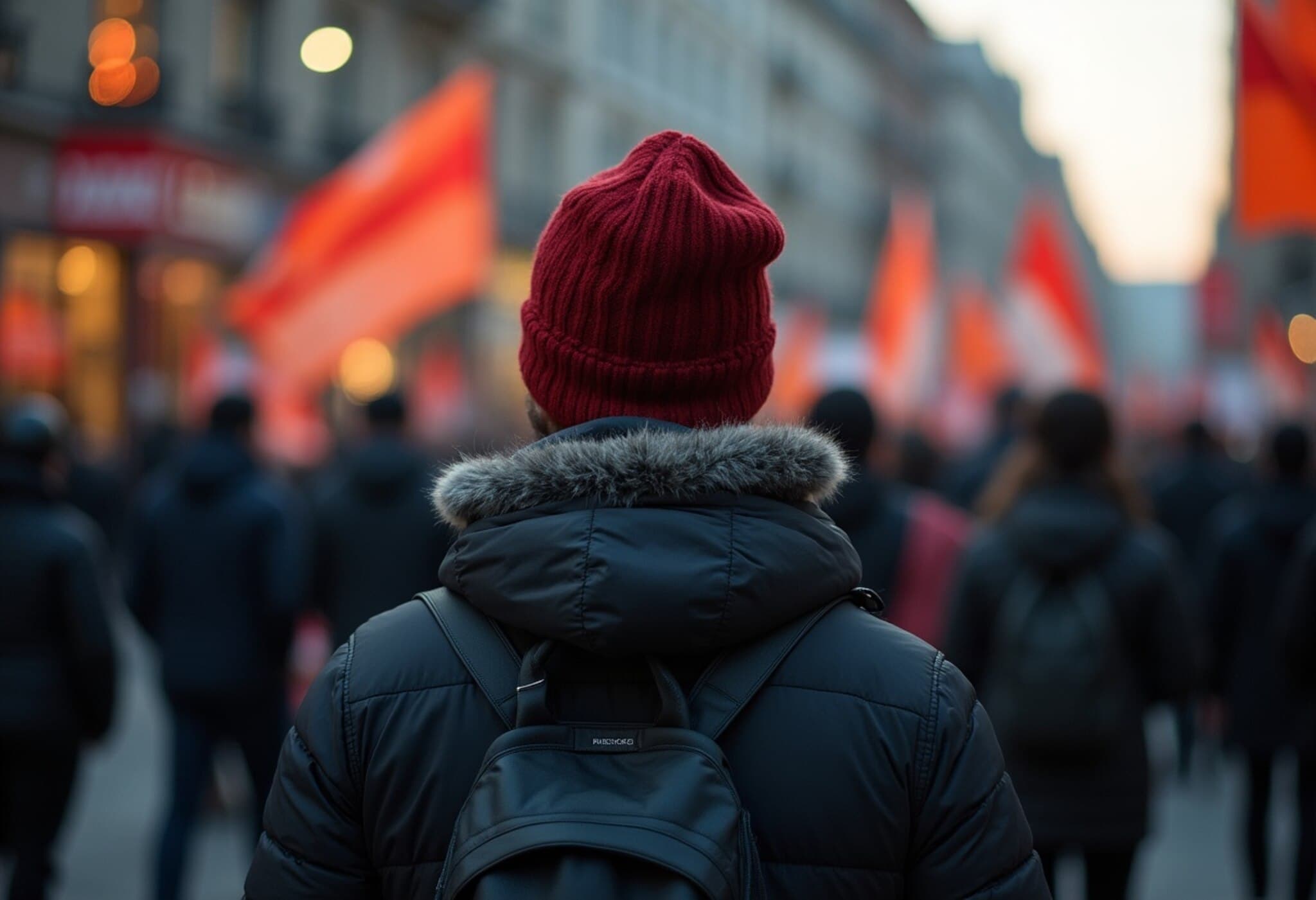
As Honduras prepares to head to the polls on Sunday, the political atmosphere is charged with anxiety and uncertainty. Voters are caught in a heated contest involving a left-wing candidate and two conservatives, one of whom has recently received a prominent endorsement from former U.S. President Donald Trump. This dynamic has further complicated an already fractious political landscape, raising concerns about post-election unrest and challenges to the legitimacy of the results.
A Divided Ballot and a Nation on Edge
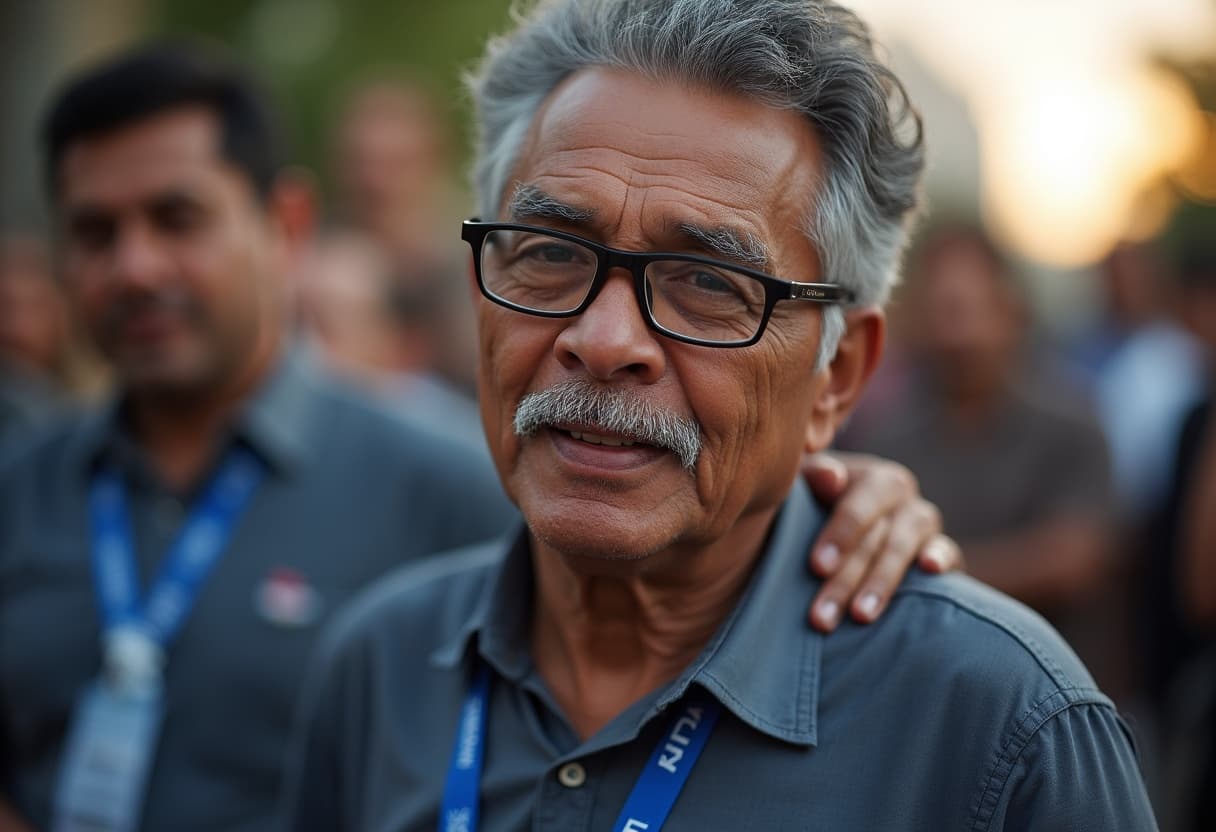
Citizens like Polo Cruz, a 53-year-old medical examiner in the capital city Tegucigalpa, express palpable fear about what election night could bring. "We are terrified," Cruz shared. Many families are preparing for potential disruptions by saving cash and bracing themselves for days or even weeks when public safety could deteriorate.
Honduras is no stranger to turmoil during elections. The 2017 vote ended with violence that claimed nearly two dozen lives. Today’s environment echoes similar unease, fueled by rampant allegations of fraud, widespread corruption, and a population weary from escalating violence and economic hardship.
The Candidates: A Showdown Across the Political Spectrum
The presidential race features three main contenders:
- A former finance minister handpicked by the current president, representing a continuation of the political establishment.
- A seasoned sportscaster running for the fourth time, embodying a populist appeal despite previous electoral shortcomings.
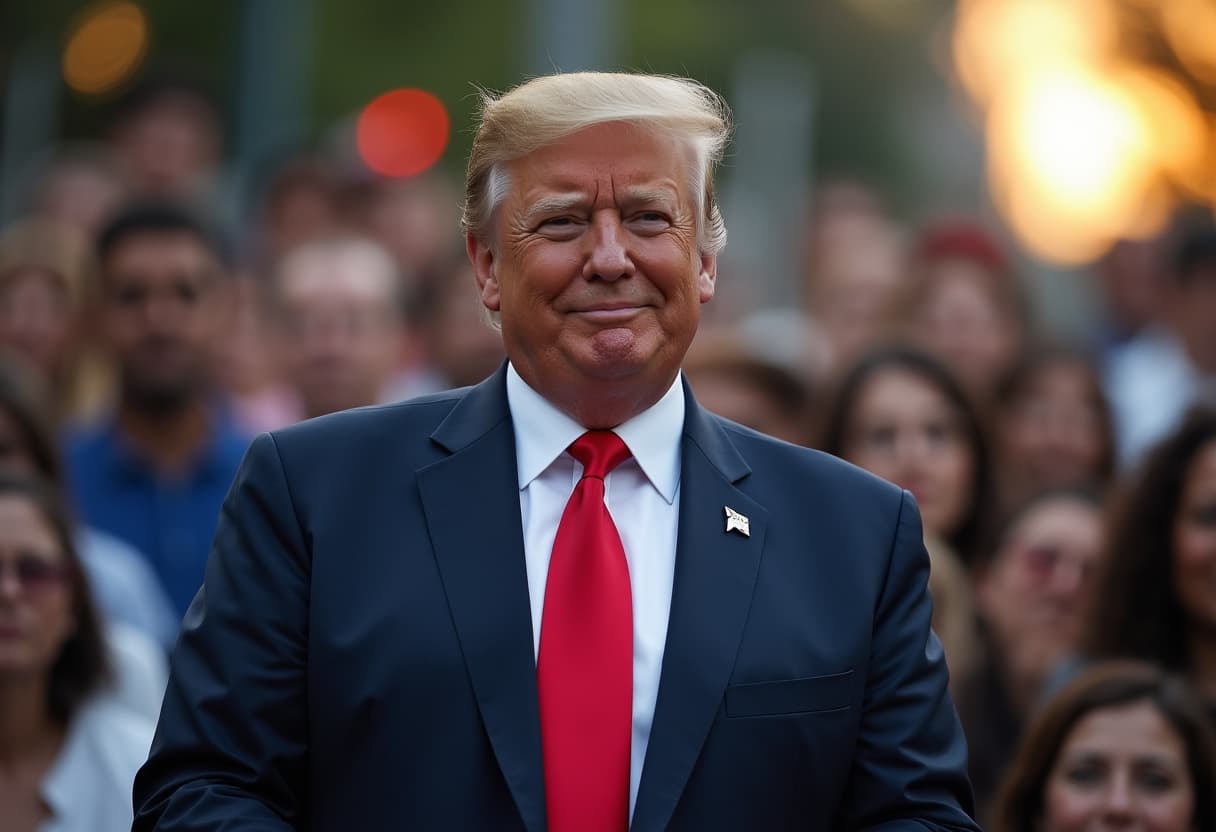
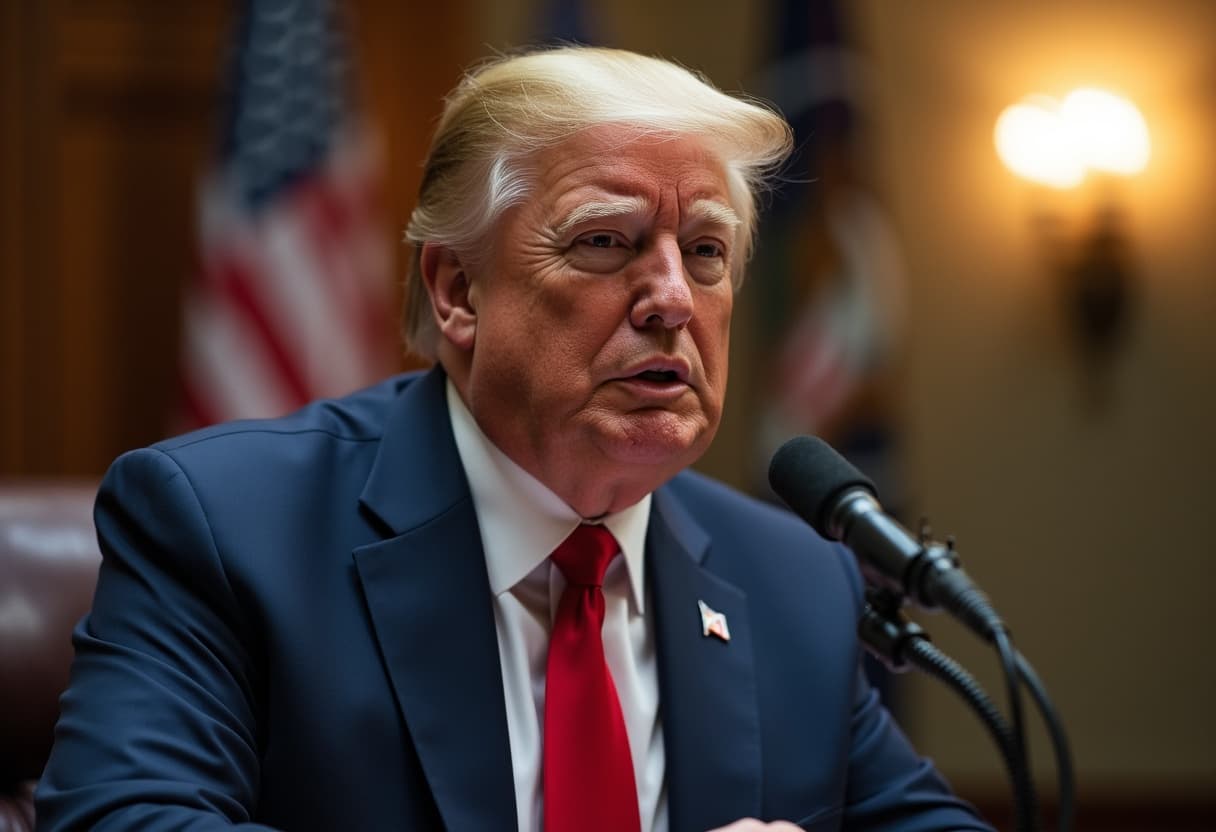
- A conservative former mayor buoyed by a significant endorsement from Donald Trump, adding an international dimension to the local election.
This constellation of candidates underscores deep divisions within Honduran society—between left and right, establishment and outsider—and a country grappling with its political future.
Economic Strains Amplify Political Discord
Post-pandemic inflation coupled with soaring food prices have hit Honduras's poorest communities especially hard. For many voters, the election is not just a political decision but an economic lifeline amidst daily struggles with crime, extortion, and limited opportunities.
Implications for U.S. Policy and Regional Stability
The U.S. has long played an influential role in Central American politics, often balancing between promoting democracy and protecting its strategic interests. The Trump endorsement of a conservative candidate in Honduras signals a continuity of U.S. involvement, but also risks inflaming regional tensions if the election results are disputed or seen as externally influenced.
Experts warn that the Honduran election should be viewed not only as a national event but as a critical juncture for regional stability, migration flows, and U.S.-Central America relations. The international community faces the challenge of supporting transparent democratic processes while addressing underlying socioeconomic grievances.
Looking Ahead: Will Honduras Navigate a Peaceful Transition?
As election day approaches, the looming questions are clear: Will the vote produce a decisive winner accepted by all parties? Can it avoid the cycle of violence and post-election protests that have marred past elections? And perhaps most importantly, will the elected leaders be able to address the deep-rooted issues of corruption, inequality, and violence that underpin Honduras's turmoil?
For the people of Honduras, this election carries the weight of hope and apprehension alike. Their resilience will be tested as the nation stands at a crossroads.
Editor's Note
Honduras's 2025 presidential election exemplifies the complex interplay of domestic politics and international influence. While the Trump endorsement adds fuel to the already volatile political climate, the deeper story lies in the enduring challenges facing the Honduran people—corruption, violence, and economic hardship. Observers must watch closely not just the election results but the broader social undercurrents that will shape the nation's path forward.