
UN Human Rights Chief Condemns US Military Strikes on Suspected Drug-Smuggling Vessels
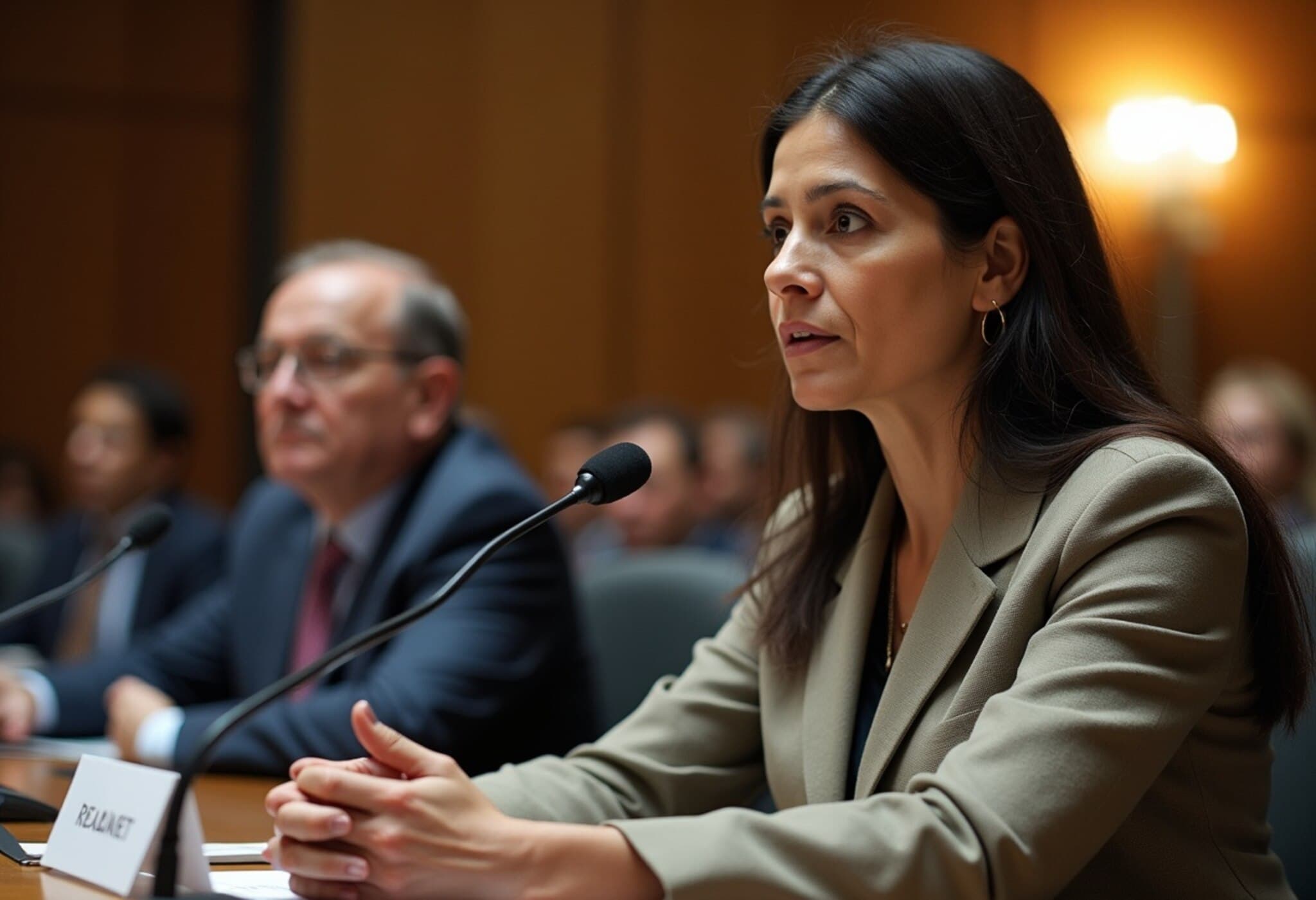
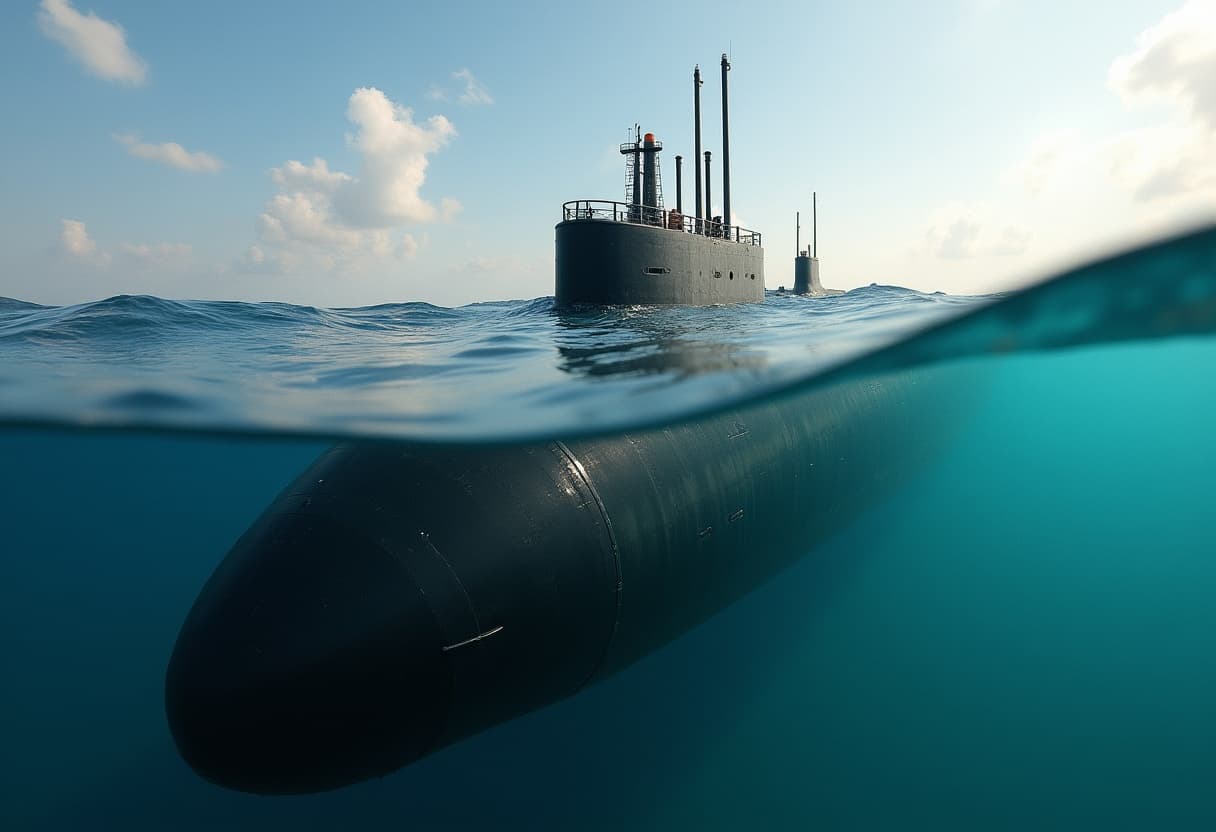
In a striking rebuke, the United Nations’ High Commissioner for Human Rights, Volker Türk, has publicly condemned recent U.S. military strikes against boats accused of smuggling drugs from South and Central America. Describing the attacks as a violation of international law and an unacceptable use of lethal force, Türk urged an immediate halt to these operations and called for an independent investigation to ascertain facts and accountability.
Background of the Controversial Strikes
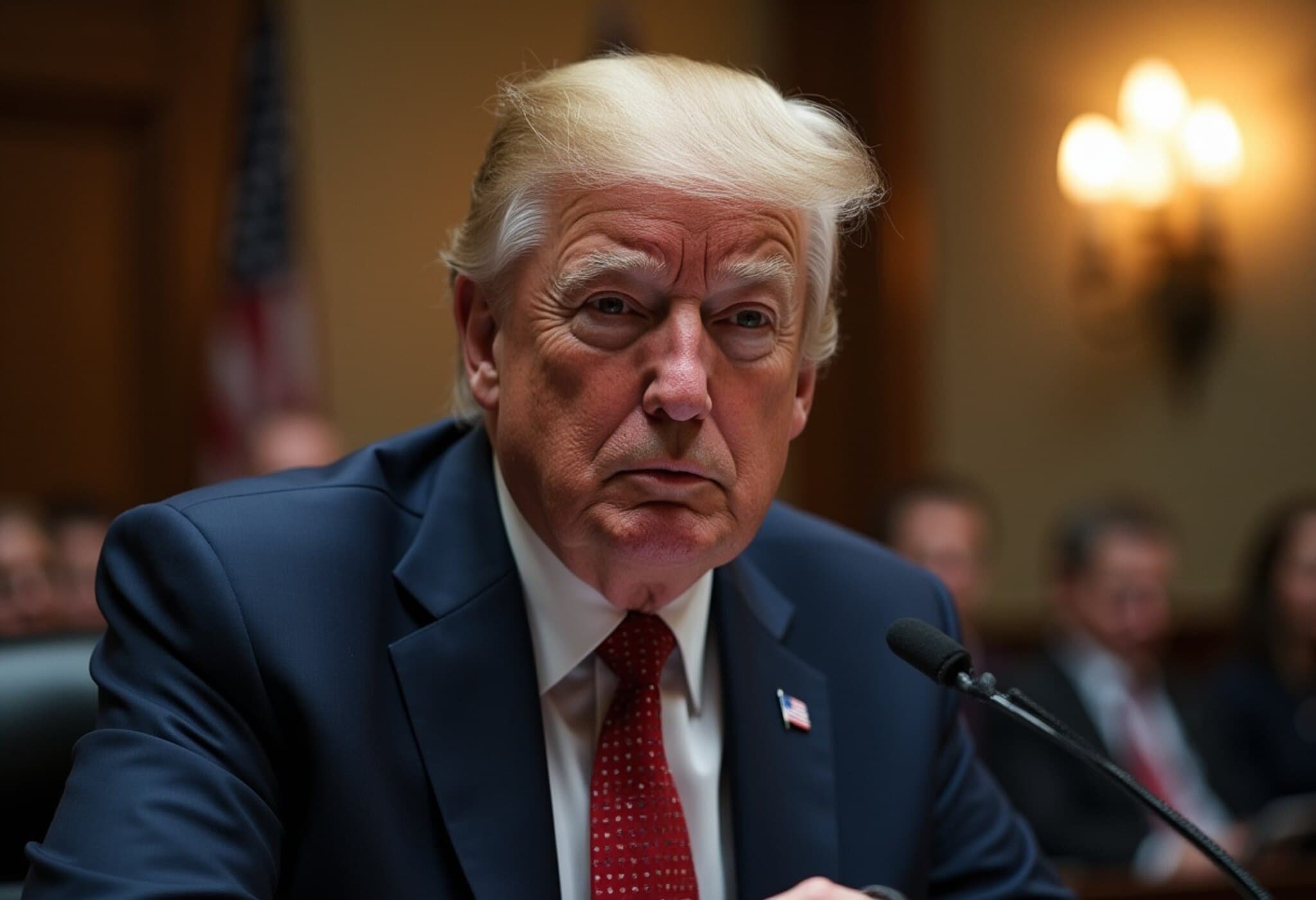
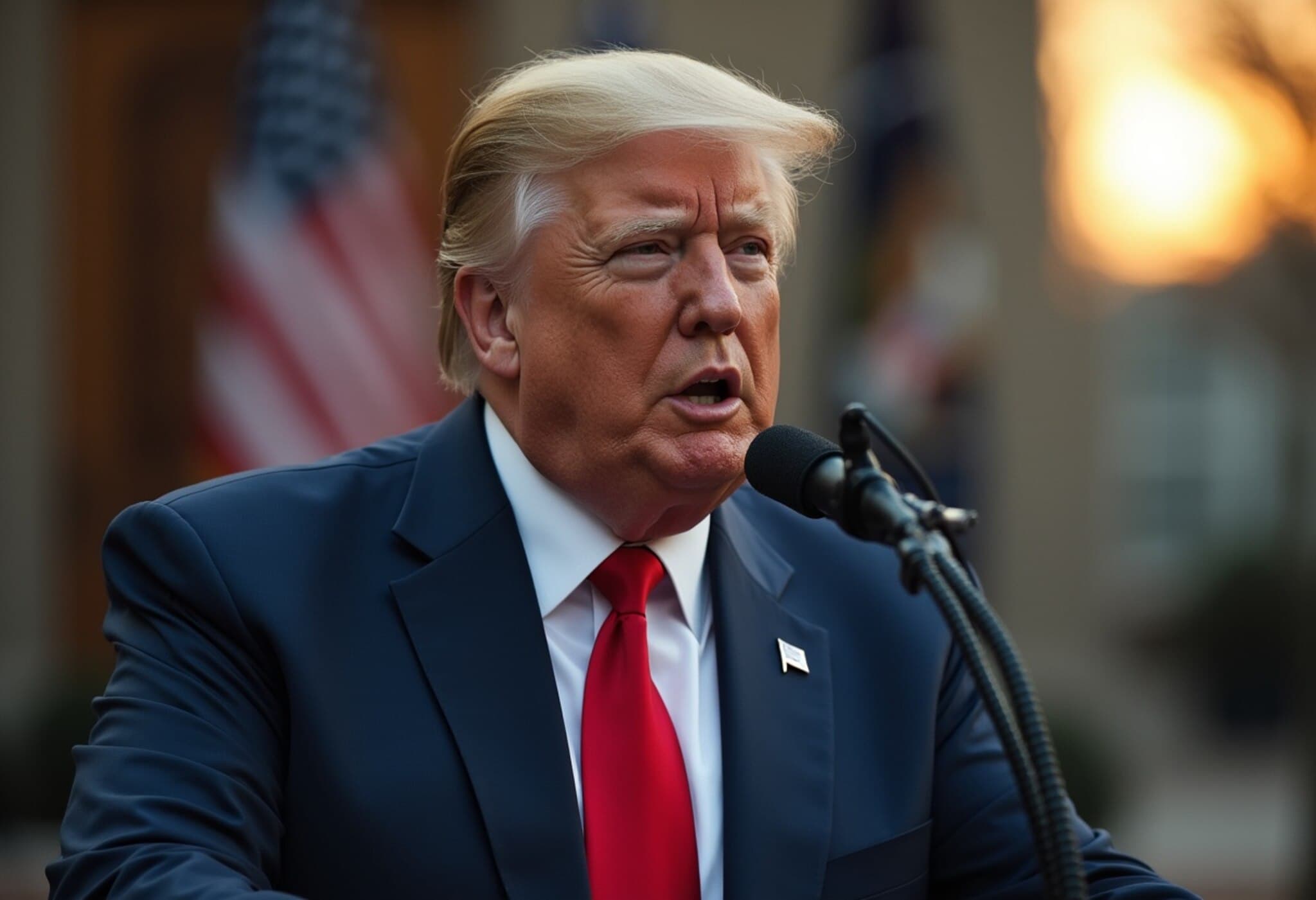
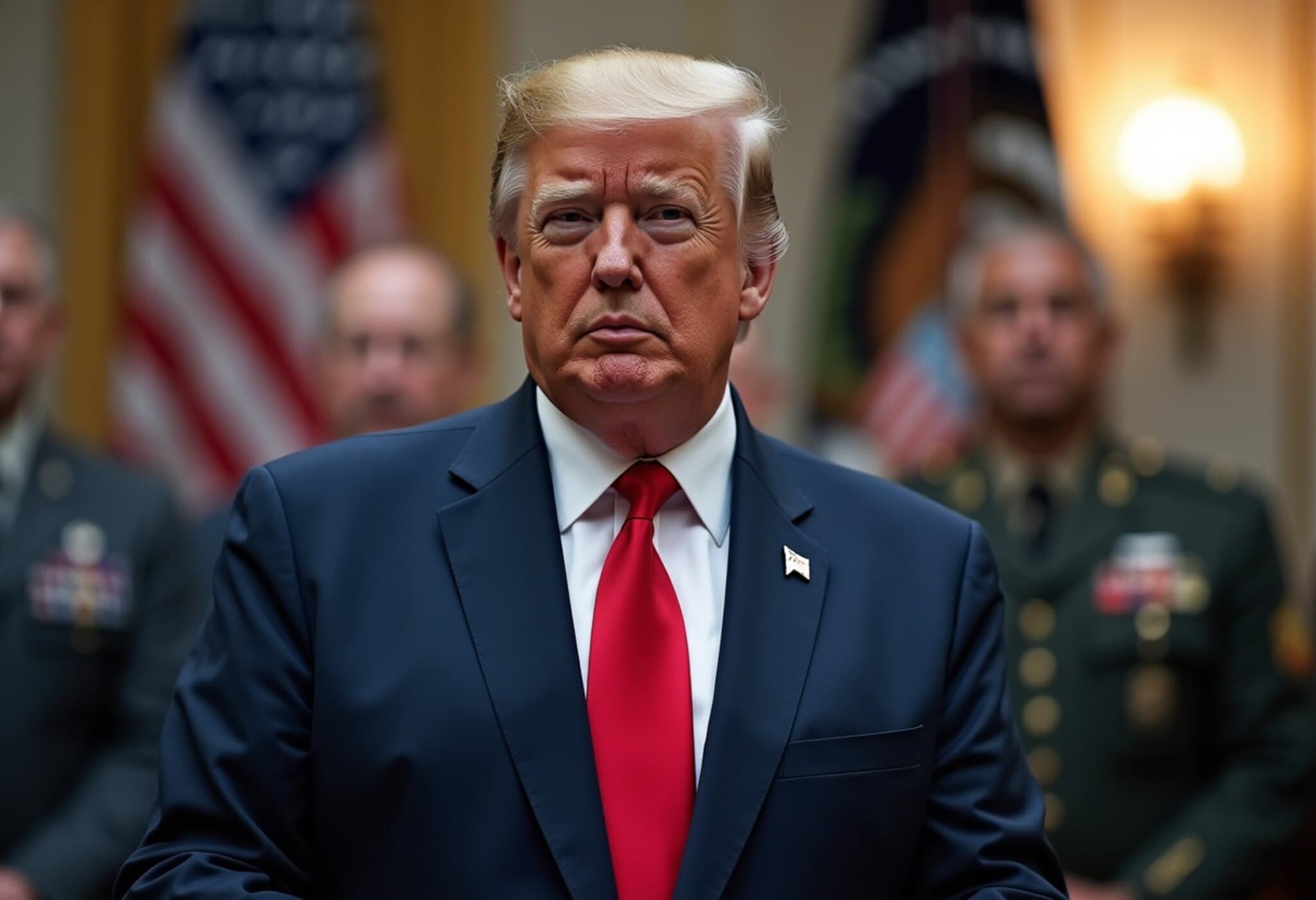
Since early September 2025, under former President Trump’s administration, the United States has engaged in military strikes targeting vessels alleged to be operated by drug trafficking organizations, which the administration controversially branded as terrorist groups. These actions represent an escalated response to drug smuggling routes that traverse the maritime corridors of the Western Hemisphere.
The Trump administration’s approach departs from traditional law enforcement strategies, deploying military force in international waters based on counterterrorism claims. While authorities presented these measures as critical to disrupting powerful narcotics networks, legal experts and human rights advocates have raised serious questions about their legality and proportionality under international law.
Volker Türk’s Firm Rejection and Legal Perspective
Türk emphasized that the bombings and shootings constitute extrajudicial killings with mounting human costs, urging the United States to cease such attacks immediately. According to the UN official, there is no credible evidence supporting the notion that these vessels posed an imminent threat justifying the use of lethal military force.
In a formal letter addressed to the U.S. government in early October, Türk clarified the distinction between law enforcement and armed conflict, stressing that drug trafficking should primarily be managed through policing and judicial action rather than military intervention. The letter contended that lethal force is only lawful under international law if used as a last resort in response to imminent danger—a threshold unmet in the reported cases.
Domestic and International Implications
- Legal Ambiguity: The Trump administration’s military strikes blur the lines between law enforcement and armed conflict, raising questions about executive authority and adherence to international legal norms.
- Policy Criticism: Democrats and civil rights organizations have seized upon the UN’s condemnation to denounce the attacks as an unlawful expansion of military power.
- Diplomatic Fallout: The United States’ position as a permanent Security Council member contrasts with the UN’s legal censure, spotlighting tensions between national security policies and global human rights standards.
Expert Insight: A Precarious Precedent
From a policy standpoint, this controversy raises pivotal issues surrounding the use of military force in non-war contexts, especially in combating transnational criminal organizations. The deployment of lethal force against suspected smugglers without transparent judicial oversight risks violating human rights and undermines established international law principles. It also sets a concerning precedent for other nations contemplating unilateral military actions against non-state actors involved in illicit activities.
Moreover, the accountability mechanisms in place appear insufficient, as the UN calls for an independent inquiry. Such an investigation could clarify the legality and proportionality of these strikes and potentially shape future U.S. policies and international norms.
Looking Ahead: Questions for Policymakers and the Public
- How should international law adapt to address emerging forms of military engagement against transnational criminal networks?
- What safeguards are necessary to prevent abuse of military authority in operations traditionally managed by law enforcement?
- Can diplomatic dialogue reconcile the U.S. security agenda with the global commitment to human rights and due process?
Editor’s Note
The UN’s clear denunciation of the U.S. strikes on drug-smuggling boats underscores the complex challenges at the intersection of security, law enforcement, and human rights. While combating narcotics trafficking remains an urgent priority, balancing effective action with respect for international law is paramount. As this discourse unfolds, it invites critical reflection on how democracies uphold the rule of law while safeguarding their citizens, especially in the nebulous battlefields of today’s security landscape.