Hurricane Melissa Leaves Devastation in Jamaica's New River Community
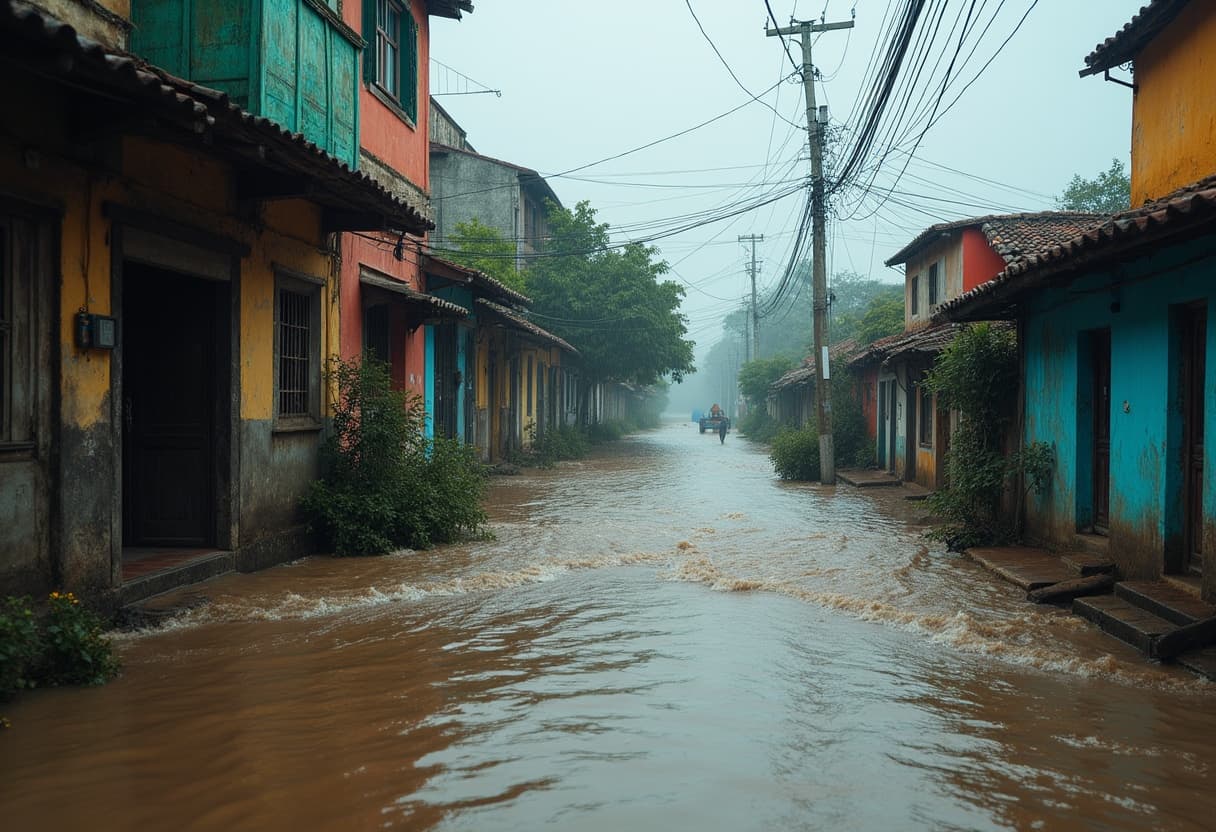
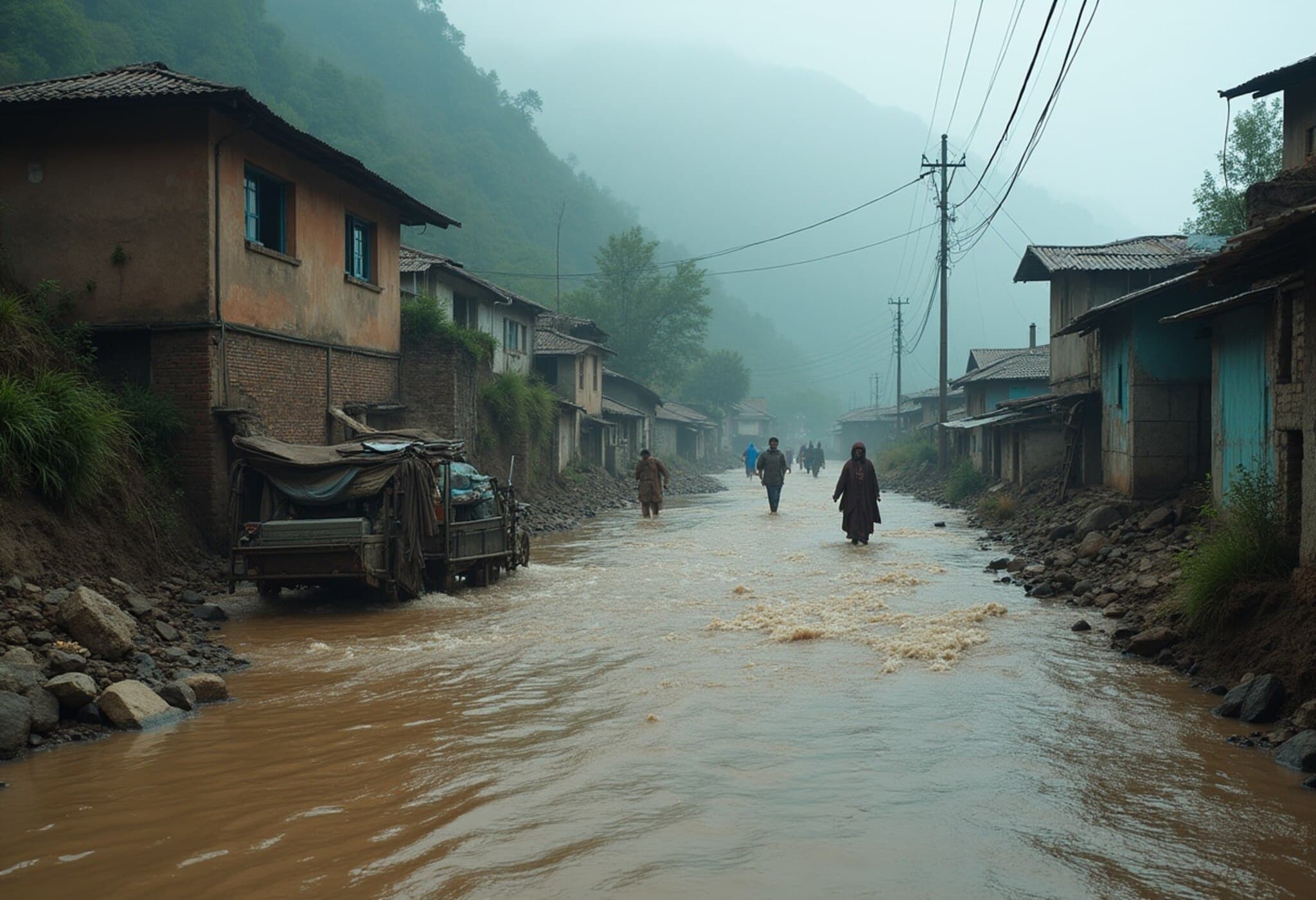
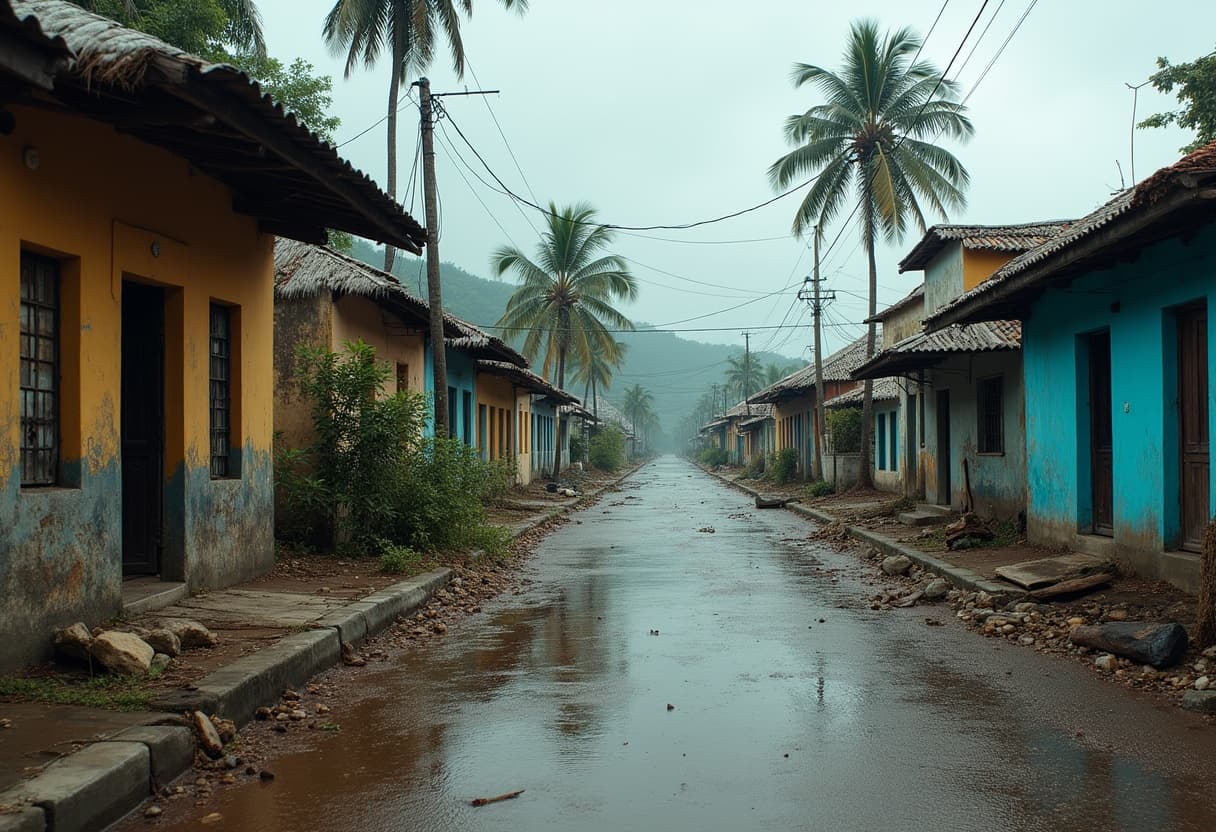
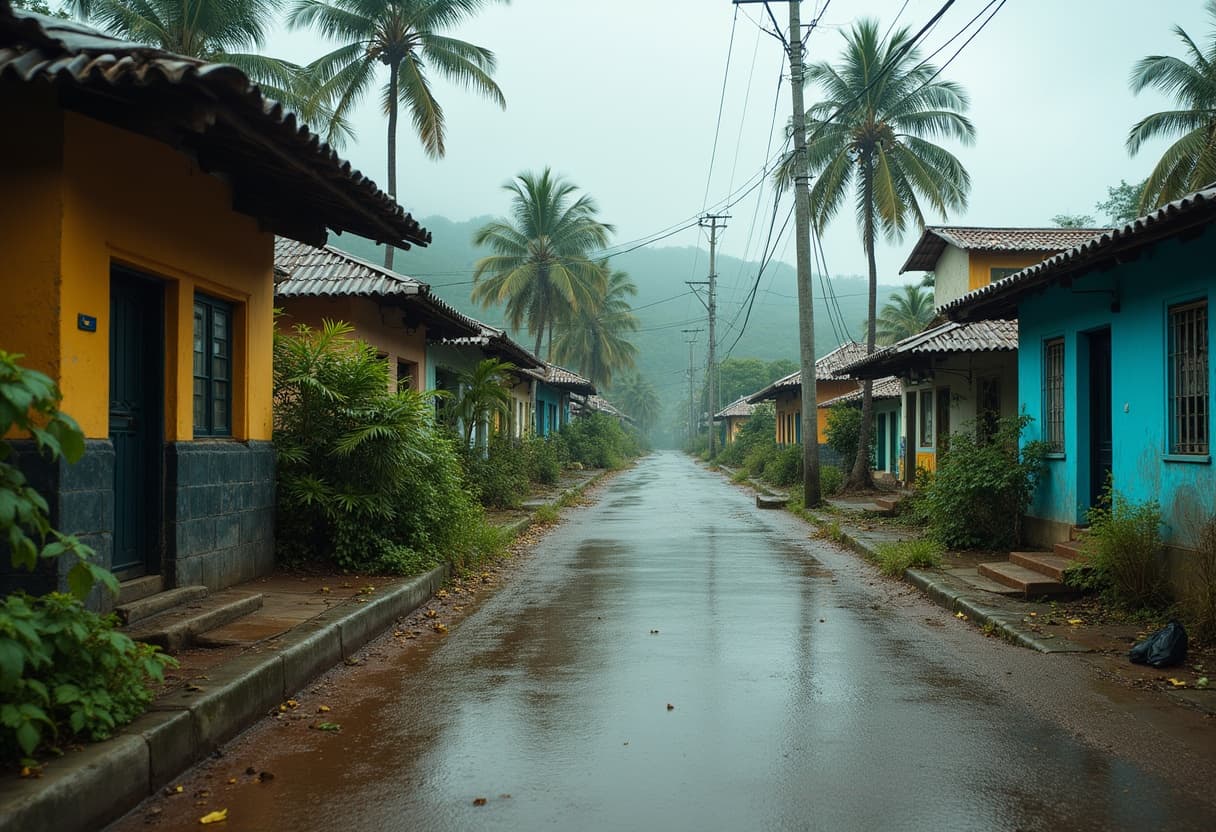
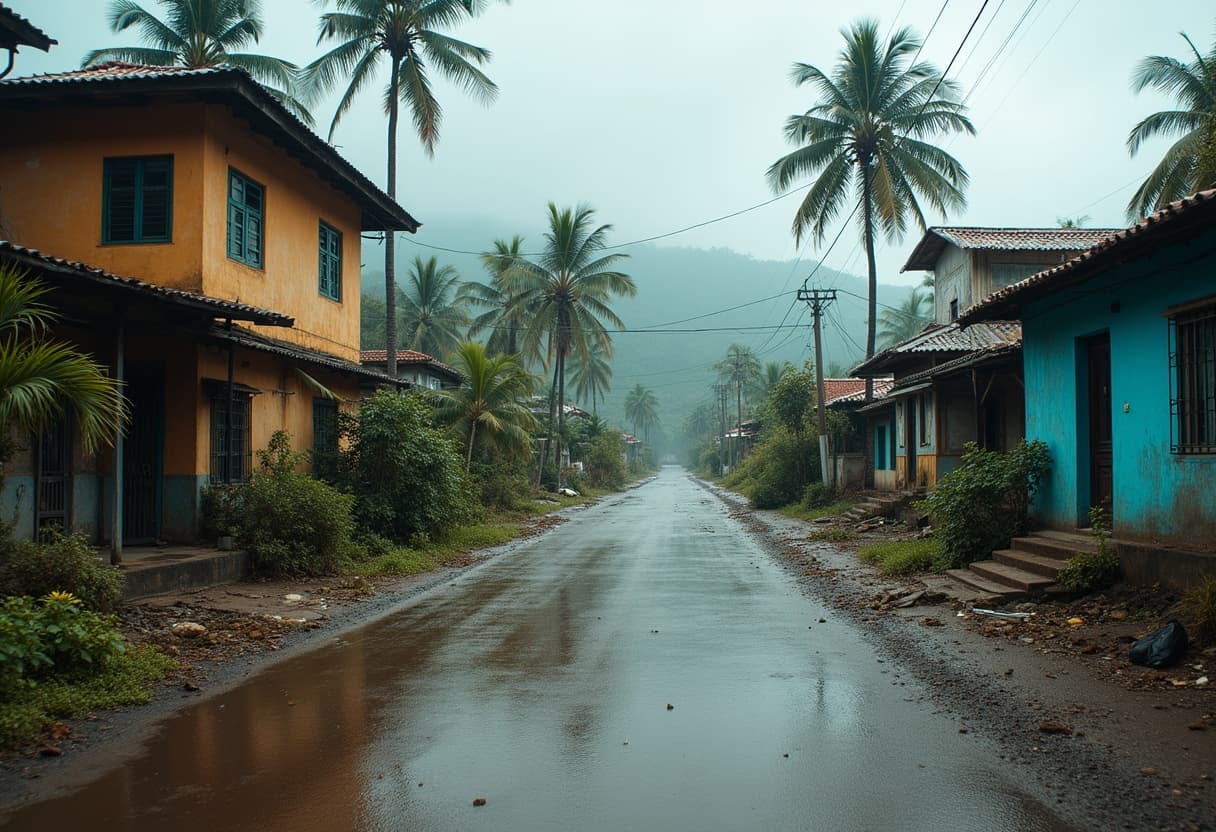
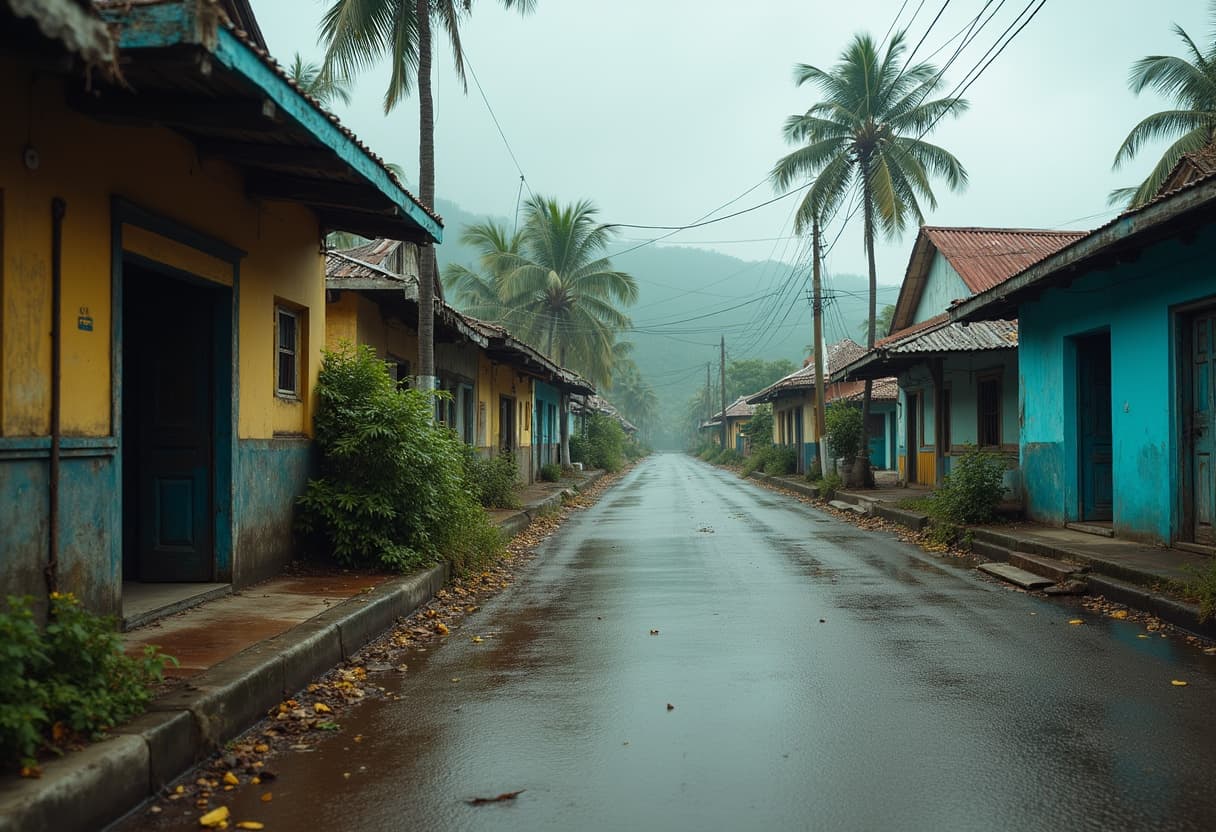
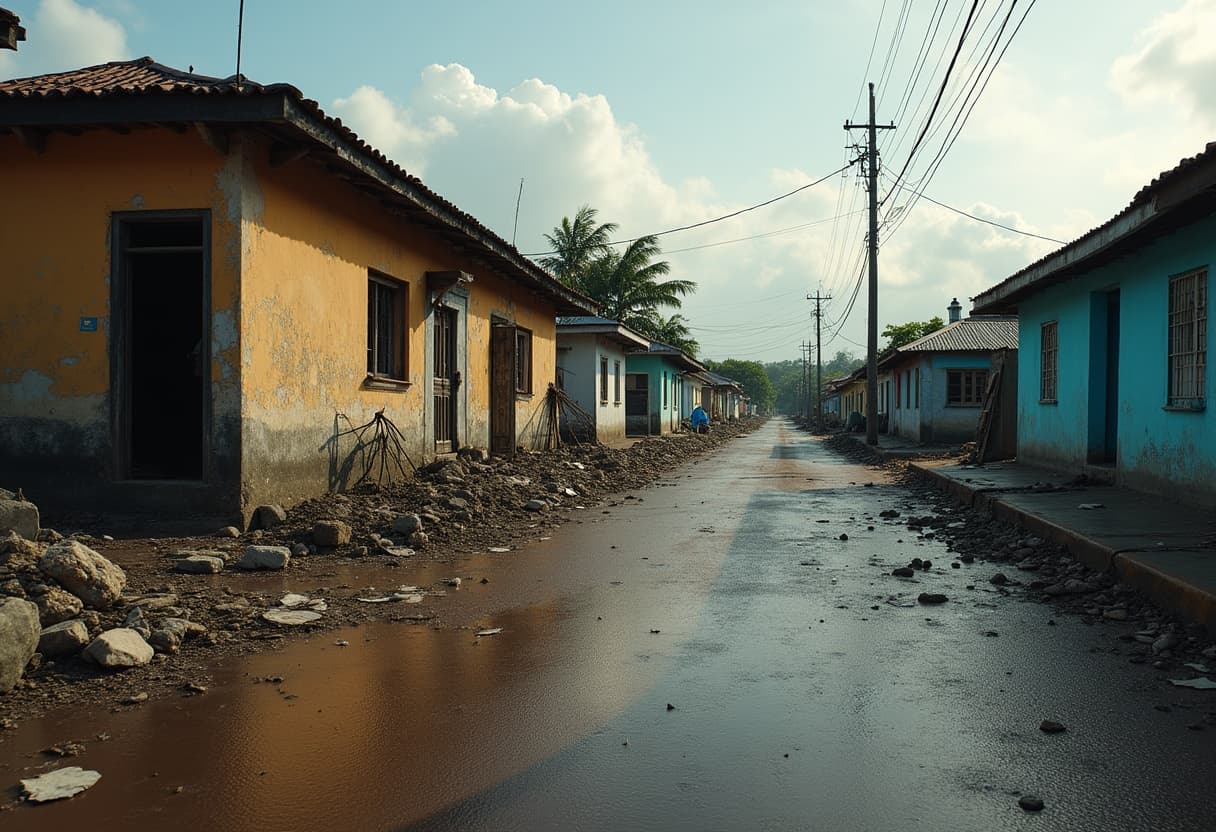
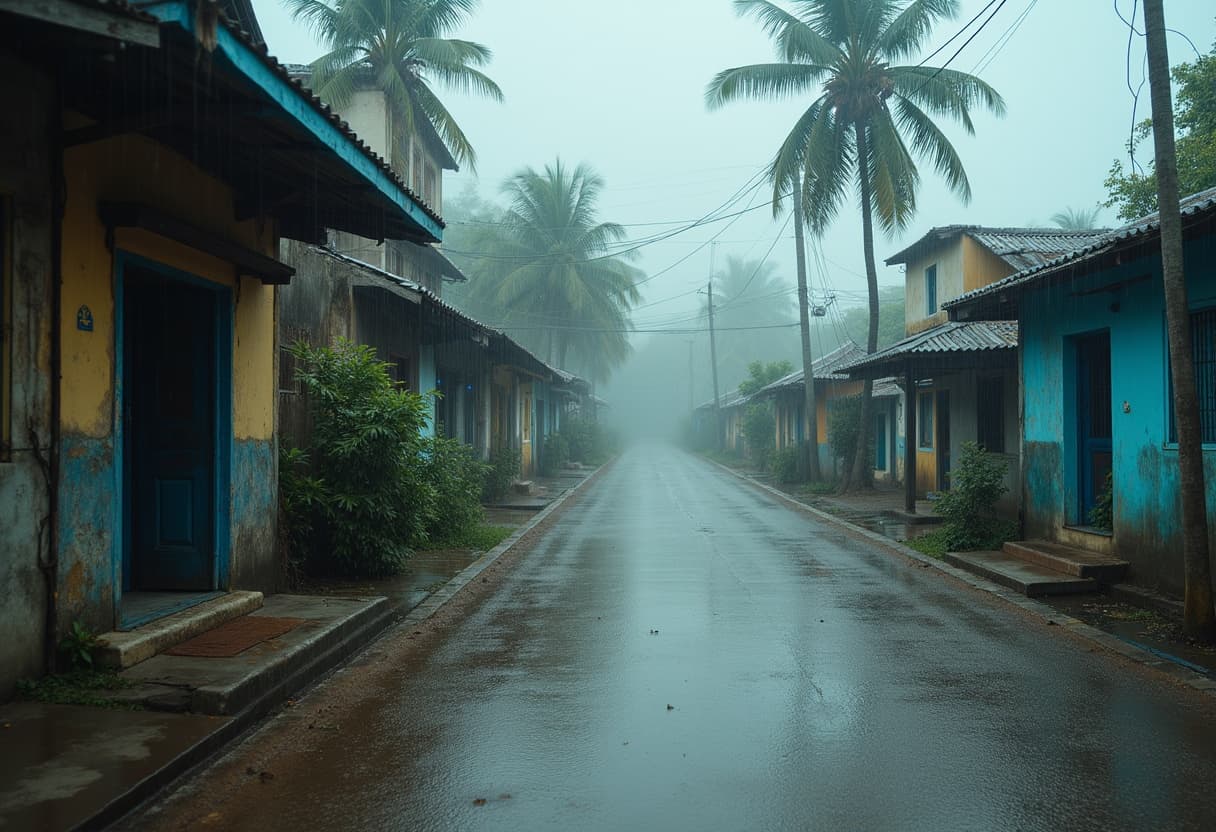
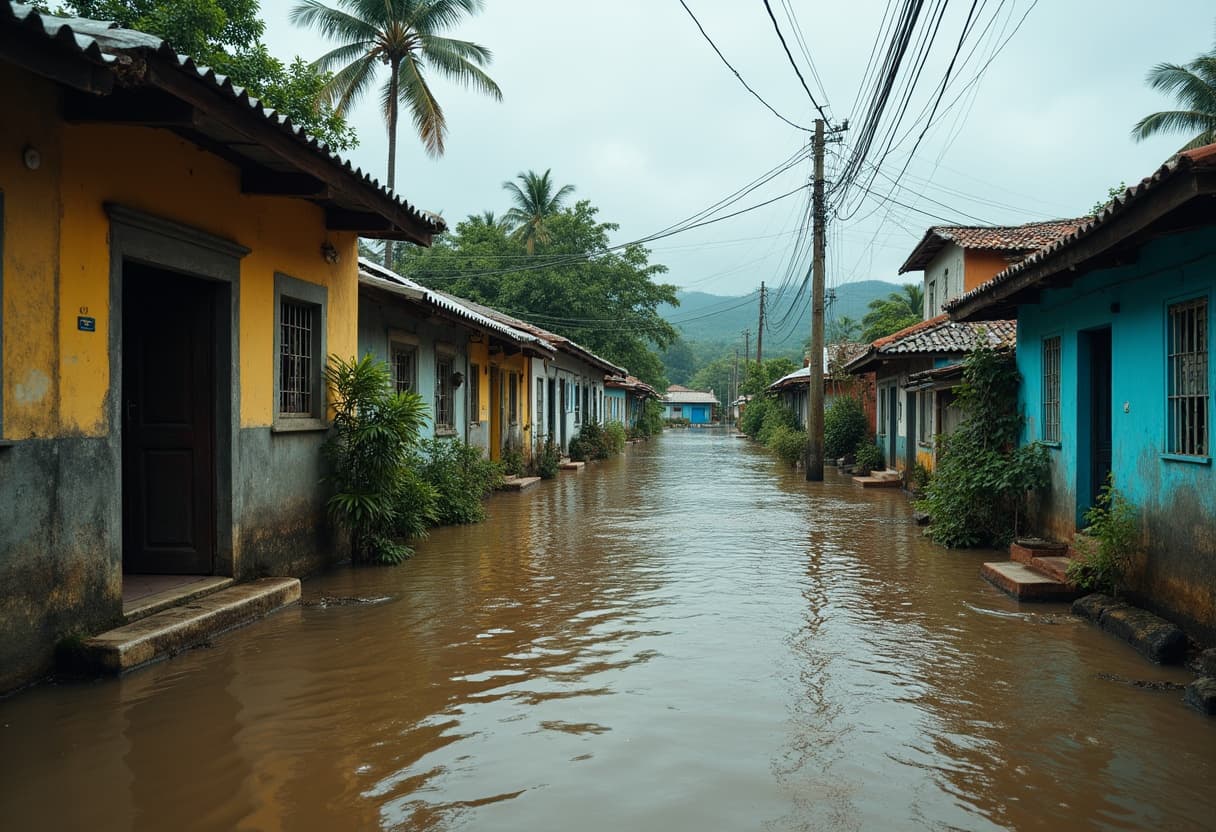
As Hurricane Melissa, a Category 5 storm among the strongest ever recorded in the Atlantic, swept across Jamaica's southwestern coast, it left behind not only catastrophic destruction but also a chilling aftermath in the small community of New River. Residents grapple with chest-high floodwaters "infested" by dead livestock, punctuating the struggle to recover amid persistent hazards.
An Unfolding Human and Environmental Crisis
Isaiah Beck, a carpenter from New River, vividly recalled his hesitation to cross floodwaters surrounding his storm-battered home. "There is a dead cow and hog; the water is starting to get infested," he said. With the local drainage system clogged, waters that initially receded unexpectedly began rising again, trapping communities and obstructing relief efforts.
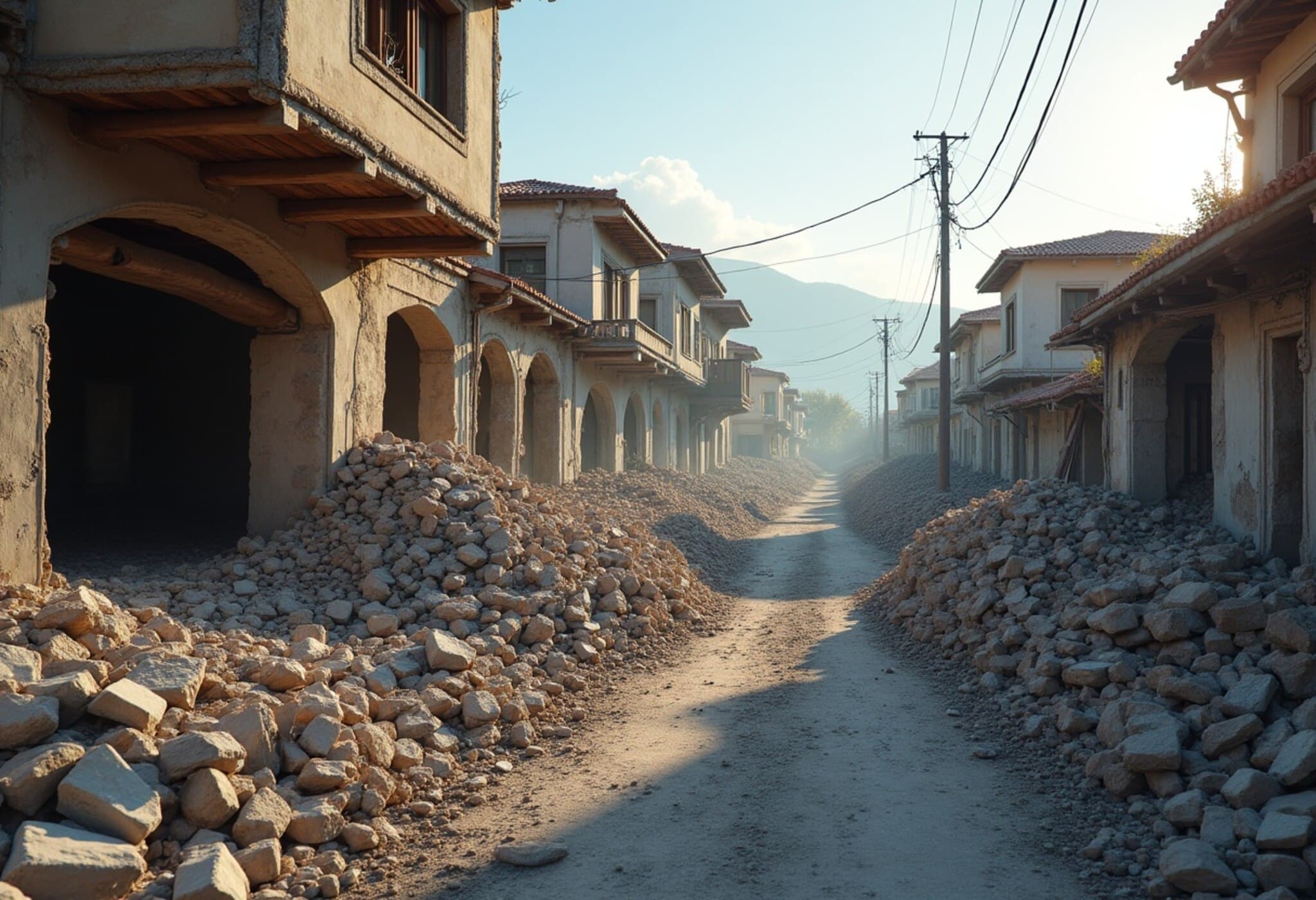
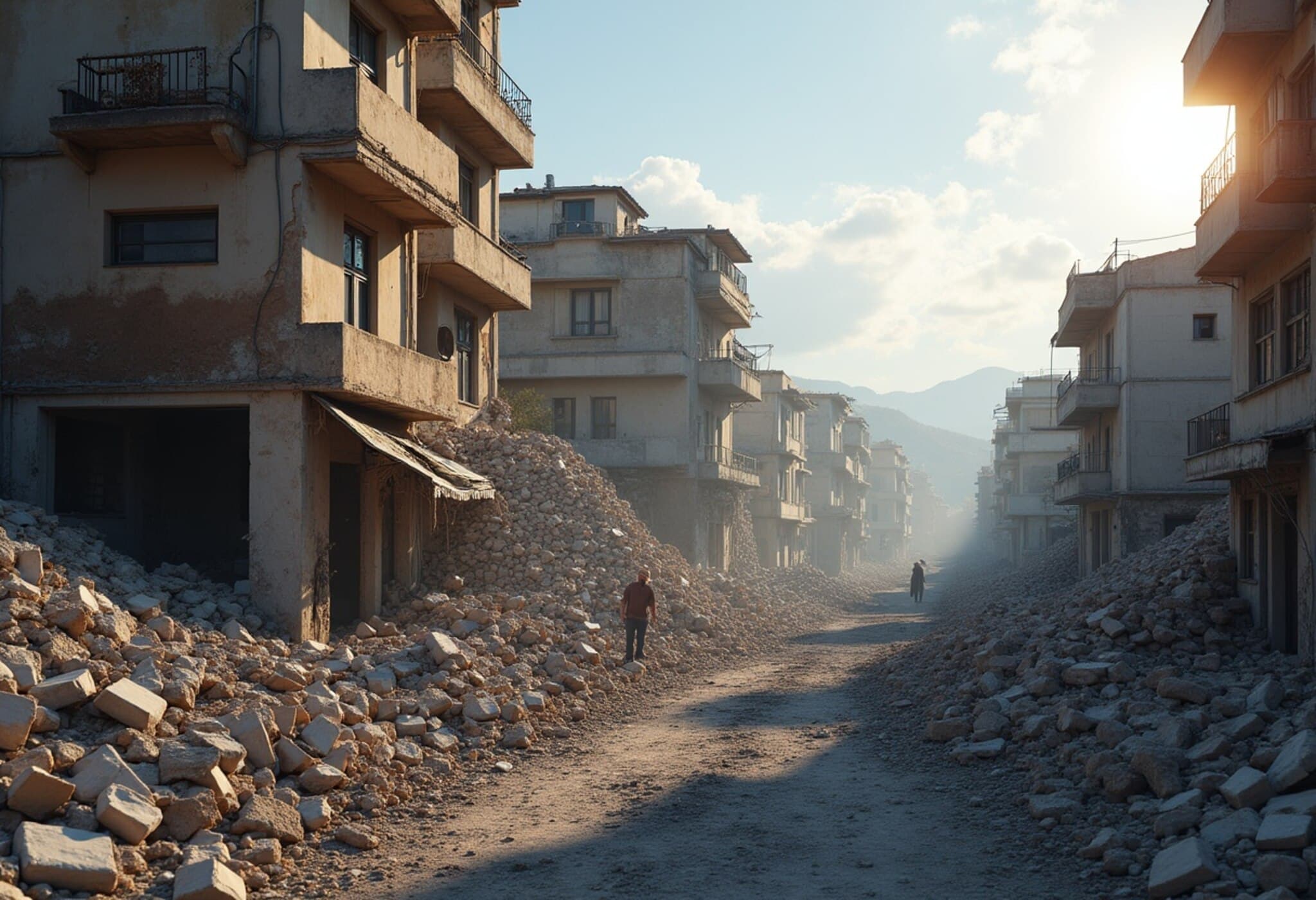
The hurricane claimed at least 19 lives in Jamaica, with officials bracing for the toll to rise as search and recovery operations reach more severely affected areas. Haiti, also battered by Melissa, reported at least 30 deaths, including children. The widespread damage stretches from devastated homes to vital infrastructure crippled by relentless winds and flooding.
Life Amidst Ruins: Voices from New River
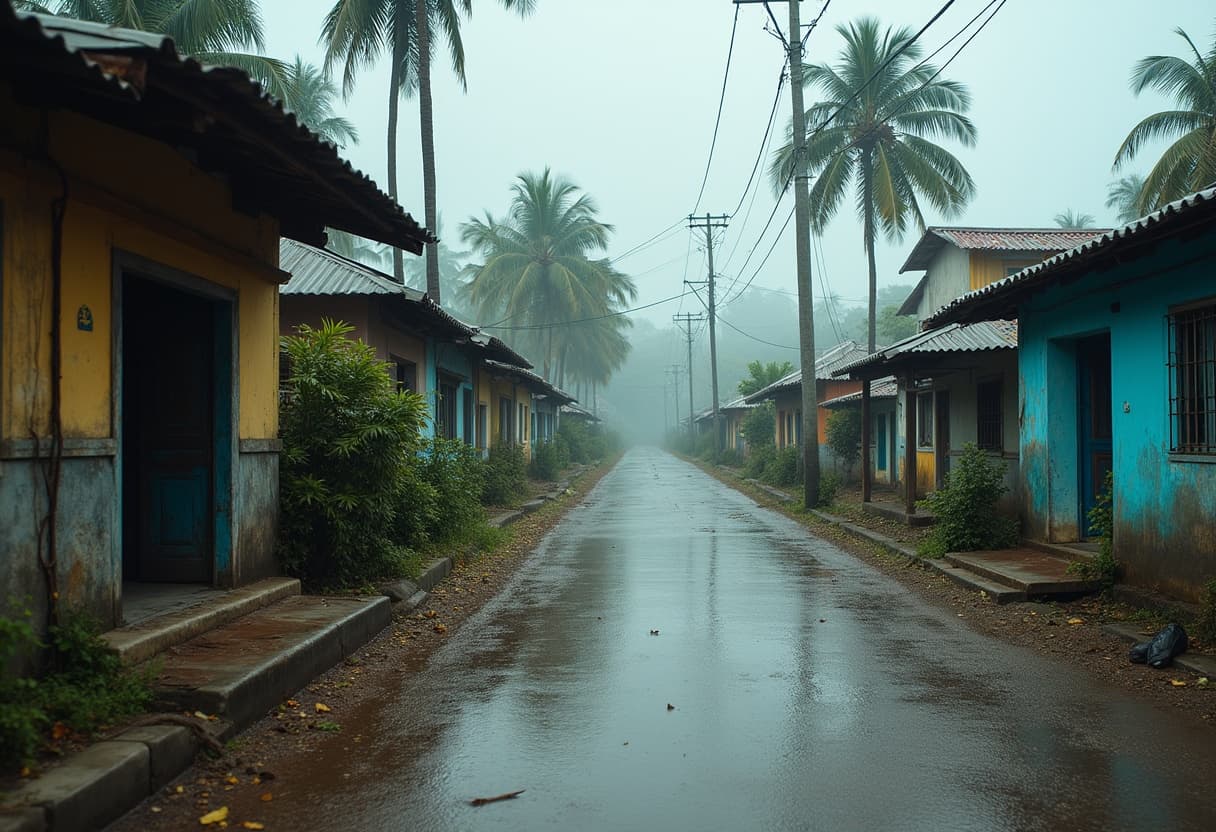
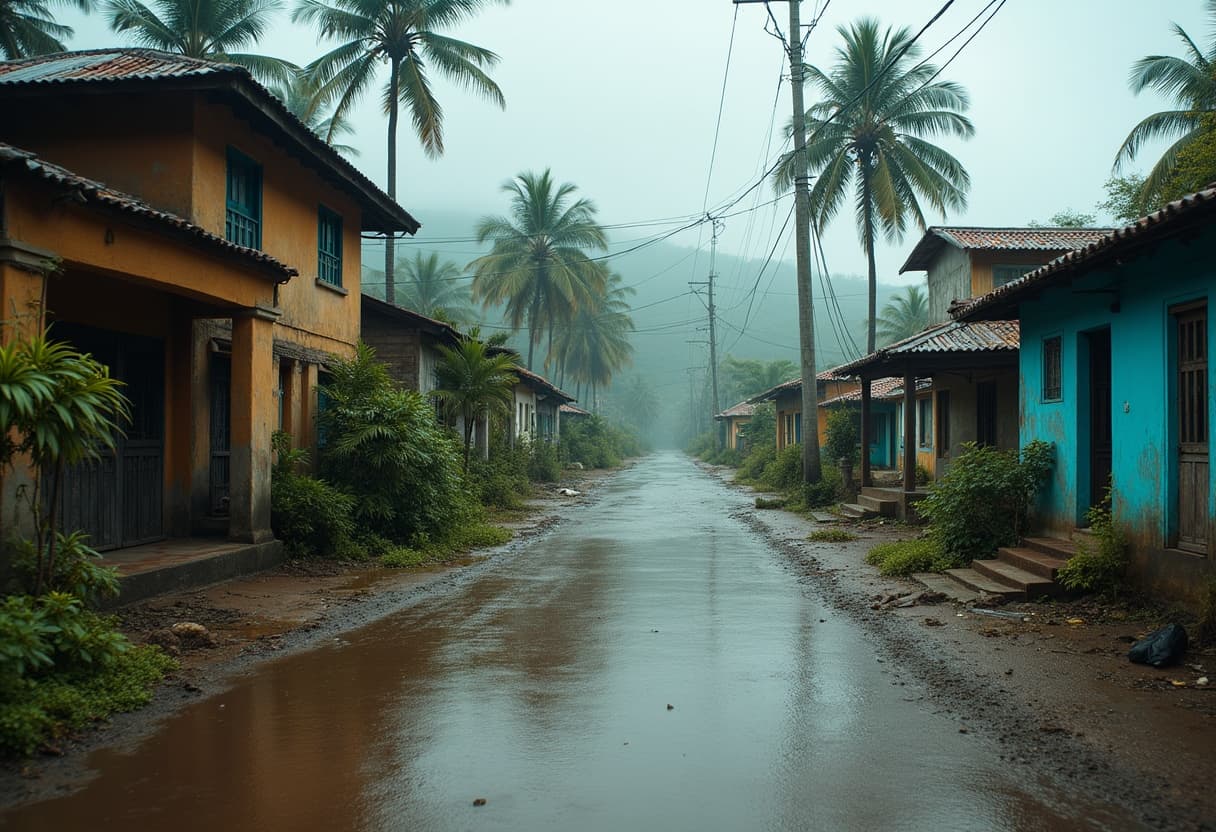
Power remains out in New River days after the storm. Many residents believed the worst was past, only to face new surges of water that seeped into homes. Mr. Beck described the storm's fury—a relentless wind peeling roofs off, forcing locals into a desperate search for shelter—and upon his return, found his house ruined.
Another resident, Reginald Campbell, sought to dry his waterlogged cushions and mattresses under the sun, lamenting the persistent stench and the anxiety brought on by continuing floods. "The blocked drainage system is making the waters keep rising," he explained.
Scenes of resilience and hardship prevail: a man using a chainsaw to clear fallen palm trees entangled with power lines; children wading barefoot through flooded streets while carrying meager possessions; and funeral workers like Weston Brown, whose grim prediction warns that mortality from hunger and disease may soon rise as bodies decay in homes unreachable by authorities.
Contextual Insights: Why Melissa’s Impact Resonates Beyond Jamaica
Hurricane Melissa’s onslaught underscores the increasing vulnerability of Caribbean communities to extreme weather events intensified by climate change. Jamaica’s challenges—blocked drainage, inadequate infrastructure resilience, and limited emergency resources—mirror systemic issues prevalent in many island nations.
From a policy perspective, this disaster raises urgent questions about the preparedness of vulnerable regions, the effectiveness of disaster response mechanisms, and the socio-economic inequalities that exacerbate recovery. The contamination of floodwaters by dead livestock also poses significant public health risks, including waterborne diseases, which can cause prolonged hardship far beyond the storm’s immediate devastation.
Looking Ahead: The Road to Recovery and Resilience
- Infrastructure repair: Clearing blocked drainage systems and restoring power are critical to preventing escalating damage and facilitating humanitarian aid.
- Public health interventions: Addressing contamination and preventing disease outbreaks must be prioritized to protect affected populations.
- Community support: Psychological aid and resources for displaced families are essential for emotional recovery.
- Long-term climate adaptation: Implementing robust policies to fortify communities against future hurricanes is vital to mitigate recurring devastation.
Jamaica’s information minister, Dana Morris Dixon, affirmed that government agencies are committed to an "all-hands on deck" approach to aid national recovery after "unimaginable" destruction. However, as the water rises and challenges mount, the resilience of Jamaica’s people will be tested like never before.
Editor's Note
Hurricane Melissa’s aftermath in Jamaica presents a stark illustration of the escalating human and environmental costs wrought by intensifying climate crises. Beyond the immediate damage lies a complex web of health, infrastructural, and socio-economic challenges demanding comprehensive solutions. This calamity invites reflection on regional preparedness, cross-sector coordination, and the urgent imperative to build climate-resilient communities across vulnerable island nations.