Hurricane Melissa Makes Catastrophic Landfall in Jamaica
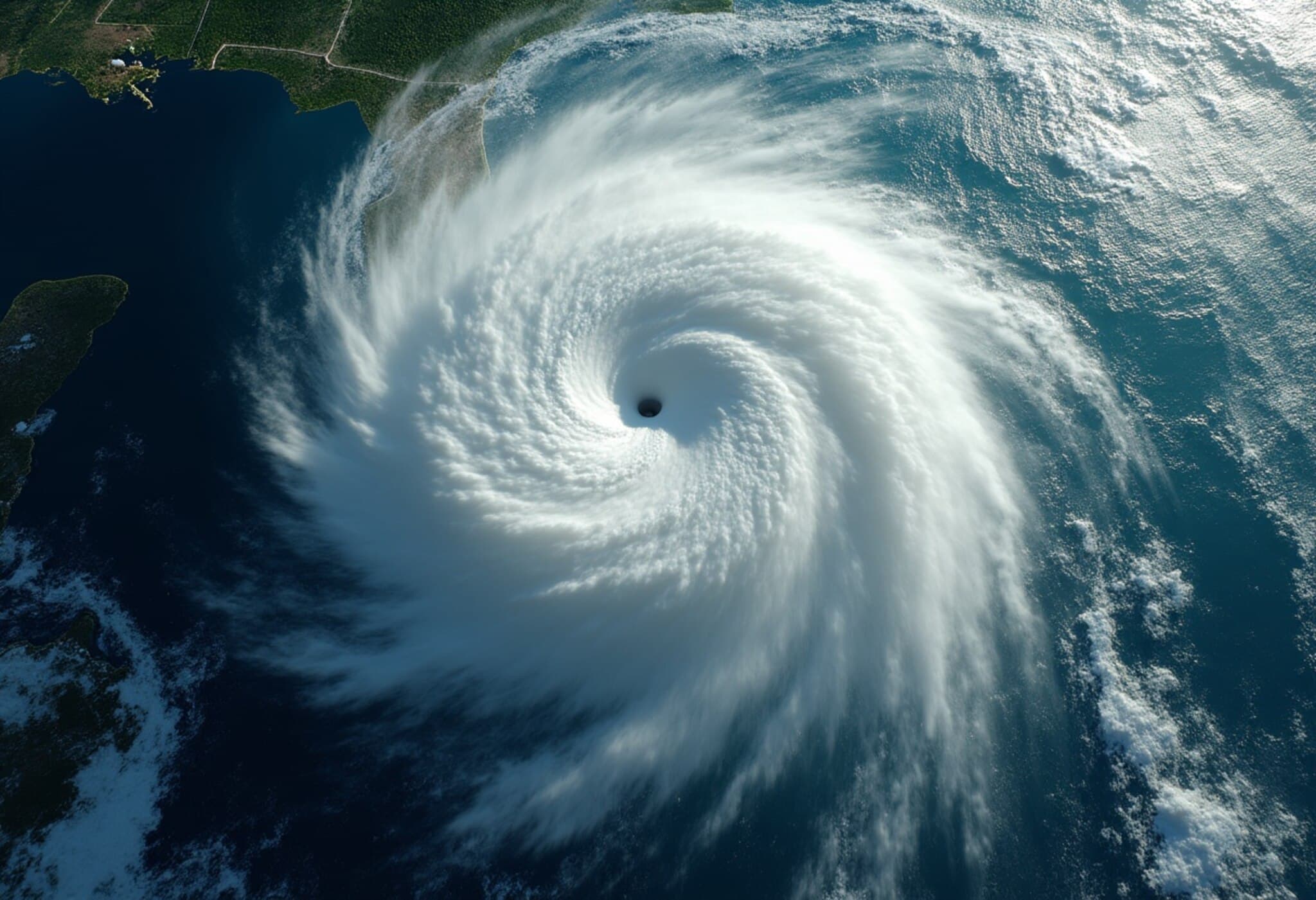
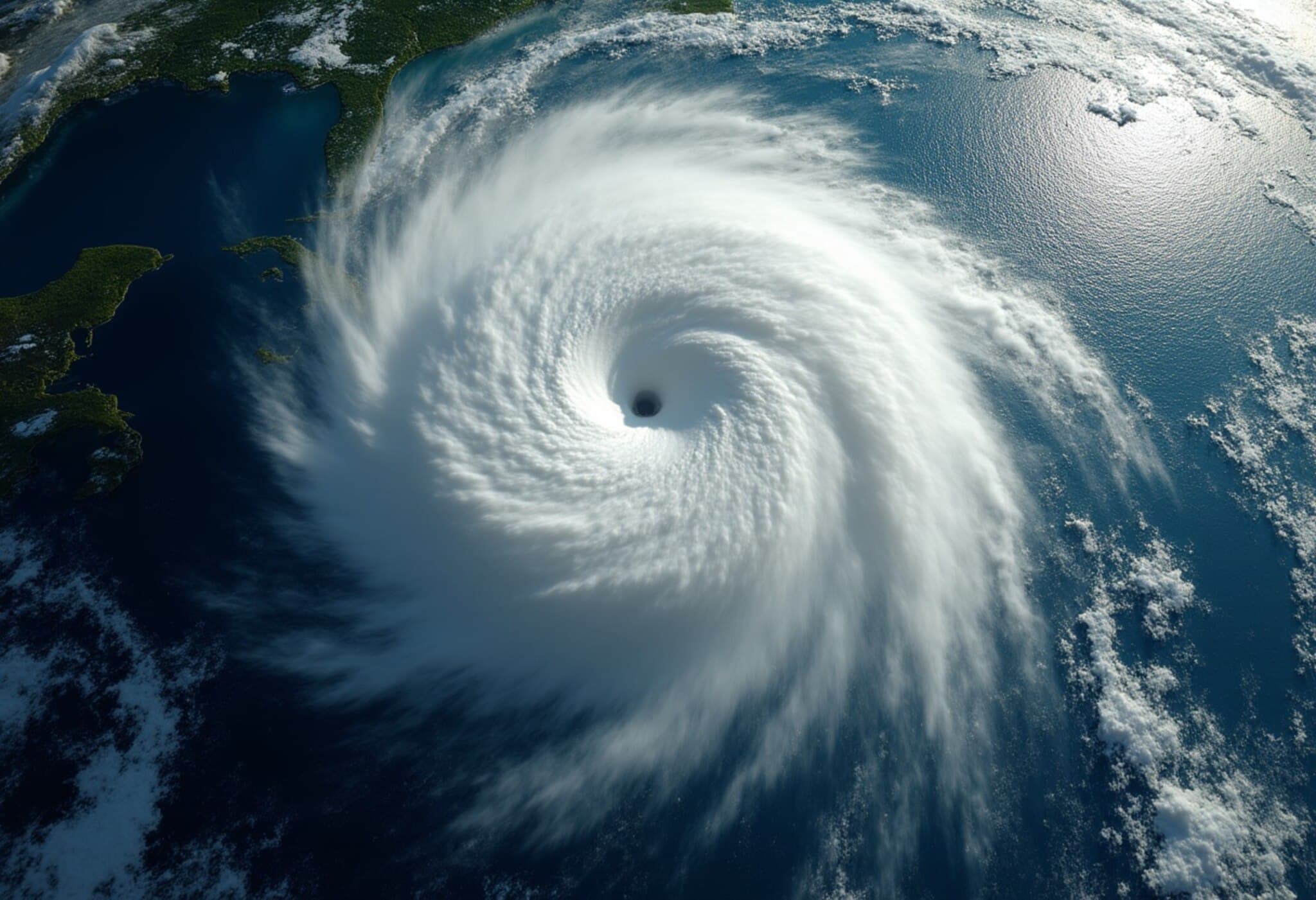
In a harrowing display of nature’s fury, Hurricane Melissa, a powerful Category 5 storm, struck Jamaica’s southwestern coast on Tuesday, marking one of the most intense hurricanes ever recorded in the Atlantic basin. With sustained winds reaching an astonishing 185 miles per hour, Melissa’s strength briefly surpassed that of Hurricane Katrina at its peak, raising alarms among meteorologists and local officials alike.
As forecasters predict a torturously slow progression of the storm across the island, residents brace for prolonged deluges, fierce winds, and widespread destruction. The storm’s lethargic movement enhances the dangers of flash flooding and landslides, especially in Jamaica’s vulnerable mountainous and river valley regions.
Widespread Destruction and Urgent Warnings
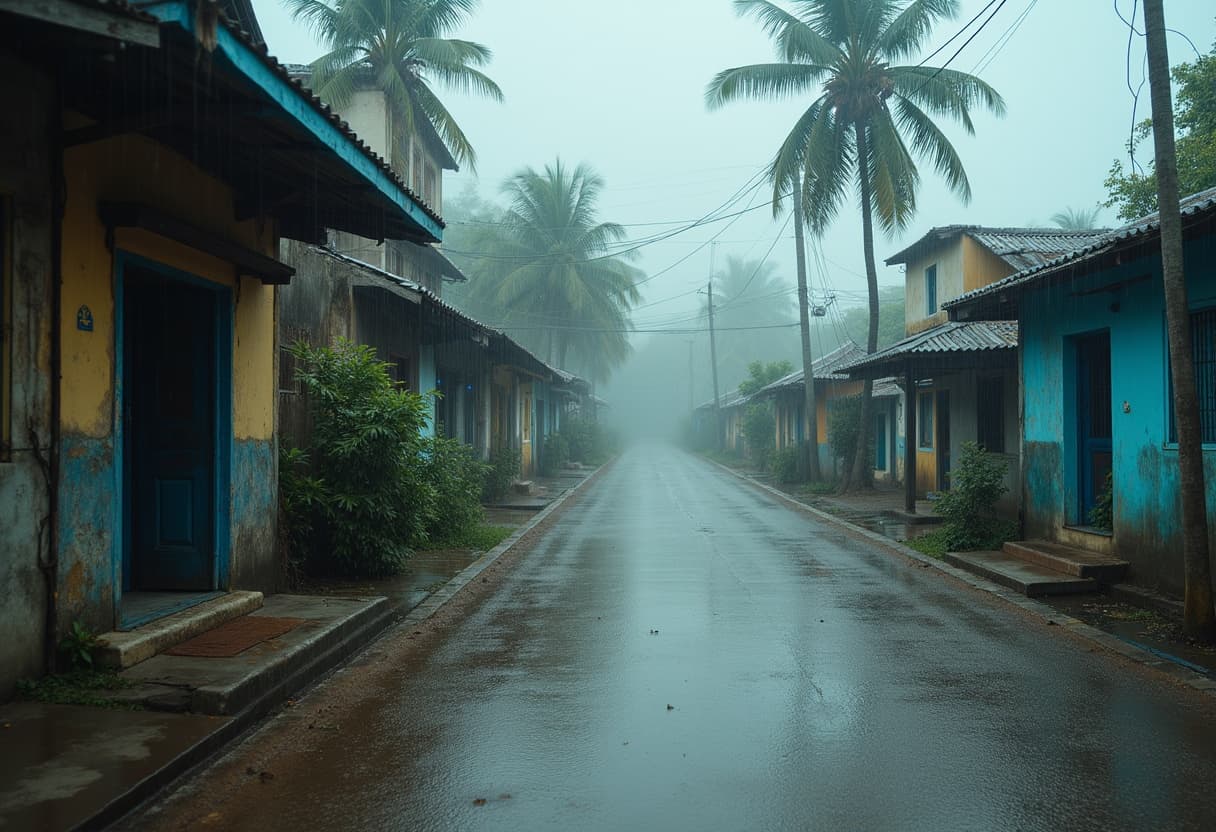
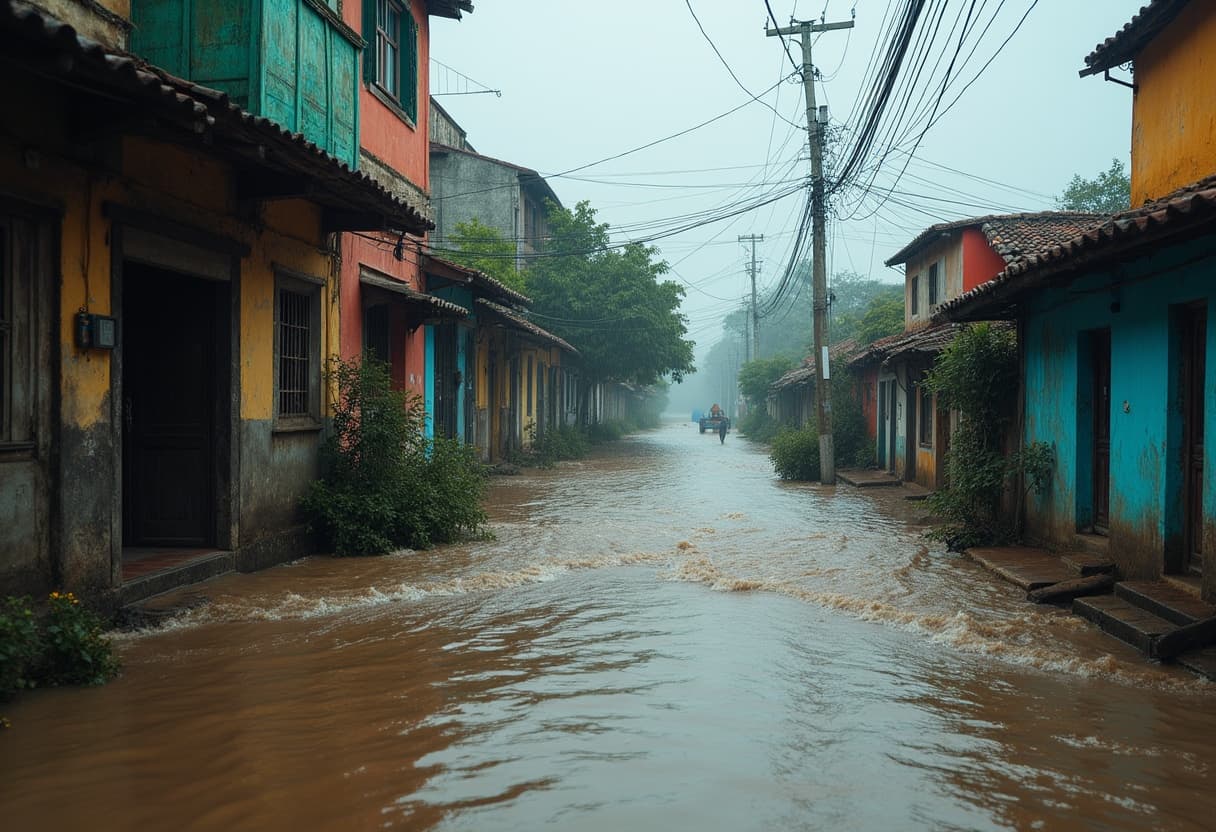
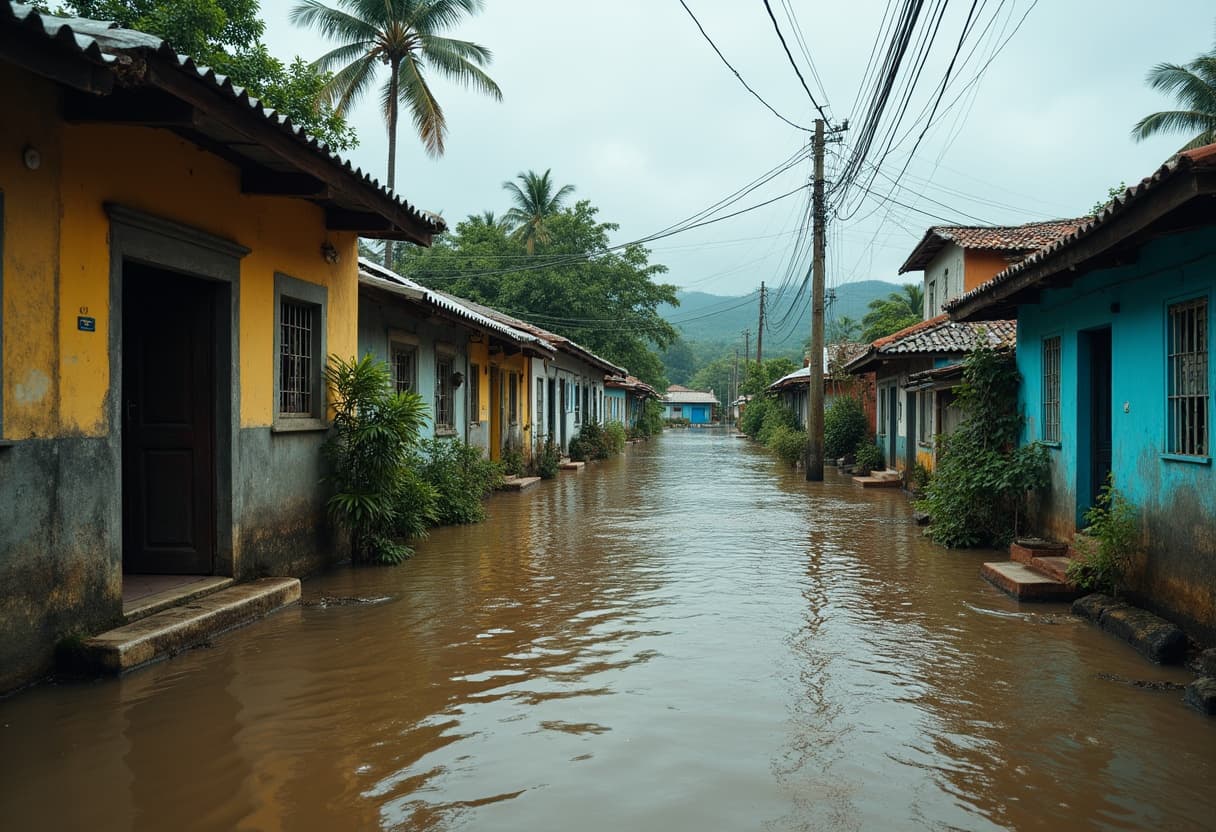
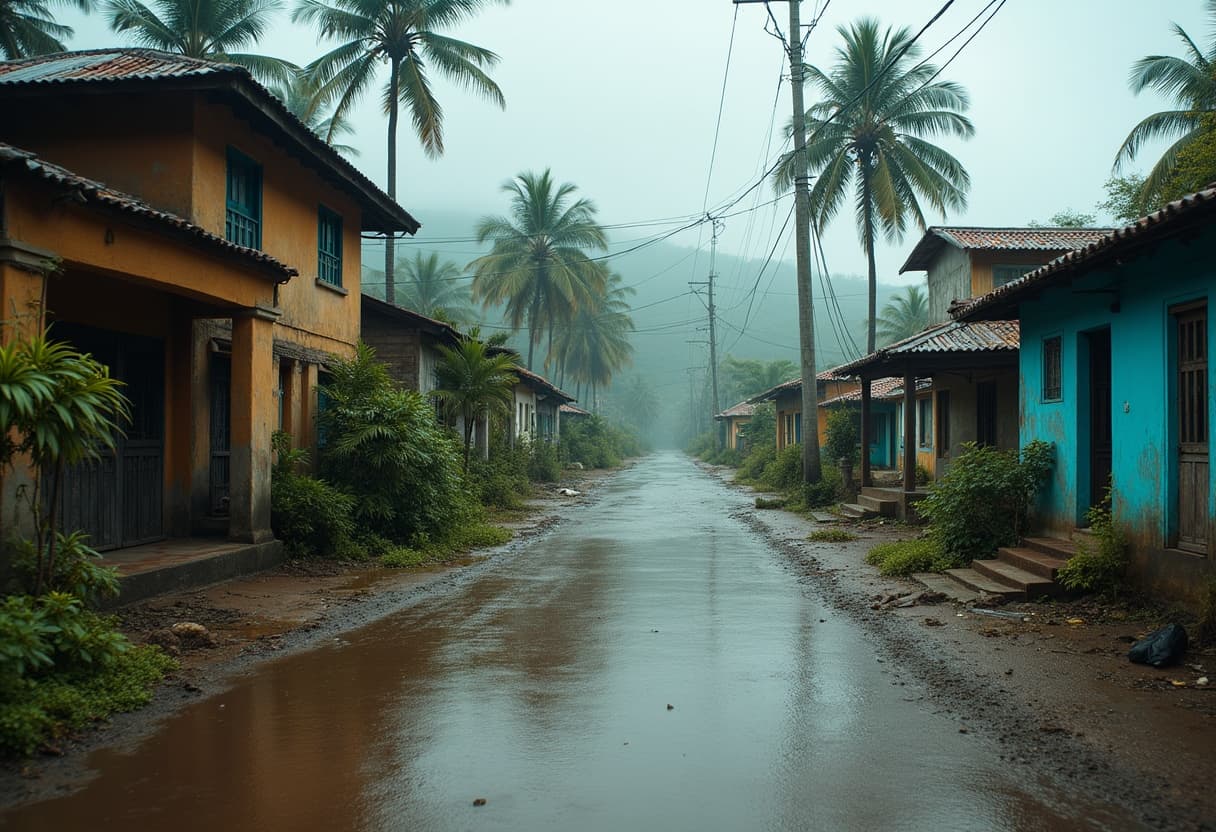
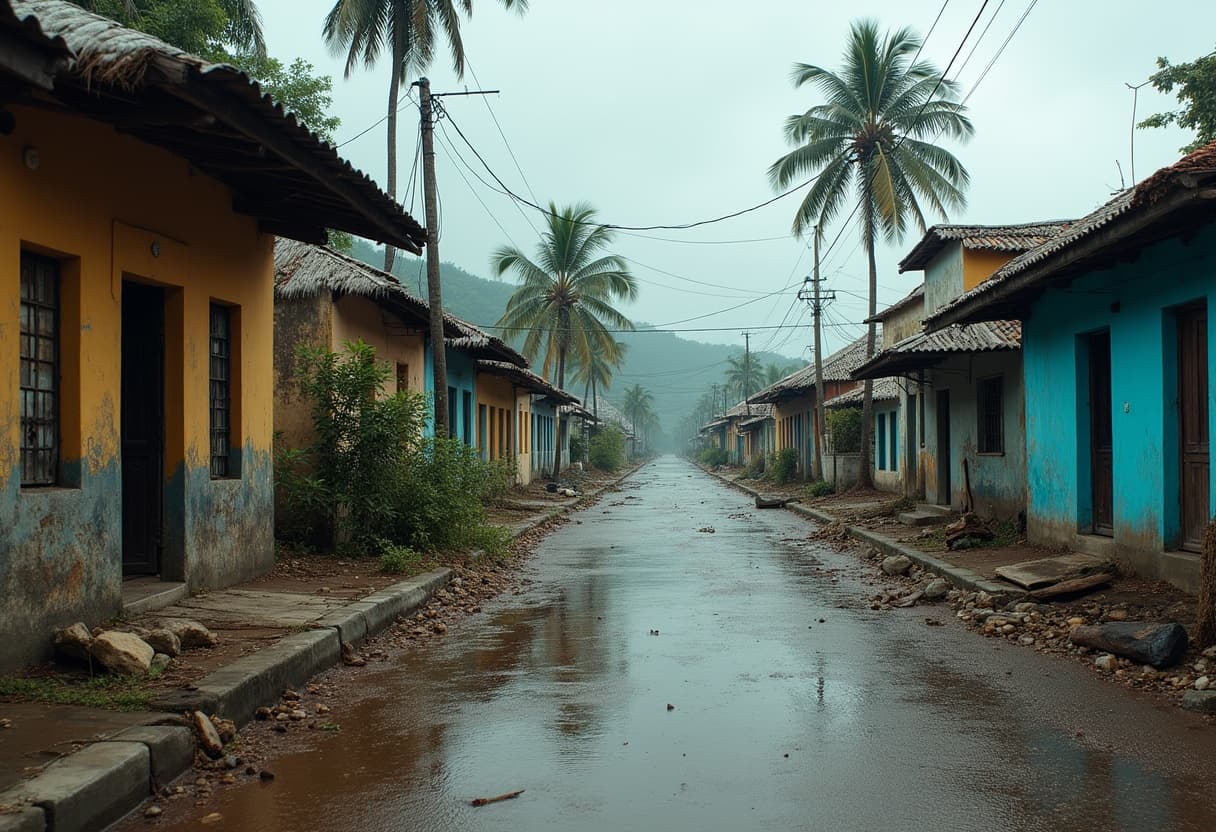
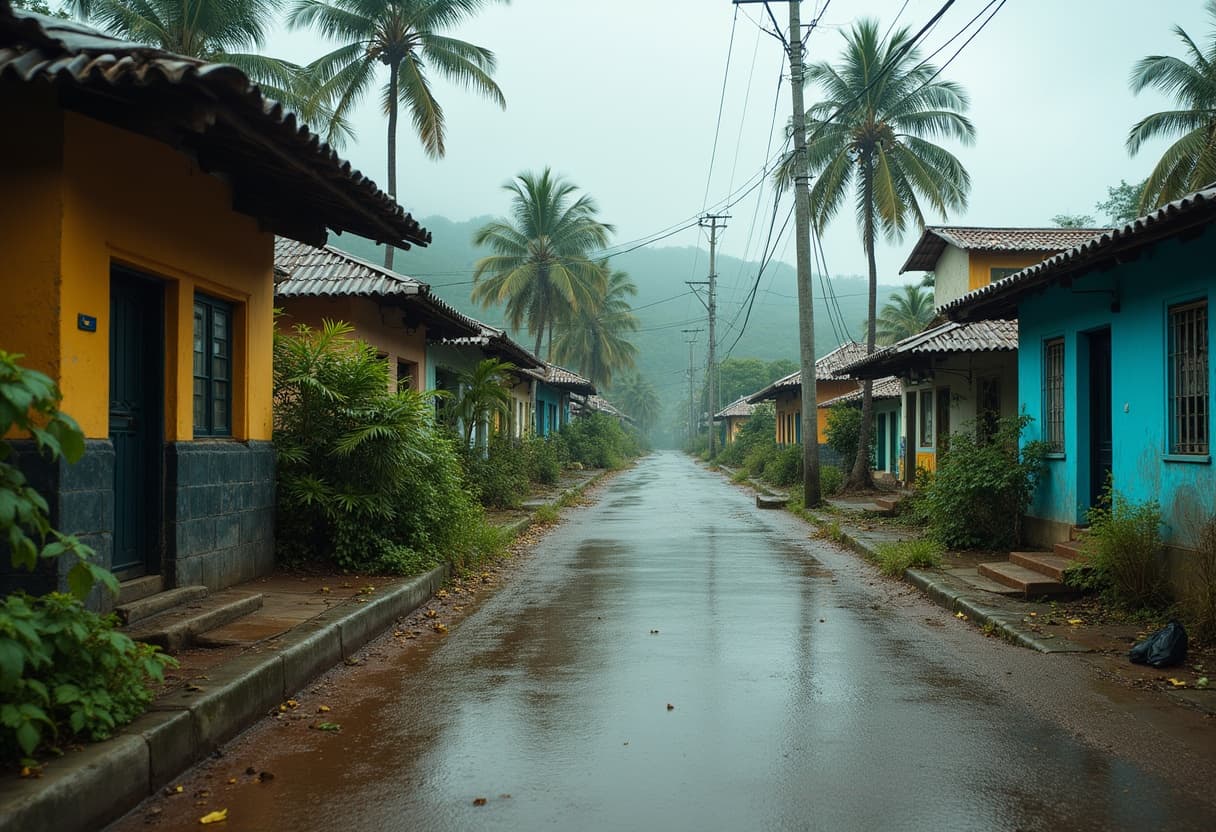
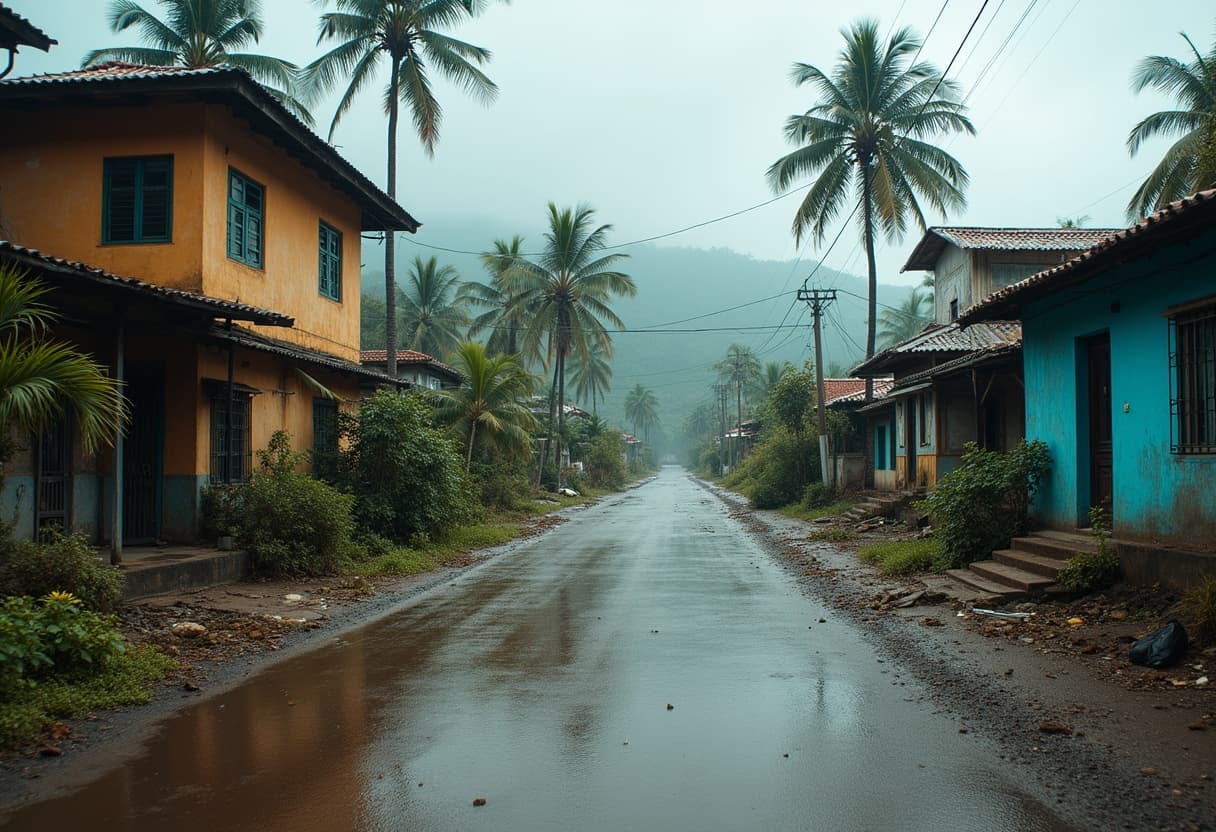
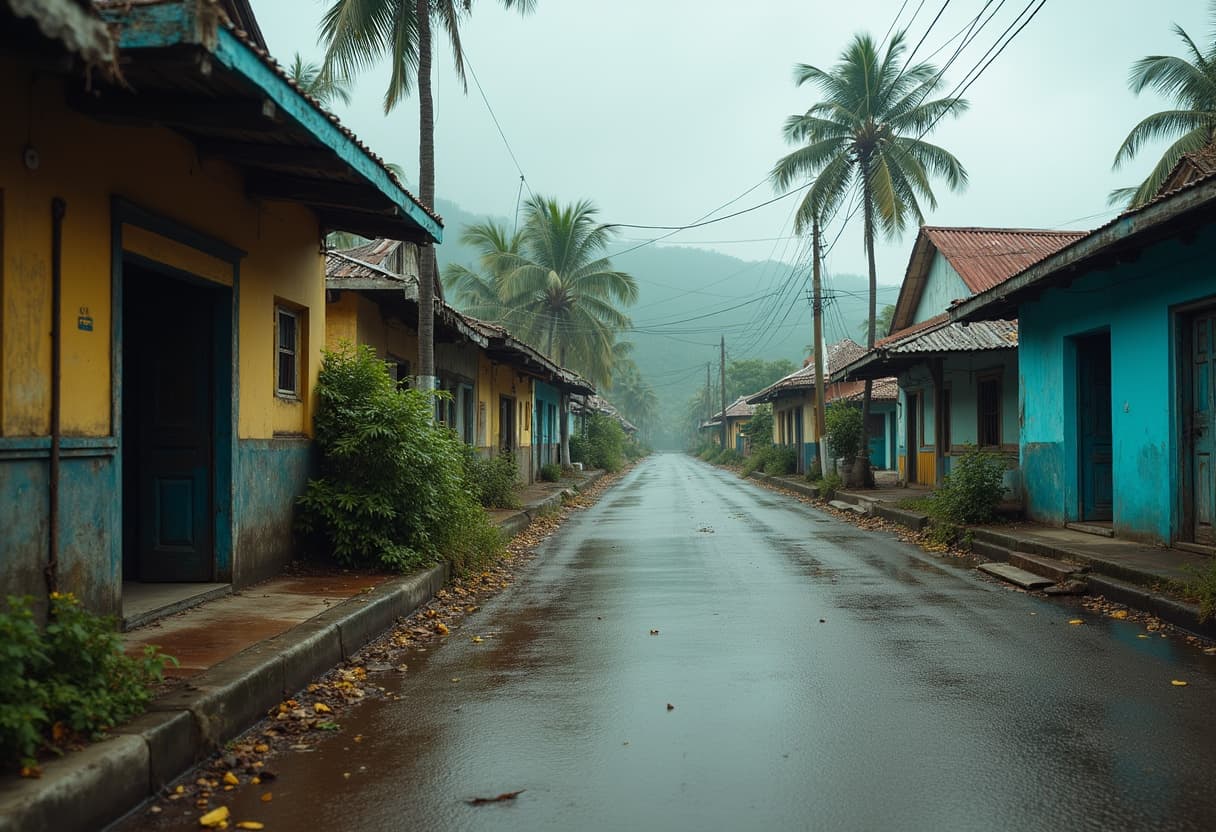
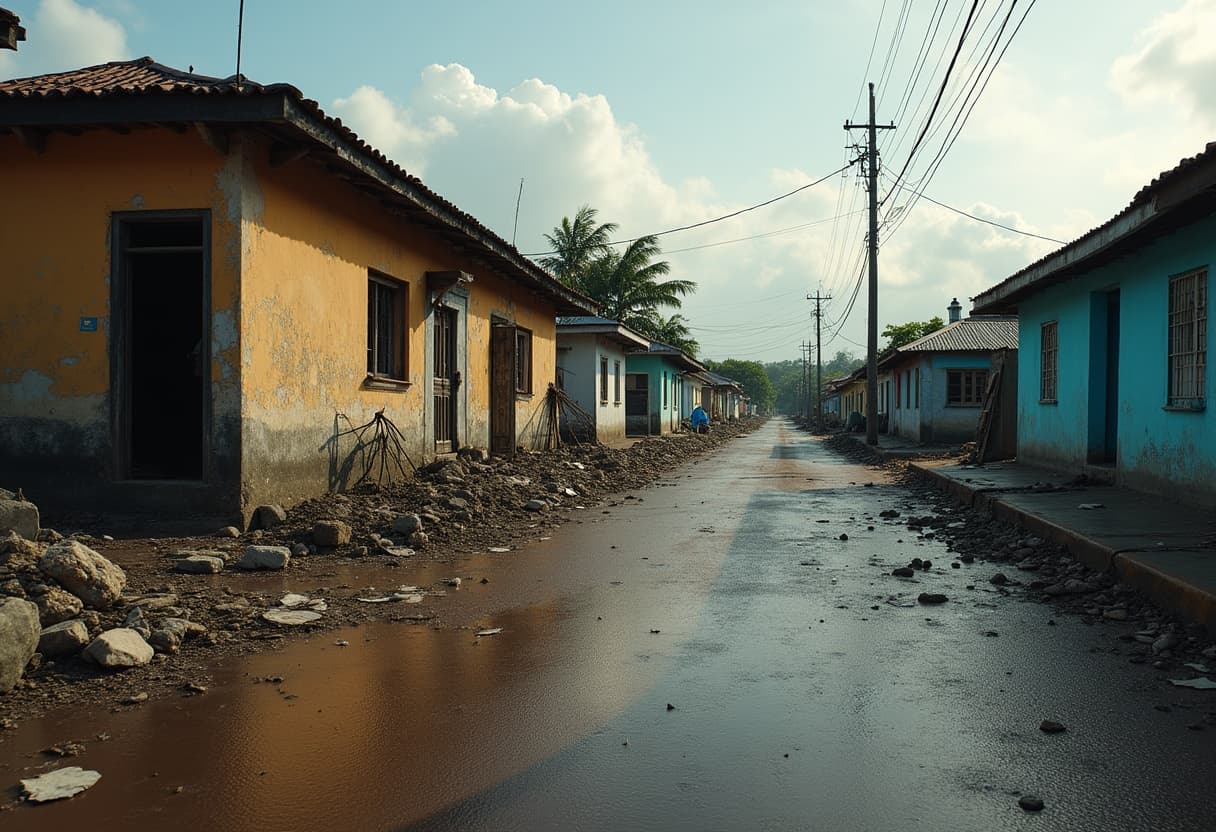
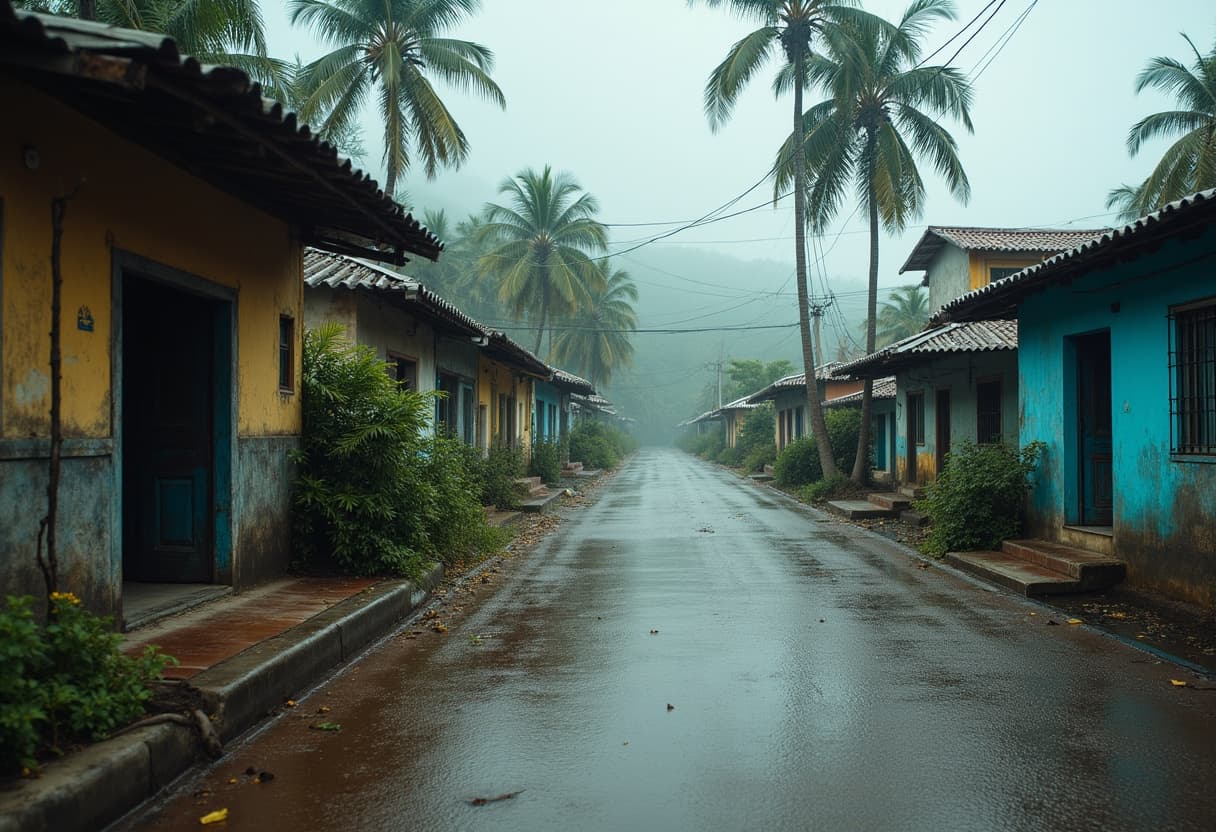
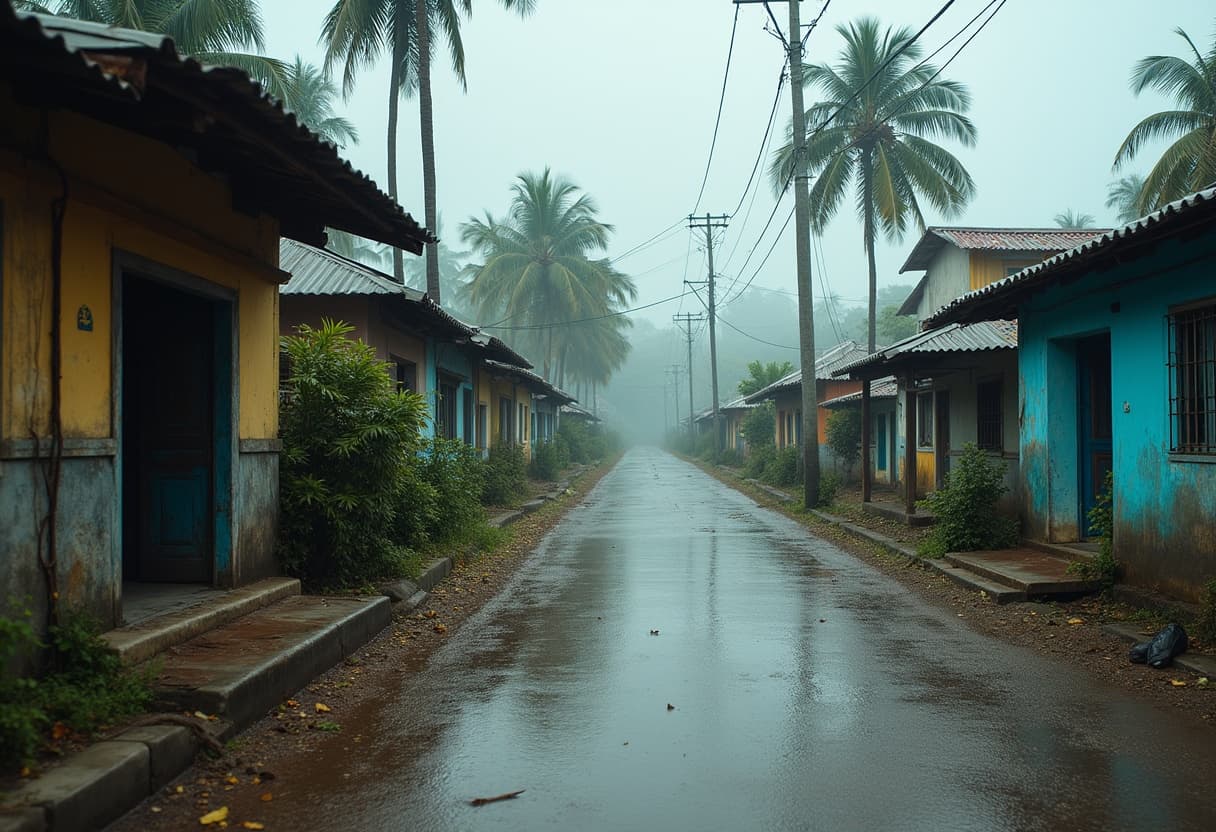
Already, reports from Jamaica’s central parish of Manchester and coastal towns like Alligator Pond depict scenes of upheaval: flooded streets, uprooted utility poles, and homes submerged in water forcing families to seek refuge on their rooftops. The damage wrought on community institutions is alarming – hospitals, schools, and homes have had roofs torn away by the relentless gusts.
Despite official warnings and an anticipated need to shelter 50,000 people, turnout to evacuation centers remains distressingly low, with only about 6,000 having sought refuge by Tuesday morning. Desmond McKenzie, Jamaica’s disaster response minister, implored citizens not to underestimate Melissa’s power, cautioning, "This is no time to be brave. Don't bet against Melissa. We cannot afford to lose lives."
The Human Side: Stories of Resilience and Fear
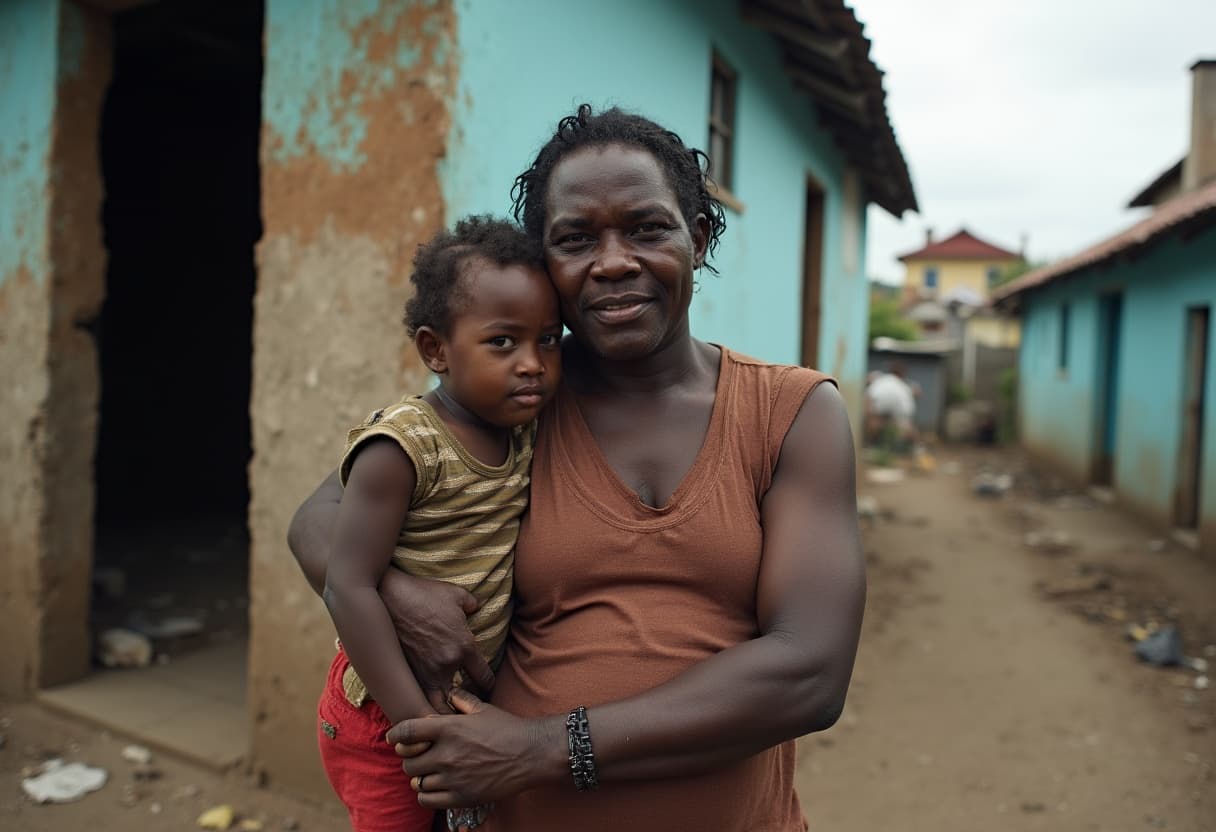
Communities are grappling with tough decisions balancing personal safety against fears of crime or lack of adequate shelter provisions. For example, Verona Sharma from Spanish Town took precautions by securing her metal roof and stockpiling water, yet her home suffered partial roof loss and erratic electricity. Her situation mirrors those of many Jamaicans trying to withstand the storm’s assault amidst dwindling resources.
Schools once damaged by previous hurricanes are now further battered. St. Elizabeth Technical High School suffered severe structural damage, including roofs lost from main buildings, reducing safe spaces critical during emergencies.
Slow-Moving Storm Raises Alarms Over Prolonged Impact
Melissa’s crawl over Jamaica at roughly 8 miles per hour stirs memories of destructive slow-moving hurricanes like Harvey in Texas and Dorian in the Bahamas, both of which inflicted historic rainfall and flooding. Forecasters predict Melissa’s rains to be measured not in inches but feet, threatening catastrophic floods across the island and neighboring Caribbean countries.
This phenomenon is increasingly common due to climate change, as warming ocean temperatures—in Melissa’s case approximately 2.5°F above average—fuel rapid storm intensification. Experts warn such violent storms may become the new normal, urging governments and communities to prioritize climate-resilient infrastructure and early evacuation protocols.
Regional and International Response
With Jamaica heavily reliant on tourism for nearly a third of its economy, the stakes are extraordinarily high. Emergency agencies are mobilizing, preparing for immediate relief efforts as the storm abates. Meanwhile, Cuba gears up for impact; nearly 900,000 people have been urged to evacuate the eastern provinces, with around 425,000 sheltered to date.
The United States military and international organizations are positioning resources to assist, highlighting the escalating role of global cooperation in managing climate-related disasters. The Pan American Health Organization has already flagged urgent public health concerns including potential outbreaks of disease, water contamination, and mental health crises arising from prolonged displacement and trauma.
Questions for the Future: Preparing for a Warming World
Melissa’s devastation exposes troubling gaps in preparedness, highlighting the complexity of evacuation logistics complicated by social fears and limited shelter capacities. It raises pressing questions for policymakers and emergency planners:
- How can Caribbean nations enhance early warning systems and increase community trust in evacuation orders?
- What measures can reduce economic disruption in tourism-dependent economies vulnerable to climate disasters?
- How will rising sea surface temperatures continue to accelerate hurricane intensification, and what strategies can mitigate these effects?
As the storm progresses toward Cuba and potentially the southeastern United States, ongoing vigilance and coordinated response remain paramount.
Editor’s Note
Hurricane Melissa is a stark reminder of the increasing challenges posed by climate change-driven extreme weather events. Beyond the immediate destruction, Melissa underscores the urgency of strengthening disaster resilience, investing in infrastructure, and addressing social inequalities that complicate evacuation and recovery. Readers are encouraged to follow official updates and consider the balance of human courage and prudence during such crises. The lingering question remains: how effectively can nations like Jamaica and its neighbors adapt to a future where hurricanes of Melissa's caliber are no longer rare, but recurrent?