
Jamaica Faces Hurricane Melissa Armed with a Sophisticated Financial Defense
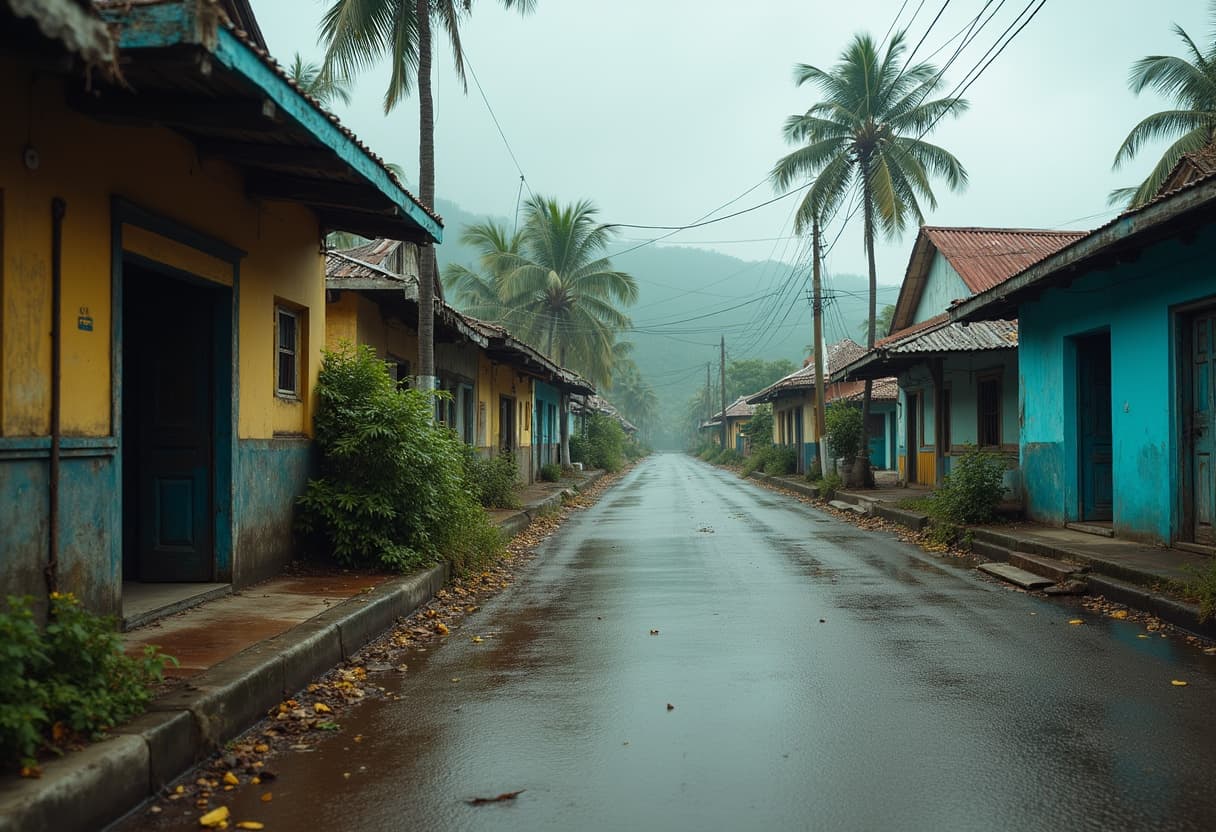
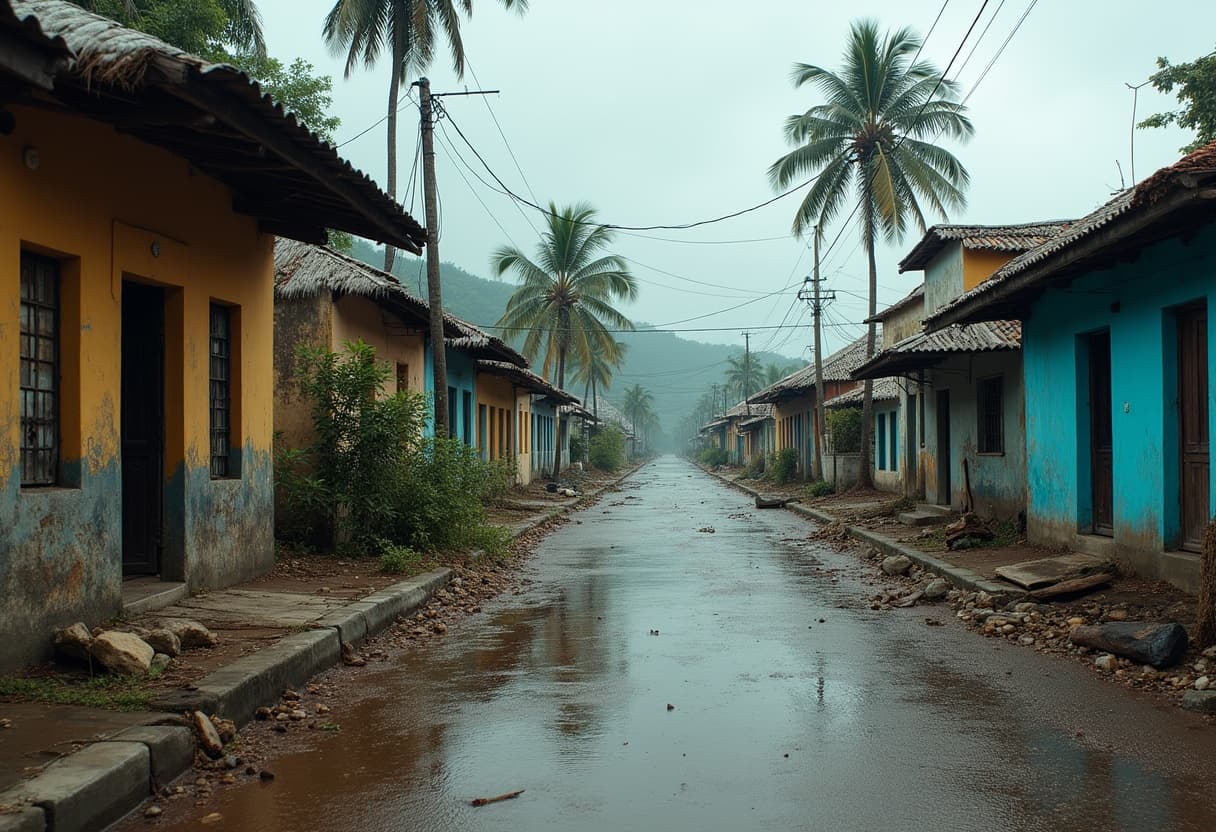
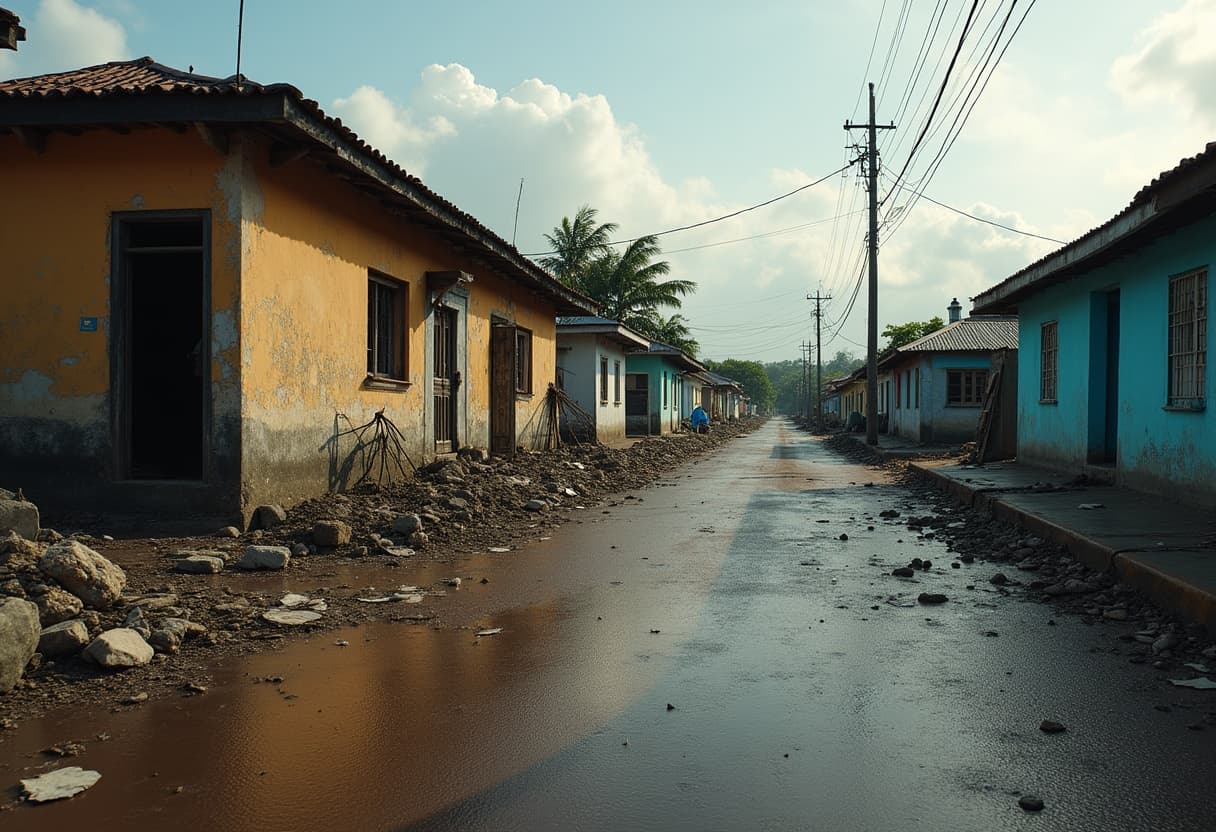
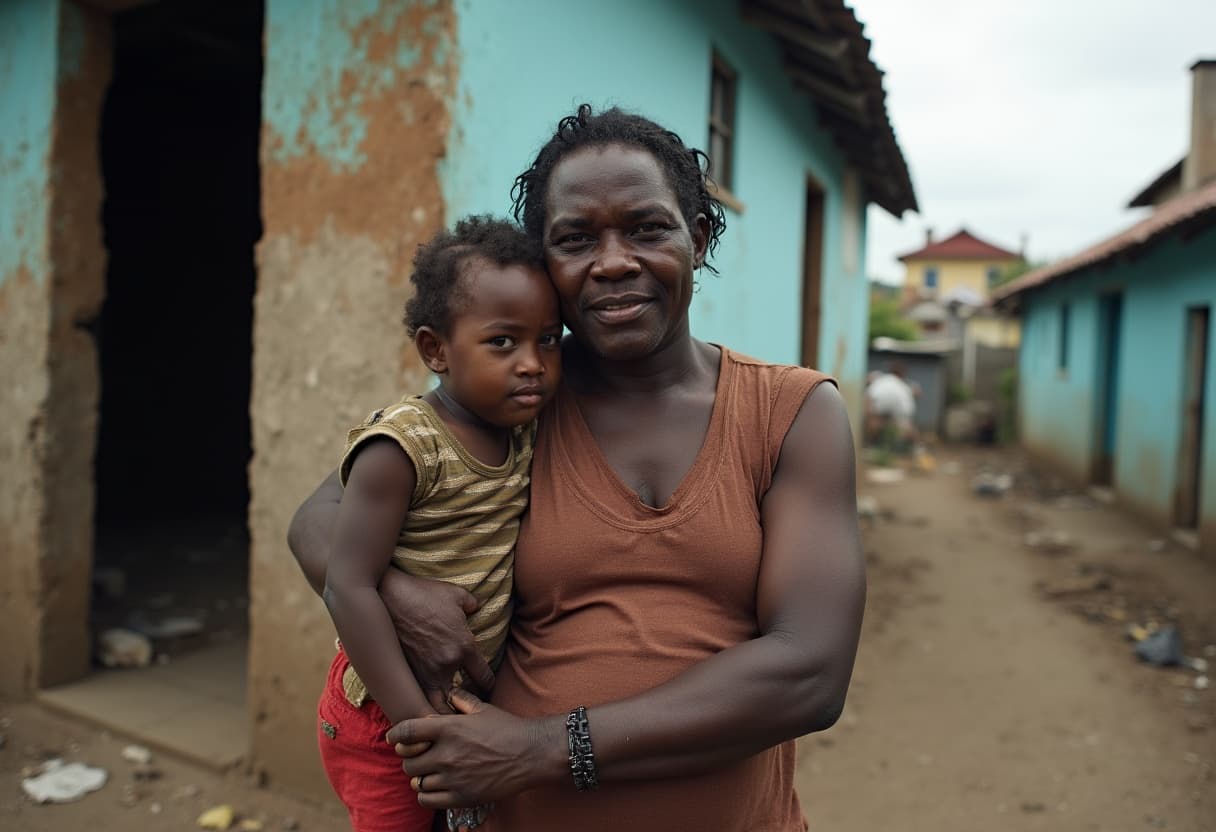
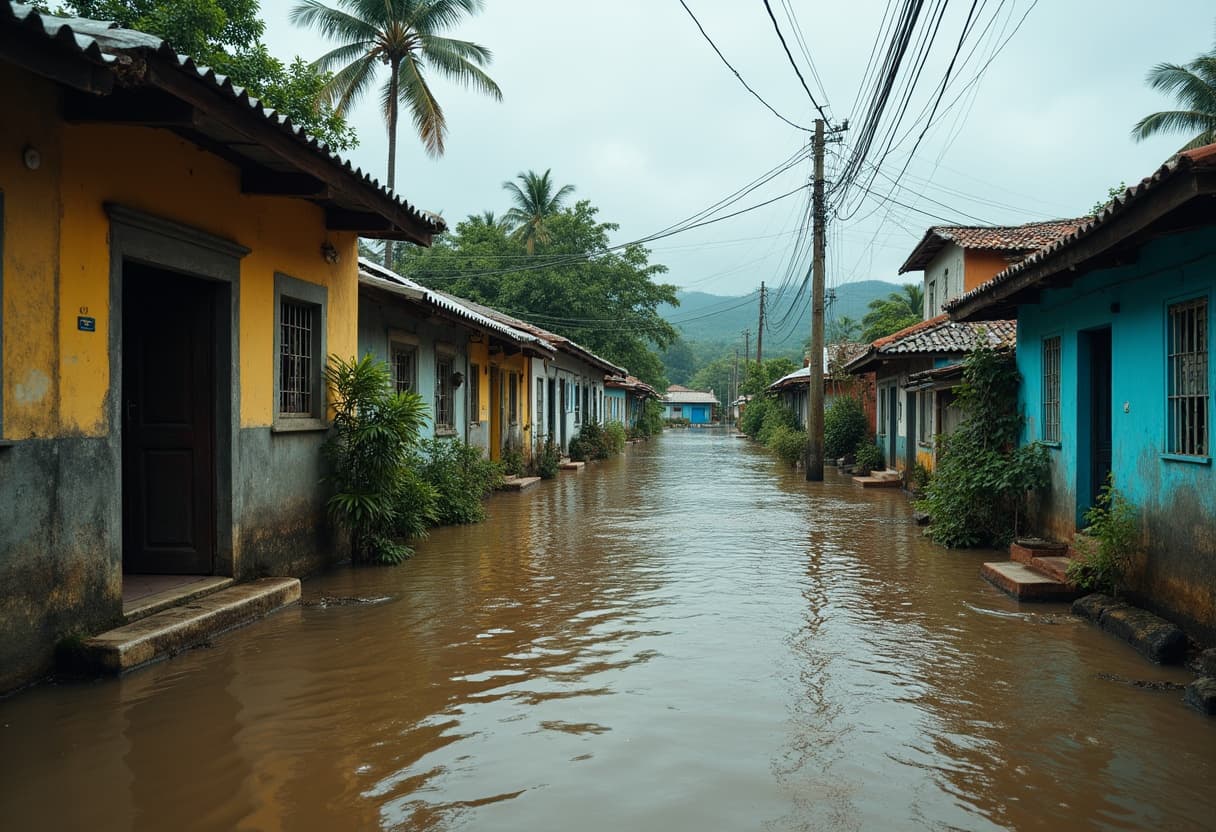
Hurricane Melissa unleashed devastating winds and relentless rains that leveled crop fields, homes, and businesses across Jamaica. While the storm’s immediate physical destruction weighs heavily on the island, experts suggest Jamaica’s meticulously crafted financial safeguards—developed over recent years—may cushion the economic blow. This multilayered approach in disaster risk financing marks a progressive shift for a nation regularly under threat from powerful hurricanes.
Building a Financial Fortress Against Natural Disasters
Jamaica's Finance Minister, Fayval Williams, underscored the government’s foresight during a press briefing: “We cannot prevent these storms, but we can prepare financially to absorb their shocks.” In fact, Jamaica’s disaster risk financing framework totals approximately $820 million this year alone.
The Caribbean island, with 82 percent of its population living near vulnerable coastlines (World Bank data), faces significant exposure to hurricanes and flooding. Given the widespread lack of private property insurance, the government’s proactive strategy is a critical lifeline.
The Layers of Jamaica’s Disaster Financing Strategy
- Immediate Access Funds: National disaster and contingency funds allow swift government response for emergency needs such as shelters and supplies.
- Regional Insurance Pool: Jamaica can tap into a Caribbean-wide insurance collective designed to share risk across nations.
- International Loans: Pre-approved credit lines, including those from the World Bank, enable access to substantial capital when required.
- Catastrophe Bonds ($150 million): These bonds transfer risk from Jamaican taxpayers to global investors, earmarked for extreme disasters. Activation depends on precise storm metrics—intensity and location—that set a high threshold.
“If one layer’s funds run out, we have another ready to deploy,” said Minister Williams, highlighting the system’s built-in resilience.
Why Hurricane Melissa Could Be a Defining Moment
Jamaica’s sophisticated financial “fortress” was tested but never triggered during Hurricane Beryl in 2024, despite Beryl’s intensity and estimated $995 million in damages. That storm narrowly missed activating Jamaica’s catastrophe bond, reflecting the stringent criteria set to avoid frequent fund depletion.
Melissa’s path and strength, however, suggest it may breach those thresholds. Economist Mikol Mortley puts it simply: “Melissa will show if Jamaica’s fiscal discipline and disaster preparedness are truly paying off.”
The Economic Toll and Long-Term Outlook
Some disaster modelers warn damages could range between $2 billion and $8 billion, potentially hitting almost one-third of Jamaica’s GDP. This scale underscores that financial tools are designed primarily to jumpstart recovery and emergency repairs—not cover total reconstruction costs.
Keenan Falconer, a Jamaican economist, notes, “While funds won’t solve every reconstruction need, they drastically improve capacity to respond swiftly and protect citizens.” Long-term rebuilding, he explains, must leverage domestic revenues and international aid, underscoring the need for a combined approach.
Economic Resilience Amid New Challenges
Jamaica’s recent history includes a near-drowning in debt, but decade-long fiscal reforms have restored greater stability. Yet, uncertainty looms: will the economic shock from Melissa derail debt-to-GDP targets? As Mortley points out, this remains to be seen.
With vital infrastructure—roads, hospitals, schools—damaged, the island now faces the intricate balance of maintaining fiscal discipline while accelerating recovery.
Looking Ahead: Lessons from Jamaica’s Approach
Jamaica's example offers a compelling case study for other disaster-prone nations wrestling with how to safeguard their economies against increasingly frequent and severe weather. By layering insurance, bonds, and international credit, it transfers risk thoughtfully and avoids overburdening taxpayers.
However, it also raises essential questions about the limits of financial strategies in the face of climate change. How can countries expand resilience beyond immediate disaster response to sustainable, long-term adaptation? And what role should global partners play in supporting vulnerable economies when national resources run thin?
Editor’s Note
Jamaica’s robust disaster financing exemplifies proactive governance, yet Hurricane Melissa reveals both strengths and critical gaps in managing natural catastrophes. As climate volatility intensifies, this story invites reflection on how small nations can innovate risk management while balancing economic realities. For policymakers and citizens alike, it is a reminder that fiscal resilience is as crucial as physical preparedness—and that international cooperation remains key to navigating the uncertain storms ahead.