Black River, Jamaica: A Community in Ruins After Hurricane Melissa
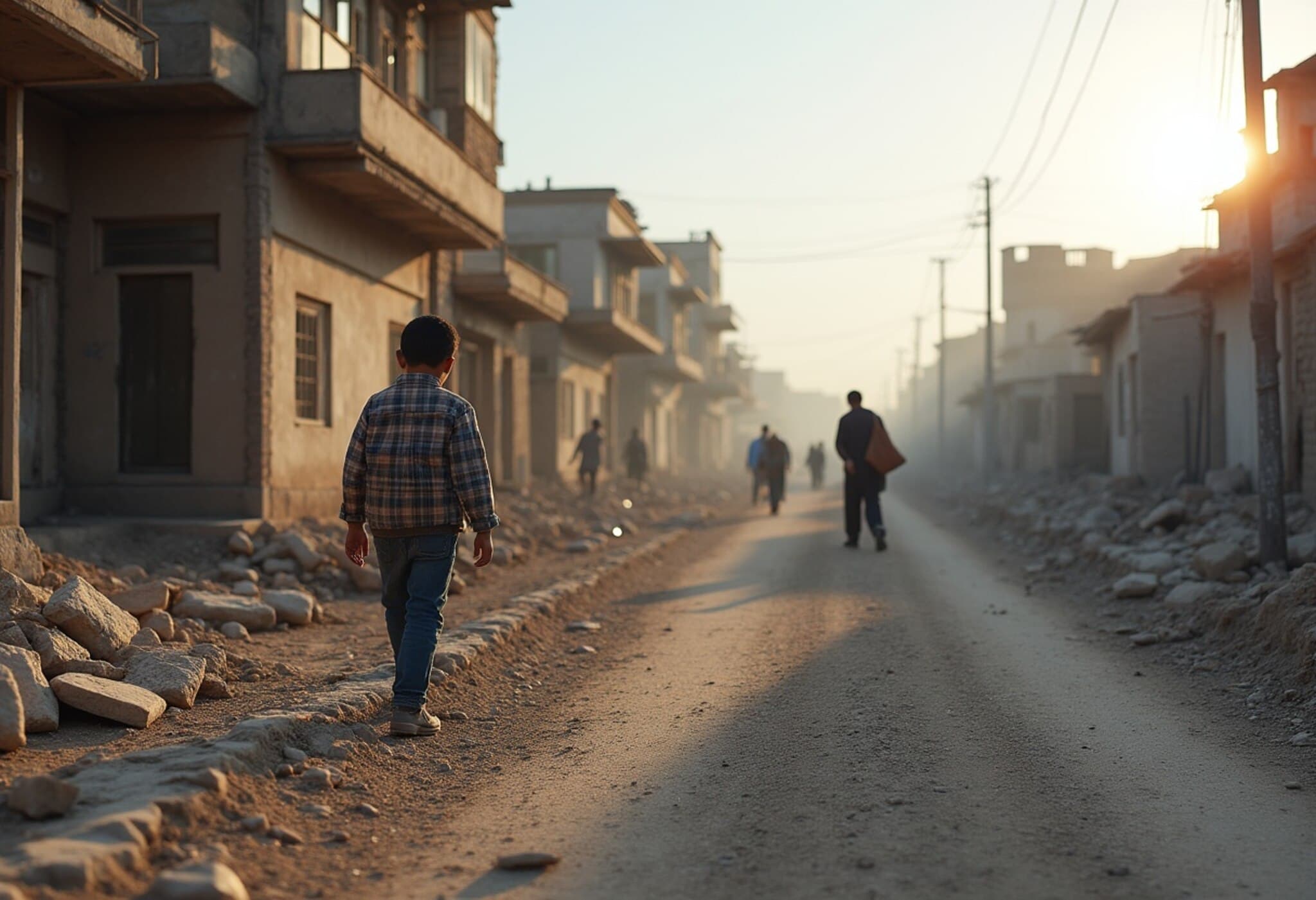
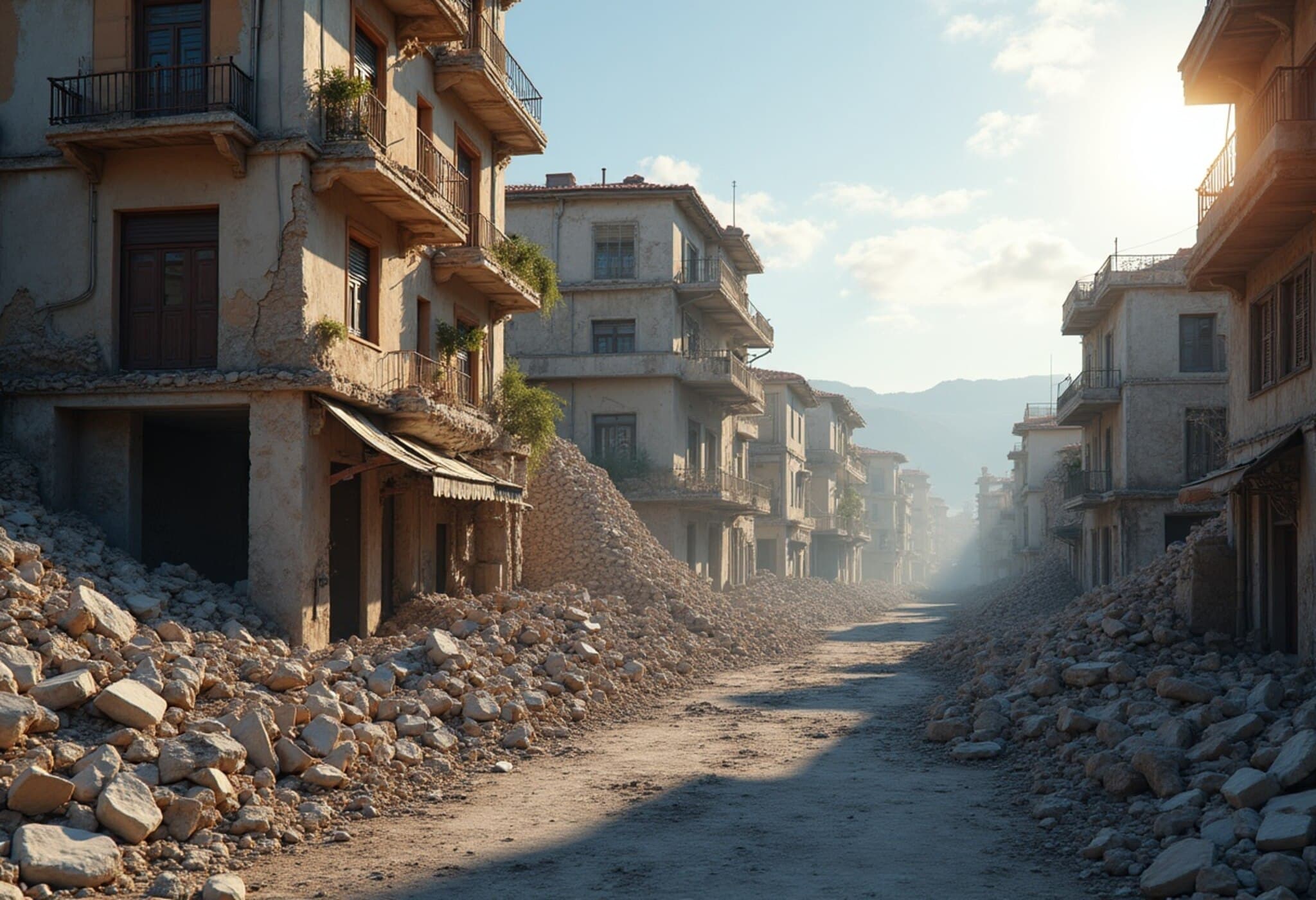
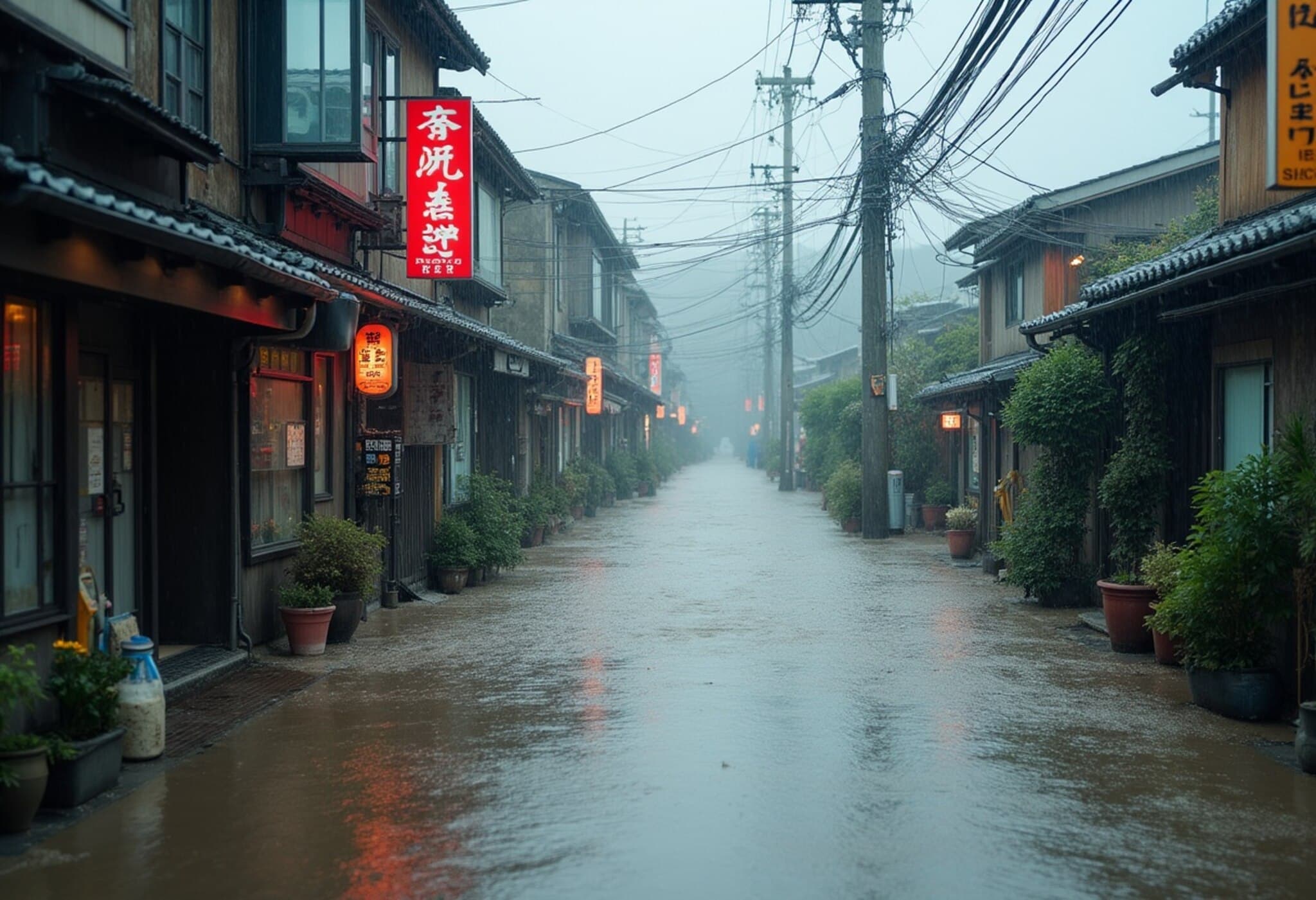
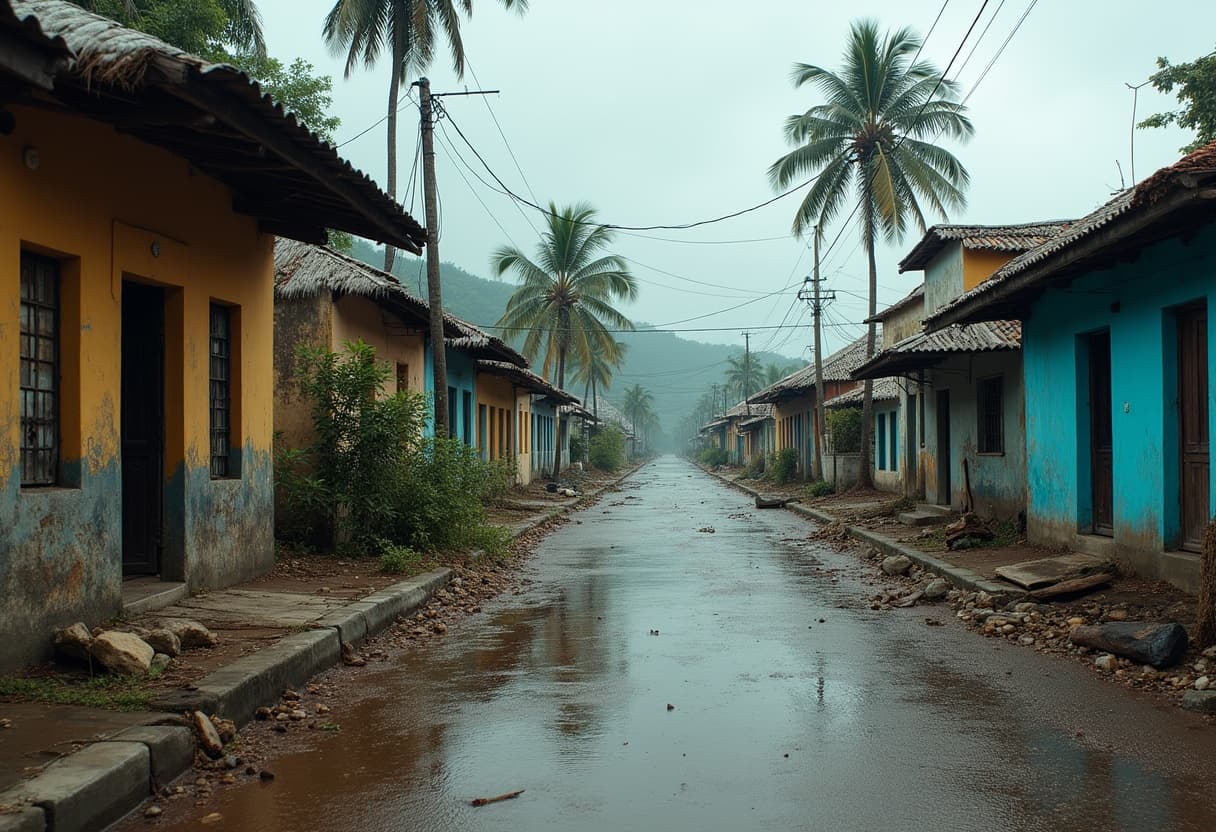
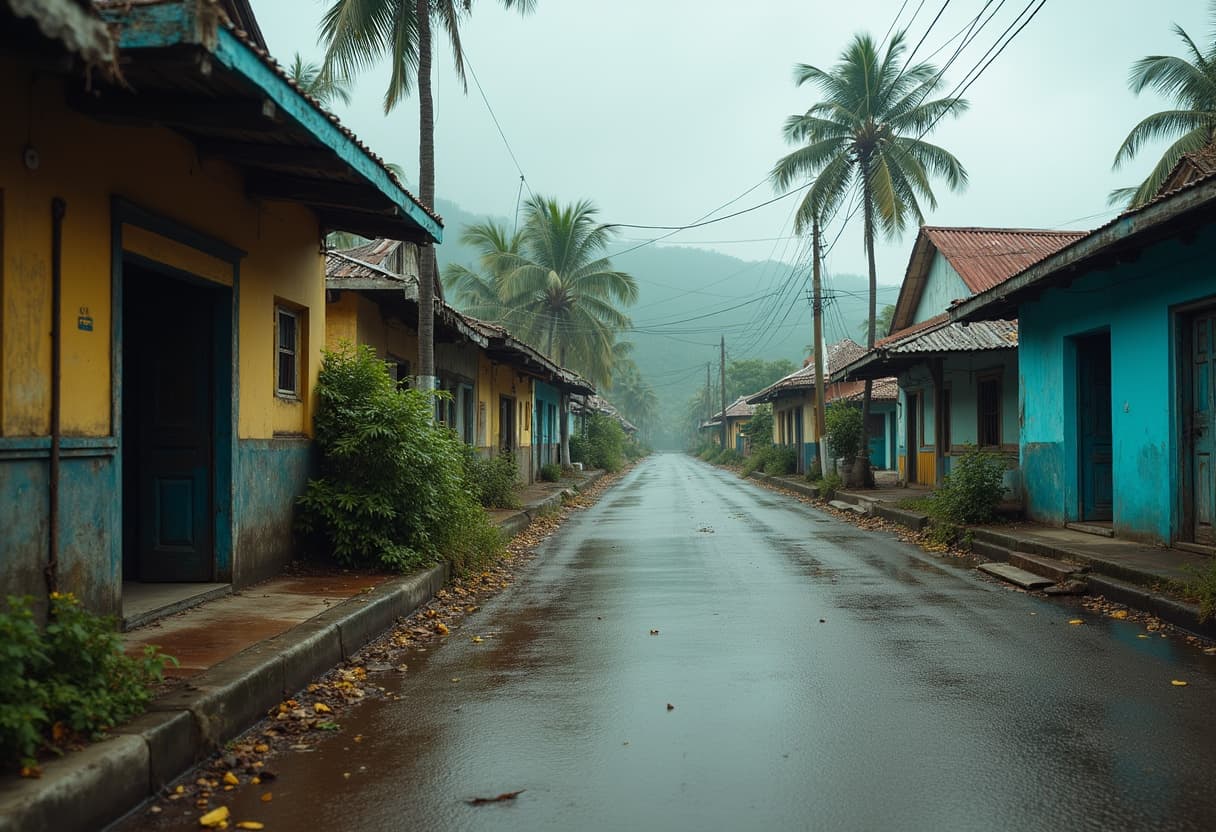
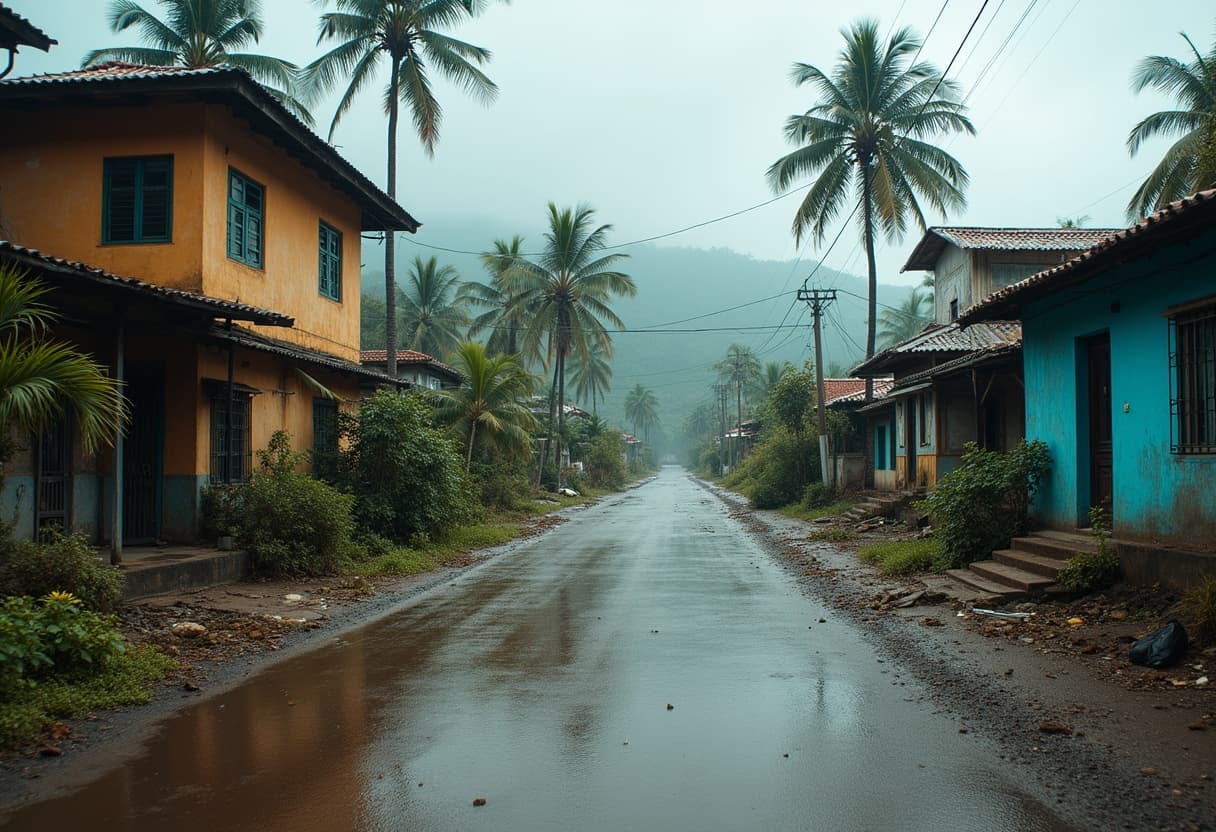
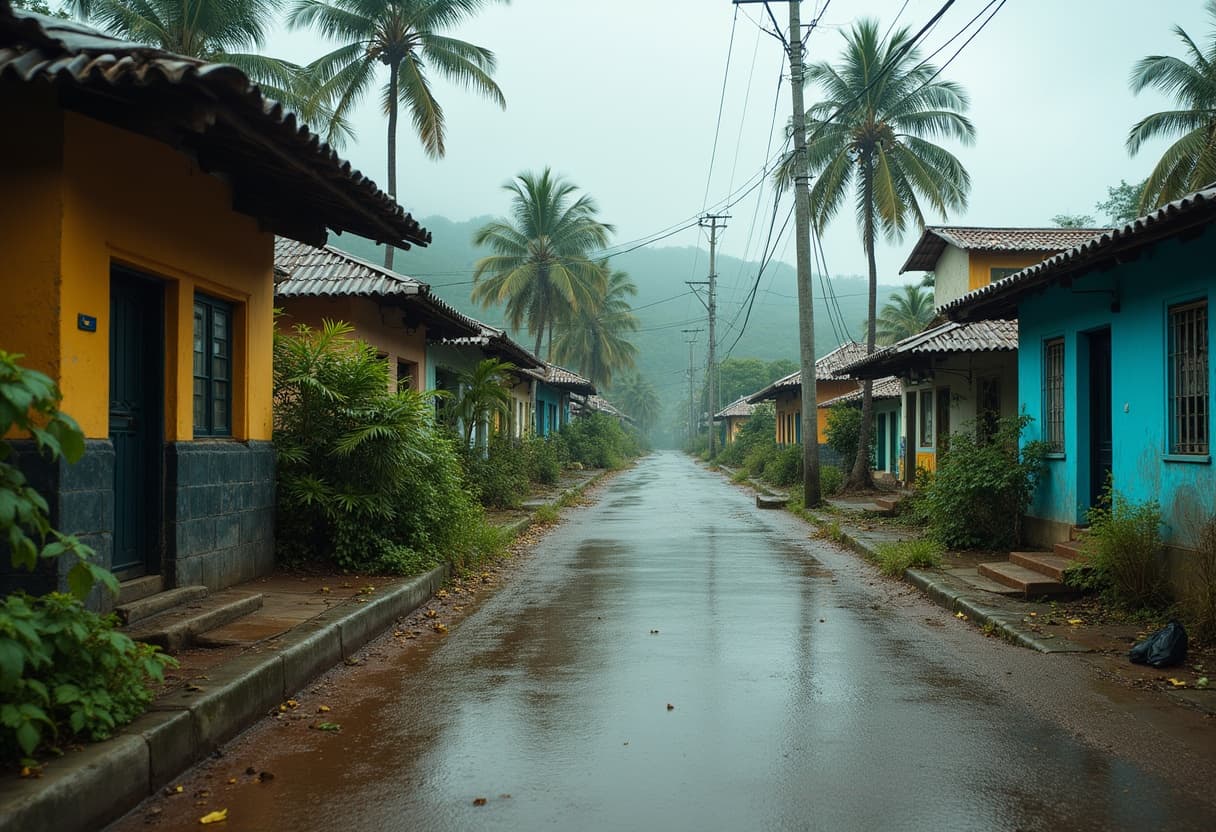
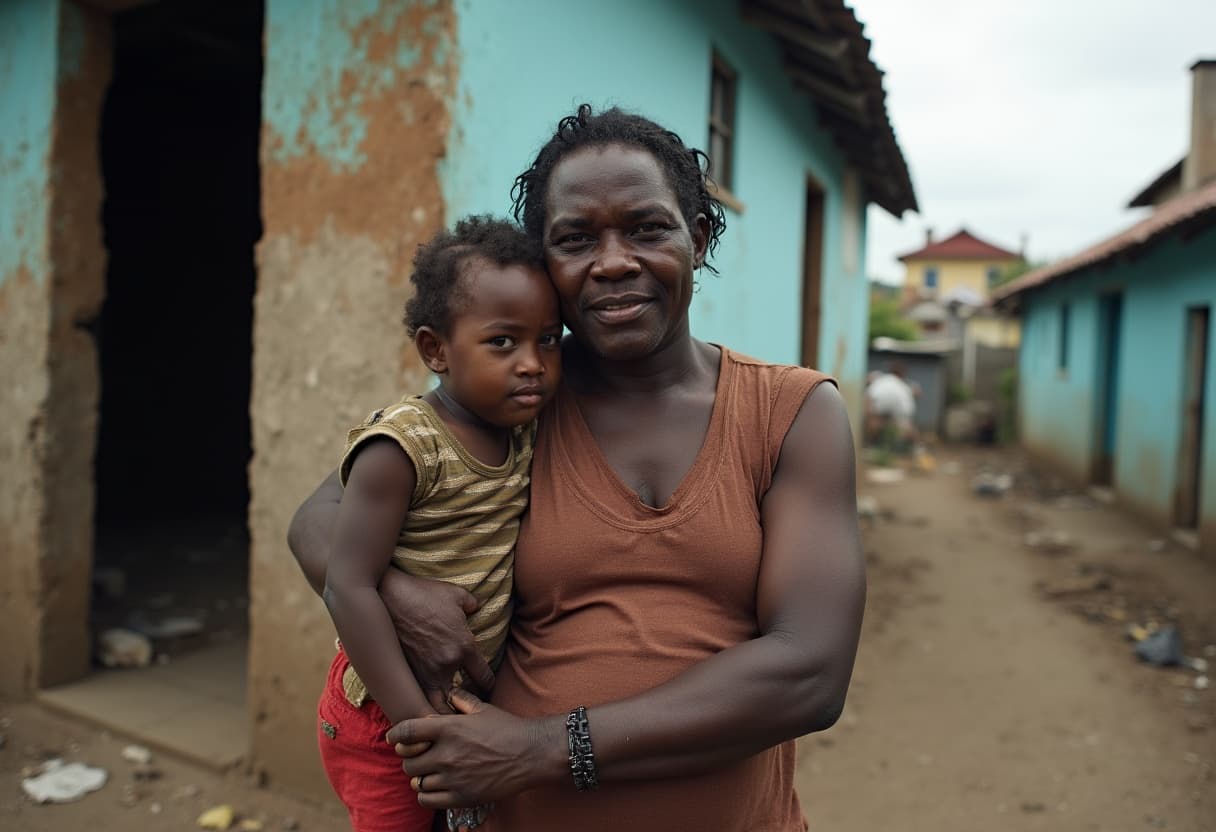
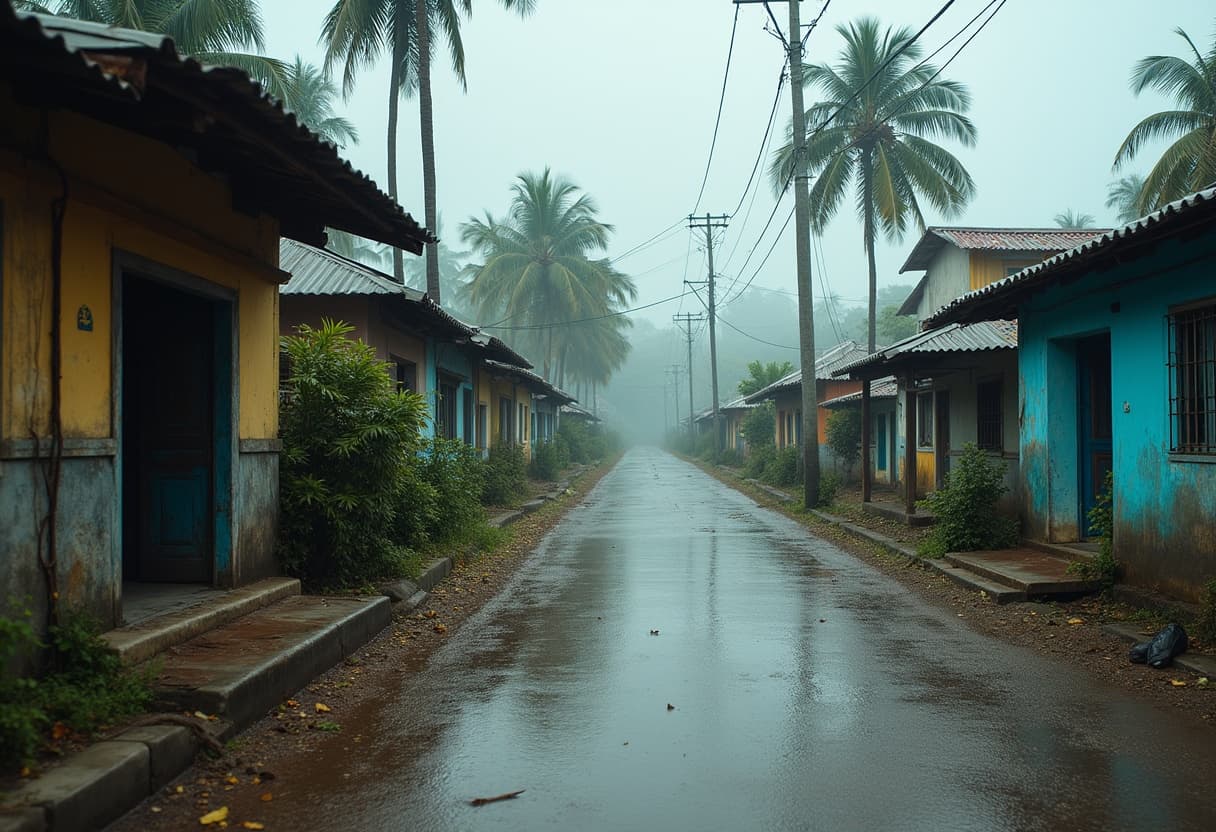
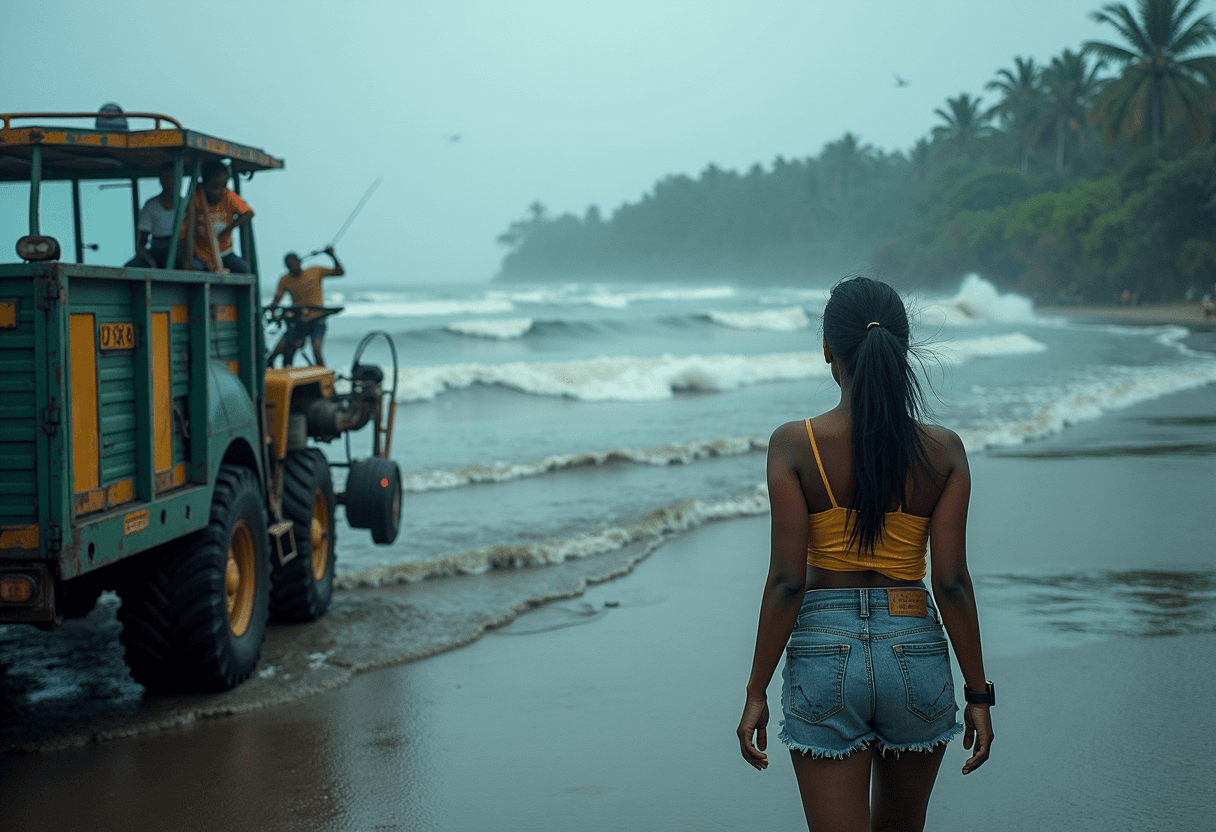
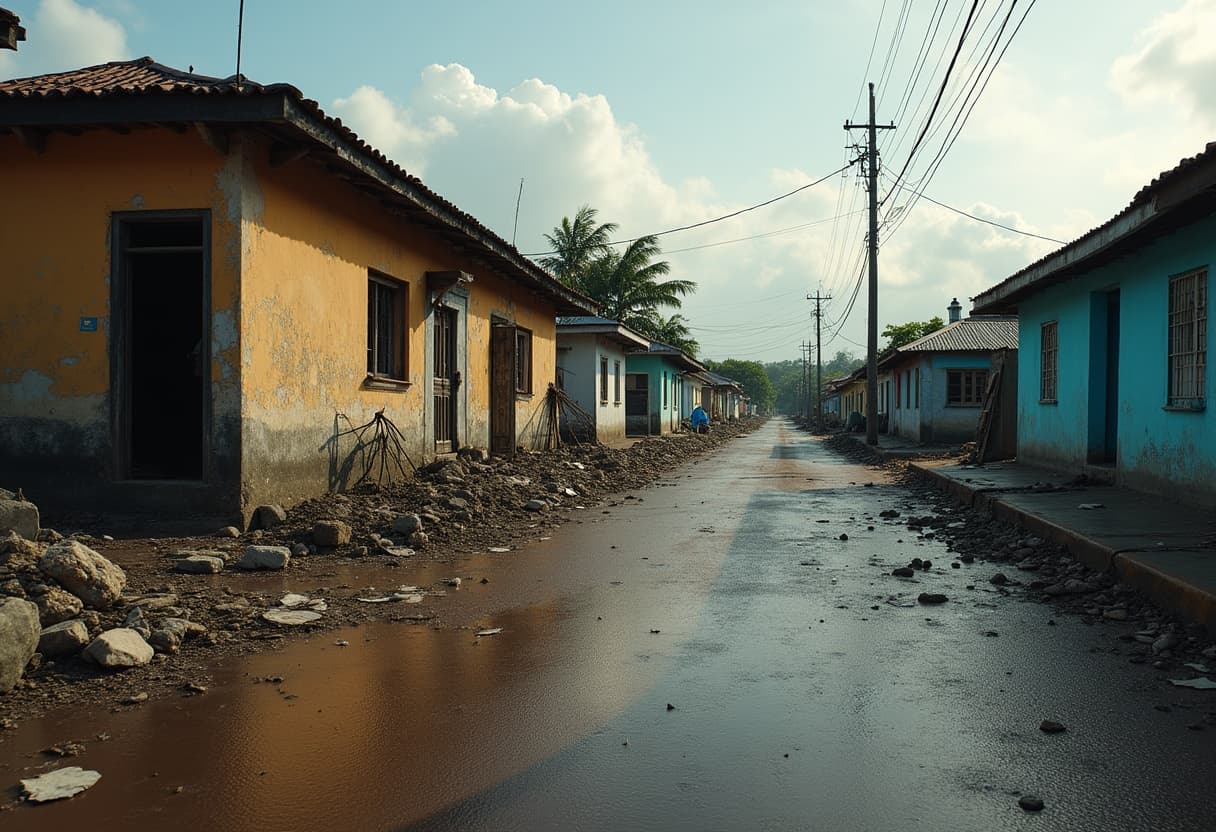
Last week, Hurricane Melissa struck Jamaica as a catastrophic Category 5 storm, decimating vast swaths of the island and leaving Black River, a coastal town of roughly 5,000 residents, in near-total ruin. With ninety percent of homes destroyed and public infrastructure in tatters, Black River stands as a stark symbol of the challenges facing Jamaica’s southern coast in the aftermath of this historic tempest.
Devastation Amid Historic Coastal Charm
Black River, once a thriving hub known for its shrimp and freshwater fisheries, also holds a notable place in history for being one of the first Jamaican towns to electrify a residence — dating back to 1893, preceding parts of the United States in this modern advancement. Yet the hurricane spared little in its path, turning landmarks such as St. Theresa’s church, the courthouse, schools, and the sprawling downtown into ruins.
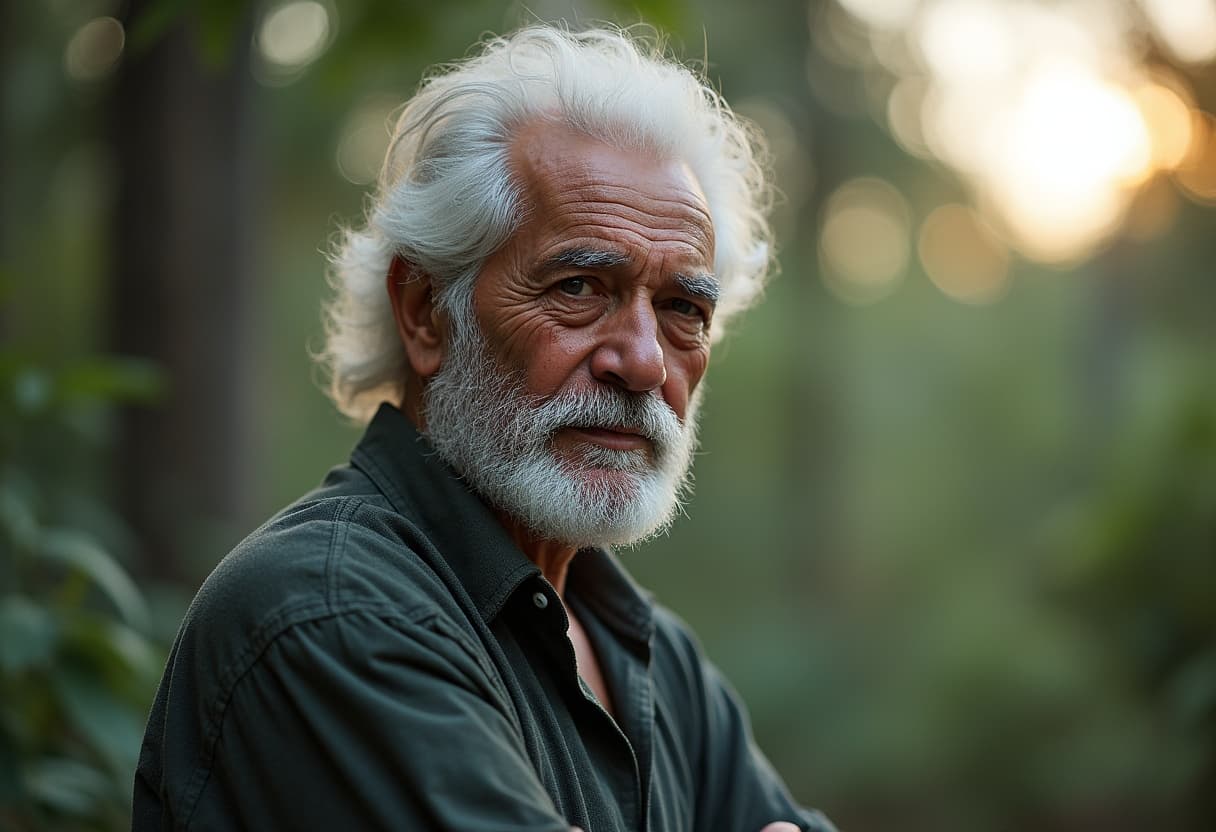
Father Thomas Ngigi, a Kenyan priest assigned to St. Theresa’s parish, describes the scene with somber resilience. Though the hurricane ripped away the church’s roof and stripped away pews and furnishings, the crucifix, tabernacle, and a statue of the patron saint remained untouched—symbols of hope amid disaster. “People ask to shelter here at night, but the whole place is blown apart,” he reflects quietly.
The Human Toll and Ongoing Crisis
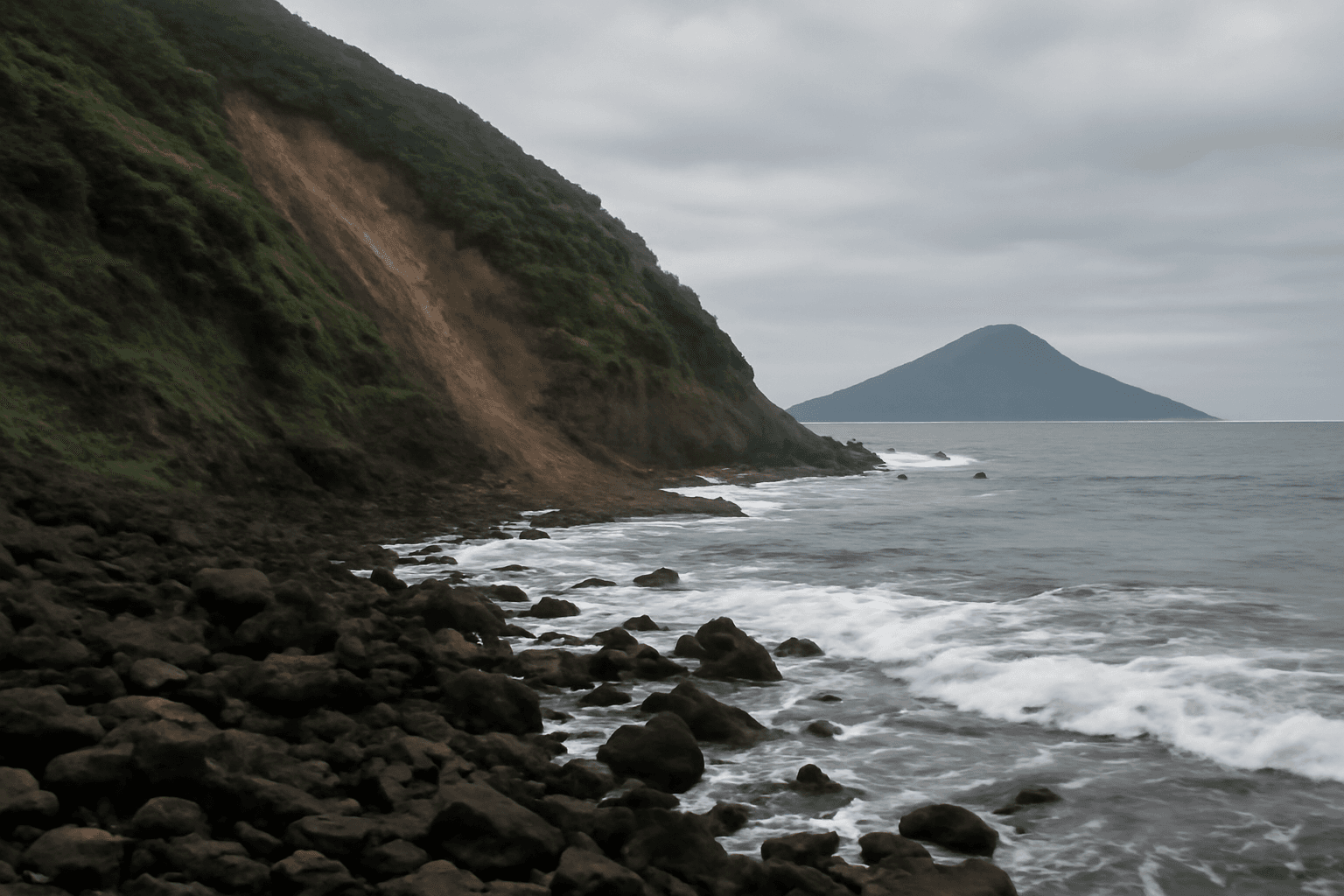
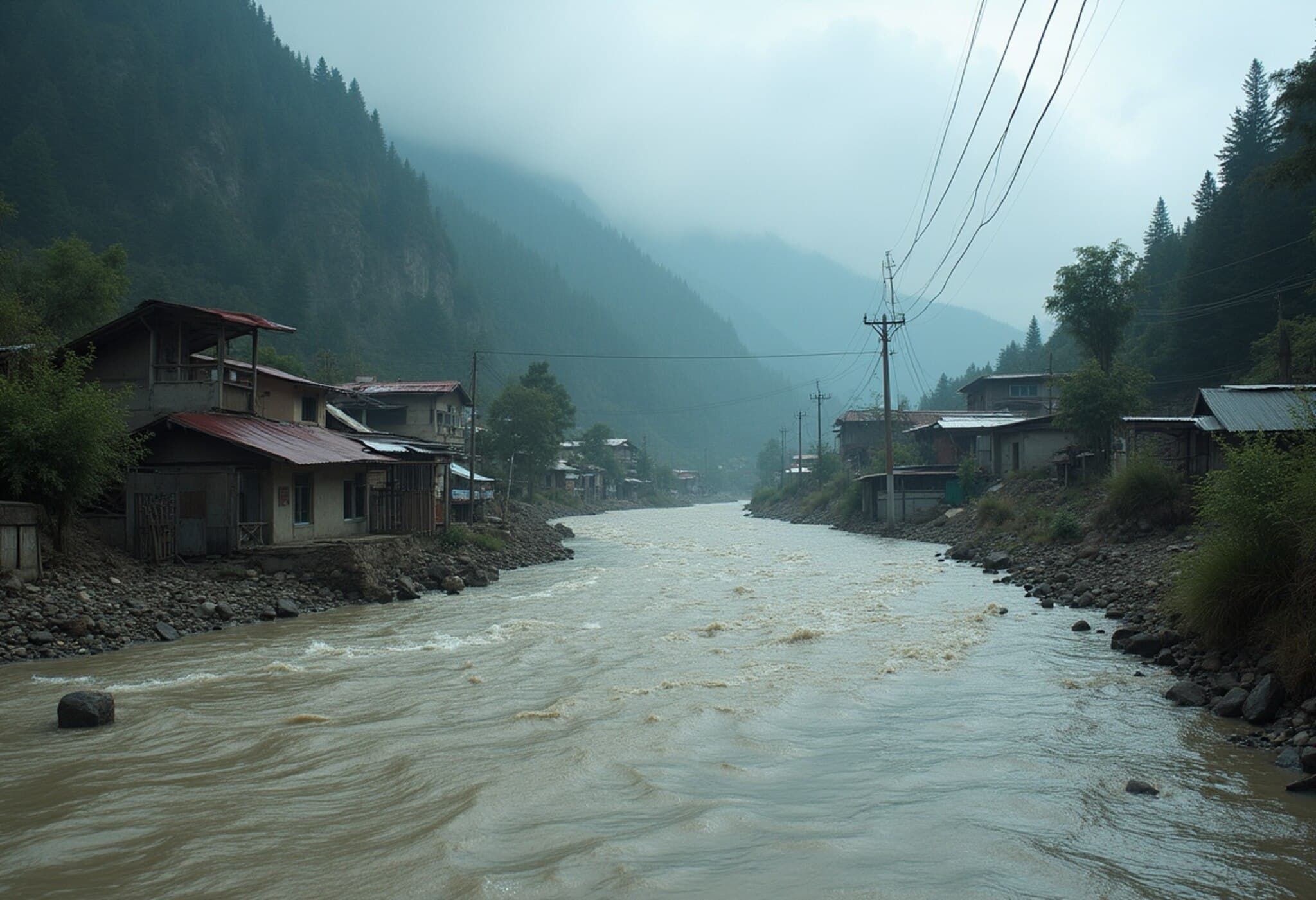
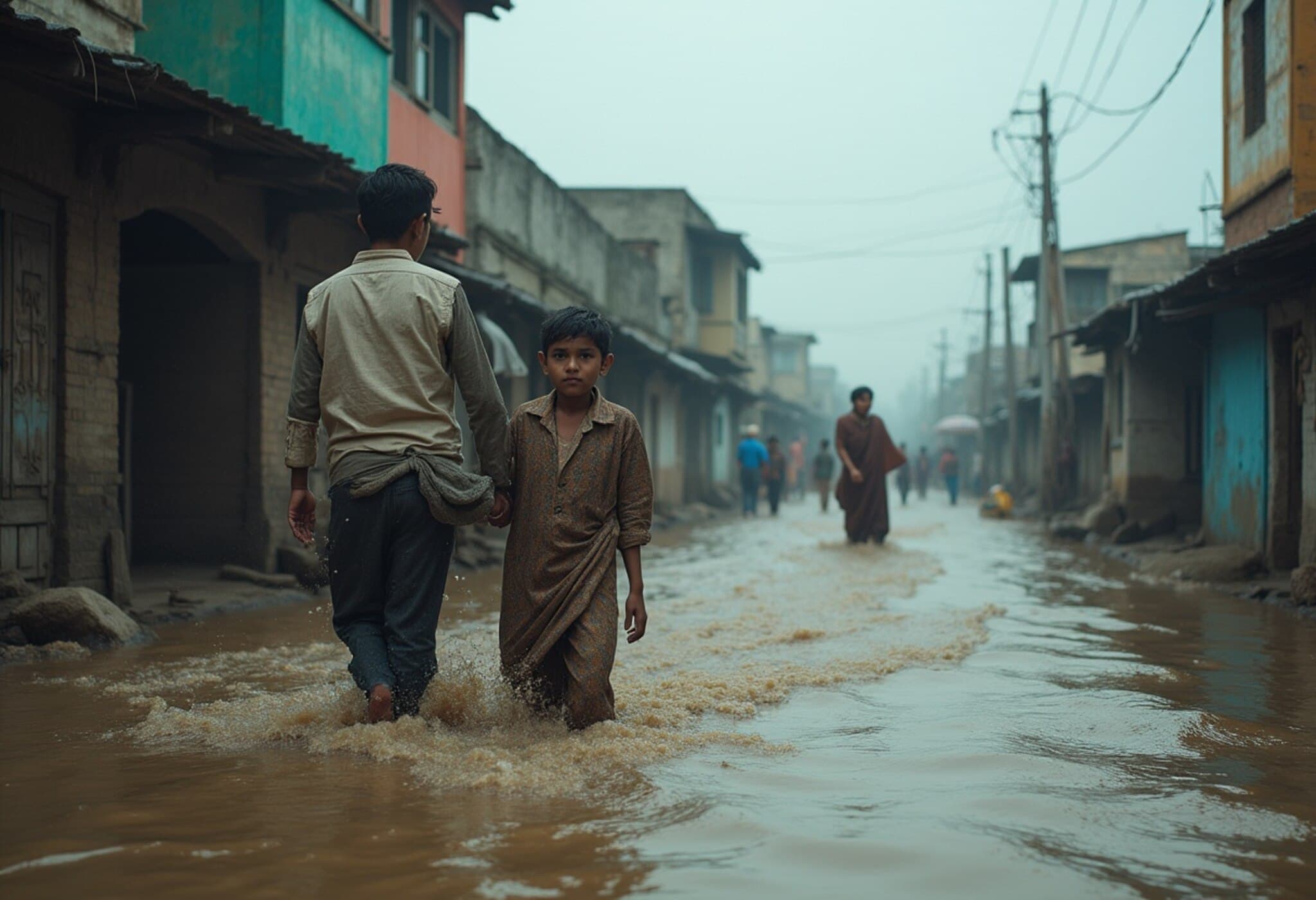
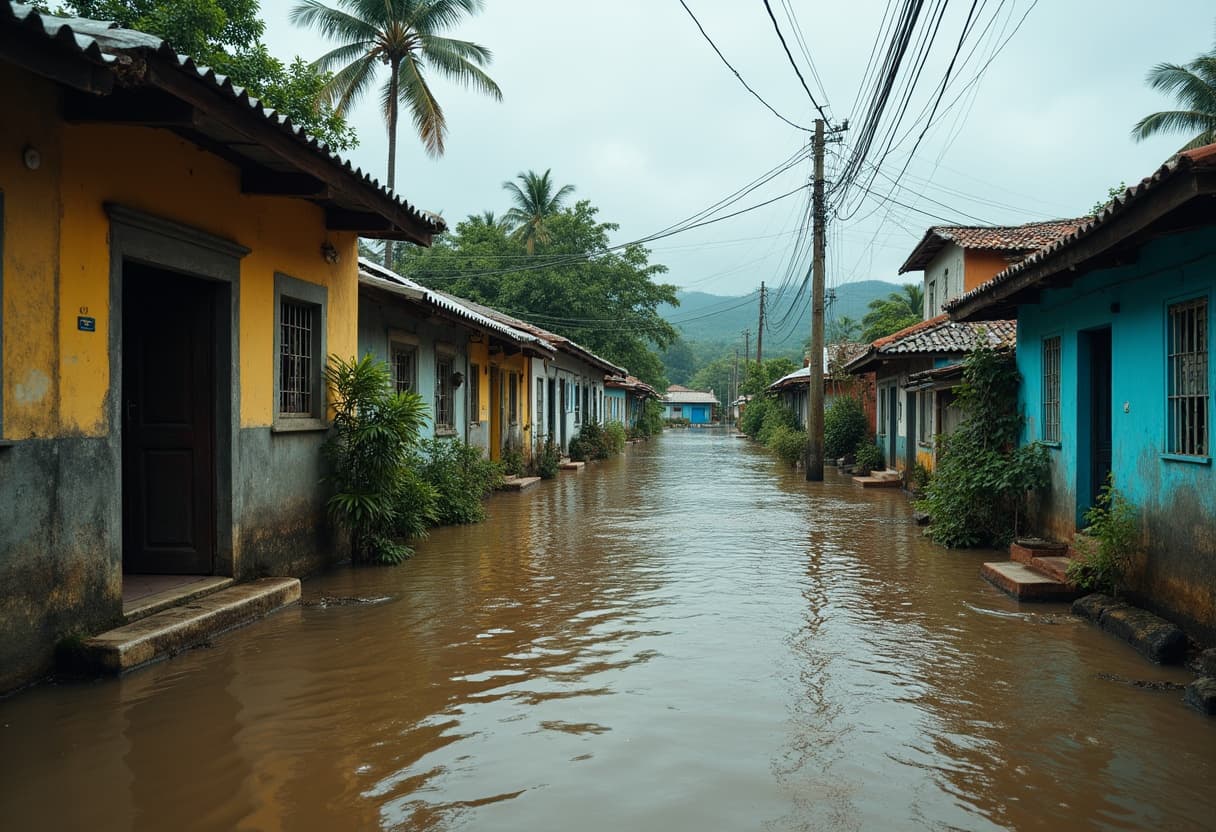
At least 32 lives were lost across Jamaica, with bodies washing ashore near Black River, some still unidentified. Infrastructure damage has left the majority of the country without power and isolated many communities. Violent flooding and mudslides augmented the destruction, complicating rescue operations.
Locals recount desperate scenes of looting amidst the chaos. Yet now, a hardy spirit drives the community’s cleanup and recovery efforts. Firefighters toil to clear mud-burdened buildings, including their own firehouse, which was submerged under 16 feet of water.
Dr. Robert Powell, an emergency physician at Black River Hospital, speaks to the exhausting demands placed on medical personnel, many of whom have had no chance to tend to their personal losses. The hospital’s roof was torn off, prompting evacuation of patients even as new injuries arrive daily — from falls during cleanup to building collapse rescues.
Stories of Survival and Uncertainty
- Andrea Montaque and her family sleep in their car, traumatized by the loss of their home.
- Neighbor Ivan Joseph survives the collapse of a wooden house that tragically claimed a life but now faces homelessness.
- Thirteen senior residents at the Auglo Senior Living home are crammed into a single room still intact.
- Police stations, central to law and order, struggle with basic communication; reports still have to be manually logged amidst the technological blackout.
- One poignant case is Serena Edwards, who reports her mother missing after the disaster, holding on to hope despite uncertainty as she searches among emergency shelters.
Black River High School, intended as a shelter, became a refuge of last resort for many, including the security guard Oliver Taylor, who himself lost his home. “This was like a tsunami,” he says, recognizing the long road ahead for recovery.
Expert Perspective: The Broader Implications for Jamaica and the Caribbean
The devastation wrought by Hurricane Melissa underscores the growing vulnerability of Caribbean coastal communities to increasingly frequent and intense storms, fueled by climate change. Haiti, the Bahamas, and Puerto Rico have faced similar disasters in recent years, stretching regional resources thin.
From a policy standpoint, rebuilding efforts must prioritize resilient infrastructure and disaster preparedness. For Jamaica, this involves significant investment not only in physical reconstruction but also in social support systems, healthcare access, and economic revitalization plans that can buffer against future shocks.
Moreover, the public health impact — as evidenced by the trauma, displacement, and disrupted medical services in Black River — reveals the urgent need for better emergency response frameworks and mental health services embedded within recovery programs.
Unseen Stories and Critical Questions
Beyond the headlines of destruction, the human stories – especially of marginalized groups such as the elderly, disabled, and economically vulnerable – often receive too little attention. How effectively can Jamaica ensure no one is left behind during recovery?
There is also a critical question of sustainable development: how can rebuilt communities balance economic growth, environmental protection, and climate adaptation in a way that protects their heritage and livelihoods?
Looking Ahead: The Long Road to Recovery
The resilient spirit of Black River’s residents shines through the rubble, but the path forward is steep. Recovery will demand concerted efforts from government agencies, international aid, and local communities working hand in hand.
As Black River scrapes away the mud and clears the debris, its story serves as both a warning and a beacon — highlighting the urgent need for climate preparedness and equitable recovery strategies in Jamaica and across hurricane-prone regions.
Editor’s Note
Hurricane Melissa’s destruction of Black River exposes the fragility of small coastal towns facing intensified climate threats. Their struggle exemplifies a global challenge: how to rebuild smarter, more inclusively, and sustainably. As readers, we are invited to consider the human cost behind the headlines and the responsibilities borne at every level—from local leaders to international policymakers—to support vulnerable communities navigating the stormy waters of climate change.