A Living Tradition: Honoring the Dead in Pomuch
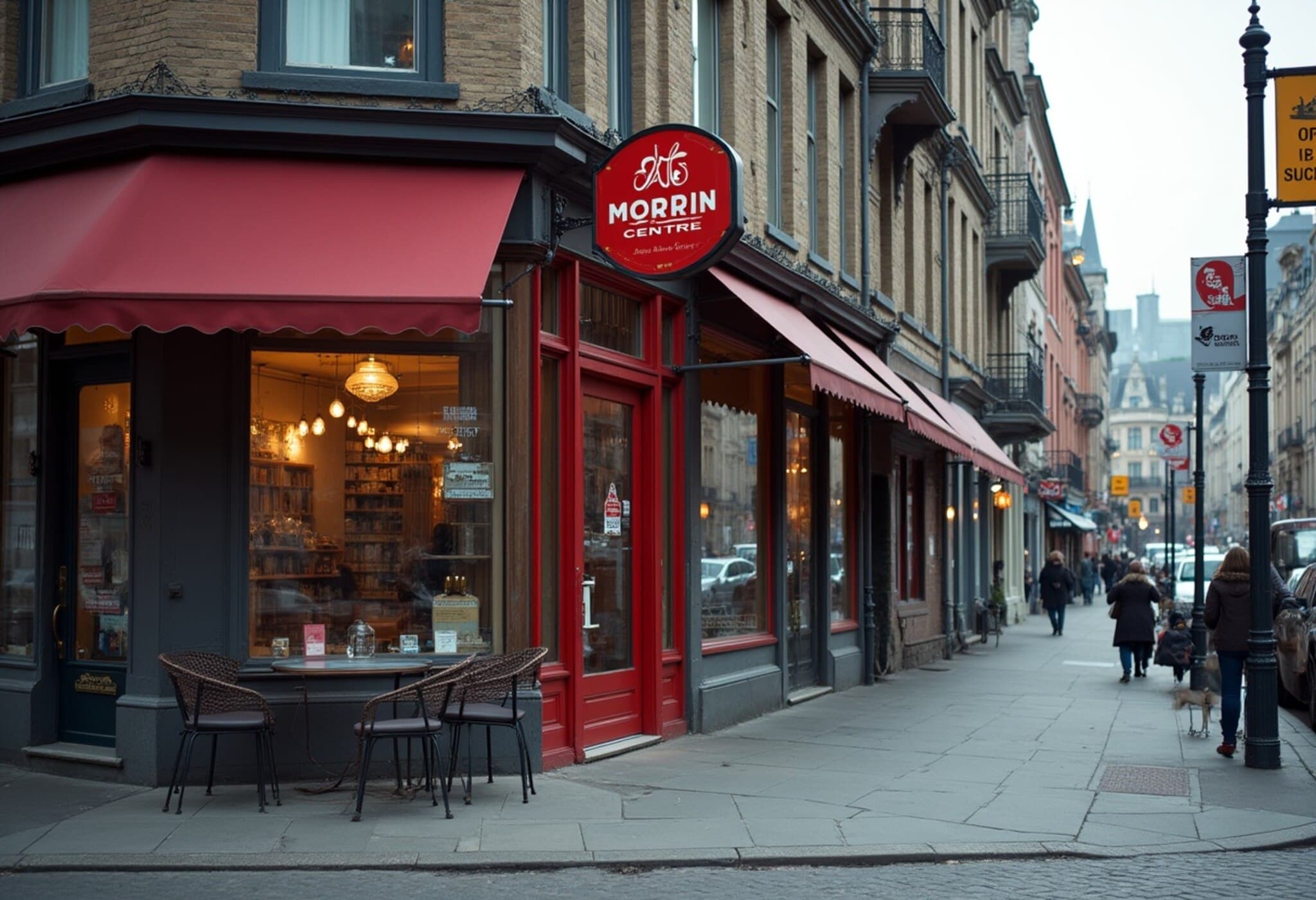
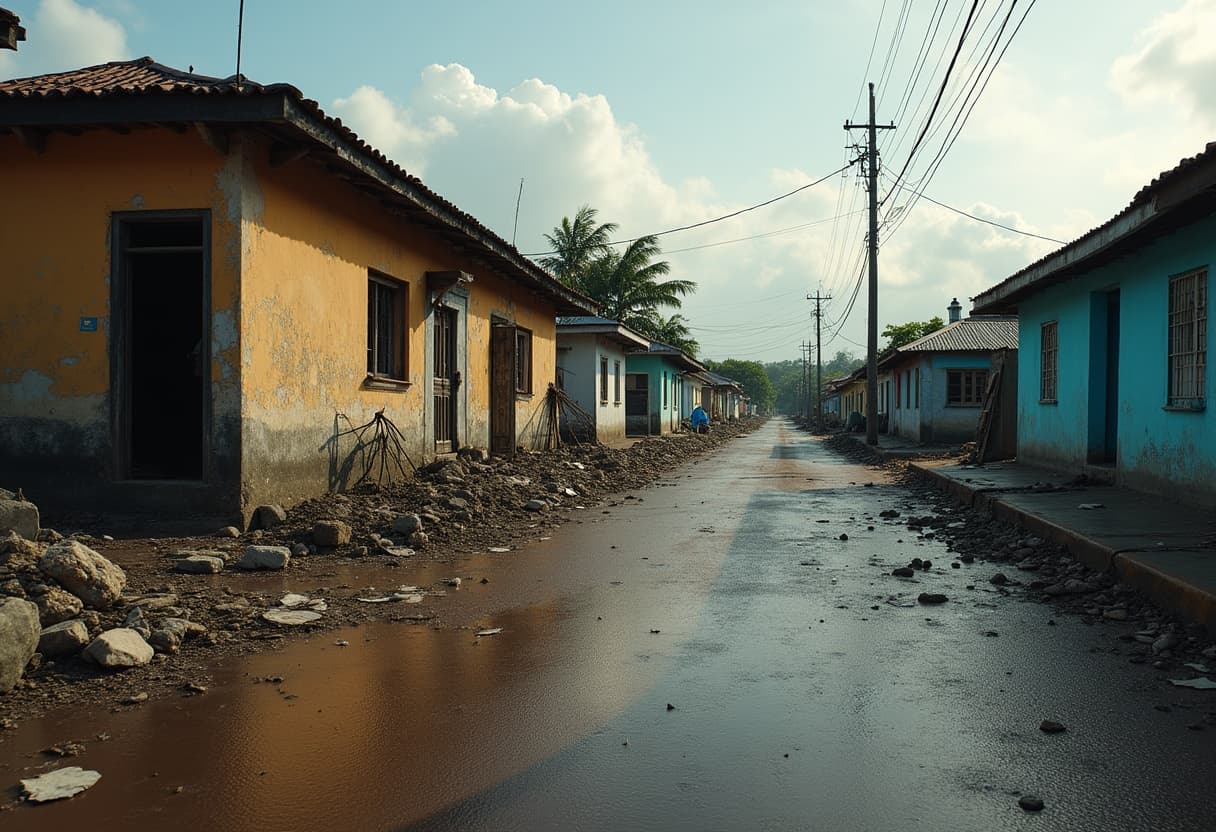
In the quiet town of Pomuch, located in Campeche on Mexico’s Yucatán Peninsula, an extraordinary ritual unfolds each year that vividly connects the living with their ancestors. Here, unlike most other places, families do not merely remember their departed during the Day of the Dead—they disinter their loved ones’ bones, lovingly clean them, and carefully care for them as an intimate act of devotion and remembrance.
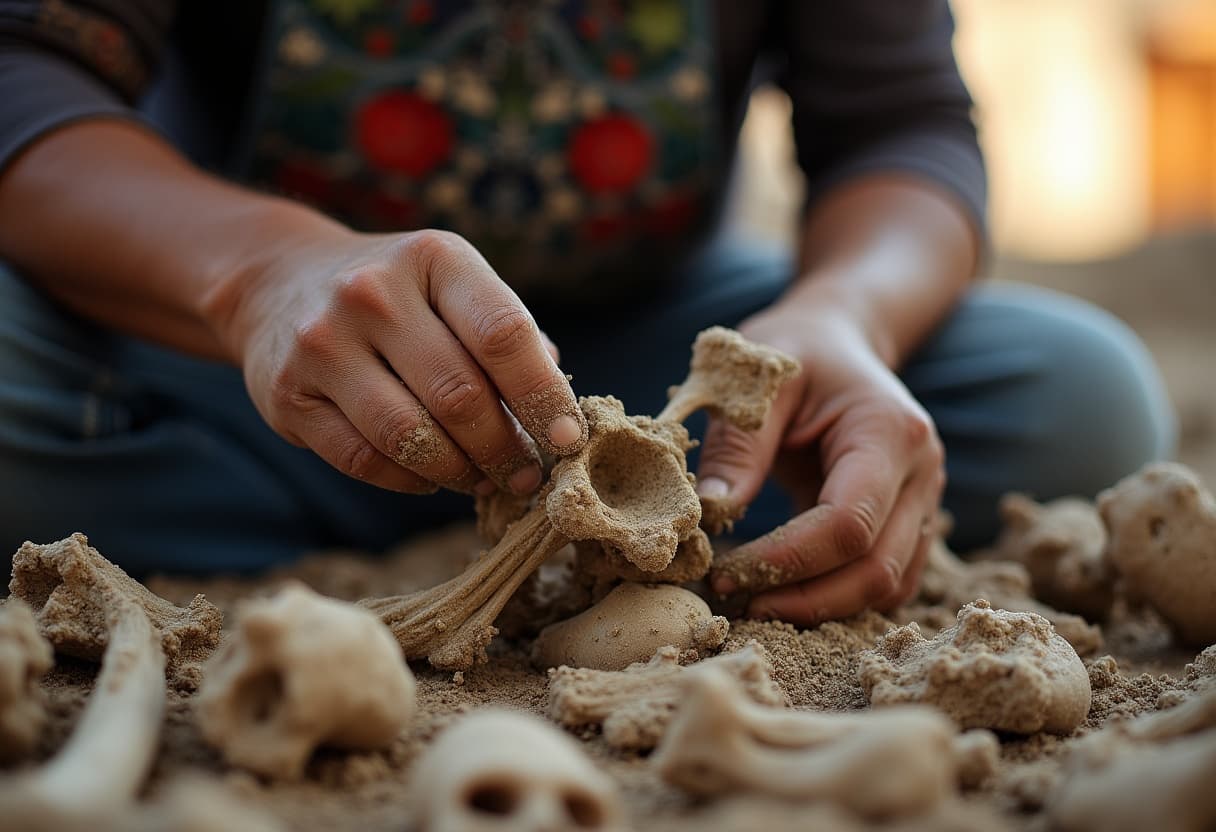
This practice, while ancient, remains vibrant among Pomuch’s roughly 10,000 residents and is deeply embedded in the community’s cultural identity. Maria Luisa Euan, a local resident, watched tenderly as her husband gently wiped the femur and vertebrae of her first husband, reaffirming a bond that death has not severed. Their actions embody a striking blend of love, respect, and acceptance, underscoring how this ritual confronts mortality not with fear but with affection and reverence.
The Ritual: A Personal and Communal Act of Love
Every year, during the Day of the Dead celebrations, families gather in Pomuch’s cemetery for the ritual disinterment and cleaning of bones—a tradition almost extinct elsewhere. Armed with white cloths, they remove the remains from their resting places, remove dust and dirt accumulated over time, and polish teeth, ribs, and other bones with meticulous care.
Jorge Jurado, aged 66, explained the sentiment behind these actions: "It’s with love and affection. When she feels happy, I feel happy, too." For many locals, this is more than a custom—it is a personal expression of continuity, healing, and connection across generations.
Breaking Taboos and Embracing Death
In many cultures around the world, touching or disturbing the dead is taboo, often avoided with reverence or fear. Pomuch's practice challenges these global norms by highlighting a more tangible, physical dialogue with mortality. It echoes broader Mexican Day of the Dead traditions, which are visual, joyful, and celebratory rather than somber.
Tourism Arrives: Balancing Cultural Integrity with Economic Opportunity
In recent years, Pomuch’s distinct ritual has attracted a growing number of curious tourists eager to witness this rare tradition firsthand. Local authorities see the influx as a potential economic boon—boosting local businesses and raising Pomuch’s profile internationally. Yet this attention also presents complex questions about preserving cultural authenticity while accommodating modern tourism.
- Tensions Between Privacy and Publicity: Residents express concern about the ritual’s sacred nature being overshadowed by spectacle.
- Economic Dependency Risks: Reliance on tourism risks commodifying the ritual and altering its profound cultural meaning.
- Community Agency: Calls for inclusive decision-making processes to ensure that traditions aren’t forcibly changed to meet tourist expectations.
Experts caution that such cultural tourism can walk a fine line—either sustaining traditions through economic incentives or stripping them down to mere attractions devoid of original significance.
American Relevance: Death, Rituals, and Cultural Exchange
For American audiences and policymakers interested in multicultural practices and tourism’s impact, Pomuch's story is rich with lessons. It highlights the value of respecting indigenous customs, the complexities of heritage tourism, and the universal human effort to find meaning in death. It also prompts a reflection on how communities negotiate their identities amid globalization and economic pressures.
Looking Ahead: Preserving a Human Ritual in a Changing World
Pomuch stands at a crossroads: its unique bone-cleaning tradition could either fade away under the weight of modernization or thrive by finding a thoughtful balance between openness and protection.
The real challenge lies in ensuring that the ritual remains a heartfelt expression of love and memory, not just a tourist spectacle. How Pomuch manages this balance could serve as a valuable case study for communities worldwide wrestling with similar dilemmas.
Editor's Note
Pomuch's annual ritual reminds us that death rituals reflect deep cultural values and human connections. In an era of rapid globalization and increasing cultural commodification, safeguarding these unique traditions requires more than preservation; it demands respect for the communities that uphold them. As readers, we might ask: How can we engage with such traditions responsibly, honoring their spirit while fostering cross-cultural understanding?